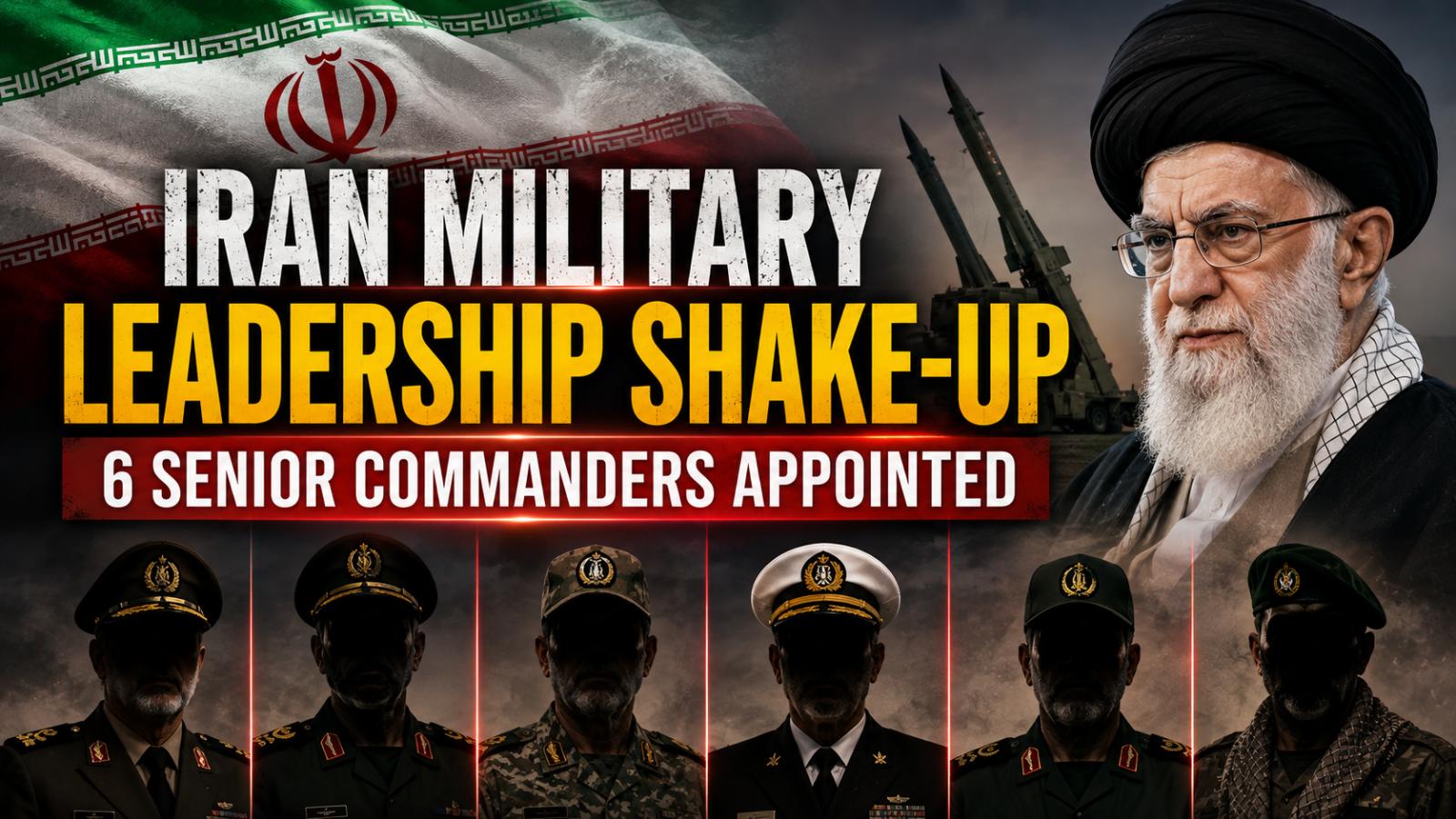
Iran military leadership reshuffle has formally installed six senior commanders across the Armed Forces, Islamic Revolutionary Guard Corps and Basij. Supreme Leader Mojtaba Khamenei's appointments place Ali Abdollahi at the top of the military command while confirming Ahmad Vahidi as commander-in-chief of the IRGC.
Iran commanders appointed after wartime losses
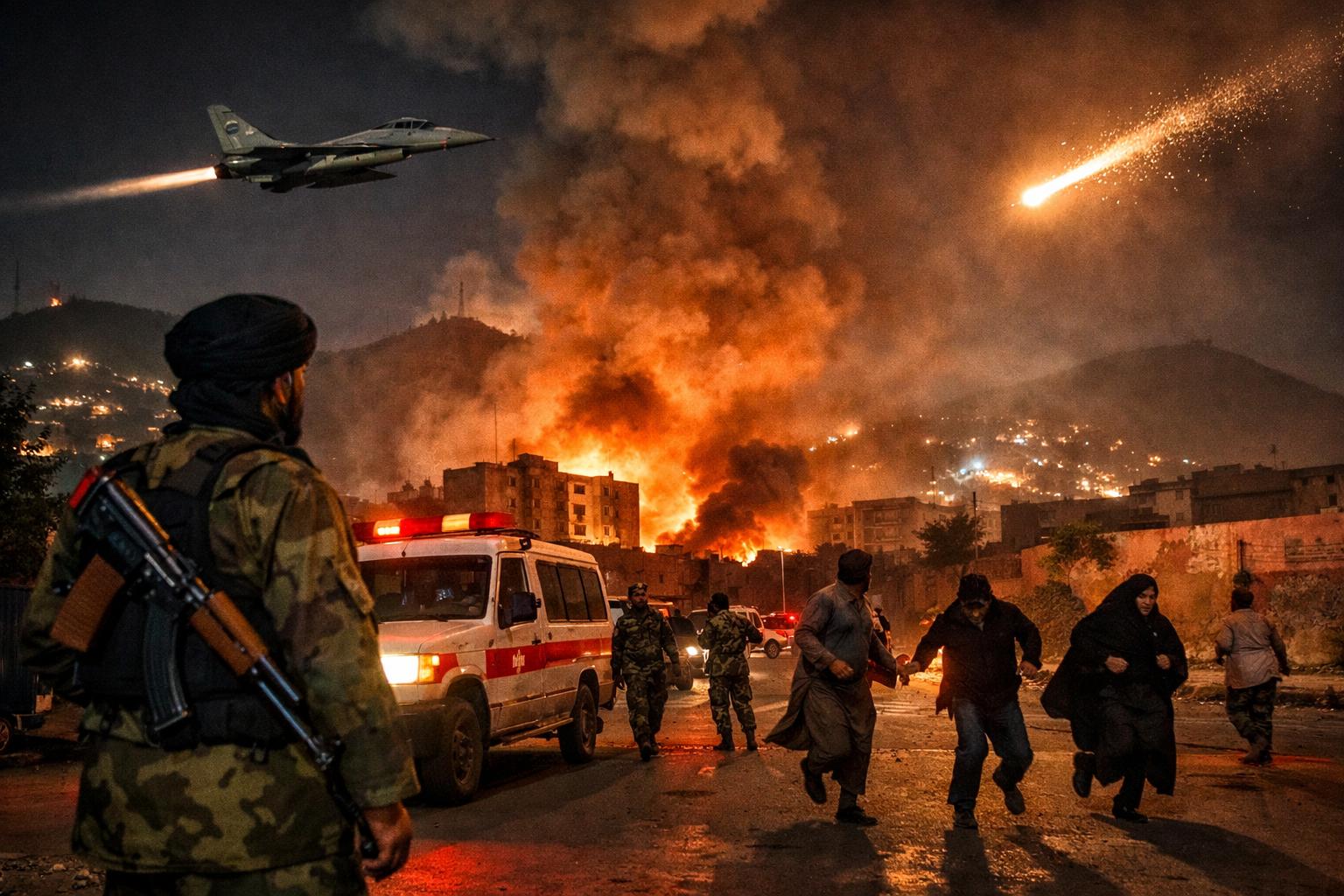
Khamenei issued the appointments on Monday as Tehran continues rebuilding a command structure heavily disrupted during the war. Ali Abdollahi was named chief of staff of Iran's Armed Forces and promoted to major general, placing the veteran commander in one of the country's most powerful military positions.
Abdollahi previously commanded the Khatam al-Anbiya Central Headquarters, which coordinates operations between Iran's regular military and the IRGC. His predecessor as armed forces chief, Abdolrahim Mousavi, was killed alongside other senior commanders during US-Israeli strikes earlier this year.
Kioumars Heydari, a former commander of Iran's Army Ground Forces, was appointed deputy chief of staff, adding another experienced officer to the reorganized command structure.
Vahidi IRGC appointment becomes official
Ahmad Vahidi was formally appointed commander-in-chief of the Islamic Revolutionary Guard Corps and promoted to major general. Vahidi had already been publicly presented as the Guards' commander following the death of Mohammad Pakpour, but the latest decree formally establishes his position.
Vahidi is one of Iran's most experienced security figures. He previously commanded the IRGC's Quds Force and served as defence minister and interior minister. His elevation places a veteran of Iran's military and security establishment at the center of the Guards during a period of reconstruction and regional tension.
IRGC Navy and Basij receive new commanders
The reshuffle extends beyond Iran's two highest military posts. Mostafa Izadi was appointed deputy commander-in-chief of the IRGC, while Rear Admiral Ali Azmaei was formally named commander of the IRGC Navy.
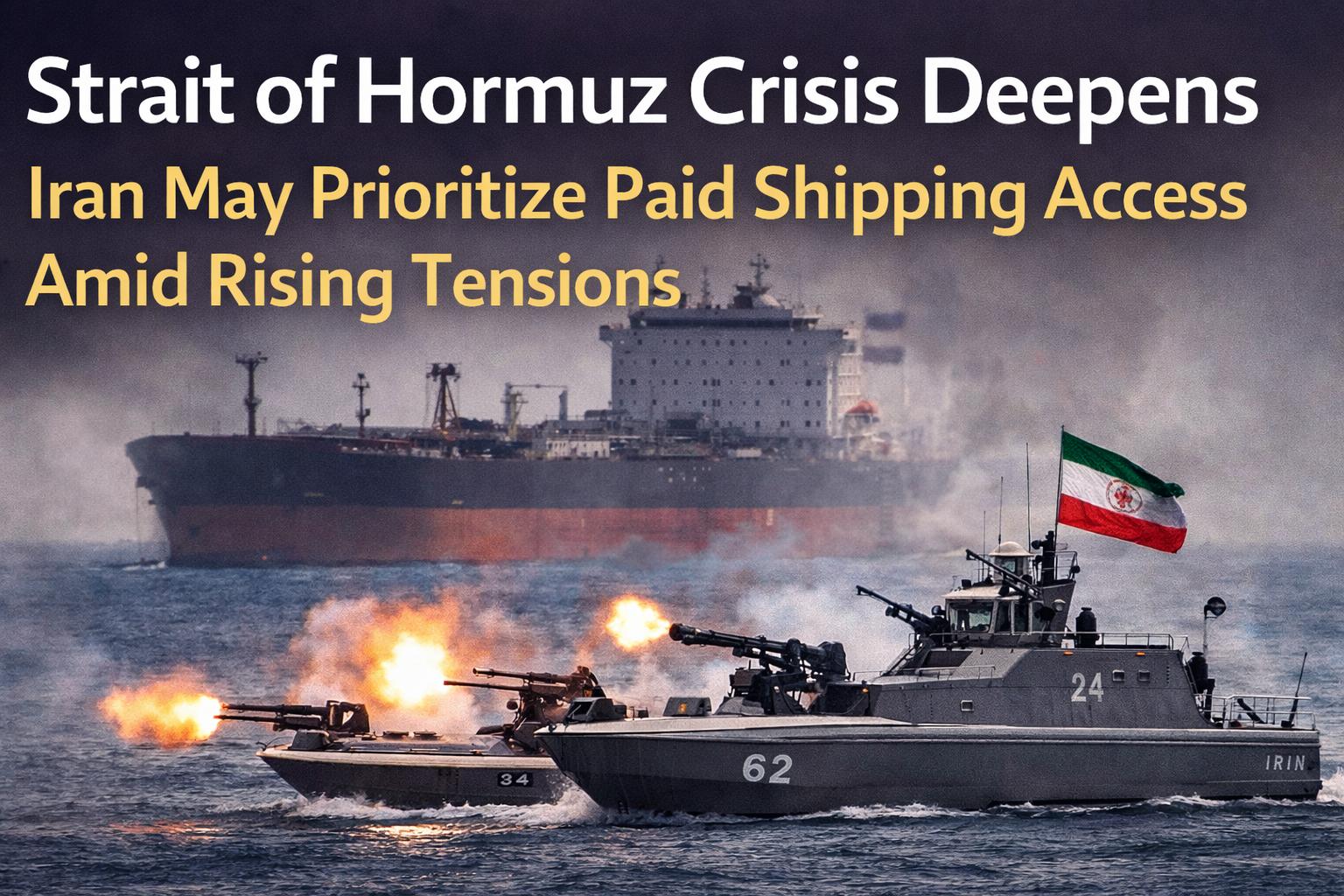
Azmaei had already emerged publicly as the naval commander following the death of Alireza Tangsiri. His formal appointment is particularly significant because the IRGC Navy plays a central role in Iran's strategy around the Strait of Hormuz, one of the world's most important energy shipping routes.
Hossein Taeb, the former head of the IRGC Intelligence Organization, was meanwhile appointed commander of the Basij paramilitary force. Taeb's return to a major operational position strengthens the presence of veteran security officials within the new leadership.
Iran military reshuffle consolidates wartime structure
Rather than creating an entirely new command system, several appointments formalize positions that had effectively been operating during the conflict. That distinction matters: the decrees show Tehran consolidating a wartime hierarchy after losing senior commanders rather than simply conducting a routine personnel rotation.
The appointments also come as Iran reorganizes its wider national-security leadership. The scale of the changes demonstrates how deeply recent strikes affected the upper levels of the country's military establishment and how quickly Tehran is trying to restore clear lines of authority.
The next test will be whether the new commanders merely restore continuity or reshape Iran's military strategy. With the IRGC, Basij, naval forces and Armed Forces General Staff receiving formal leadership simultaneously, the reshuffle represents one of the most consequential reorganizations of Iran's security establishment since the war.