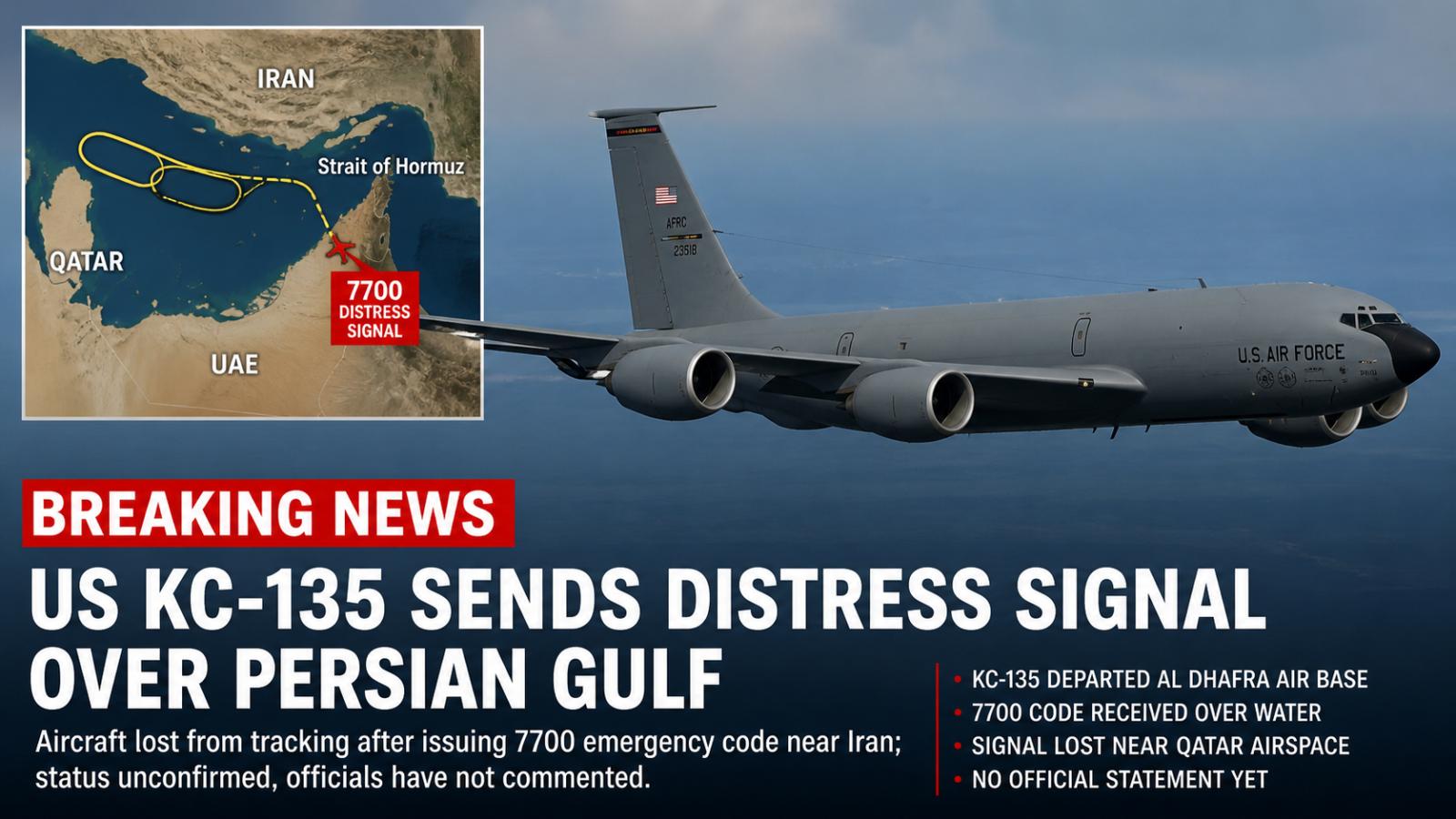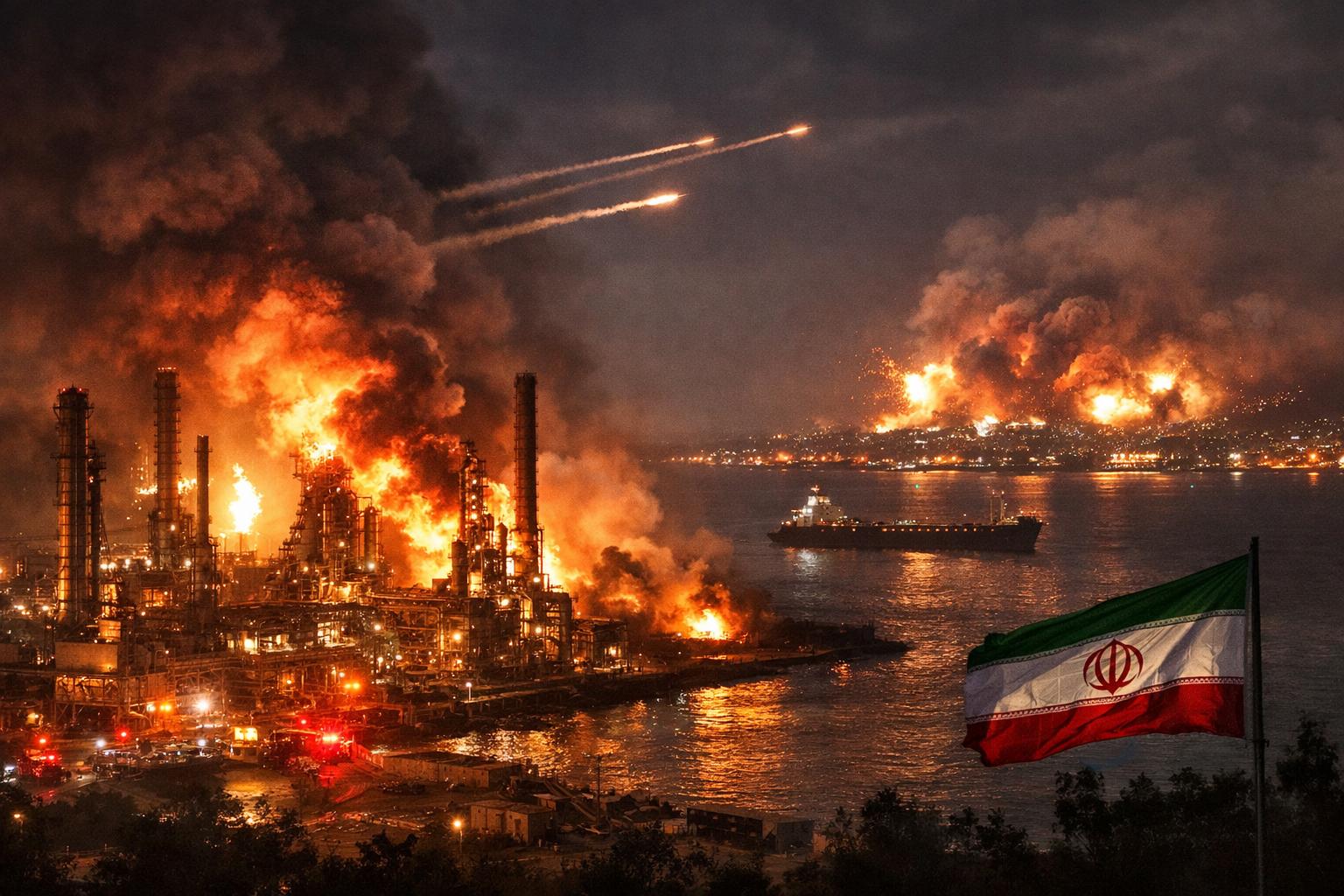
DUBAI, United Arab Emirates — Iran launched coordinated attacks across the Middle East on Friday, April 3, 2026, targeting energy infrastructure and escalating tensions as U.S. and Israeli forces carried out strikes inside Iran. The conflict has now entered its fifth week with no signs of slowing, raising concerns over global energy security and regional stability.
Iranian drone strikes hit Kuwait’s Mina al-Ahmadi oil refinery early Friday, April 3, 2026 (local time in the Middle East), igniting multiple fires. Kuwait Petroleum Corp. confirmed that emergency crews were working to contain the blazes, marking one of several attacks on the facility since the conflict began. Air raid sirens were also reported in Bahrain, while Saudi Arabia said it intercepted multiple Iranian drones. Israel reported incoming missile threats during the same period.
Despite repeated claims from Washington and Tel Aviv that Iran’s military capabilities have been significantly weakened, Tehran continues to launch attacks across the Gulf region. Reports from activists indicated additional strikes near Tehran and the central city of Isfahan, although details on the targets remain unclear.
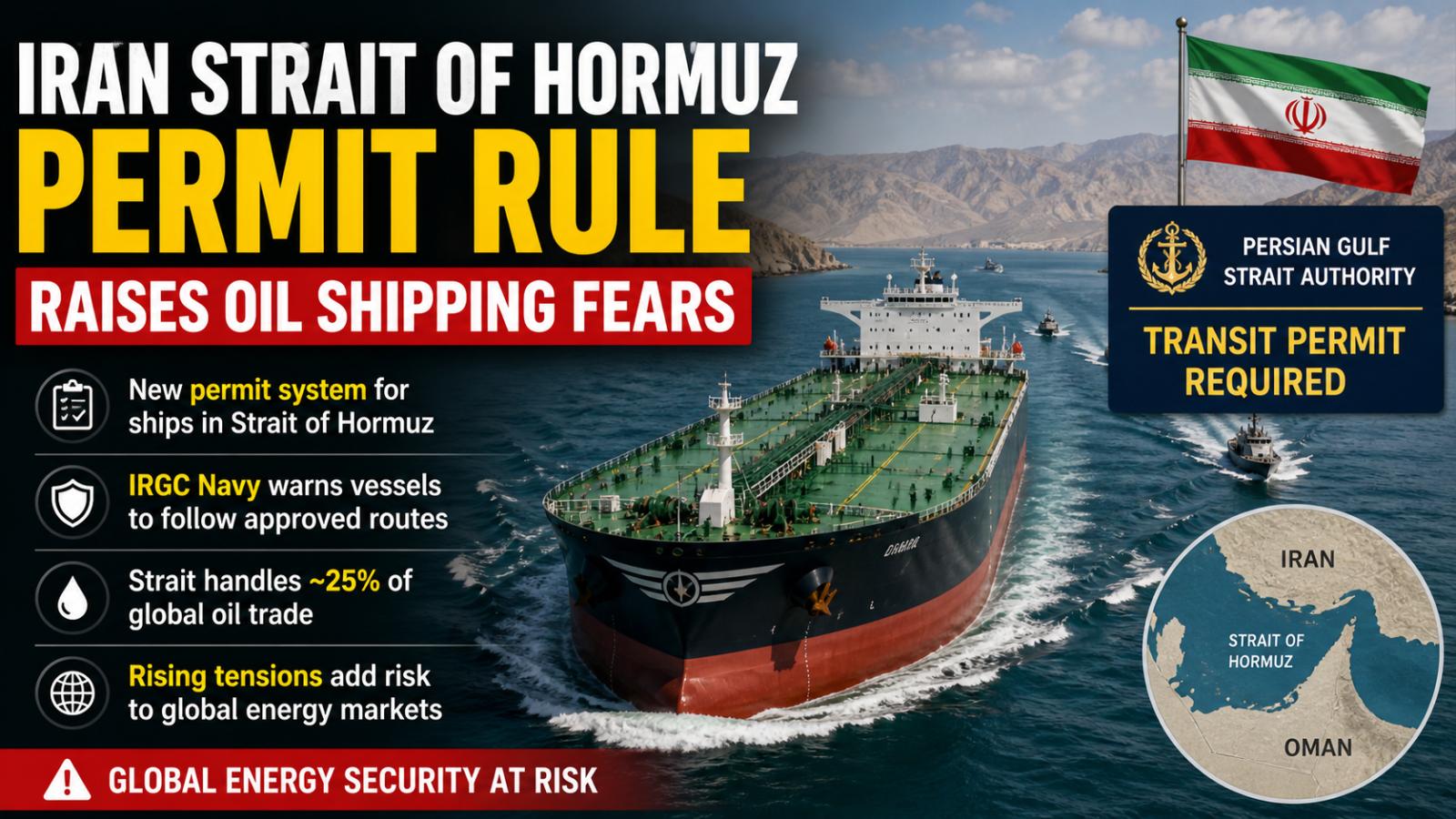
Iran’s actions have intensified pressure on global energy markets, particularly through its control over the Strait of Hormuz, a critical shipping route responsible for about 20% of the world’s oil and natural gas supply during peacetime. Brent crude prices rose to approximately $109 early Friday, April 3, 2026, representing an increase of more than 50% since the conflict began on Friday, February 28, 2026.
The United Nations Security Council is scheduled to convene on Saturday, April 4, 2026, to address security concerns in the Strait of Hormuz. A proposal introduced by Bahrain seeks authorization for defensive measures to ensure safe passage for commercial vessels. However, key members including Russia, China, and France have expressed opposition to any resolution permitting the use of force.
International leaders have also weighed in on the situation. French President Emmanuel Macron, speaking after meetings in Seoul, emphasized that reopening the strait through military action would be unrealistic and prolonged, suggesting that negotiations with Iran would be necessary following any potential ceasefire.
The human toll of the conflict continues to rise. More than 1,900 people have been killed in Iran, while Israel has reported 19 fatalities. Additional casualties have been recorded across Gulf states, the occupied West Bank, and Lebanon, where ongoing fighting has displaced over one million people. Thirteen U.S. service members have also been confirmed killed during the conflict, underscoring the widening impact of the war.