Iraq Denies Approving US-Saudi Strikes on PMF Sites
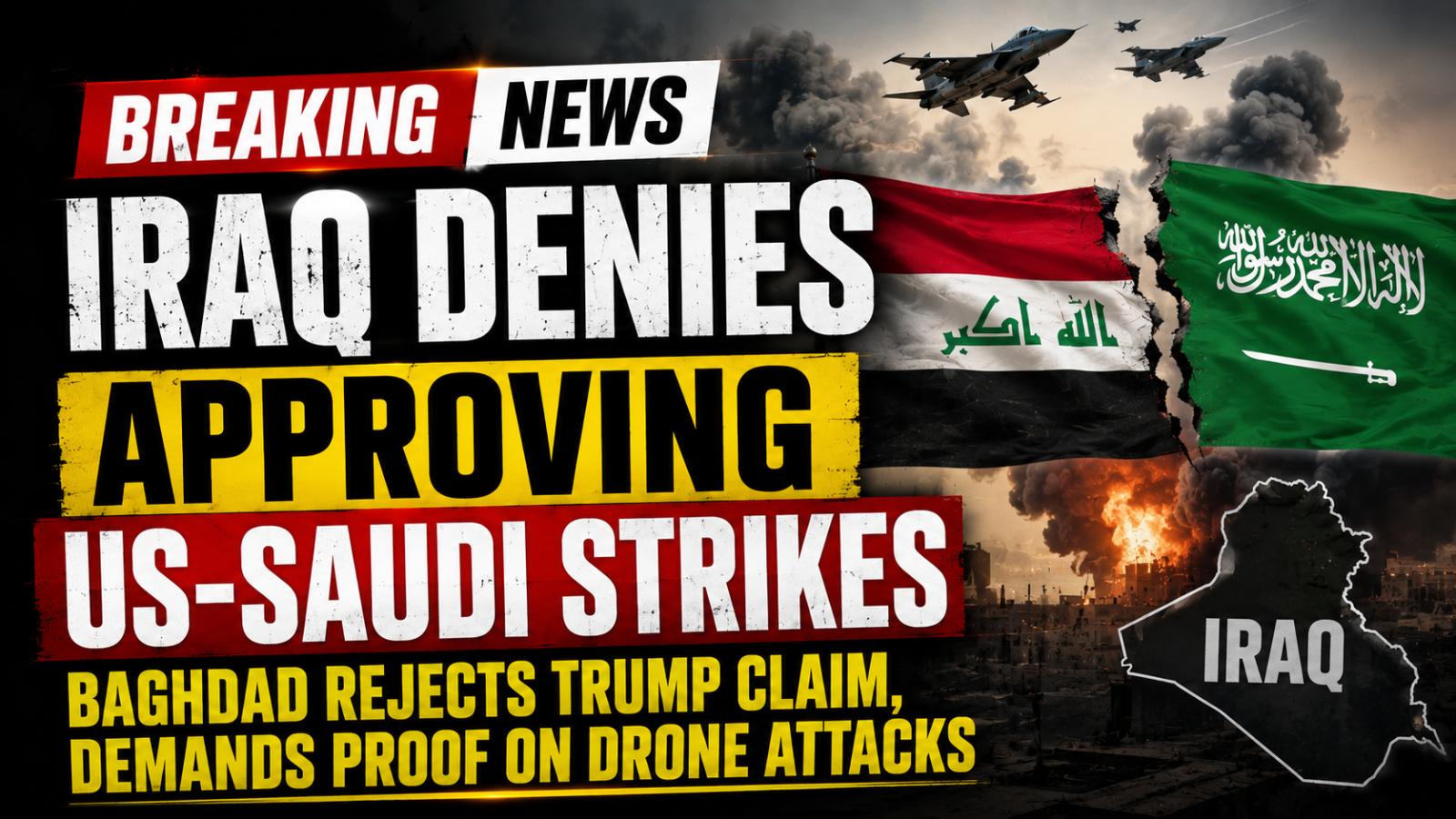
Iraq denies approving US-Saudi strikes against Iran-backed PMF sites, directly challenging President Donald Trump’s coordination claim. Baghdad has condemned the attack, defended Iraq’s sovereignty and demanded evidence for Saudi allegations that drones targeting Riyadh came from Iraqi territory.
Baghdad Response Rejects Prior Coordination Claim
The Iraqi government has denied receiving advance notice or authorising recent US-Saudi strikes against armed groups inside the country. Government spokesperson Haider al-Aboudi said Baghdad had not approved attacks on any location or organisation within Iraqi territory.
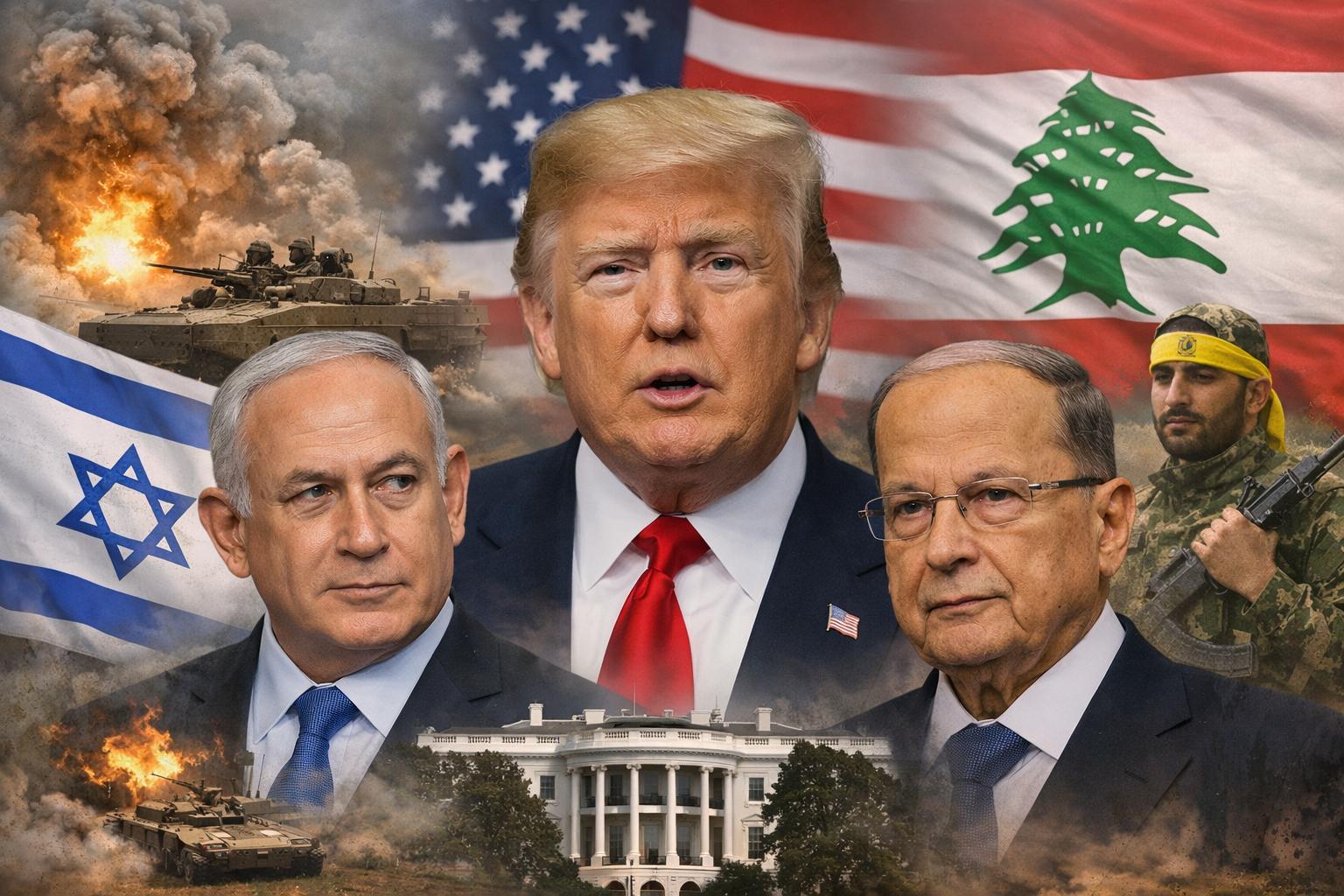
His statement directly challenged President Donald Trump’s claim that the operation had been coordinated with Iraqi authorities. Baghdad has instead described the strikes as an unjustified breach of national sovereignty and said foreign forces cannot conduct military operations in Iraq without government approval.
The Iraqi News Agency reported that officials had no prior knowledge of the attacks. Iraq’s security leadership is now examining the circumstances surrounding the operation and developing measures intended to prevent further violations.
US-Saudi Attack Targets Iran-Backed Groups
US Central Command confirmed that American and Saudi forces carried out coordinated strikes against sites linked to Iran-backed armed groups in Iraq on July 28. CENTCOM said the targets belonged to organisations accused of planning attacks against US forces and Saudi infrastructure.
At least 20 members of the Popular Mobilisation Forces were reportedly killed. The PMF operates as part of Iraq’s official security structure, but several factions within the organisation maintain close political and military ties with Iran.
That complex status makes foreign strikes especially sensitive. Baghdad faces pressure to control armed factions operating outside its direct command, but it also treats attacks on PMF positions as violations of state authority. The latest operation risks widening divisions between Iraq’s government, Iran-linked political groups and its US and Gulf partners.
Saudi Drone Claim Lacks Evidence, Iraq Says
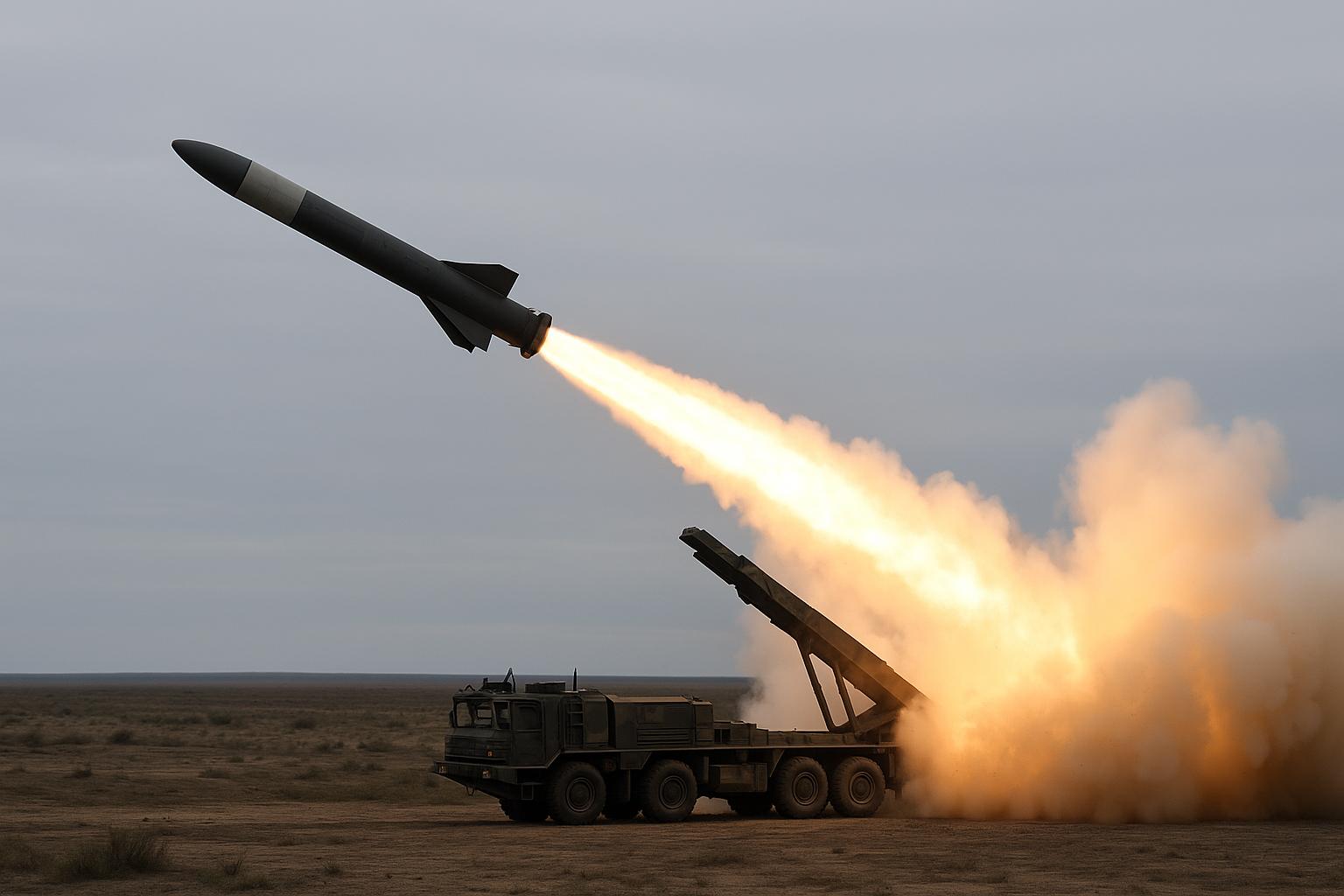
Saudi Arabia has alleged that drones launched from Iraqi territory targeted critical infrastructure and Riyadh earlier in the week. Iraqi officials said they opened an investigation after receiving the Saudi Defence Ministry’s statement and promised legal action against anyone proven to have participated.
However, spokesperson Sabah al-Numan said Saudi Arabia or other involved parties had not yet presented evidence showing that the drones originated in Iraq. Baghdad has requested technical information that could help identify launch sites, flight paths and the groups responsible.
Al-Numan said no available proof currently supports claims that the attacks came from Iraqi territory. Al-Aboudi separately stressed that Iraq would not permit its land to serve as a base for attacks against neighbouring countries.
Iraq Sovereignty Dispute Deepens Regional Tensions
The dispute places Baghdad in a difficult position. Iraq wants to maintain security ties with Washington and improve relations with Saudi Arabia while preventing Iran-backed factions from pulling the country deeper into a regional conflict.
Reports that a planned Iraqi leadership visit to Saudi Arabia was postponed underline the diplomatic damage caused by the strikes. The disagreement could affect efforts to strengthen Gulf-Iraq relations and coordinate policy on cross-border threats.
The central unanswered question is whether Iraqi armed factions helped launch the drones without government knowledge. Until investigators produce evidence, Baghdad’s position remains that it neither authorised the US-Saudi operation nor received proof supporting the allegations used to justify it.