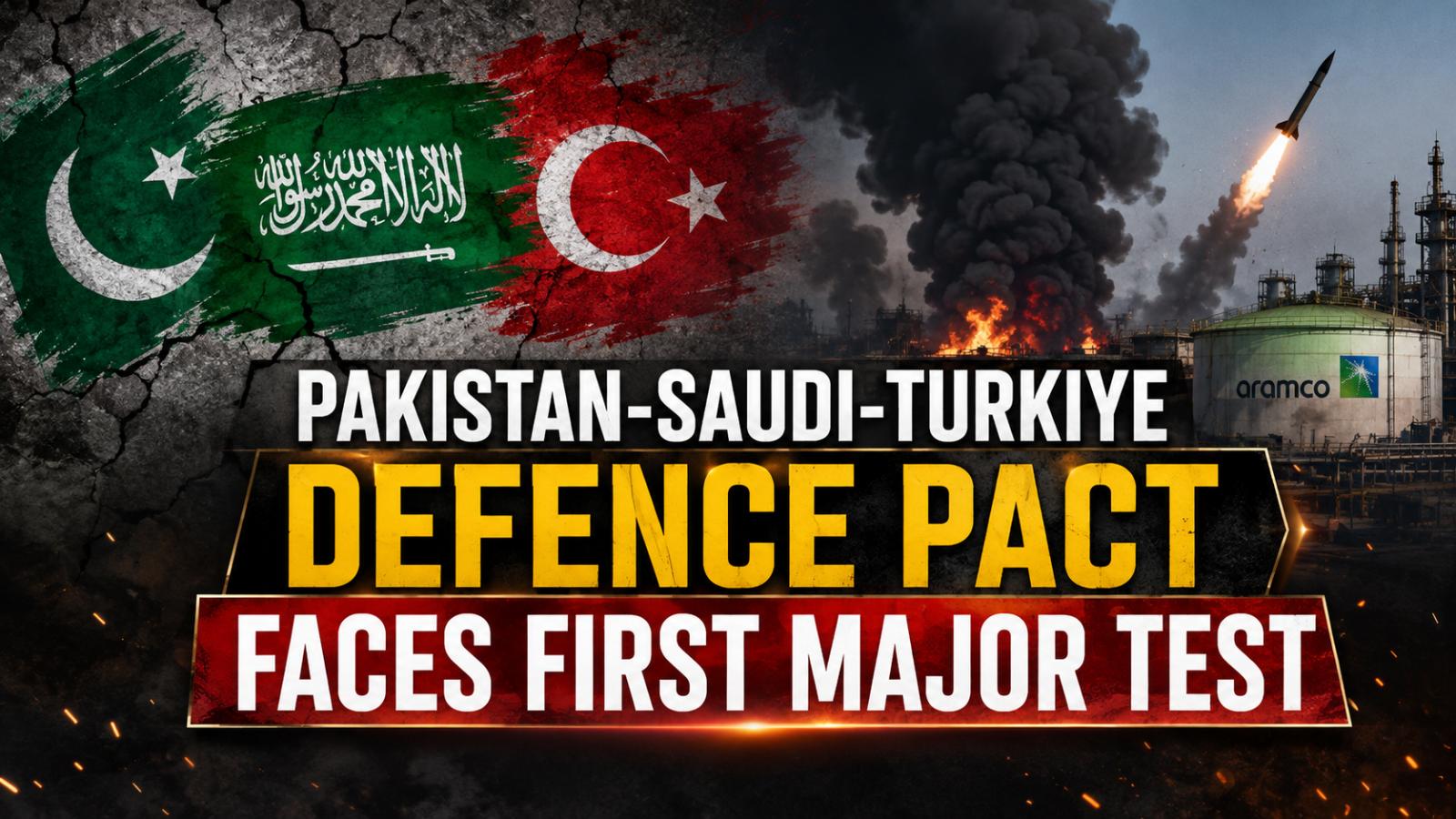
The Pakistan Saudi Turkiye defence pact is facing scrutiny only days after its signing in Makkah. A Houthi strike on a Saudi Aramco facility has raised an immediate question: what does the agreement's collective-defence commitment require when one member comes under attack? The answer is more complicated than simply expecting Pakistan or Turkiye to enter a war.
Houthi attack puts Mecca pact under scrutiny
Saudi Arabia, Pakistan and Turkiye signed the Makkah Joint Defence Agreement on August 7, establishing a framework under which an armed attack against one member is considered an attack against all three. Turkish Foreign Minister Hakan Fidan subsequently compared its collective-defence principle to NATO's Article 5, while stressing that the agreement is not aimed at Iran.
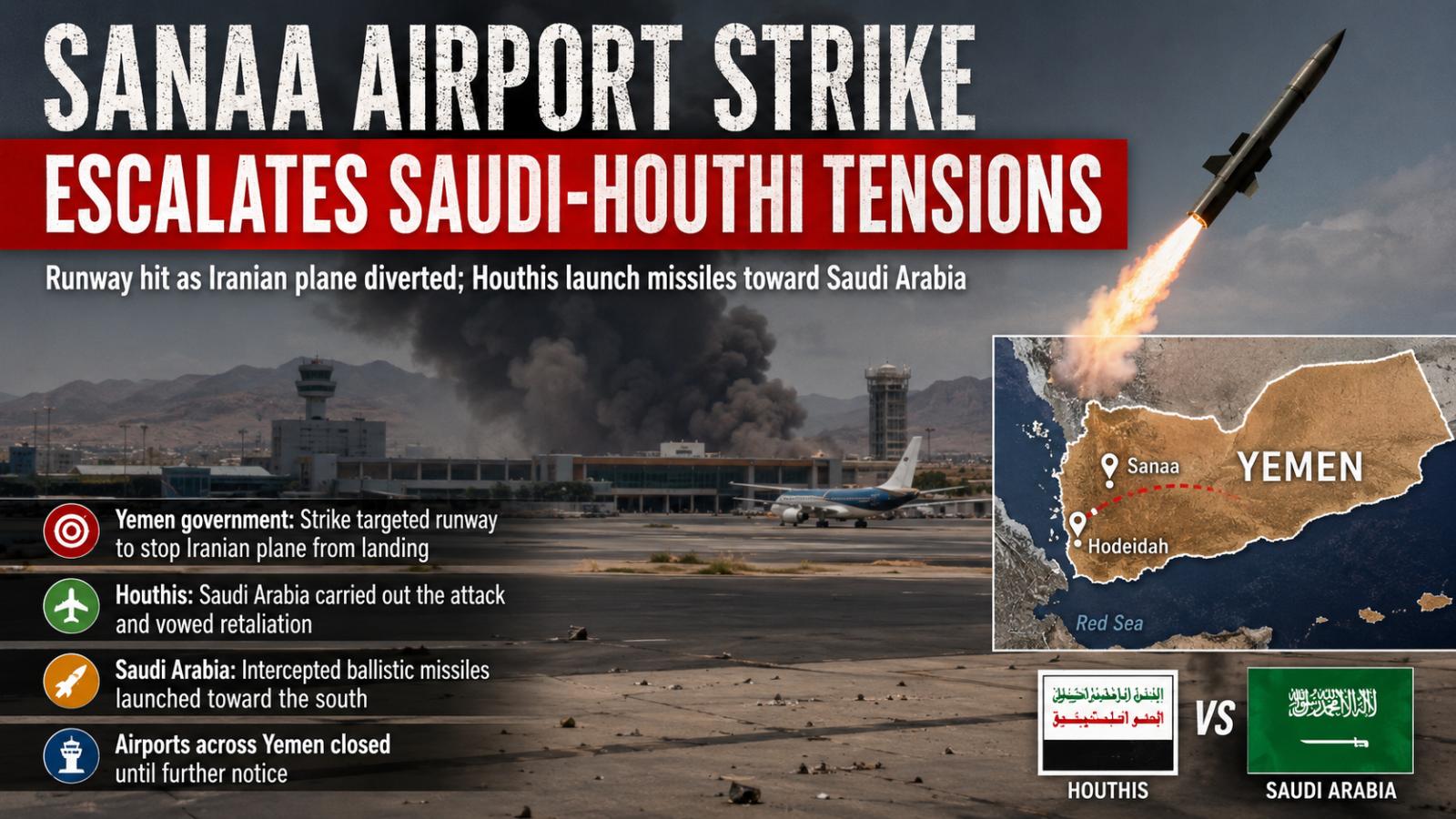
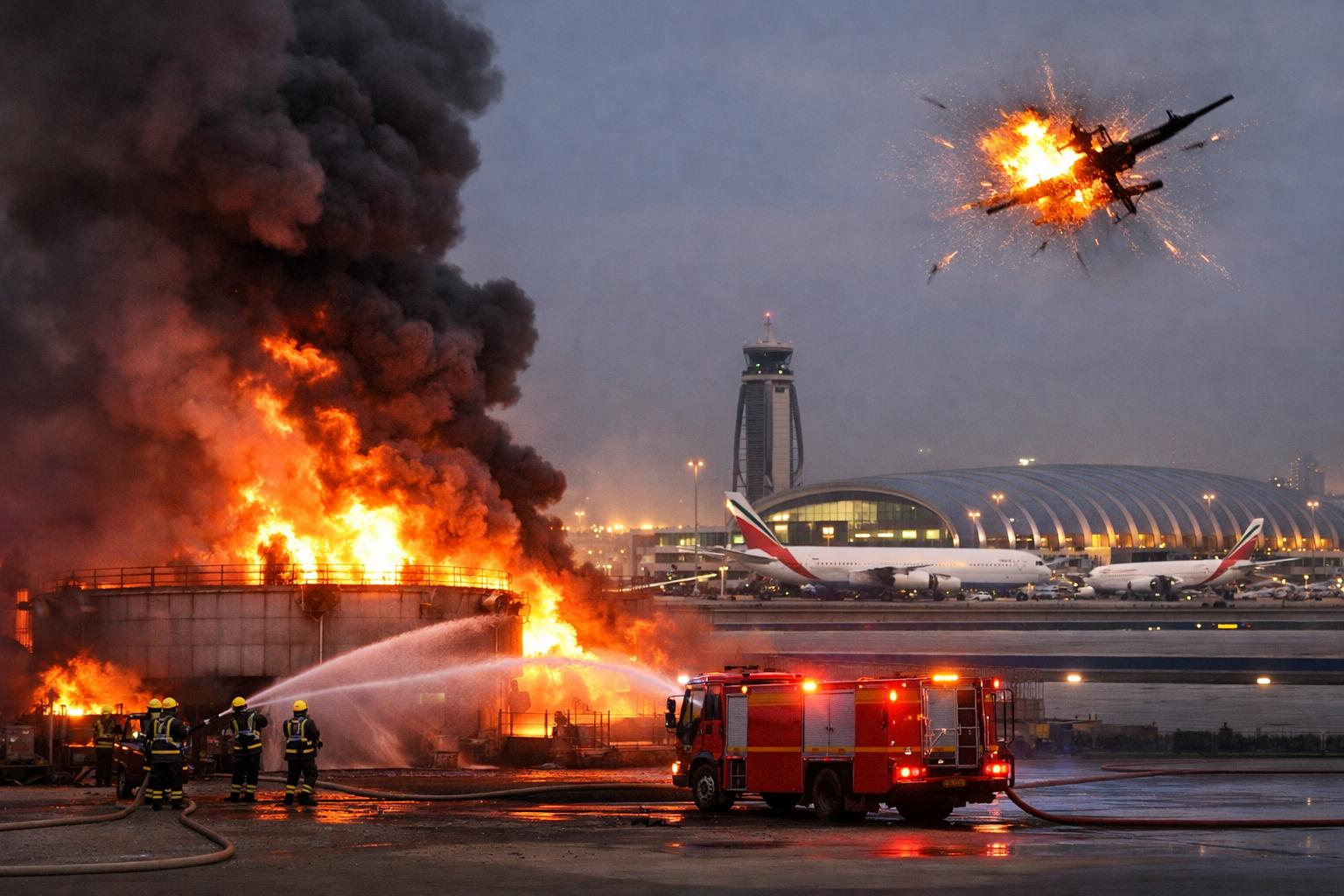
The pact received an almost immediate geopolitical test. The Houthis targeted Saudi Aramco's Jazan refinery and also attacked Mokha in Yemen over the weekend. Saudi authorities said a fire at the Aramco facility was extinguished. The escalation came amid heightened tensions between Riyadh and the Iran-aligned Yemeni movement.
However, the absence of Pakistani or Turkish military intervention should not automatically be described as a breach of the agreement. Collective-defence clauses do not necessarily require members to immediately enter combat, and the precise mechanisms through which the new pact will operate remain important.
Saudi defence commitment meets political reality
Pakistan has emphasized that the agreement is defensive rather than an alliance designed for confrontation. Deputy Prime Minister and Foreign Minister Ishaq Dar said the pact seeks collective deterrence and is not directed against another country.
That distinction matters. Islamabad has strong incentives to avoid being pulled into a direct regional conflict, particularly one involving Iran. Pakistan and Iran share a long and sensitive border through Balochistan, while both countries have previously faced cross-border security tensions.
Turkiye faces a similar calculation. Ankara wants stronger defence cooperation with Riyadh and Islamabad but also maintains diplomatic and economic interests across the region. Fidan's insistence that the pact does not target Iran signals an attempt to build deterrence without creating an explicitly anti-Iran military bloc.
Pakistan Iran tensions complicate military response
Pakistan's domestic security problems make direct military involvement abroad particularly costly. Balochistan remains one of the country's most difficult security challenges.
Nine police officers were killed in July when militants attacked a police post near the Mangi Dam project in Ziarat district. Pakistani state media later reported that security forces had killed 129 militants in Operation Shaban and other intelligence-based operations since July 5.
Deploying significant military resources to another Middle Eastern conflict could therefore create strategic opportunity costs for Islamabad at a time when it faces serious security demands at home.
Turkiye pact highlights limits of collective defence
The Houthi attacks do not by themselves prove that the Mecca pact is merely symbolic. The agreement reportedly covers troop exchanges, joint exercises, intelligence cooperation and an early-warning mechanism, suggesting that its purpose extends beyond direct battlefield intervention.
Iran's reaction is also notable. Tehran has publicly argued that the agreement reflects a regional shift toward countries relying more heavily on their own security capabilities rather than outside powers.
The real test will therefore be how the three governments define an attack that activates collective assistance and what form that assistance takes. The Houthi strike has exposed ambiguity in the pact, but declaring the alliance broken after its first security challenge goes beyond the available evidence.