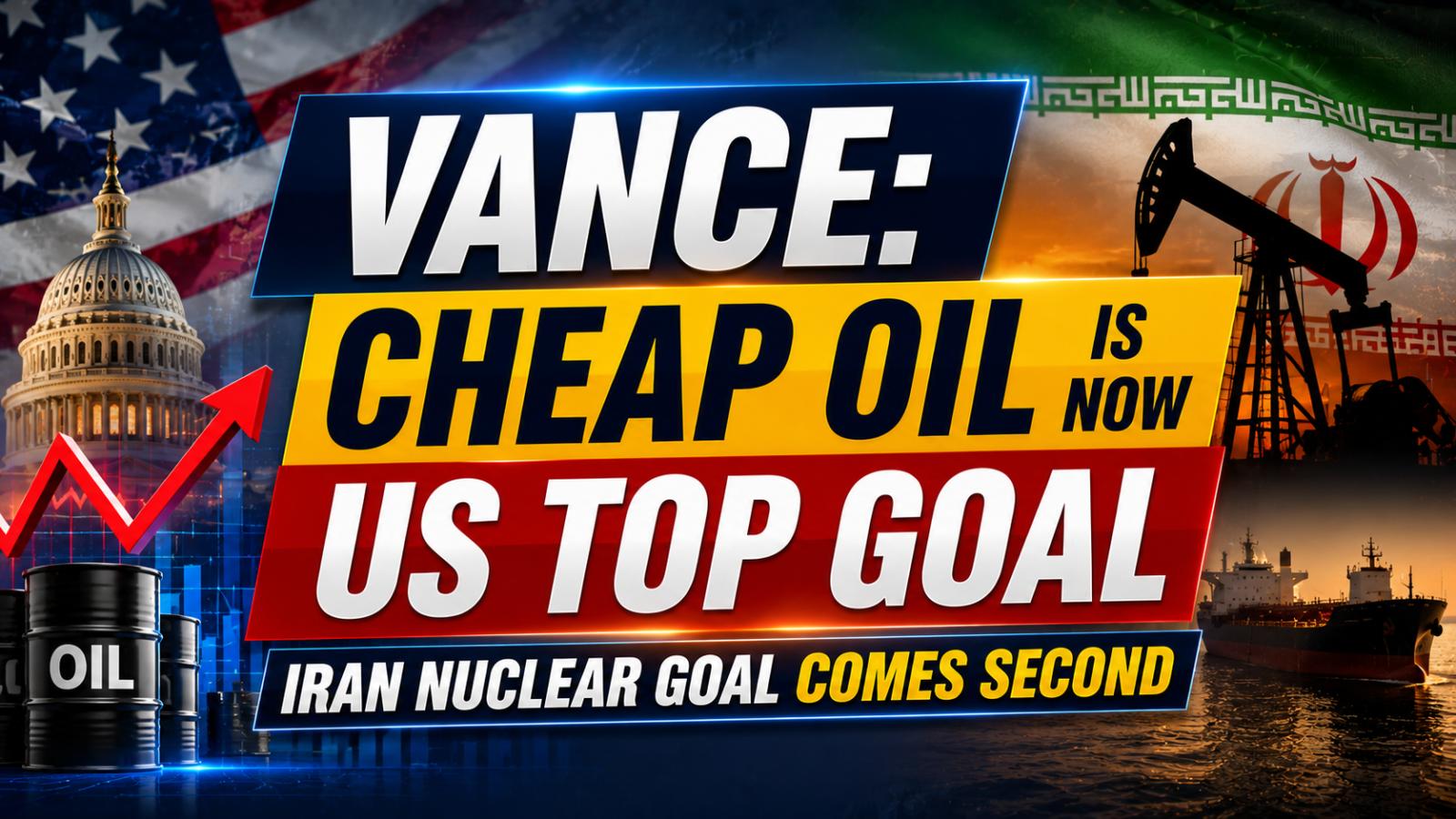
US Vice President JD Vance says Vance Iran war goals now place affordable oil and gasoline for Americans at the top of Washington’s priorities, followed by preventing Iran from acquiring a nuclear weapon. His remarks also put renewed focus on the Strait of Hormuz and its impact on energy markets.
Oil price goal moves to top of Vance’s priorities
Speaking in a Fox News interview on August 13, Vance said lower energy costs had become the administration’s immediate priority as the conflict with Iran continues. He said oil prices had fallen sharply from their early-war highs and described keeping oil and gas affordable for Americans as “goal number one.”
The comment is notable because President Donald Trump has repeatedly described preventing Iran from obtaining a nuclear weapon as a central objective of US policy. Earlier in the conflict, Vance himself said the core issue was ensuring Tehran could never acquire such a weapon.
The latest remarks do not mean Washington has abandoned that goal. Instead, they show that energy prices have become a more visible part of the administration’s public case for how the war should end.
Iran nuke goal remains central to US strategy
Vance identified preventing a nuclear-armed Iran as the administration’s second major objective. He said he remained confident the United States could achieve both stable energy prices and an outcome in which Iran does not obtain a nuclear weapon.
Trump has repeatedly linked any lasting settlement with Iran to restrictions on Tehran’s nuclear programme. Previous US-Iran negotiations have also focused on uranium enrichment, inspections and guarantees aimed at preventing the development of a nuclear weapon.
That means the shift in Vance’s wording is better understood as a change in emphasis rather than a formal abandonment of the administration’s nuclear policy.
Hormuz risk keeps energy prices at centre of conflict
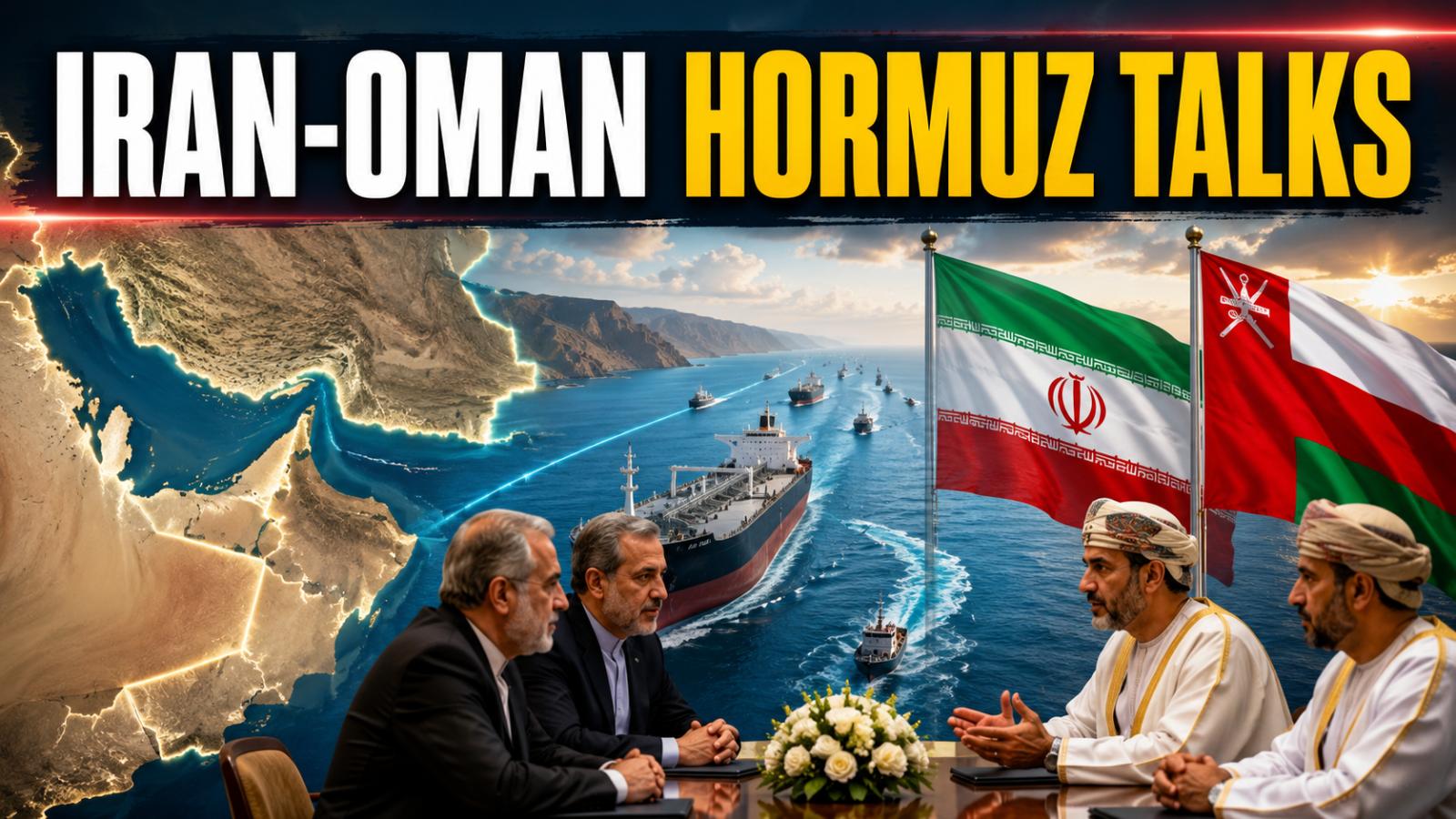
The Strait of Hormuz remains one of the most important pressure points in the war. The waterway normally carries a major share of global oil and liquefied natural gas shipments, making any disruption capable of quickly affecting international prices.
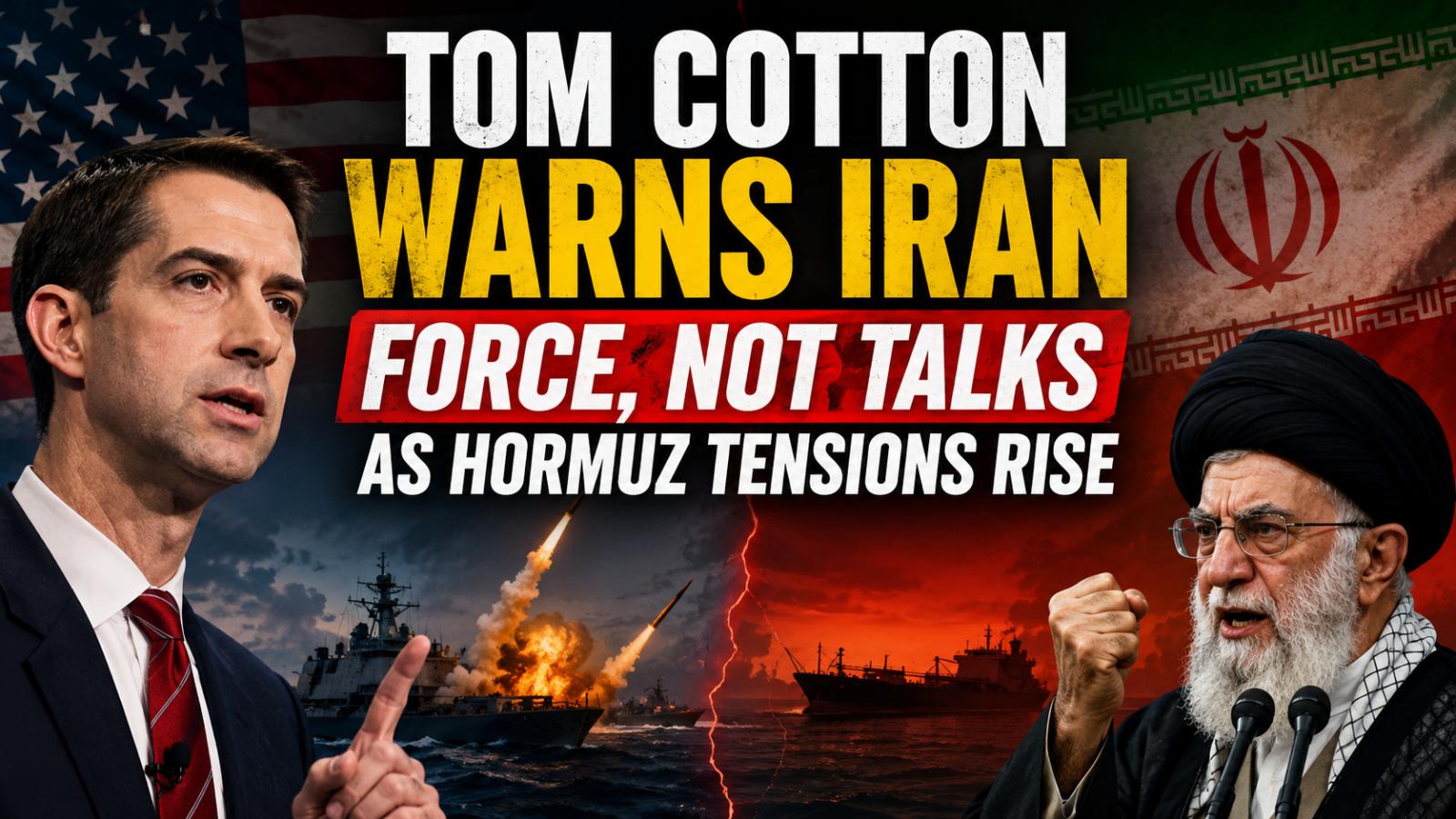
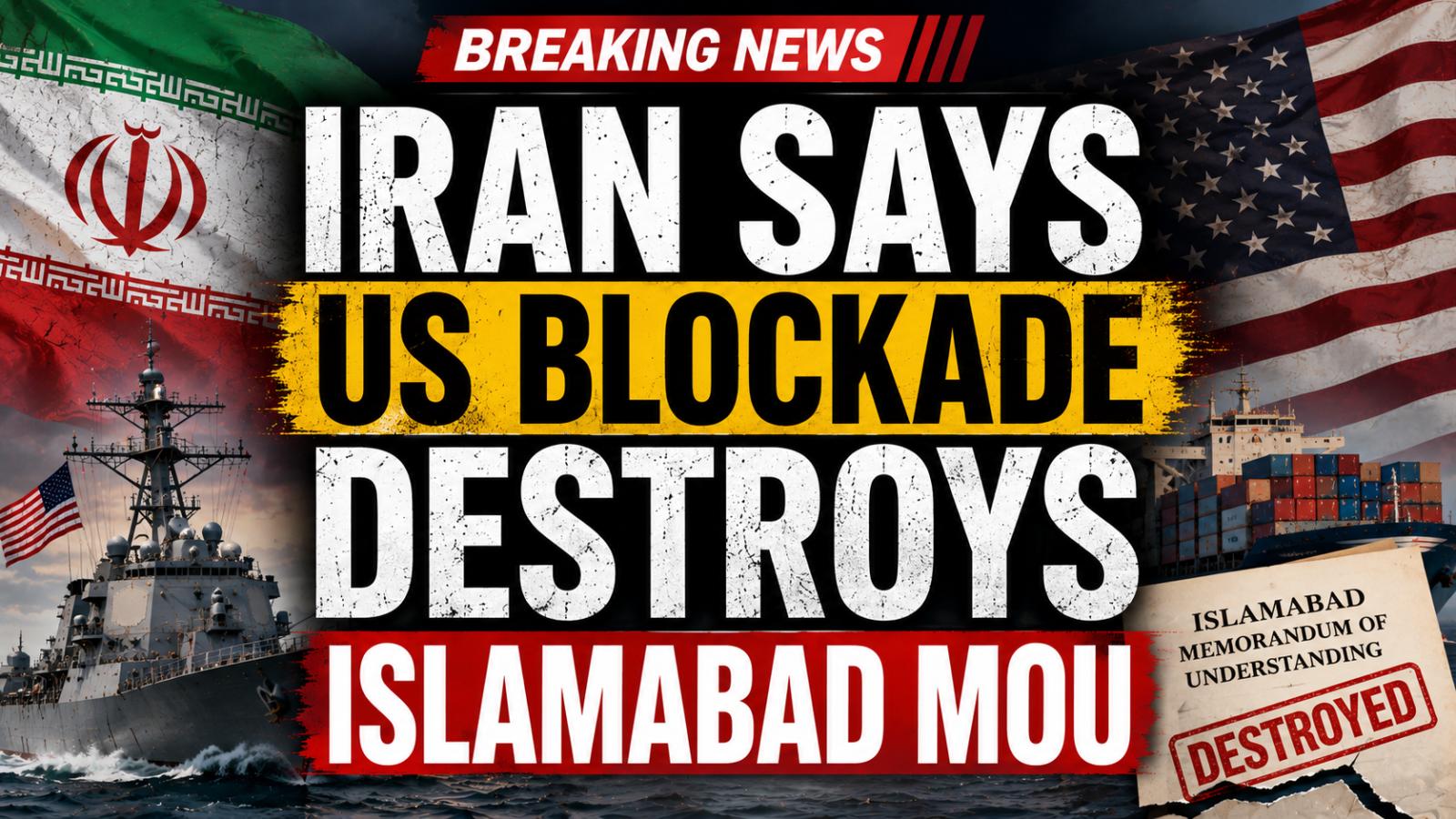
Shipping through the strait has remained heavily restricted during the conflict, while Washington and Tehran continue to dispute control and the terms under which normal traffic could resume. Iran said on August 13 that the waterway remained under its control, while Trump claimed the United States had “total control.”
Vance said he expected the conflict to end with the Strait of Hormuz restored to a condition where oil and gas prices remain stable for Americans. His language stopped short of repeating earlier demands that the waterway immediately return to fully toll-free transit.
Trump options include military, diplomatic and economic pressure
Vance said Trump still has a broad set of tools available, including military, diplomatic and economic pressure. He described the president as operating with significant authority and said the administration was using those options selectively as circumstances changed.
The comments come as the White House faces both strategic and domestic pressures. The Iran conflict has disrupted energy markets, while gasoline prices remain politically sensitive ahead of the November midterm elections. Earlier in the war, Trump acknowledged that elevated oil and gasoline costs could become a political problem if the conflict dragged on.
Vance’s remarks therefore signal a broader calculation inside Washington. Preventing Iran from becoming a nuclear power remains a major security objective, but keeping energy costs under control has become equally important to the administration’s public strategy. How those goals are balanced will depend heavily on negotiations over the Strait of Hormuz and whether Washington can reduce regional tensions without surrendering its nuclear demands.