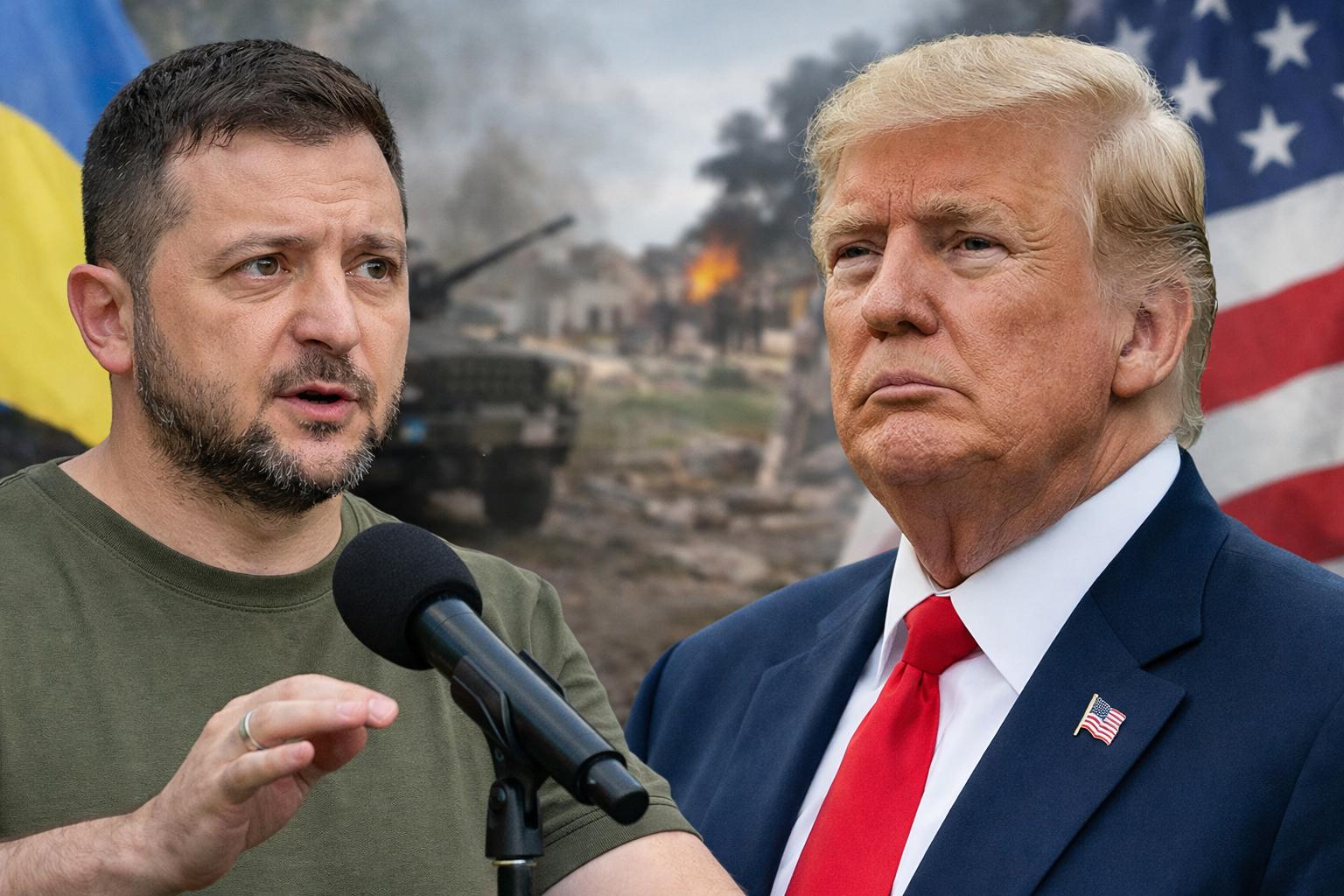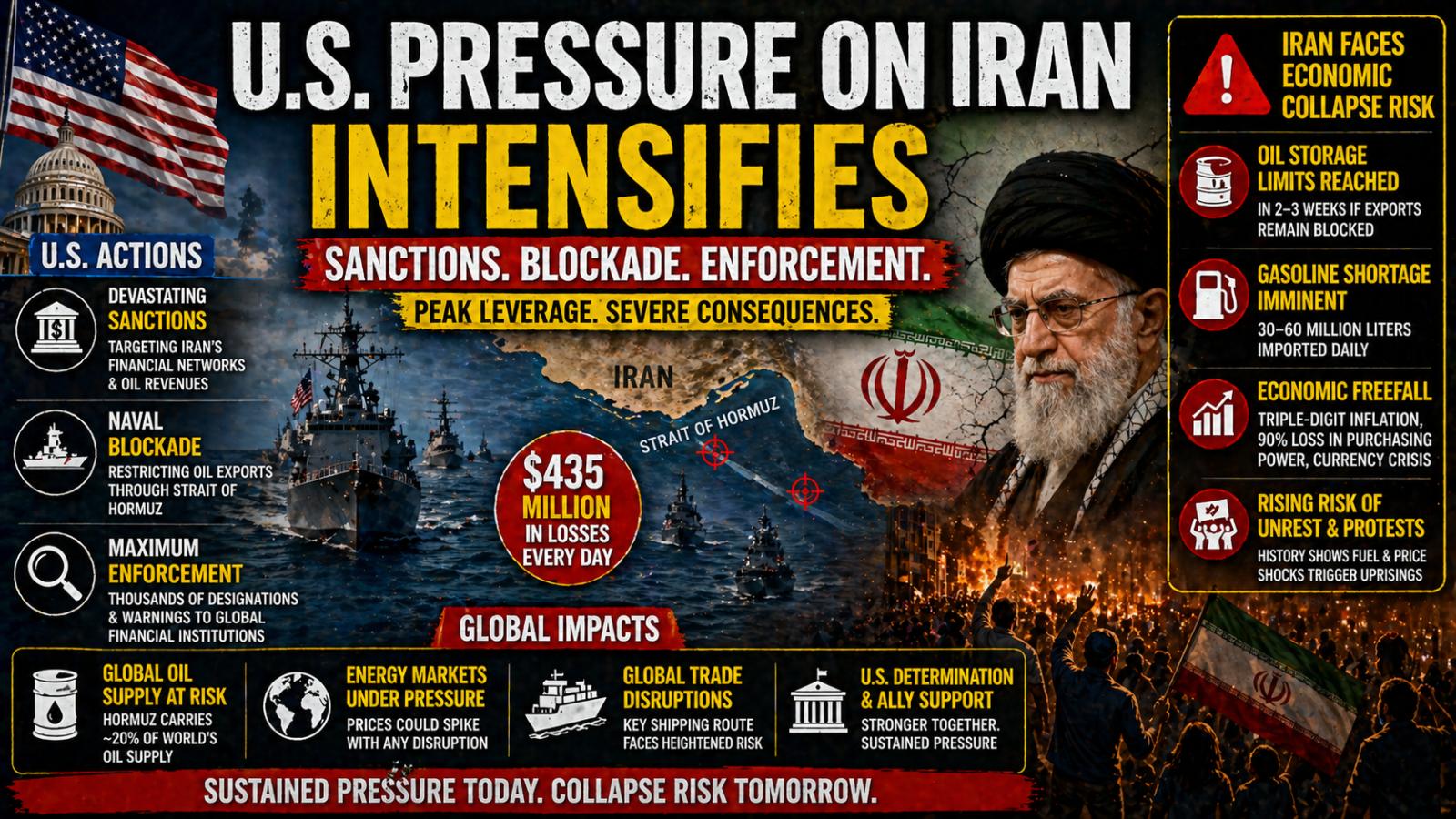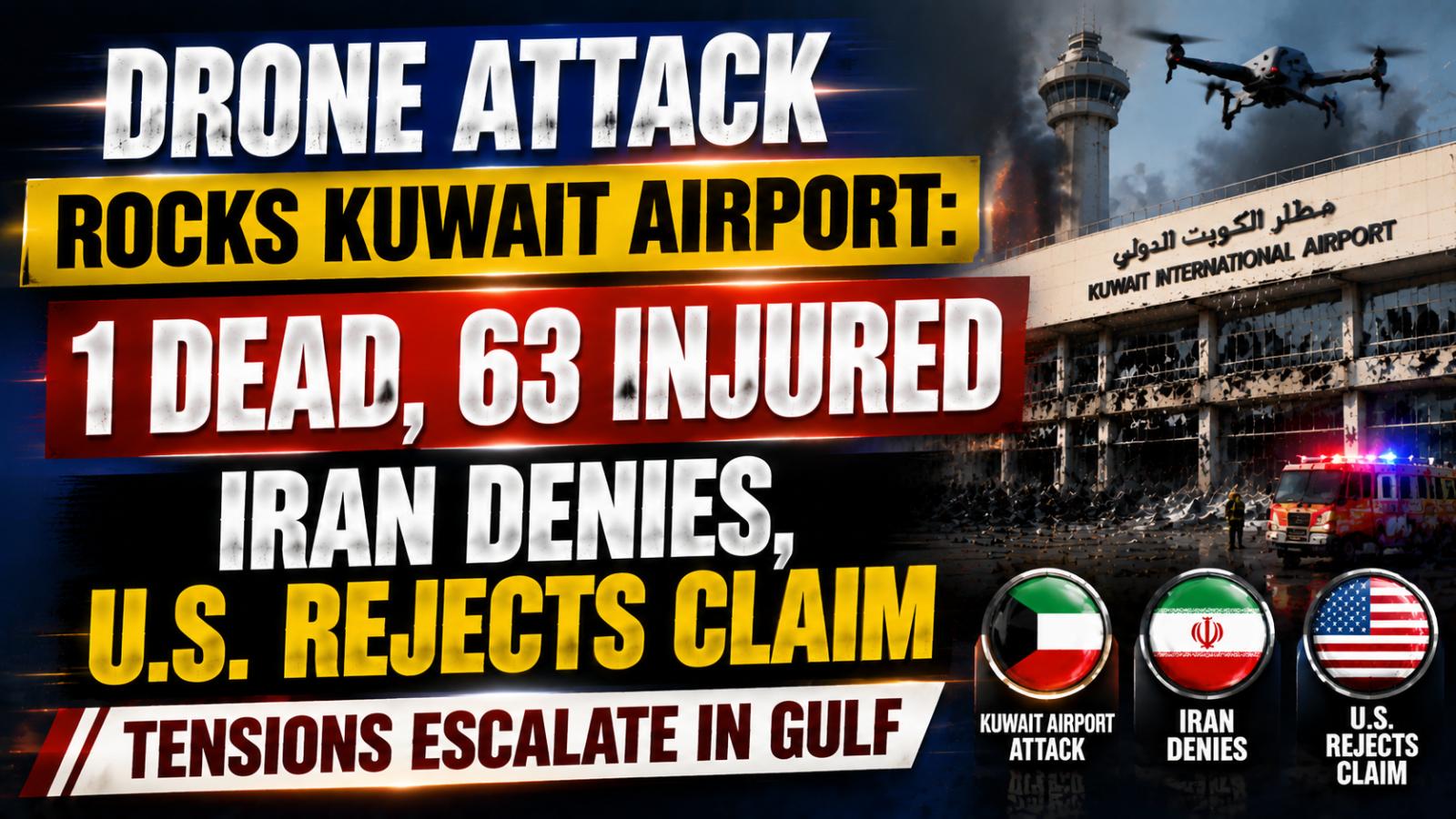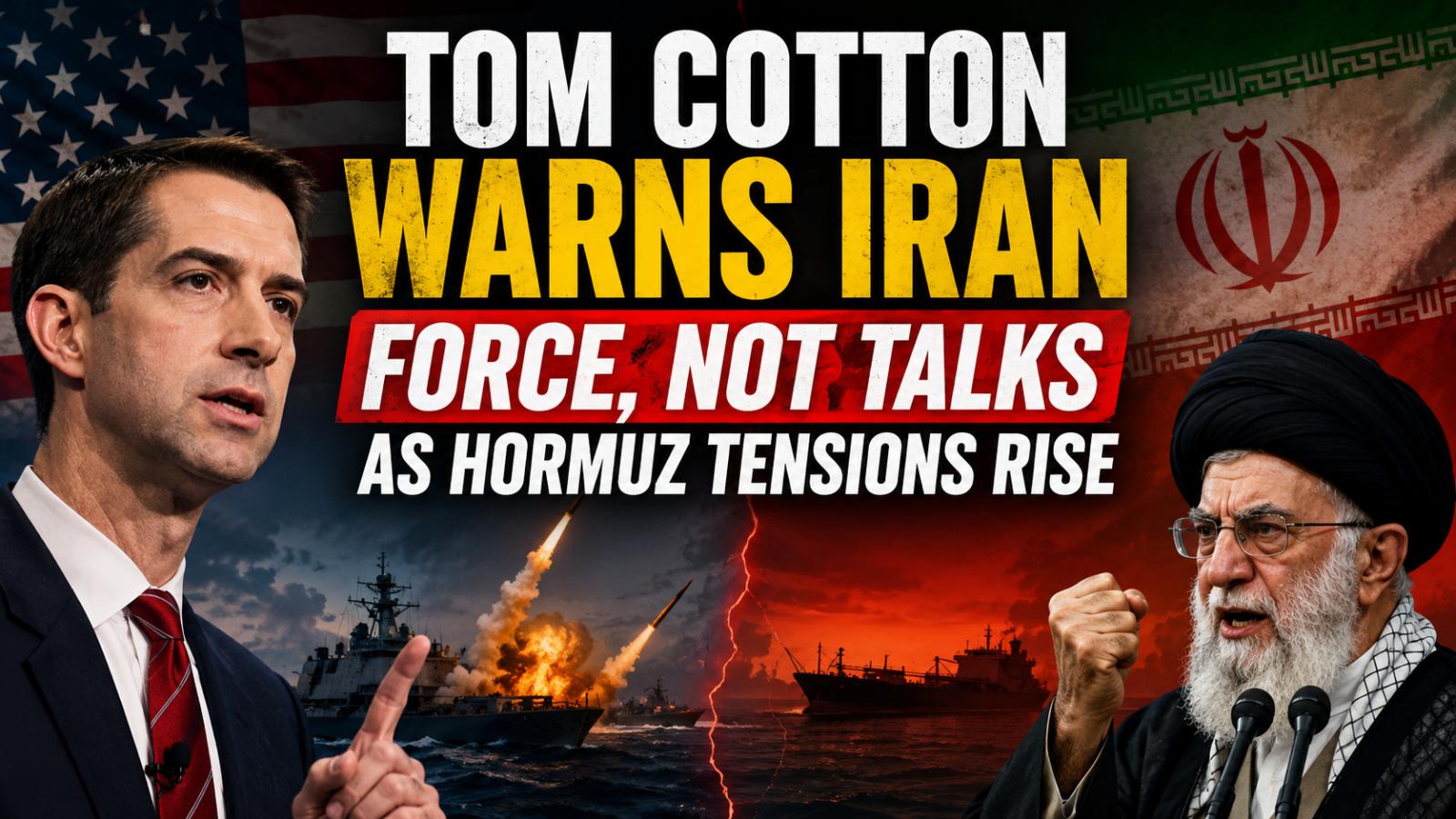
US Senator Tom Cotton has backed President Donald Trump’s military strategy against Iran, arguing that Tehran and its regional allies cannot be trusted to honour agreements. His remarks came as new US strikes and Iranian threats over the Strait of Hormuz pushed the conflict into a more dangerous phase.
Cotton Iran Remarks Target Tehran and Its Allies
Cotton issued the warning in a July 15 post on X. The Arkansas Republican accused Hezbollah, Hamas and the Houthis of lying, breaking agreements and negotiating in bad faith. He also urged Americans to take hostile statements from Iran’s leadership seriously.
Cotton said Trump was speaking “the only language Tehran understands: force.” The senator’s statement directly supported the administration’s decision to use military action rather than rely entirely on negotiations. Cotton has long promoted a hard-line approach towards Iran, but his latest intervention came during an active exchange of attacks and threats.
His comments represent his political assessment rather than an independently established conclusion about every negotiation involving Iran or its allied groups. That distinction matters because the United States and Iran have continued to exchange diplomatic messages even while their military confrontation has intensified.
Trump Policy Relies on Strikes and Military Pressure
Cotton’s remarks followed another wave of US military operations against Iranian targets. US Central Command said American forces struck coastal defence systems, missile facilities, drone infrastructure and other military capabilities linked to attacks on vessels using the Strait of Hormuz.
The administration has presented these operations as an attempt to protect commercial shipping and weaken Iran’s ability to disrupt maritime traffic. Trump has also warned that the United States could expand its target list unless Tehran returns to negotiations.
The military campaign has therefore become part of Washington’s negotiating strategy. Supporters such as Cotton argue that force can compel Tehran to change its behaviour. Critics of that strategy warn that repeated attacks could reduce the space for diplomacy, provoke wider retaliation and expose US personnel and regional partners to additional danger.
Hormuz Threat Deepens Regional Security Crisis
Iran has responded with its own warnings. IRGC Navy commander Ali Azmaei said Iranian forces would maintain their strategy of keeping the Strait of Hormuz closed while delivering severe blows against what he described as the aggressor enemy. His statement followed an earlier IRGC Navy announcement that the waterway would remain closed until further notice.
The Strait of Hormuz is central to global energy shipping, making any prolonged disruption a risk for oil supplies, commercial vessels and Gulf economies. Iran’s threat also raises the possibility that military action could spread beyond direct US-Iran exchanges and affect ships, ports and infrastructure belonging to other countries.
Iran Talks Face Shrinking Diplomatic Space
The competing statements show that Washington and Tehran are publicly prioritising deterrence over compromise. Cotton portrays military force as the most credible response to Iran, while Iranian commanders describe continued resistance and control of the Strait of Hormuz as strategic necessities.
Neither position proves that diplomacy has ended. However, continued strikes, shipping restrictions and retaliatory threats make negotiations harder and increase the risk of miscalculation. Any future report should clearly separate verified military announcements from political claims made by officials on social media.
Relevant internal links could direct readers to the Global Conflicts category, previous US-Iran strike reports, Strait of Hormuz explainers and articles covering the conflict’s effect on oil prices, shipping and Indian seafarers.