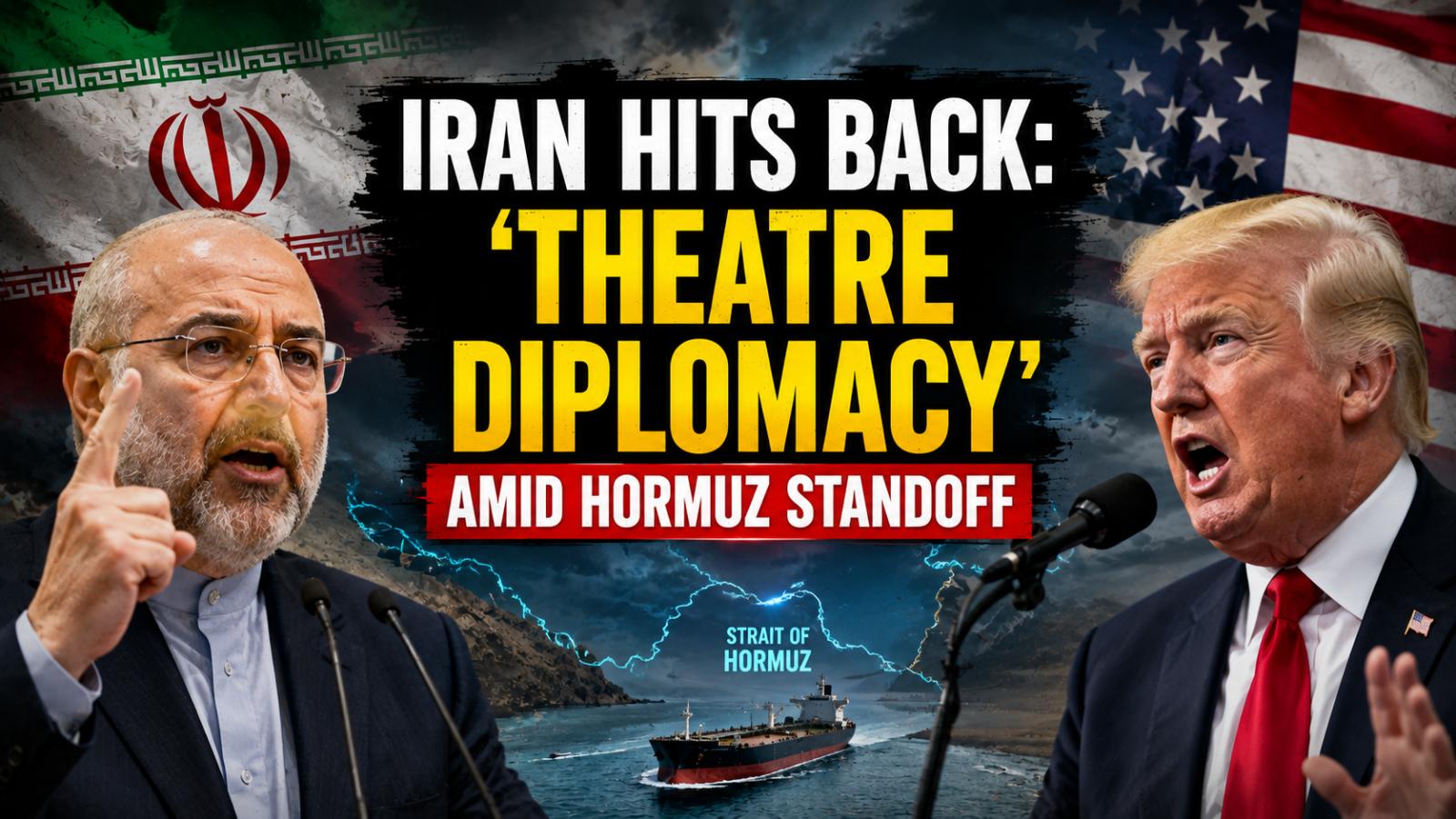
Iran has sharply criticised Washington’s handling of the latest Iran-US tensions, with Parliament Speaker and chief negotiator Mohammad Bagher Ghalibaf accusing the United States of practising “theatre diplomacy.” His remarks came as President Donald Trump expressed optimism about negotiations while Tehran continued to dispute Washington’s account of direct talks.
The conflicting statements highlight the deep mistrust surrounding efforts to ease the Strait of Hormuz crisis. Although diplomatic activity involving Iran, Oman and the United States has intensified, major disagreements remain over the strategic waterway and the wider conflict.
Theatre diplomacy claim targets US strategy
Ghalibaf attacked Washington’s combination of military threats and diplomatic overtures in a post on X on Thursday. He portrayed the approach as a cycle in which threats of major attacks are quickly followed by calls for negotiations.
“Using bullying + broken promises + fake news as leverage is a failed strategy,” Ghalibaf wrote, calling on Washington to honour its commitments and adding that Iran did not need “more theatre.”
His comments underline Tehran’s argument that negotiations cannot succeed while the United States simultaneously threatens military action. Iran has repeatedly accused Washington of using pressure to gain leverage at the negotiating table.
Ghalibaf’s remarks came as Trump said he believed the conflict could end soon and maintained that discussions involving Iran were progressing. The two governments, however, continue to describe the diplomatic process very differently.
Hormuz crisis remains at centre of dispute
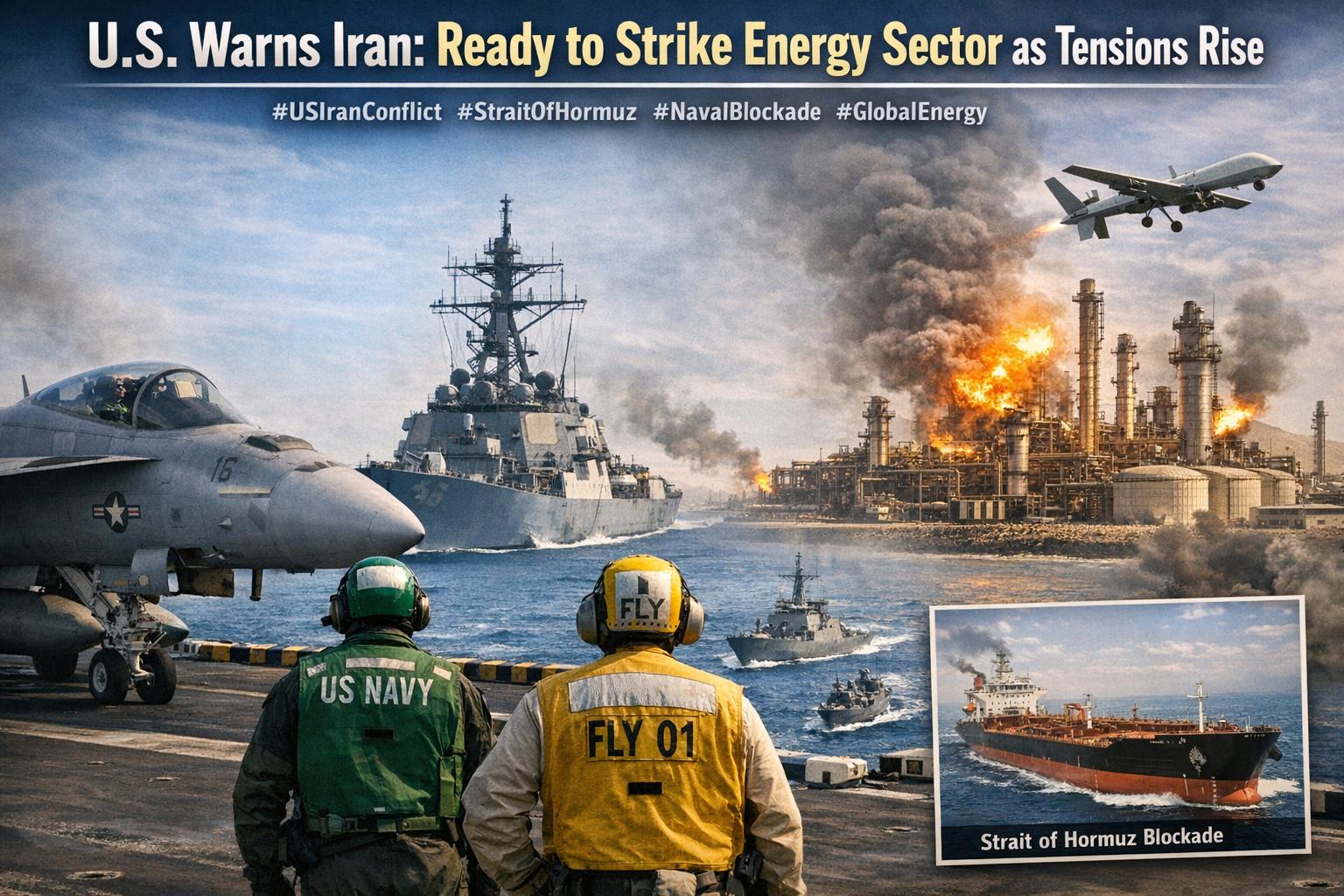
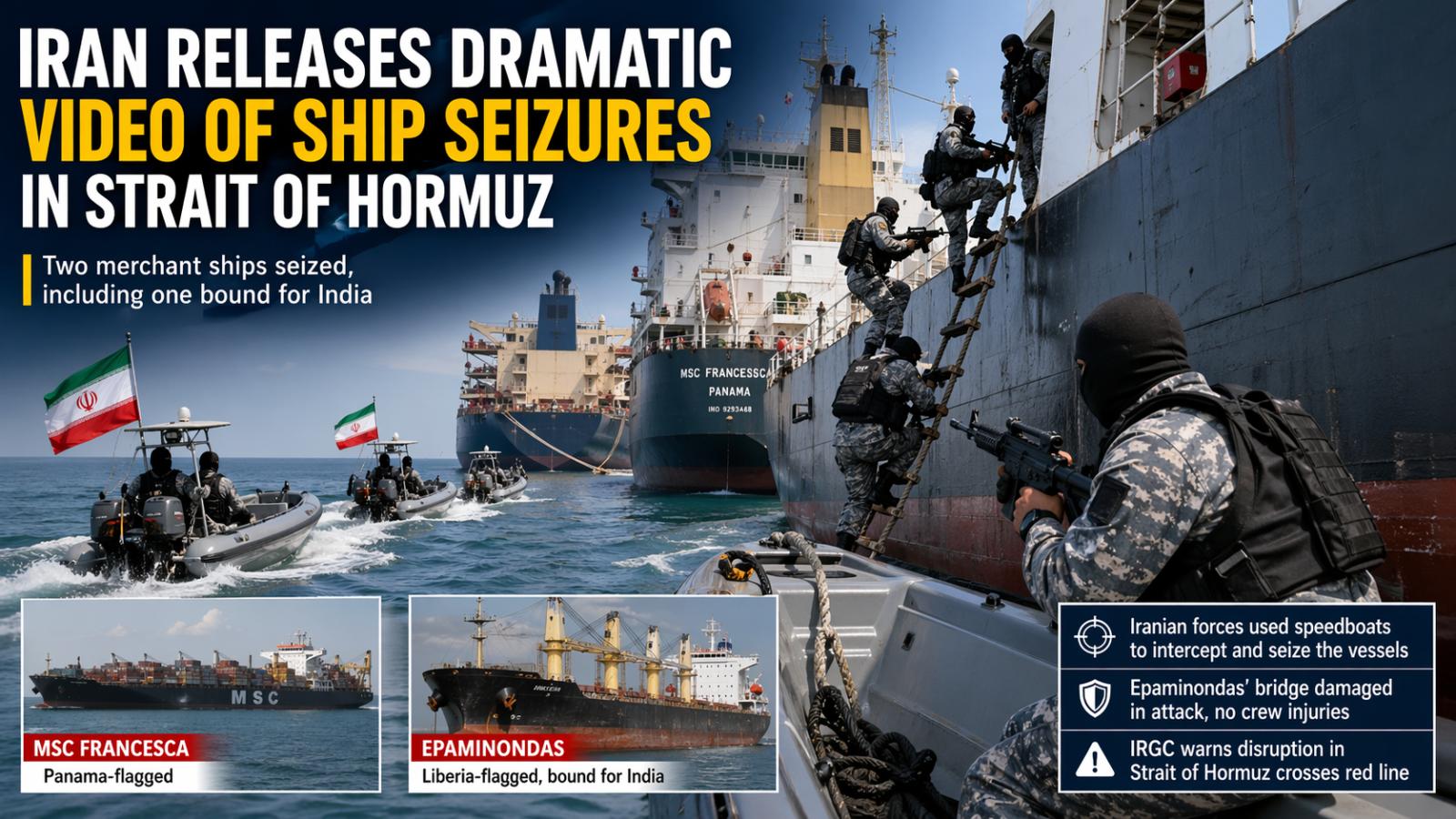
The Strait of Hormuz remains one of the central issues in the confrontation. The narrow waterway connects the Persian Gulf with the Gulf of Oman and serves as one of the world’s most important energy shipping routes.
Trump has repeatedly demanded that Iran restore normal navigation through the strait and has threatened further consequences if Tehran refuses.
Diplomatic efforts have nevertheless produced some movement. US Secretary of State Marco Rubio said progress had been made in Iran-Oman discussions concerning Hormuz, while stressing that no final agreement had been completed.
Separate reports indicate Iran and Oman have been working on the geographical coordinates of a potential maritime route. Such an arrangement could ease pressure on commercial shipping, but it would not by itself settle the broader dispute between Tehran and Washington.
Trump Iran talks disputed by Tehran
Trump has maintained that Washington is engaged in productive discussions connected to Iran and has suggested that Tehran wants an agreement.
Iran has publicly challenged that version of events. Foreign Ministry spokesperson Esmaeil Baqaei recently said Tehran was not holding direct negotiations with the United States and instead pointed to discussions with Oman over a temporary route through Hormuz.
This distinction is important. Diplomatic messages can move between governments through intermediaries even when officials deny holding formal direct negotiations.
The disagreement therefore does not necessarily mean that no communication exists. It does show that Washington and Tehran remain unwilling to publicly describe the diplomatic process in the same terms.
Iran military signals readiness amid US pressure
Alongside the diplomatic confrontation, Iranian officials have stressed that the country remains prepared for further military escalation.
Iran’s defence leadership has argued that the country can rely on its domestic defence industry to respond to external threats rather than depending heavily on imported weapons.
That message serves both a military and political purpose. Tehran wants to demonstrate that pressure will not force it into accepting US demands, while Washington is attempting to convince Iranian leaders that continued confrontation carries significant costs.
For now, neither side’s rhetoric suggests that the underlying Iran-US tensions have been resolved. Progress on a Hormuz arrangement could reduce immediate risks to global shipping, but the larger dispute over military action, sanctions and Iran’s nuclear programme remains unsettled.
Ghalibaf’s “theatre diplomacy” attack captures the central obstacle: Washington says diplomacy is advancing, while Tehran continues to question both the nature of those talks and whether the United States can be trusted to honour an eventual agreement.