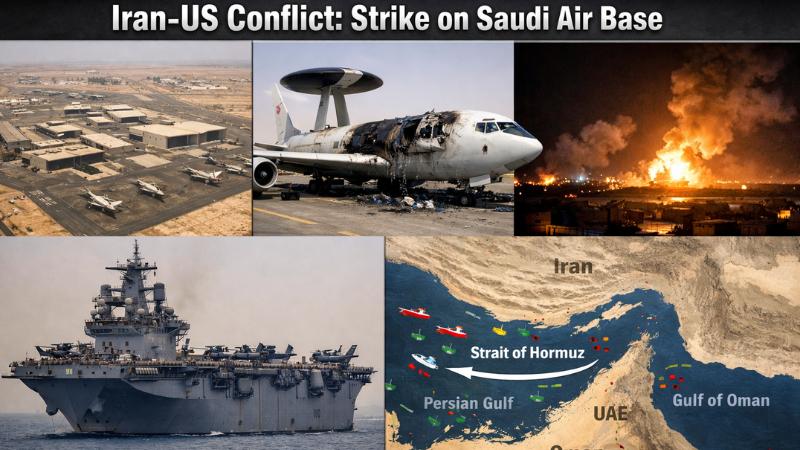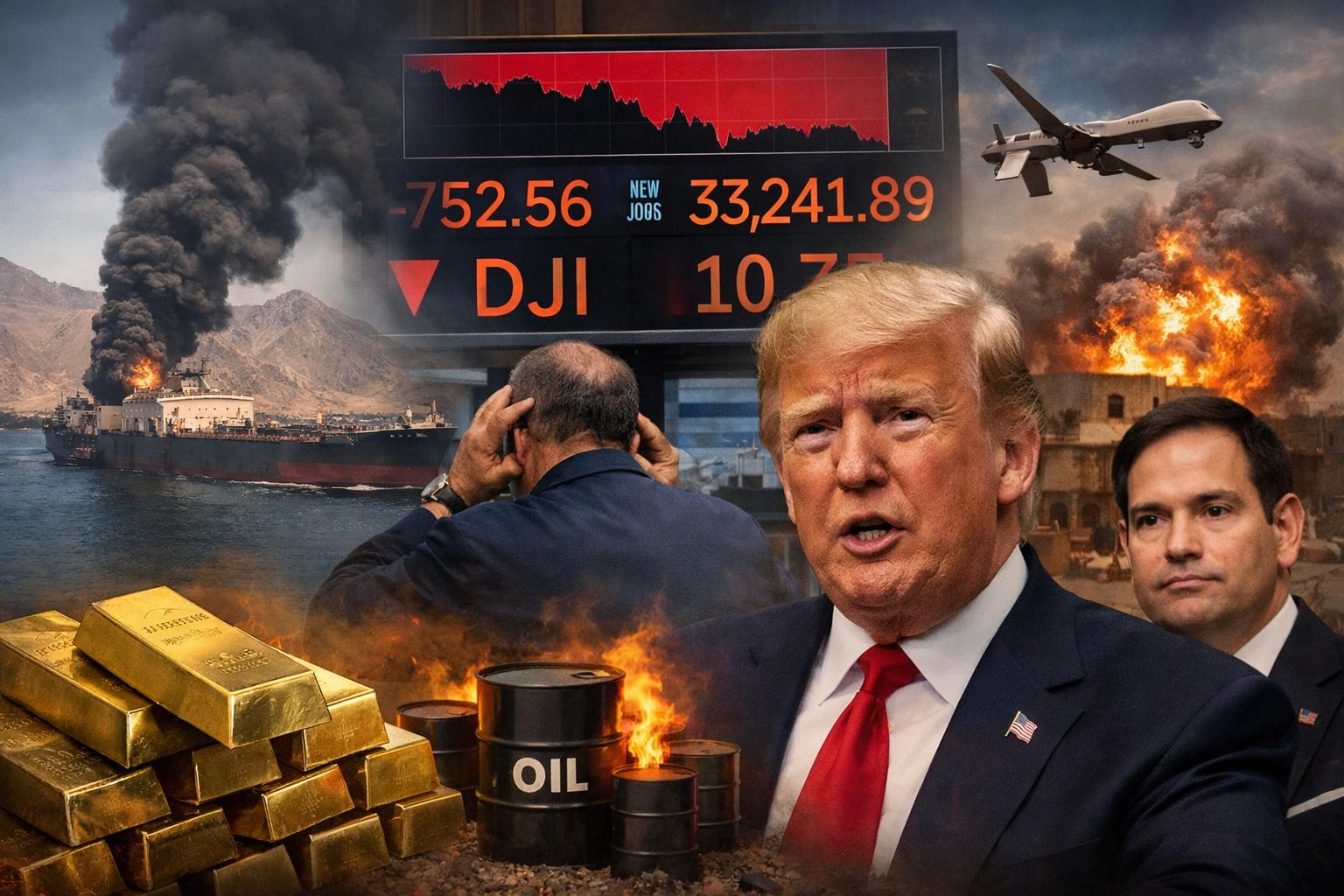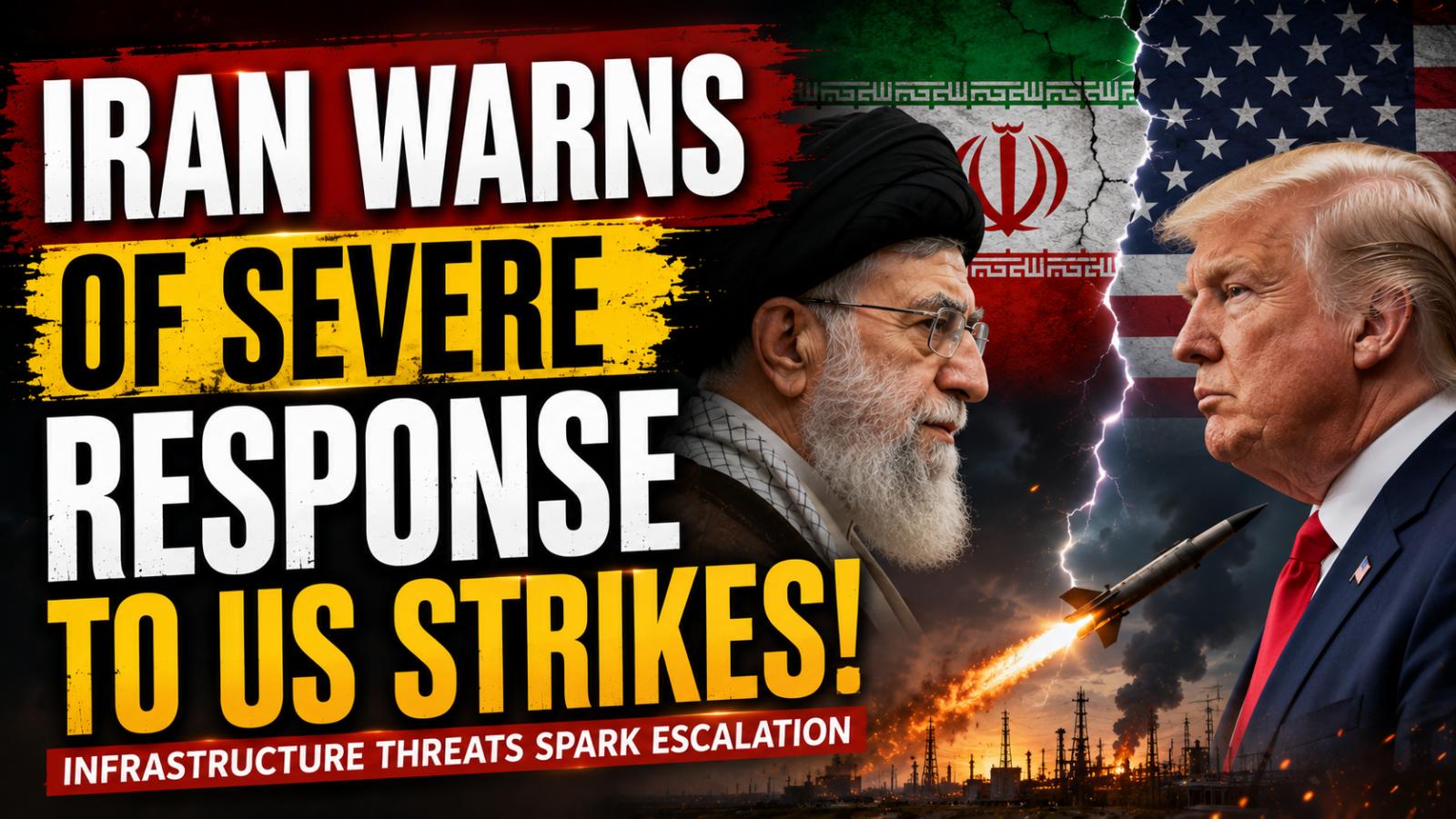
Iran warns of a severe response to US infrastructure strikes after President Donald Trump threatened to target bridges and power plants if Tehran attacks vessels in the Strait of Hormuz. The exchange marks another sharp escalation in tensions between Washington and Tehran, raising concerns over regional security and global energy supplies.
Trump threatens Iranian infrastructure attacks
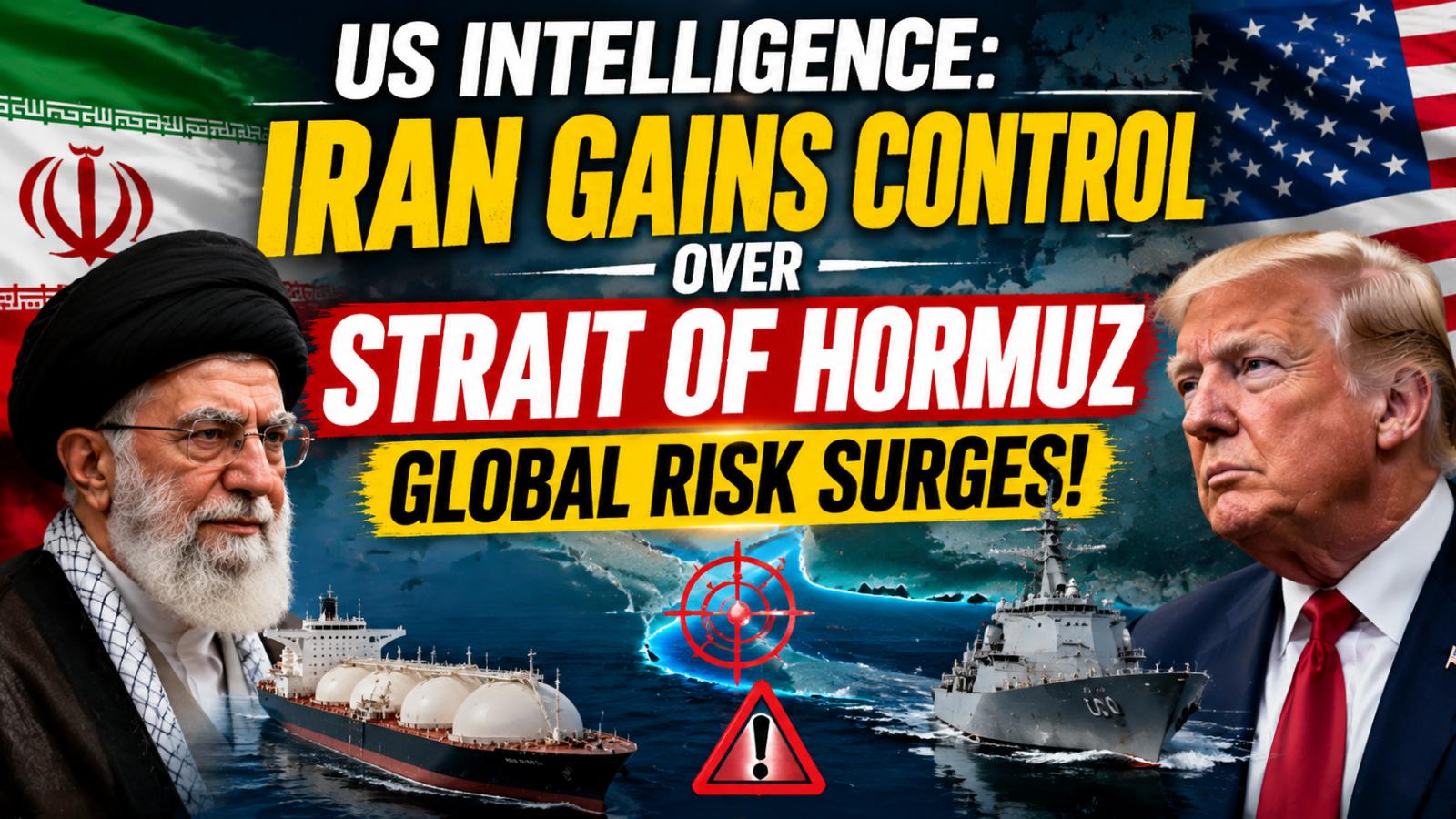
The war of words between the United States and Iran intensified on Wednesday, July 22, after President Donald Trump warned that the US would target Iranian infrastructure if Tehran continued attacks on commercial vessels transiting the Strait of Hormuz.
Speaking amid growing military tensions in the Middle East, Trump said the United States would "bomb and destroy one bridge or power plant" each time Iran targeted a ship using the strategic waterway. The statement signalled a tougher US position as Washington continues its military campaign against Iranian-backed threats in the region.
The Strait of Hormuz remains one of the world's most important maritime routes, carrying a significant share of global crude oil exports. Any threat to shipping through the narrow passage immediately attracts international attention because of its impact on energy markets and global trade.
Iran response to US strike warning
Iran quickly rejected Trump's warning and responded with its own threat of retaliation. Mohsen Rezaei, a senior military adviser to Supreme Leader Mojtaba Khamenei, accused the US president of making what he described as "fatal mistakes" in handling the confrontation with Tehran.
According to remarks carried by Iranian state media, Rezaei claimed Trump's recent statements reflected desperation rather than strength. He criticised Washington's approach to the conflict and argued that US threats against civilian infrastructure would only deepen regional instability.
Rezaei also referred to what he described as an attack on pilgrims in the Iranian border town of Shalamcheh, saying such incidents demonstrated what he characterised as increasingly aggressive US policies.
Strait of Hormuz security tensions
The Iranian official warned that any attack on the country's infrastructure would trigger a severe and escalating response. He stated that Iran would not remain passive if bridges, power plants or other strategic facilities became targets of US military action.
Although Tehran did not specify what form any retaliation might take, the statement reflected the increasingly confrontational rhetoric exchanged between both governments over recent weeks.
The latest developments come as security concerns continue to grow around the Strait of Hormuz. The waterway connects the Persian Gulf to global shipping lanes and remains essential for international oil exports. Any military confrontation in the area has the potential to disrupt commercial shipping, increase insurance costs and push global energy prices higher.
US Iran military confrontation
Relations between Washington and Tehran have deteriorated significantly as military operations expanded across the region. The United States has conducted multiple rounds of strikes targeting Iranian military infrastructure while also increasing operations against Yemen's Houthi movement following attacks on commercial vessels in the Red Sea.
US officials have consistently argued that protecting freedom of navigation and ensuring the safety of international shipping remain central objectives of current military operations. Iran, meanwhile, has accused Washington of escalating tensions and violating regional stability.
The exchange of increasingly forceful public statements illustrates how diplomatic communication has largely shifted toward deterrence and military signalling rather than negotiation.
Middle East conflict escalation
Security analysts warn that continued escalation between the United States and Iran could increase uncertainty across the Middle East, particularly if military actions begin targeting critical infrastructure. Such attacks could have consequences extending well beyond the immediate conflict by affecting energy markets, shipping routes and broader regional stability.
While neither government has indicated that diplomatic talks are currently underway, international observers continue to urge restraint as military operations and political rhetoric intensify.
The coming days are likely to be closely watched by governments, energy companies and financial markets, particularly for any further military developments involving the Strait of Hormuz or additional statements from Washington and Tehran. Whether the current confrontation remains limited to warnings and military signalling or develops into broader regional conflict will depend largely on decisions made by both sides in the weeks ahead.
The statements in this article are based on official remarks made by President Donald Trump and comments attributed to Iranian military adviser Mohsen Rezaei through Iranian state media.