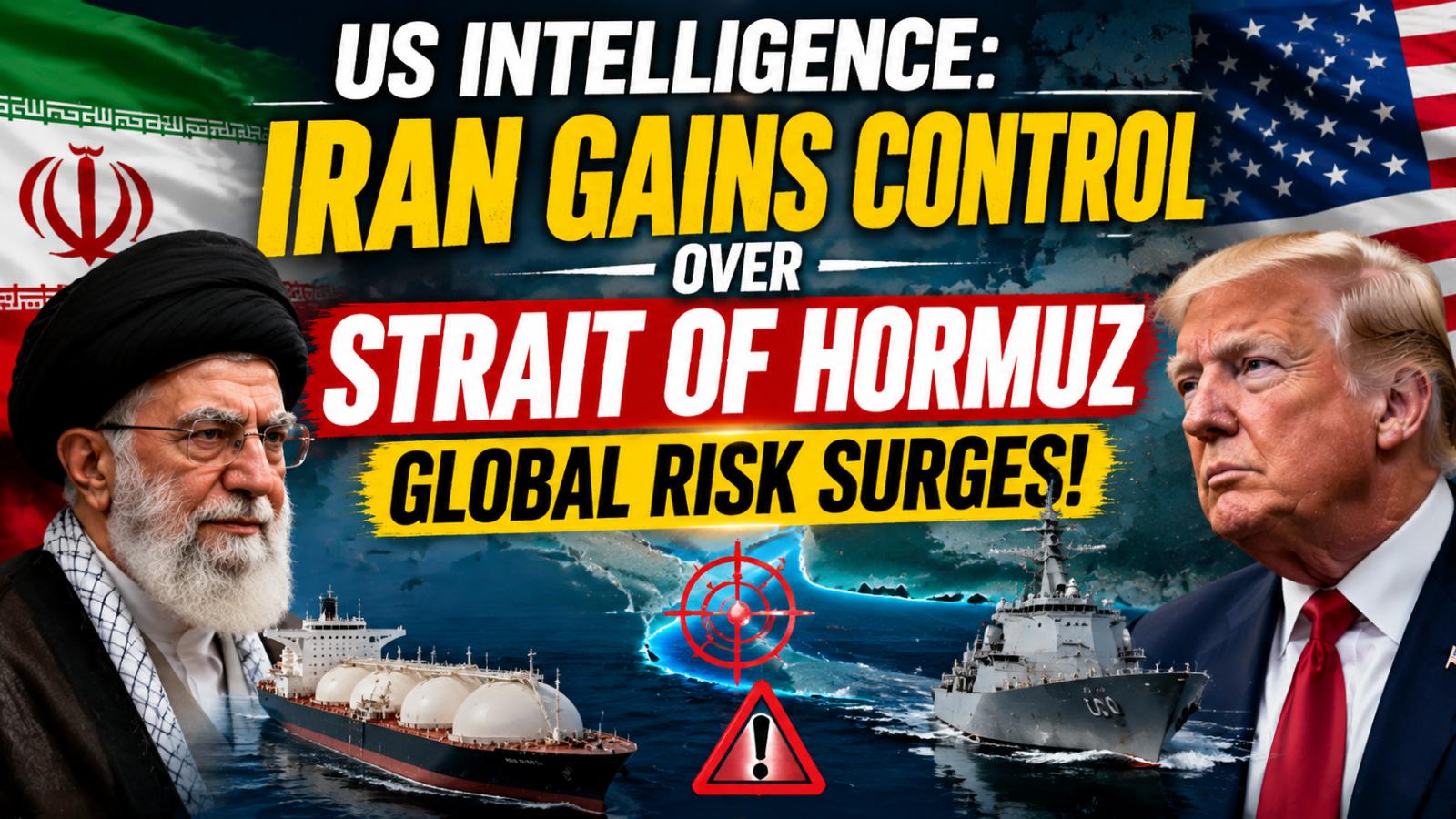
US Intelligence Flags Iran’s Strategic Leverage in Strait of Hormuz
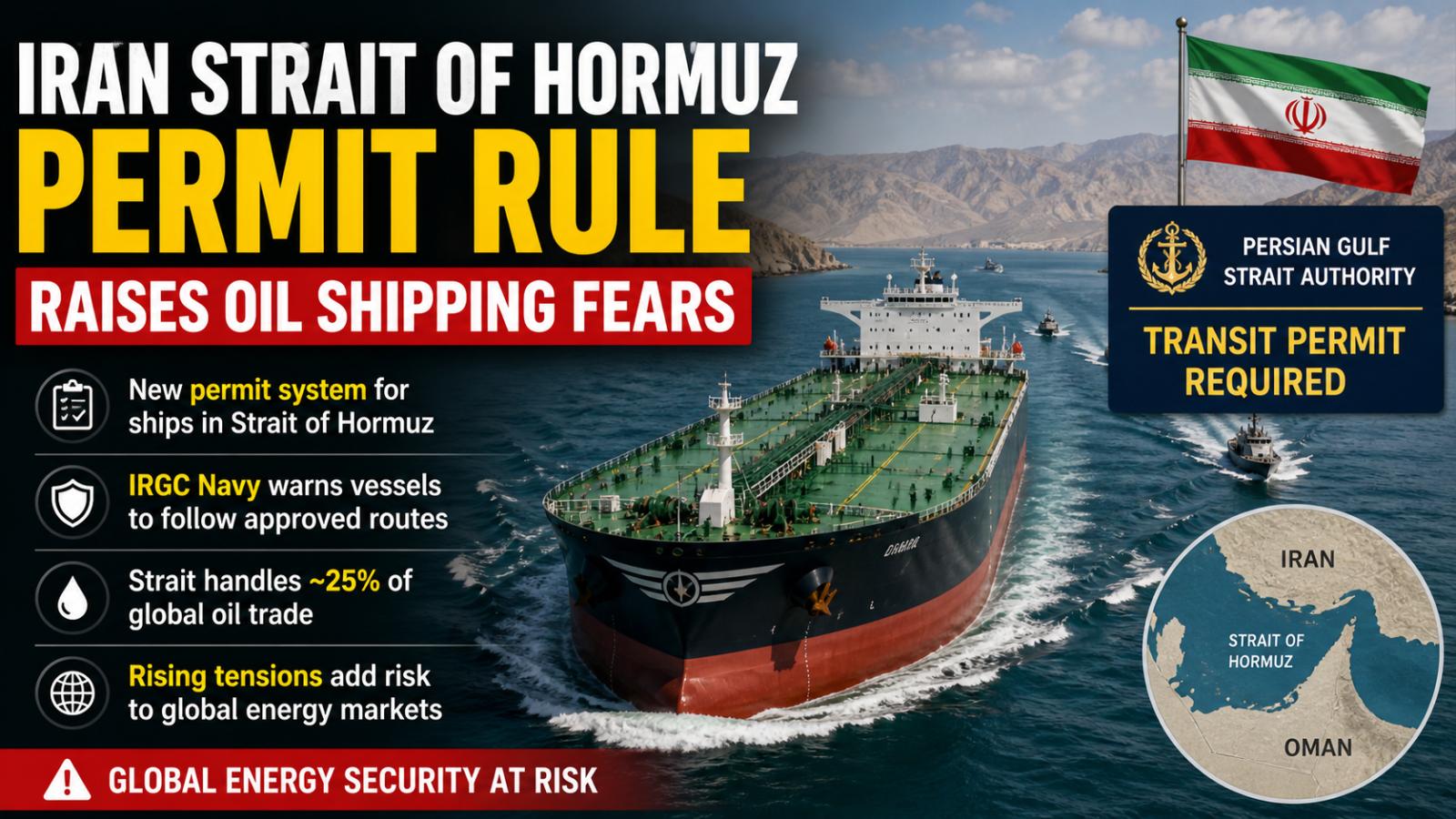
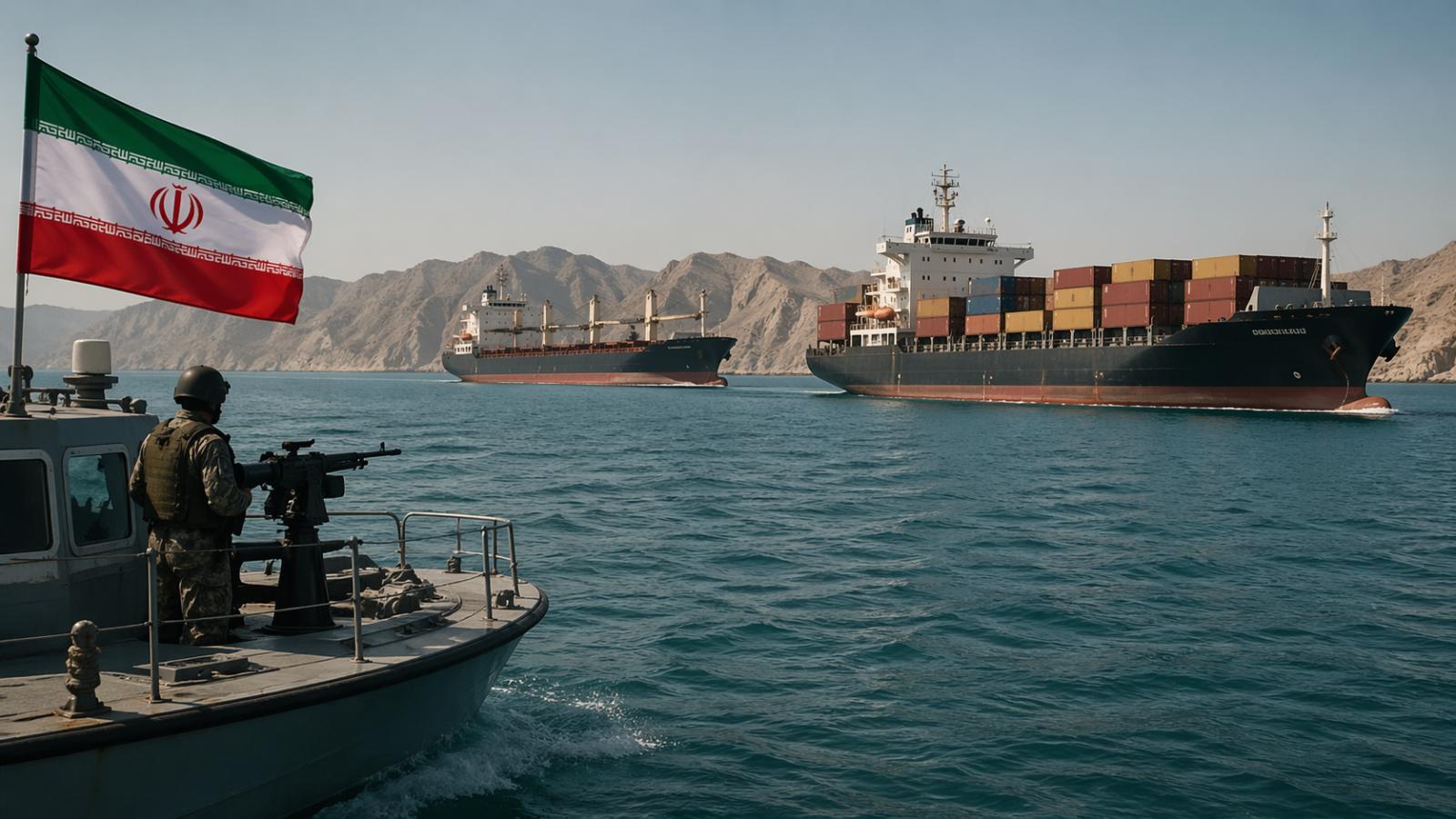
US intelligence agencies have assessed that Iran has gained significant leverage over the Strait of Hormuz following the recent conflict involving the United States and Israel, according to reports citing multiple sources. The assessment suggests that Tehran now holds the capability to disrupt or restrict movement through one of the world’s most critical oil shipping corridors, increasing its strategic influence over global energy flows.
Strategic Shipping Route Under Pressure
The Strait of Hormuz, which connects the Persian Gulf to global sea routes, is one of the most important chokepoints for global oil transportation. According to the intelligence evaluation, Iran demonstrated during the conflict that it could maintain operational influence in the region and potentially disrupt maritime traffic if required. The report indicates that this capability gives Tehran a powerful bargaining position in ongoing diplomatic discussions.
Link to Emerging US-Iran Understanding
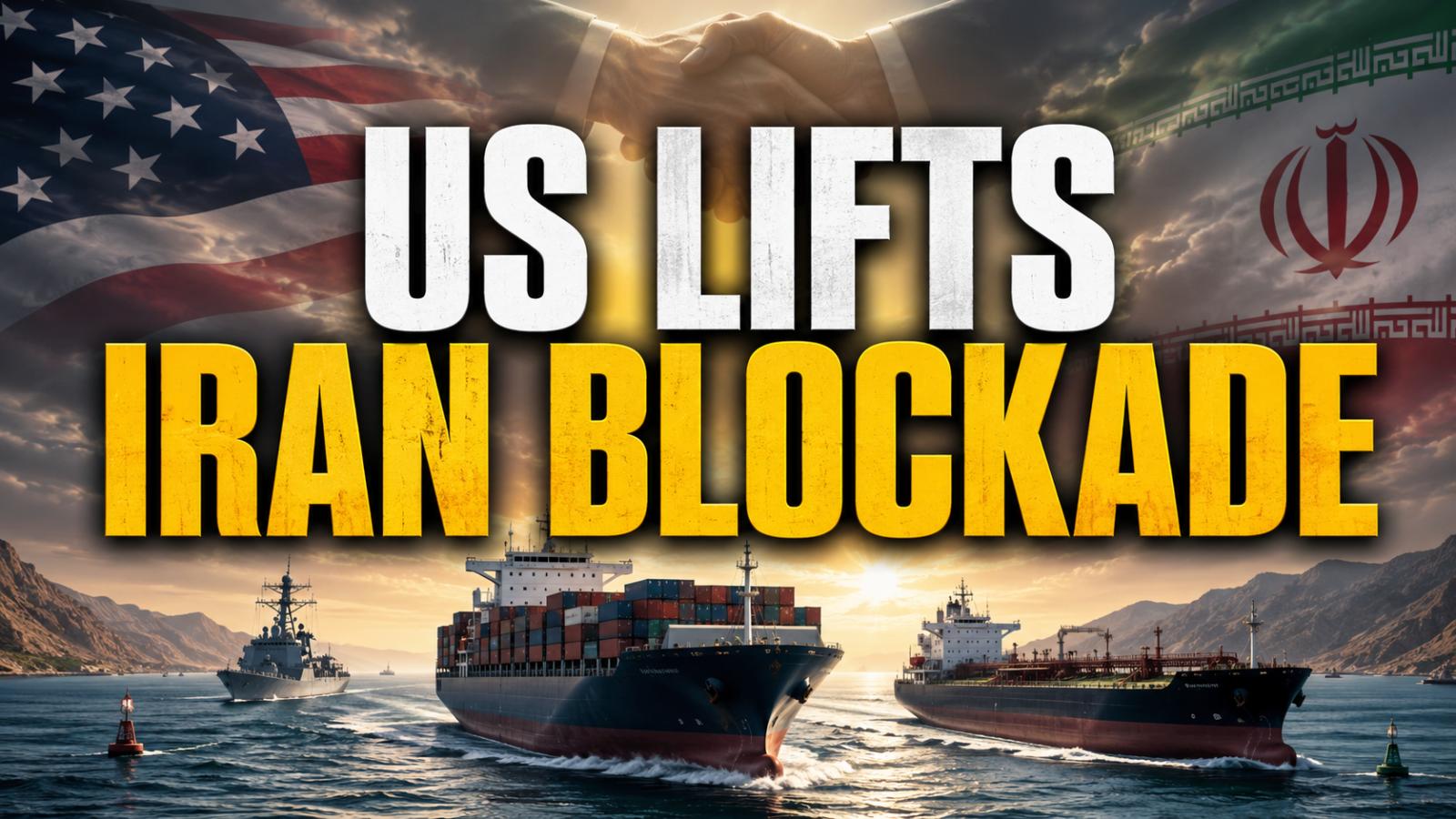
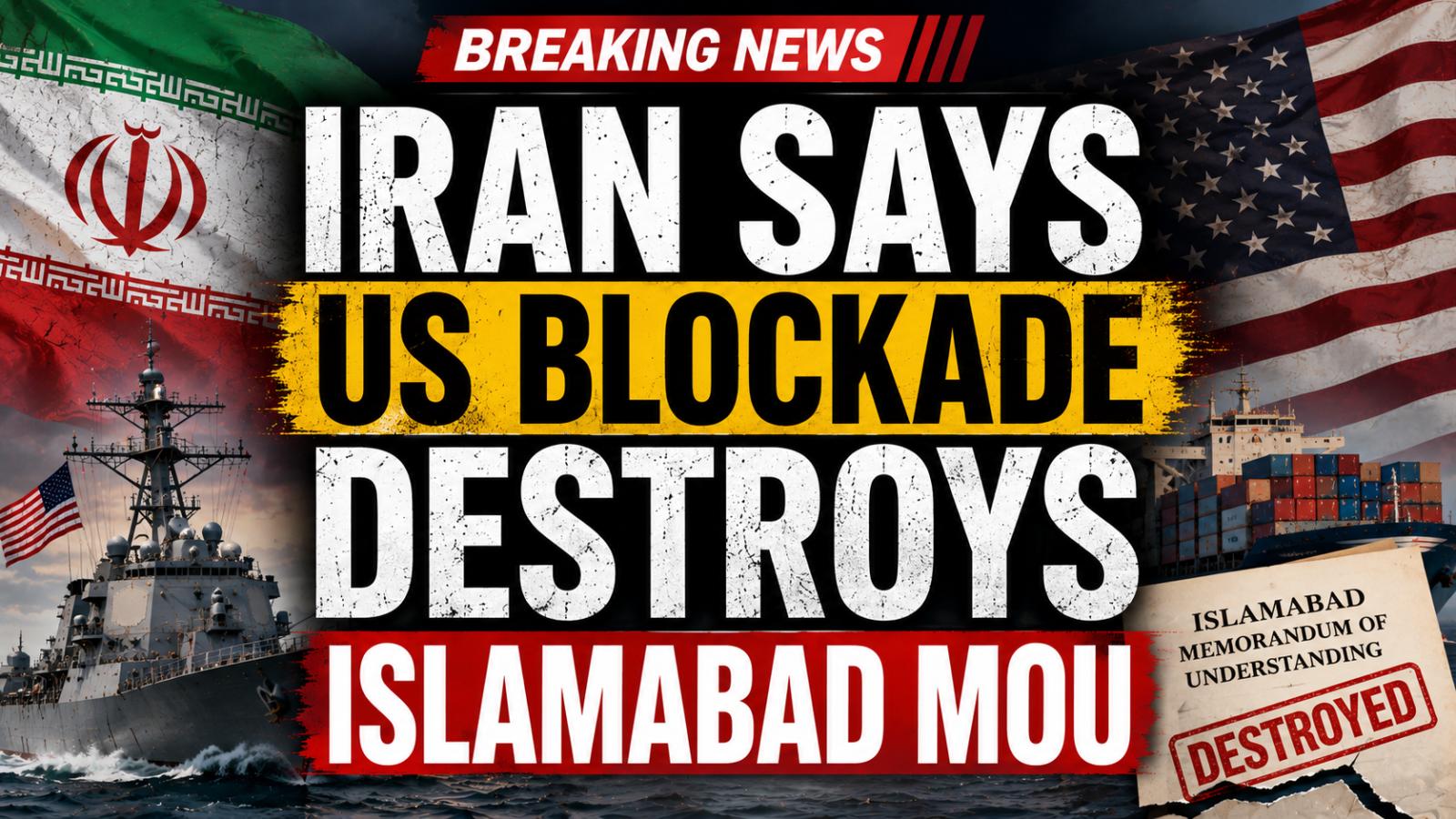
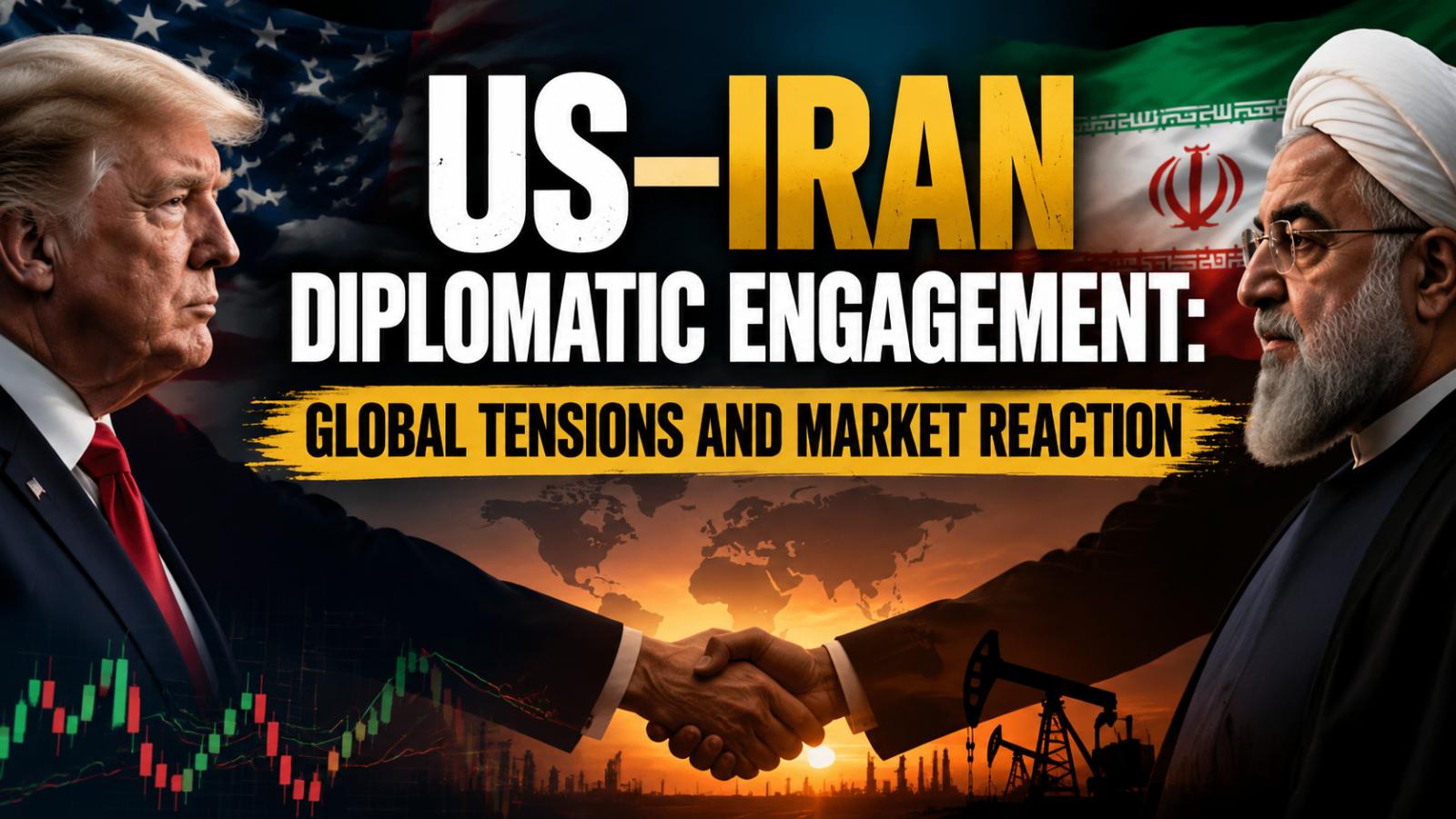
The development comes as Washington and Tehran move toward a memorandum of understanding expected to be signed later this week. The proposed framework reportedly focuses on reopening maritime traffic through the Strait of Hormuz as a precondition for further negotiations, including discussions on nuclear activity and sanctions relief. US officials have indicated that any economic or diplomatic benefits for Iran would depend on maintaining open shipping lanes and compliance with the agreement’s terms.
Energy Routes as Geopolitical Tools
US officials cited in reports emphasized that Iran’s ability to influence energy infrastructure across the Gulf region remains a key concern. During the conflict, Tehran reportedly demonstrated capacity to pressure regional energy systems, reinforcing its use of asymmetric strategies in geopolitical negotiations. Officials stressed that continued access to global shipping routes remains a central condition in any easing of US restrictions.
Wider Regional Implications
The intelligence assessment also raised concerns about broader escalation scenarios, including the possibility of indirect disruptions through allied proxy groups in the region. Analysts noted that alternative maritime routes such as the Bab el-Mandeb Strait could also be affected in a wider confrontation scenario, adding further complexity to global trade stability.
Political Messaging and Unresolved Risks
US President Donald Trump has stated that the Strait of Hormuz is gradually reopening and is expected to be fully operational following the signing of the agreement. However, officials have not clarified long-term enforcement mechanisms that would prevent future disruptions. The situation highlights continuing uncertainty around maritime security in the region and the strategic importance of energy corridors in US-Iran relations.