Iran sends seven conditions to US for talks to end war
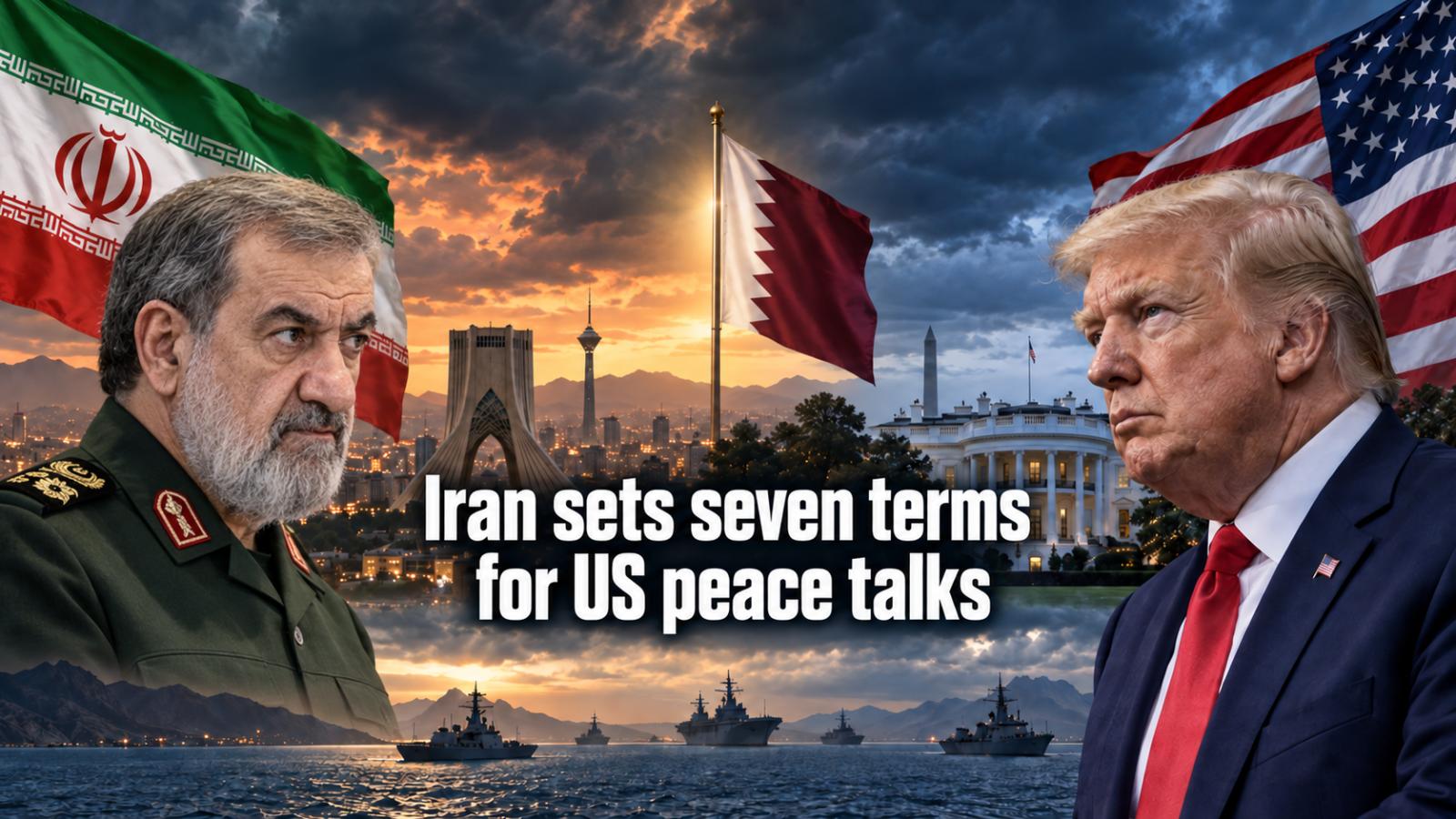
Iran has sent seven conditions to Washington through Qatar for reopening talks and ending the war, warning that it is ready for decisive conflict if its demands are rejected. Iran sends conditions through Qatar Mohsen Rezaei, secretary of Iran’s Supreme National Security Council, said Qatar had delivered Tehran’s conditions to Washington and Iran was awaiting President Donald Trump’s response. Rezaei named three demands: an end to fighting on all fronts,
Iran sends seven conditions to US for talks to end war
Iran has sent seven conditions to Washington through Qatar for reopening talks and ending the war, warning that it is ready for decisive conflict if its demands are rejected. Iran sends conditions through Qatar Mohsen Rezaei, secretary of Iran’s Supreme National Security Council, said Qatar had delivered Tehran’s conditions to Washington and Iran was awaiting President Donald Trump’s response. Rezaei named three demands: an end to fighting on all fronts,
Trump Dallas Speech Focuses on Economy and Iran Conflict
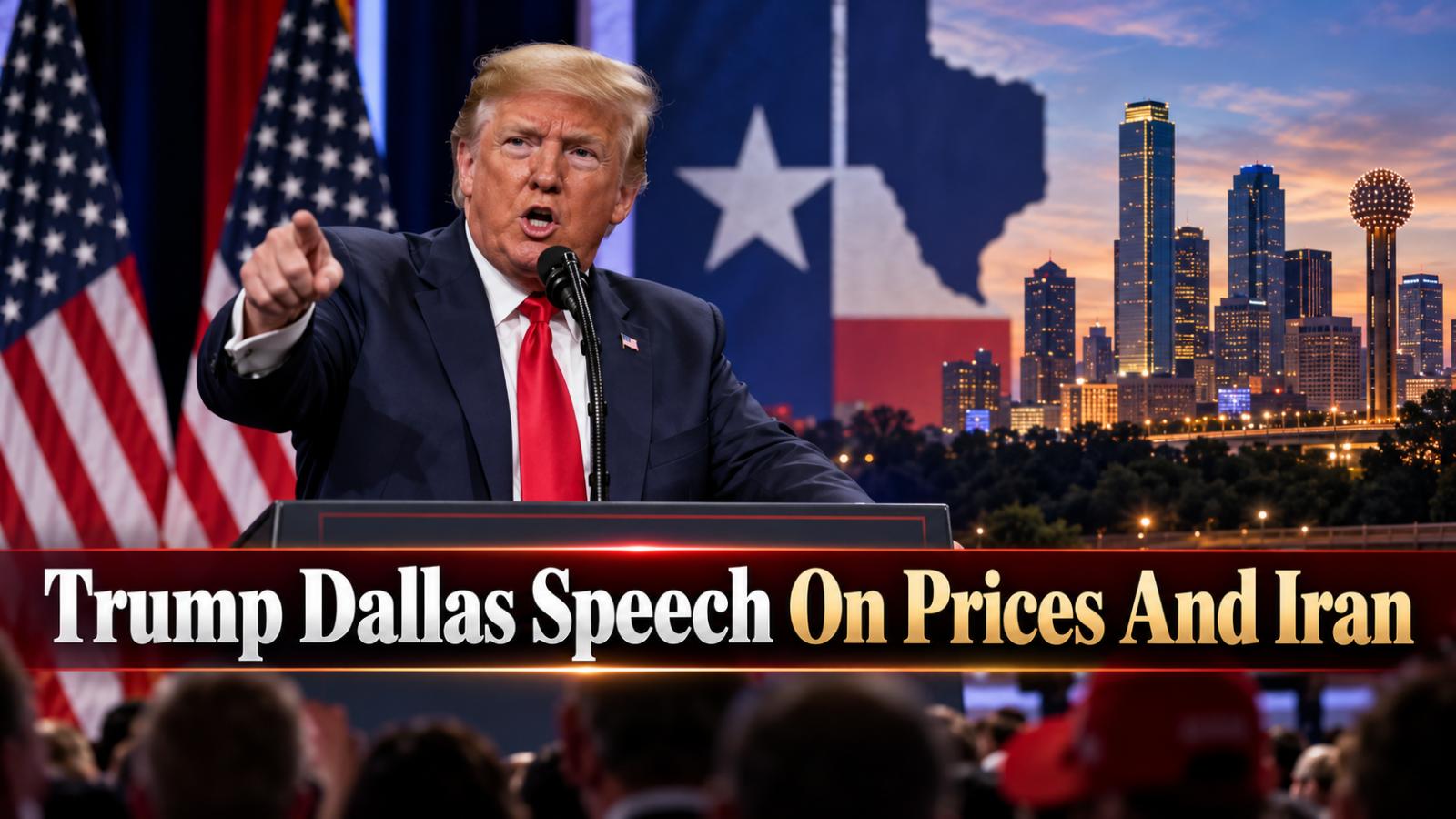
US President Donald Trump used his Republican midterm convention speech in Dallas to defend his economic policies, address rising oil prices and intensify his criticism of Iran. Speaking on September 9, Trump argued that previous administrations contributed to the affordability crisis while promising that his policies would eventually bring household and energy costs lower. Trump Dallas Speech Targets Affordability Crisis
Trump Dallas Speech Focuses on Economy and Iran Conflict
US President Donald Trump used his Republican midterm convention speech in Dallas to defend his economic policies, address rising oil prices and intensify his criticism of Iran. Speaking on September 9, Trump argued that previous administrations contributed to the affordability crisis while promising that his policies would eventually bring household and energy costs lower. Trump Dallas Speech Targets Affordability Crisis
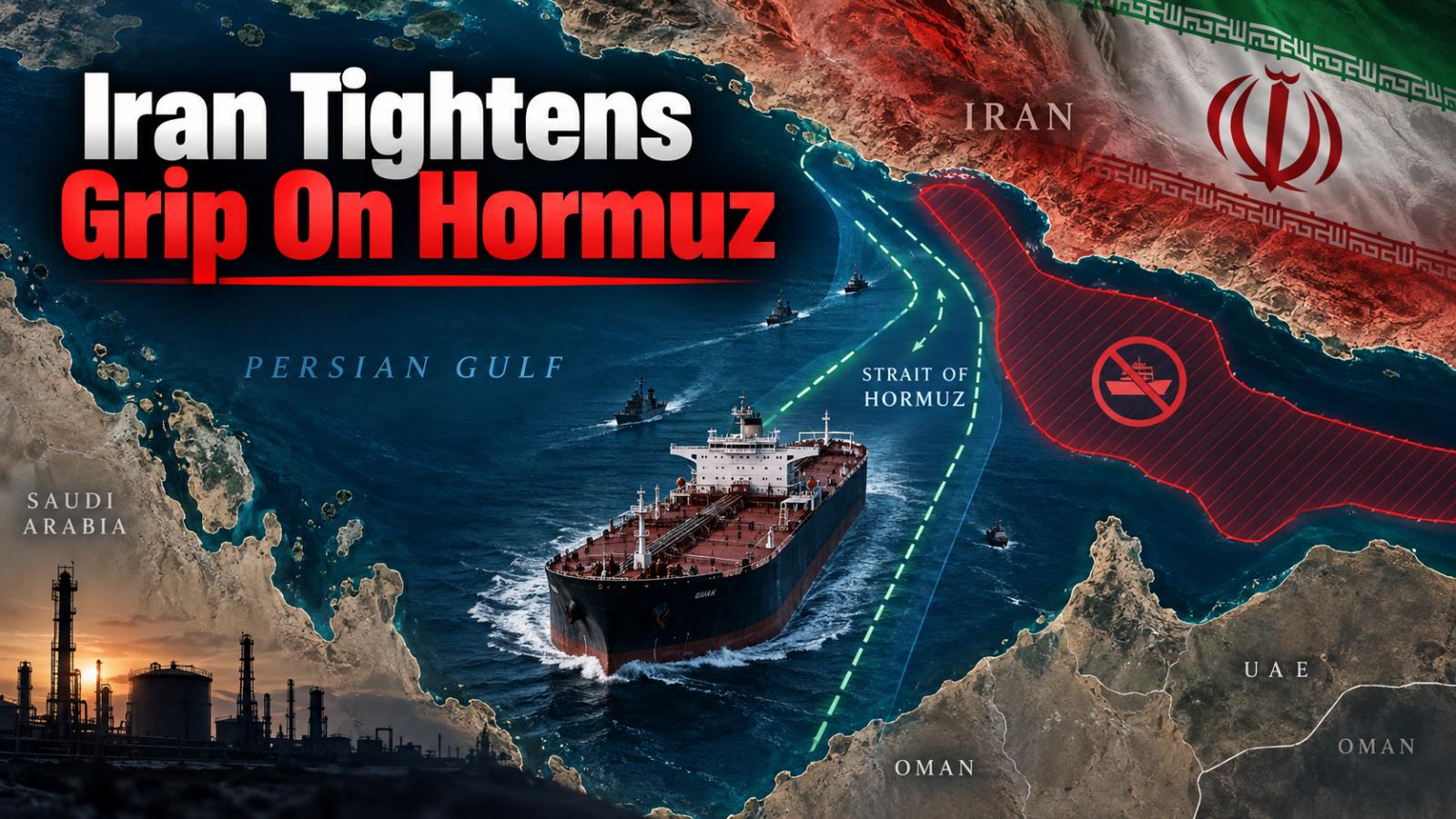
Iran Hormuz Shipping Corridor Deal With Oman Nears Approval
Iran says an Iran-Oman Hormuz shipping corridor could be formalized within days as Tehran prepares a new restricted maritime zone around the strategic waterway. The proposals could reshape Gulf shipping while tensions with the United States continue to disrupt commercial traffic. Iran Oman Hormuz Shipping Corridor Nears Agreement Iranian officials say Tehran and Muscat have agreed on maps for a
Iran Hormuz Shipping Corridor Deal With Oman Nears Approval
Iran says an Iran-Oman Hormuz shipping corridor could be formalized within days as Tehran prepares a new restricted maritime zone around the strategic waterway. The proposals could reshape Gulf shipping while tensions with the United States continue to disrupt commercial traffic. Iran Oman Hormuz Shipping Corridor Nears Agreement Iranian officials say Tehran and Muscat have agreed on maps for a
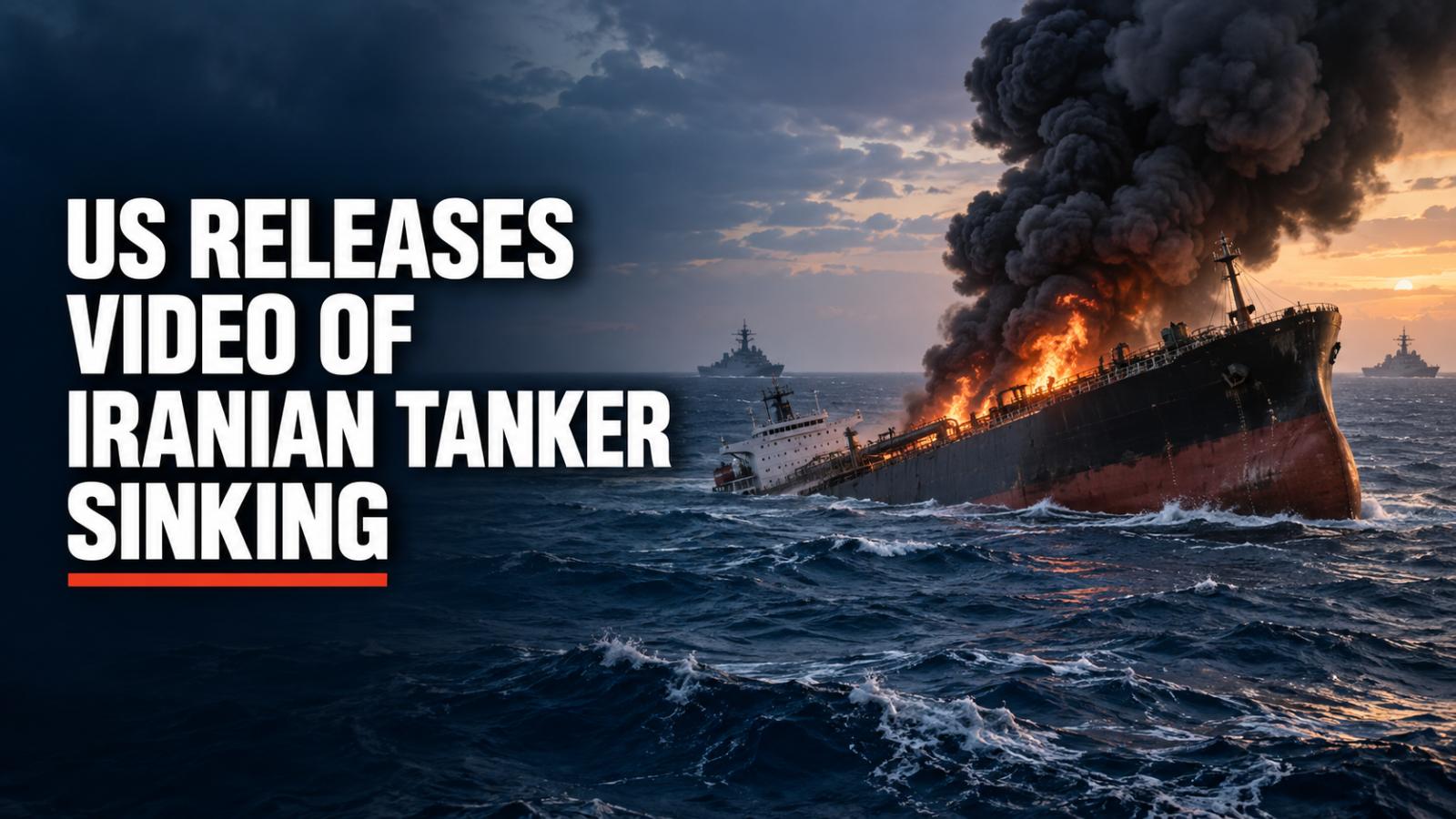
US Releases Video of Iranian Tanker Sinking in Gulf of Oman
CENTCOM released footage on Sunday, September 6, 2026, showing the M/T Kylo burning and sinking in the Gulf of Oman after a US strike. The incident followed US attacks on three Iranian tankers and intensified fears over regional shipping and oil trade. United States Central Command has released video showing the M/T Kylo, an Iranian-linked oil tanker also known as the Noxen, burning and sinking in the Gulf of Oman followi
US Releases Video of Iranian Tanker Sinking in Gulf of Oman
CENTCOM released footage on Sunday, September 6, 2026, showing the M/T Kylo burning and sinking in the Gulf of Oman after a US strike. The incident followed US attacks on three Iranian tankers and intensified fears over regional shipping and oil trade. United States Central Command has released video showing the M/T Kylo, an Iranian-linked oil tanker also known as the Noxen, burning and sinking in the Gulf of Oman followi
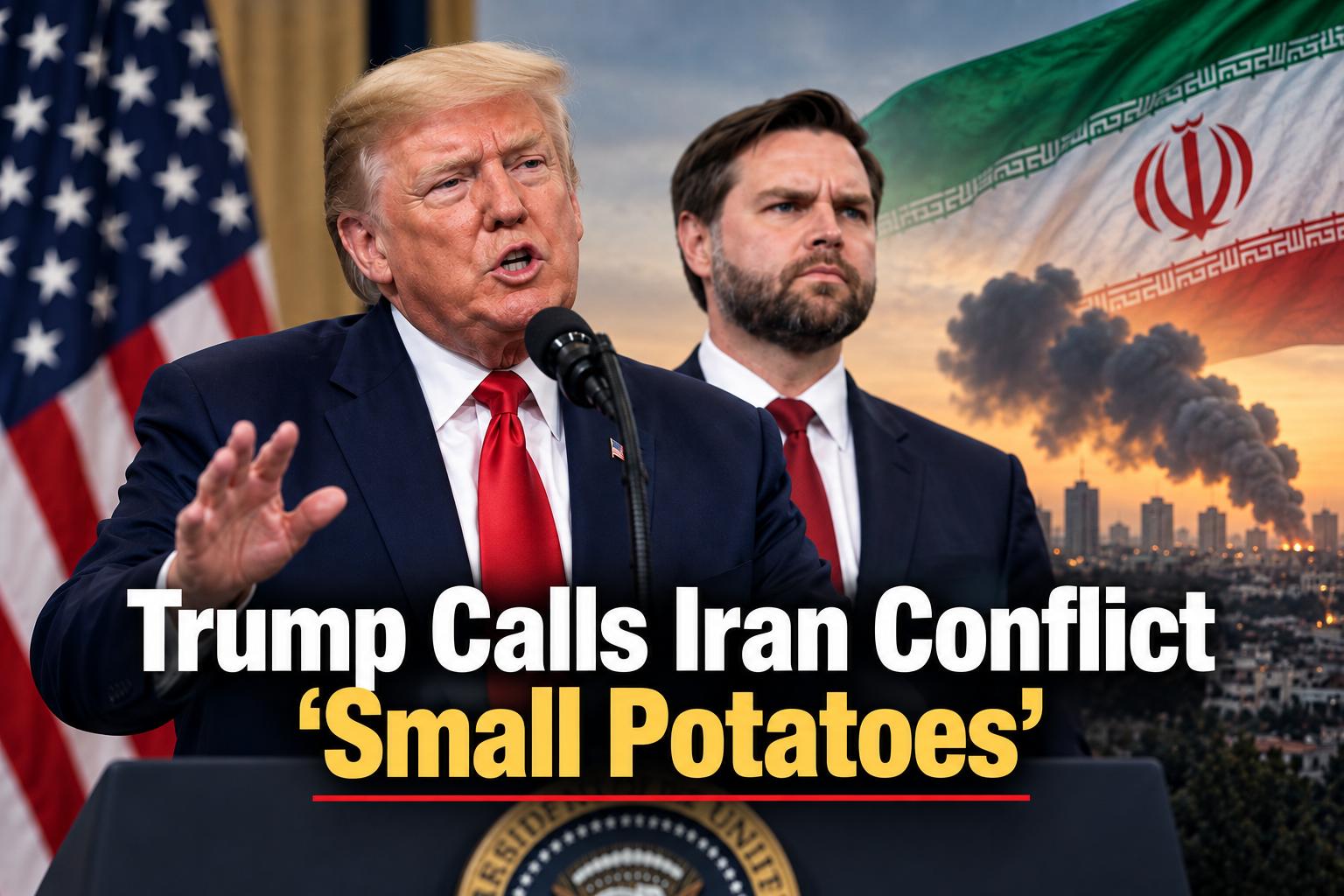
Trump Calls Iran Conflict ‘Small Potatoes,’ Backs Vance on War
U.S. President Donald Trump has played down the six-month conflict with Iran, calling it “small potatoes” for the United States while backing Vice President JD Vance’s view that the continuing hostilities should not necessarily be described as a war. Trump Calls Iran Conflict ‘Small Potatoes’ Speaking to reporters in the Oval Office on September 4, Trump said he
Trump Calls Iran Conflict ‘Small Potatoes,’ Backs Vance on War
U.S. President Donald Trump has played down the six-month conflict with Iran, calling it “small potatoes” for the United States while backing Vice President JD Vance’s view that the continuing hostilities should not necessarily be described as a war. Trump Calls Iran Conflict ‘Small Potatoes’ Speaking to reporters in the Oval Office on September 4, Trump said he
ISRO EOS-05 launch succeeds as GSLV-F17 reaches orbit
India opened September 4 with a major space achievement as ISRO successfully launched EOS-05 aboard GSLV-F17 from Sriharikota. The day also brought major geopolitical developments involving Trump’s backing for a Syria-Hormuz alternative, pressure on Iran and Venezuela’s new oil arrangements. ISRO EOS-05 launch succeeds from Sriharikota The Indian Space Research Organisation successfully com
ISRO EOS-05 launch succeeds as GSLV-F17 reaches orbit
India opened September 4 with a major space achievement as ISRO successfully launched EOS-05 aboard GSLV-F17 from Sriharikota. The day also brought major geopolitical developments involving Trump’s backing for a Syria-Hormuz alternative, pressure on Iran and Venezuela’s new oil arrangements. ISRO EOS-05 launch succeeds from Sriharikota The Indian Space Research Organisation successfully com
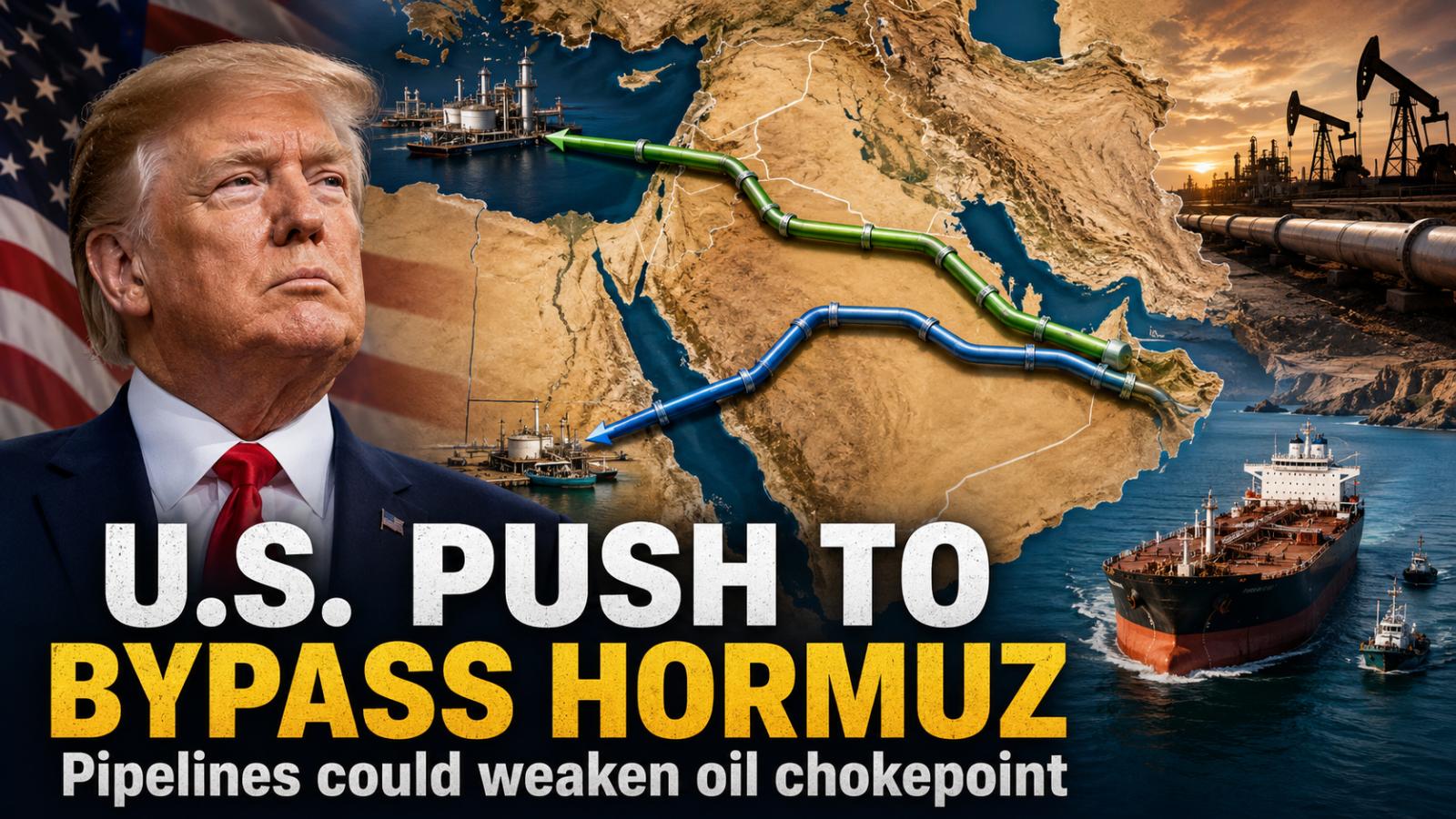
Strait of Hormuz bypass plan could redraw global oil routes
For decades, the Strait of Hormuz has been one of the world’s most important energy chokepoints. Now, Washington and Gulf producers are accelerating plans for pipelines and alternative export routes that could sharply reduce dependence on the narrow waterway. The goal is not necessarily to eliminate Hormuz, but to weaken its ability to disrupt global oil markets. Strait of Hormuz bypass becomes US strategy
Strait of Hormuz bypass plan could redraw global oil routes
For decades, the Strait of Hormuz has been one of the world’s most important energy chokepoints. Now, Washington and Gulf producers are accelerating plans for pipelines and alternative export routes that could sharply reduce dependence on the narrow waterway. The goal is not necessarily to eliminate Hormuz, but to weaken its ability to disrupt global oil markets. Strait of Hormuz bypass becomes US strategy
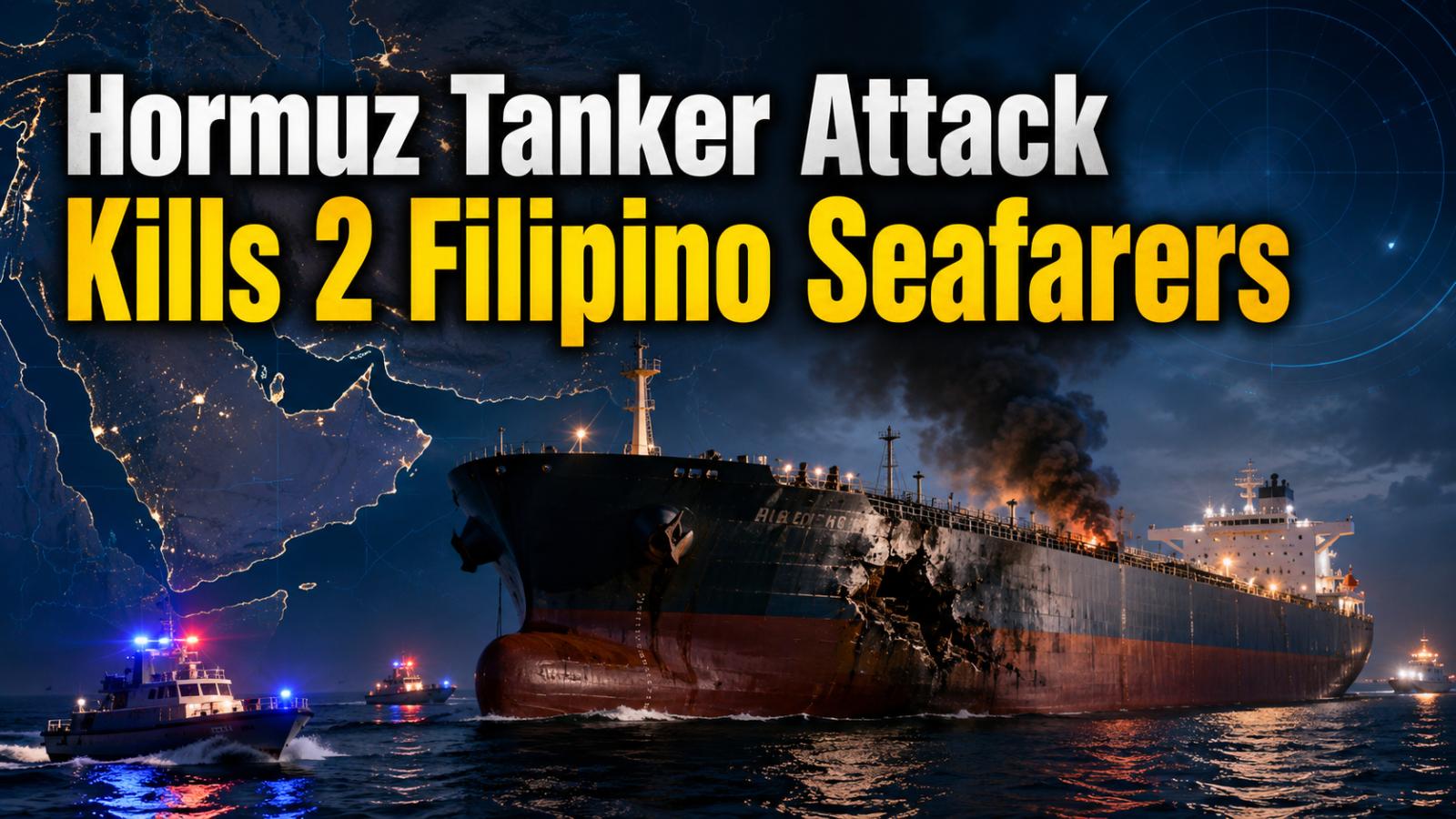
Strait of Hormuz tanker attack kills two Filipino seafarers
A Strait of Hormuz tanker attack has left two Filipino seafarers dead aboard the Saudi-operated SIDR, intensifying concerns over maritime security in one of the world’s most important oil routes. Bahri confirmed the deaths as US-Iran tensions again escalated across the Gulf. Strait of Hormuz tanker attack kills two sailors Saudi Arabia’s national shipping company Bahri confirmed that two Fi
Strait of Hormuz tanker attack kills two Filipino seafarers
A Strait of Hormuz tanker attack has left two Filipino seafarers dead aboard the Saudi-operated SIDR, intensifying concerns over maritime security in one of the world’s most important oil routes. Bahri confirmed the deaths as US-Iran tensions again escalated across the Gulf. Strait of Hormuz tanker attack kills two sailors Saudi Arabia’s national shipping company Bahri confirmed that two Fi
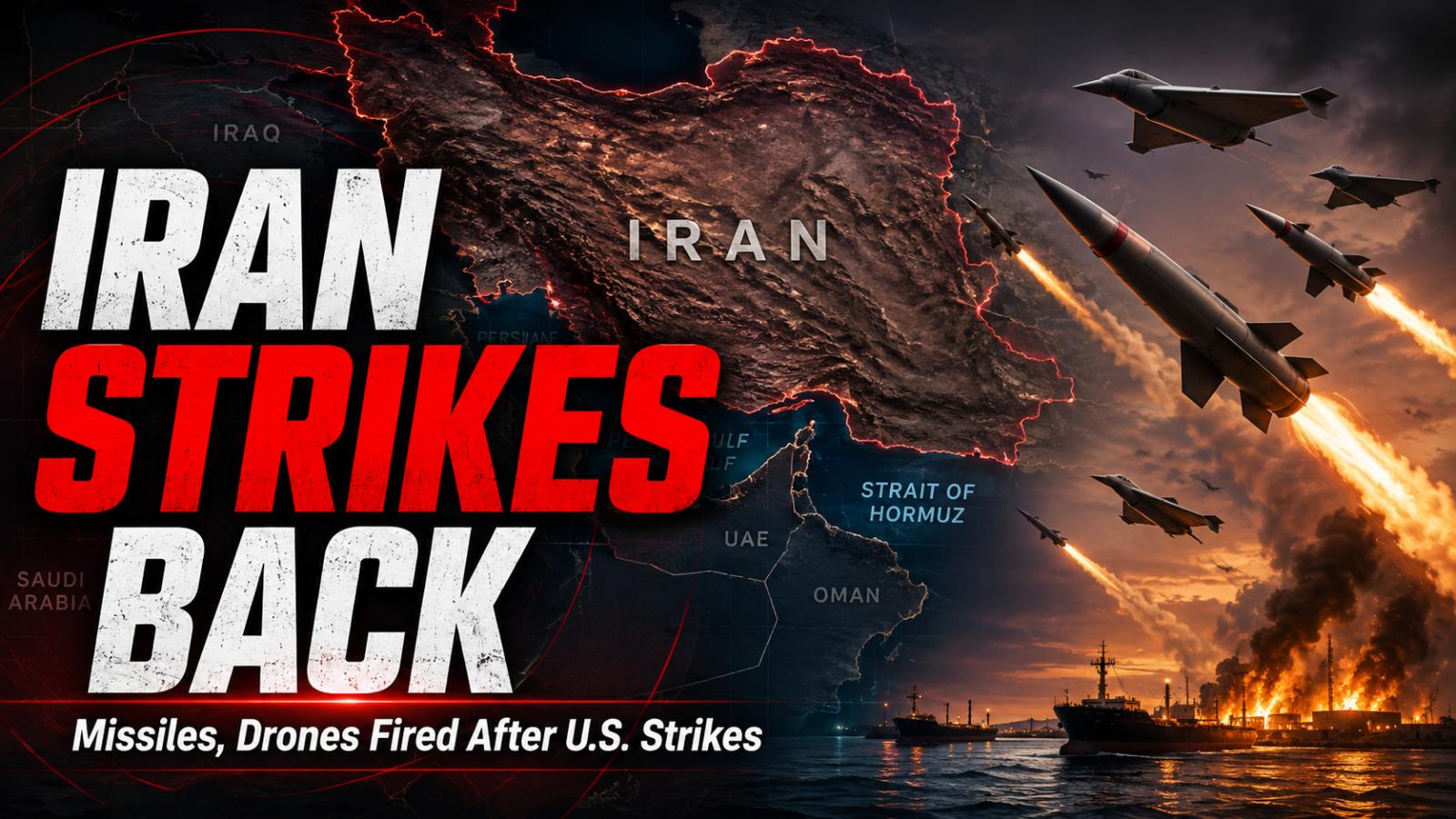
Iran Retaliation Begins After Fresh US Strikes on IRGC Targets
Iran launched missile and drone attacks against US-linked military targets after American forces carried out a new wave of strikes on Islamic Revolutionary Guard Corps facilities across southern Iran. The Iran retaliation marks the sharpest escalation in weeks and has again placed the Strait of Hormuz and regional US bases at the centre of the conflict. US Iran Strikes US Central Command confirmed that American forces carried out coordinated strikes on September 1 against IRGC military targets. CENTCOM said the operation hit air-defence sites, radar systems, maritime assets, mine-laying capabilities and communications facilities. The command said the strikes followed attempted Iranian attacks against commercial shipping in the Strait of Hormuz and American service members in the region. The strikes were concentrated around southern Iran and the strategically important Hormuz region. Separate reporting said Iranian areas including Bandar Abbas, Qeshm, Jask and other coastal locations were among those affected as the conflict returned to a more intense phase. IRGC Response Iranian forces responded with missiles and drones aimed at US assets across the region. Iranian state-linked media described the attacks as retaliation for the latest American operation, while the IRGC promised what it called severe punishment for further strikes. Jordan and Bahrain reported intercepting Iranian missiles and drones, while Iranian sources also claimed strikes against US positions in Iraq. Claims of American casualties made by Tehran had not been independently confirmed by US officials at the time of reporting. The renewed exchanges show that both sides remain willing to use direct military force despite earlier efforts to reduce hostilities. Hormuz Crisis The Strait of Hormuz remains the most sensitive flashpoint. Washington says its latest operation followed Iranian attempts to threaten commercial shipping and deploy mine-laying capabilities near the waterway. CENTCOM has repeatedly described freedom of navigation through the strait as a key US military objective. The escalation immediately affected energy markets. Brent crude rose toward $96 a barrel as traders reacted to the possibility of renewed disruption in a route responsible for a major share of global oil exports. Any sustained attacks on shipping, ports or energy infrastructure could therefore have economic consequences far beyond the Middle East. Trump Warns Iran President Donald Trump defended the latest US strikes and warned Tehran that further retaliation could trigger an even stronger American response. He said the operation was justified by Iranian attempts to place mines in the Strait of Hormuz and previous attacks directed at US forces. Trump’s warning came even as Iranian officials insisted they would continue responding to attacks on their territory. The competing threats have sharply reduced hopes that the current exchange will quickly return to the relative calm seen during parts of August. Regional Escalation Risk The latest fighting follows the August 30 US strike on two Iranian launchers on Larak Island, which American officials said were preparing to deploy sea mines. Iran answered that operation with ballistic missile attacks against US forces in Jordan. With fresh American strikes now followed by a broader Iranian missile and drone response, the conflict appears to be entering another dangerous phase. The immediate question is whether both governments contain the exchanges or allow retaliation to expand across US bases, Iranian military facilities and shipping routes around the Strait of Hormuz.
Iran Retaliation Begins After Fresh US Strikes on IRGC Targets
Iran launched missile and drone attacks against US-linked military targets after American forces carried out a new wave of strikes on Islamic Revolutionary Guard Corps facilities across southern Iran. The Iran retaliation marks the sharpest escalation in weeks and has again placed the Strait of Hormuz and regional US bases at the centre of the conflict. US Iran Strikes US Central Command confirmed that American forces carried out coordinated strikes on September 1 against IRGC military targets. CENTCOM said the operation hit air-defence sites, radar systems, maritime assets, mine-laying capabilities and communications facilities. The command said the strikes followed attempted Iranian attacks against commercial shipping in the Strait of Hormuz and American service members in the region. The strikes were concentrated around southern Iran and the strategically important Hormuz region. Separate reporting said Iranian areas including Bandar Abbas, Qeshm, Jask and other coastal locations were among those affected as the conflict returned to a more intense phase. IRGC Response Iranian forces responded with missiles and drones aimed at US assets across the region. Iranian state-linked media described the attacks as retaliation for the latest American operation, while the IRGC promised what it called severe punishment for further strikes. Jordan and Bahrain reported intercepting Iranian missiles and drones, while Iranian sources also claimed strikes against US positions in Iraq. Claims of American casualties made by Tehran had not been independently confirmed by US officials at the time of reporting. The renewed exchanges show that both sides remain willing to use direct military force despite earlier efforts to reduce hostilities. Hormuz Crisis The Strait of Hormuz remains the most sensitive flashpoint. Washington says its latest operation followed Iranian attempts to threaten commercial shipping and deploy mine-laying capabilities near the waterway. CENTCOM has repeatedly described freedom of navigation through the strait as a key US military objective. The escalation immediately affected energy markets. Brent crude rose toward $96 a barrel as traders reacted to the possibility of renewed disruption in a route responsible for a major share of global oil exports. Any sustained attacks on shipping, ports or energy infrastructure could therefore have economic consequences far beyond the Middle East. Trump Warns Iran President Donald Trump defended the latest US strikes and warned Tehran that further retaliation could trigger an even stronger American response. He said the operation was justified by Iranian attempts to place mines in the Strait of Hormuz and previous attacks directed at US forces. Trump’s warning came even as Iranian officials insisted they would continue responding to attacks on their territory. The competing threats have sharply reduced hopes that the current exchange will quickly return to the relative calm seen during parts of August. Regional Escalation Risk The latest fighting follows the August 30 US strike on two Iranian launchers on Larak Island, which American officials said were preparing to deploy sea mines. Iran answered that operation with ballistic missile attacks against US forces in Jordan. With fresh American strikes now followed by a broader Iranian missile and drone response, the conflict appears to be entering another dangerous phase. The immediate question is whether both governments contain the exchanges or allow retaliation to expand across US bases, Iranian military facilities and shipping routes around the Strait of Hormuz.
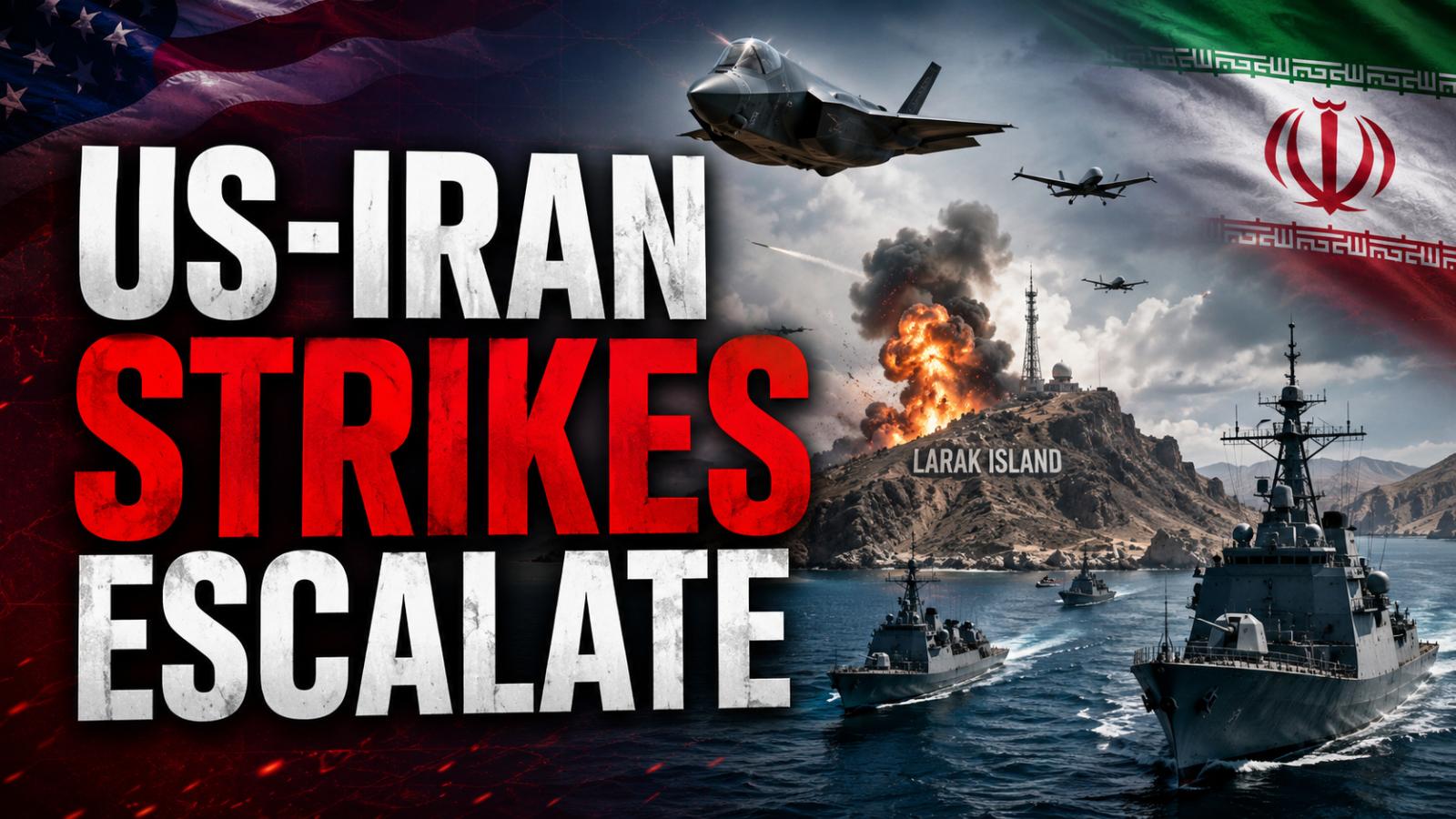
US-Iran Strikes Resume as Larak Attack Triggers Retaliation
The US-Iran confrontation has entered another tense phase after American forces struck Iranian launchers on Larak Island near the Strait of Hormuz. Iran responded with claims of attacks on US-linked bases in the region, while diplomatic efforts continued in Bishkek, where Prime Minister Narendra Modi met Iranian President Masoud Pezeshkian. Larak Island Strike
US-Iran Strikes Resume as Larak Attack Triggers Retaliation
The US-Iran confrontation has entered another tense phase after American forces struck Iranian launchers on Larak Island near the Strait of Hormuz. Iran responded with claims of attacks on US-linked bases in the region, while diplomatic efforts continued in Bishkek, where Prime Minister Narendra Modi met Iranian President Masoud Pezeshkian. Larak Island Strike
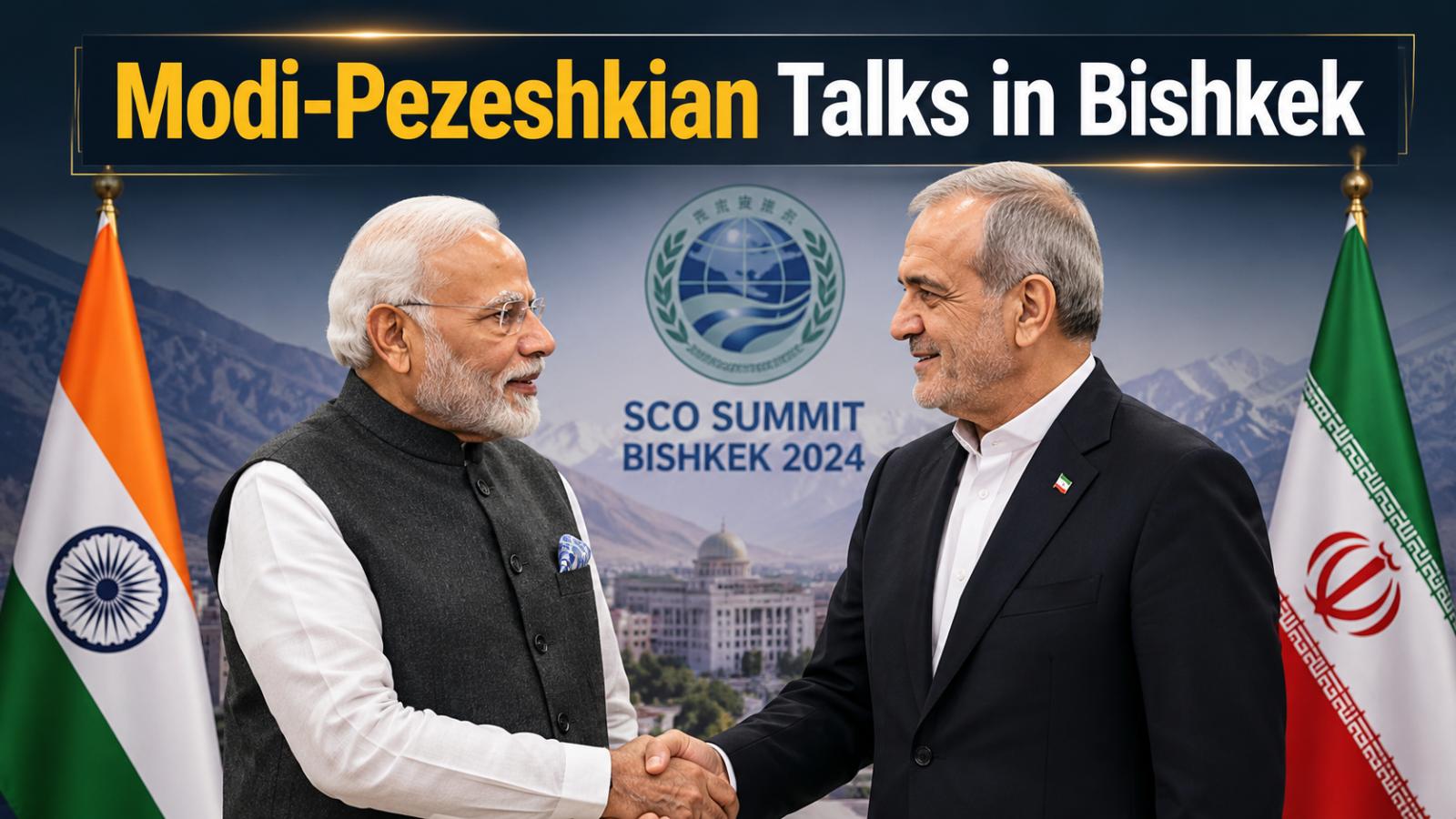
Modi Pezeshkian Meeting Focuses on Iran War and Trade
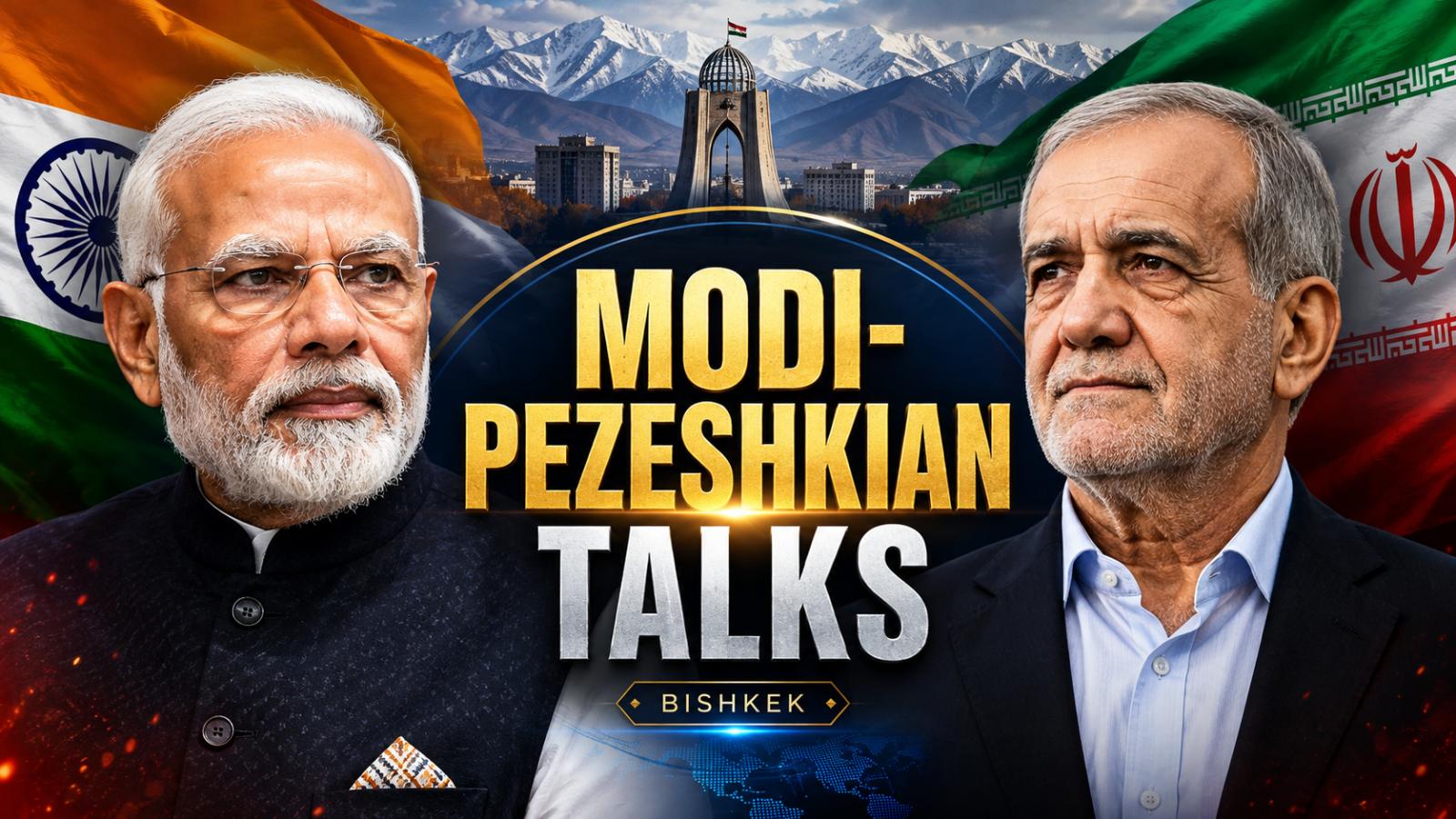
Prime Minister Narendra Modi met Iranian President Masoud Pezeshkian in Bishkek on August 31 on the sidelines of the Shanghai Cooperation Organisation Summit. The Modi Pezeshkian meeting focused on India-Iran ties, the West Asia conflict, maritime security, trade and the need for lasting regional peace. India Iran Ties The two leaders revi
Modi Pezeshkian Meeting Focuses on Iran War and Trade
Prime Minister Narendra Modi met Iranian President Masoud Pezeshkian in Bishkek on August 31 on the sidelines of the Shanghai Cooperation Organisation Summit. The Modi Pezeshkian meeting focused on India-Iran ties, the West Asia conflict, maritime security, trade and the need for lasting regional peace. India Iran Ties The two leaders revi
Modi Pezeshkian Meeting Puts Iran War and Energy in Focus
Prime Minister Narendra Modi is expected to meet Iranian President Masoud Pezeshkian in Bishkek on August 31 on the sidelines of the Shanghai Cooperation Organisation summit. The Modi Pezeshkian meeting would be their first face-to-face interaction since the latest West Asia conflict erupted, putting India-Iran ties, energy security and regional stability firmly in focus. India Iran Ties Modi and Pezeshkian last met in person in October 2024 during the BRICS Summit in Kazan, Russia. At that meeting, the leaders reviewed bilateral relations and highlighted the importance of the Chabahar Port project for trade links with Afghanistan and Central Asia. Their relationship has remained active despite the deterioration in regional security. The two leaders have spoken by phone several times during 2026, discussing developments in Iran and the wider region. India has consistently positioned itself as a partner of Iran while maintaining relationships with other major powers in West Asia. Hormuz Talks The Strait of Hormuz is expected to be one of the most important strategic issues surrounding the discussions. India depends heavily on secure maritime routes for energy imports, making any disruption in the Gulf a direct economic concern. During a March conversation with Pezeshkian, Modi stressed the importance of protecting Indian nationals and maintaining unhindered movement of energy and goods. He also reiterated India’s position that disputes should be resolved through dialogue and diplomacy. In another conversation in June, Modi again called for lasting regional stability and freedom of navigation and commerce. SCO Bishkek Summit The bilateral engagement comes as Bishkek hosts the 26th SCO Summit from August 31 to September 1. India’s government has confirmed that Modi will hold meetings with several SCO leaders on the sidelines while highlighting India’s priorities of security, connectivity and opportunity. The 2026 gathering also marks the SCO’s 25th anniversary. Iran, India, Russia, China and Pakistan are among the organisation’s 10 full members, giving the summit added geopolitical weight as several regional conflicts remain unresolved. Chinese President Xi Jinping is also attending the Bishkek gathering, while Russian President Vladimir Putin is among the other major leaders expected to participate. Energy Security Energy cooperation remains central to India-Iran relations. New Delhi has repeatedly stressed that instability in West Asia can affect fuel supplies, shipping costs and the broader Indian economy. Connectivity is another major issue. Chabahar Port gives India a strategic route toward Afghanistan and Central Asia that bypasses Pakistan, making the project important for both commerce and regional connectivity. The two sides are therefore expected to review trade, transport links and wider economic cooperation alongside the security situation. Dialogue and Diplomacy India is likely to continue urging de-escalation rather than taking sides in the conflict. Modi has repeatedly told Pezeshkian that New Delhi supports dialogue and diplomacy while calling for the protection of civilians, infrastructure and international shipping routes. The Bishkek interaction would also carry significance ahead of further BRICS engagement. Pezeshkian has previously supported a larger role for organisations such as BRICS and the SCO in addressing regional challenges. For India, the meeting provides an opportunity to protect practical interests—energy supplies, maritime security, connectivity and the safety of Indian nationals—while maintaining a diplomatic channel with Tehran during one of the most unstable periods in recent West Asian politics.
Modi Pezeshkian Meeting Puts Iran War and Energy in Focus
Prime Minister Narendra Modi is expected to meet Iranian President Masoud Pezeshkian in Bishkek on August 31 on the sidelines of the Shanghai Cooperation Organisation summit. The Modi Pezeshkian meeting would be their first face-to-face interaction since the latest West Asia conflict erupted, putting India-Iran ties, energy security and regional stability firmly in focus. India Iran Ties Modi and Pezeshkian last met in person in October 2024 during the BRICS Summit in Kazan, Russia. At that meeting, the leaders reviewed bilateral relations and highlighted the importance of the Chabahar Port project for trade links with Afghanistan and Central Asia. Their relationship has remained active despite the deterioration in regional security. The two leaders have spoken by phone several times during 2026, discussing developments in Iran and the wider region. India has consistently positioned itself as a partner of Iran while maintaining relationships with other major powers in West Asia. Hormuz Talks The Strait of Hormuz is expected to be one of the most important strategic issues surrounding the discussions. India depends heavily on secure maritime routes for energy imports, making any disruption in the Gulf a direct economic concern. During a March conversation with Pezeshkian, Modi stressed the importance of protecting Indian nationals and maintaining unhindered movement of energy and goods. He also reiterated India’s position that disputes should be resolved through dialogue and diplomacy. In another conversation in June, Modi again called for lasting regional stability and freedom of navigation and commerce. SCO Bishkek Summit The bilateral engagement comes as Bishkek hosts the 26th SCO Summit from August 31 to September 1. India’s government has confirmed that Modi will hold meetings with several SCO leaders on the sidelines while highlighting India’s priorities of security, connectivity and opportunity. The 2026 gathering also marks the SCO’s 25th anniversary. Iran, India, Russia, China and Pakistan are among the organisation’s 10 full members, giving the summit added geopolitical weight as several regional conflicts remain unresolved. Chinese President Xi Jinping is also attending the Bishkek gathering, while Russian President Vladimir Putin is among the other major leaders expected to participate. Energy Security Energy cooperation remains central to India-Iran relations. New Delhi has repeatedly stressed that instability in West Asia can affect fuel supplies, shipping costs and the broader Indian economy. Connectivity is another major issue. Chabahar Port gives India a strategic route toward Afghanistan and Central Asia that bypasses Pakistan, making the project important for both commerce and regional connectivity. The two sides are therefore expected to review trade, transport links and wider economic cooperation alongside the security situation. Dialogue and Diplomacy India is likely to continue urging de-escalation rather than taking sides in the conflict. Modi has repeatedly told Pezeshkian that New Delhi supports dialogue and diplomacy while calling for the protection of civilians, infrastructure and international shipping routes. The Bishkek interaction would also carry significance ahead of further BRICS engagement. Pezeshkian has previously supported a larger role for organisations such as BRICS and the SCO in addressing regional challenges. For India, the meeting provides an opportunity to protect practical interests—energy supplies, maritime security, connectivity and the safety of Indian nationals—while maintaining a diplomatic channel with Tehran during one of the most unstable periods in recent West Asian politics.
US Strike on Larak Island Targets Iranian Rocket Launchers
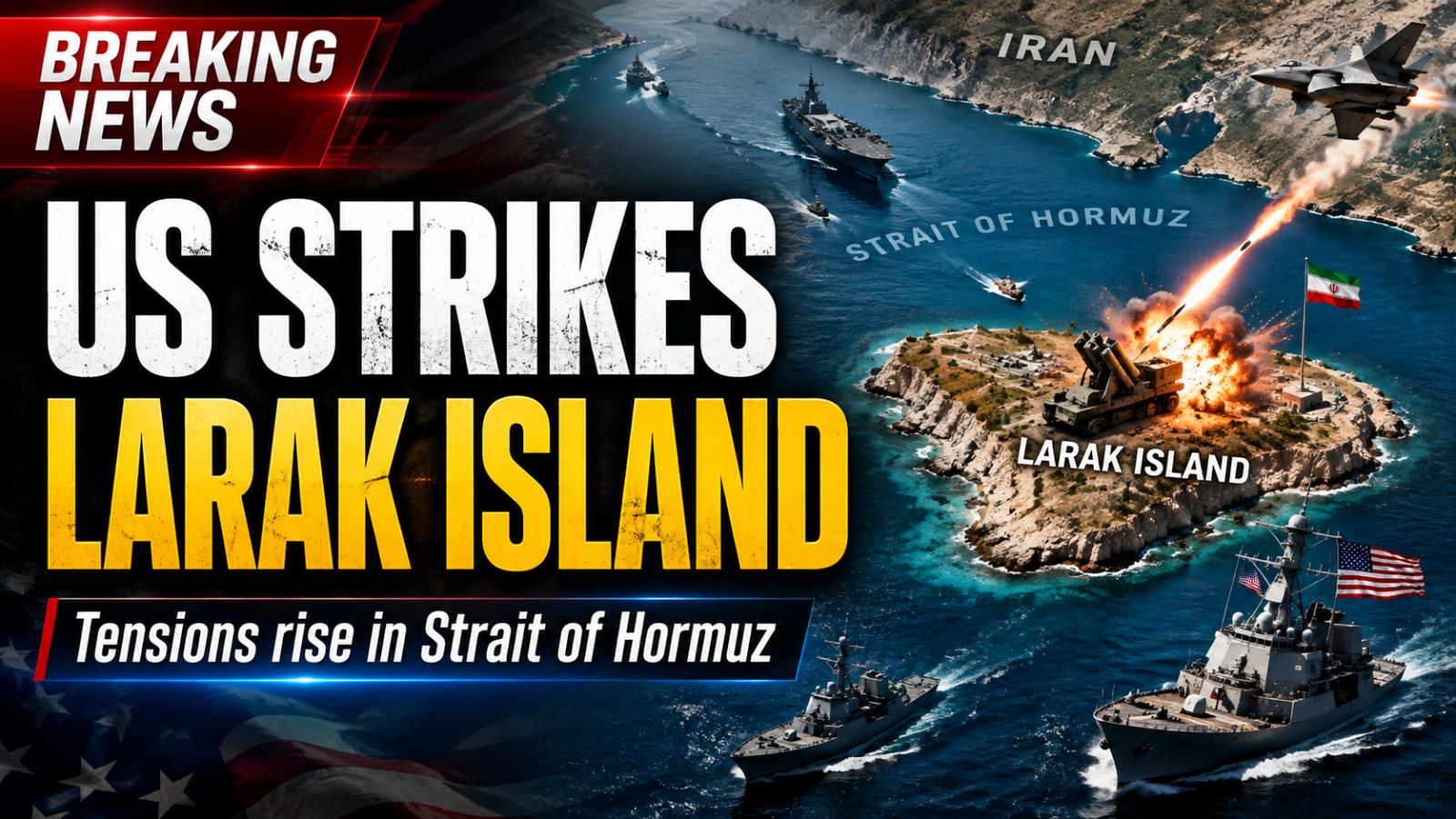
US forces struck two Iranian rocket launchers on Larak Island near the Strait of Hormuz on Sunday, according to reports citing American officials. The US strike on Larak Island marked the first known American attack inside Iran in more than a month and immediately raised fears of renewed escalation around the vital shipping route. Iran Rocket Launchers US officials said Islamic Revolutionary Guard Corps forces had been observed preparing rocket systems that could be used to deploy sea mines into the Strait of Hormuz. The alleged activity prompted American forces to target two launchers on Larak Island before they could be used. Iranian media also reported an explosion near the island, although initial accounts differed over the scale and method of the attack. Larak sits near Bandar Abbas and close to several islands controlling access to the strait, giving it strategic importance for both Iran and international shipping. Strait of Hormuz Mine Threat The strike came shortly after US Central Command completed an operation aimed at clearing sea mines from international shipping lanes in the Strait of Hormuz. American officials said forces remained prepared to protect commercial traffic through the waterway. The strait is one of the world’s most important energy corridors. Any renewed mine activity could threaten tankers, disrupt insurance and shipping schedules, and raise energy-market concerns far beyond the Gulf. President Donald Trump had previously warned that any vessel involved in laying new mines would be targeted. He described the policy as one of “zero tolerance” toward additional mine placement. IRGC Response Iran’s Revolutionary Guards responded sharply after the attack. Iranian reports said the strike killed two people and wounded two others, while the IRGC later said Iranian fighters and civilians had been killed or injured. The Guards promised retaliation, saying those responsible for the attack would face punishment. The statement signalled that Tehran does not view the Larak strike as a limited tactical incident, raising concern that the confrontation could trigger another cycle of attacks and counterattacks. Hormuz Strike After Month-Long Pause The attack was described in the source material as the first known US strike inside Iran since late July, when Washington paused an earlier military campaign around the Strait of Hormuz. That pause had reduced direct exchanges, but tensions over mining activity and freedom of navigation remained unresolved. The latest strike therefore carries significance beyond the destruction of two launchers. It shows that Washington is prepared to resume direct military action if it believes Iranian forces are preparing to threaten shipping lanes. Shipping Security in Focus For global markets, the immediate question is whether the incident remains contained. The Strait of Hormuz connects Gulf energy exporters with world markets, and even a limited military confrontation can affect oil prices, tanker movements and freight costs. US forces say they are monitoring the area closely, while Iran has warned of retaliation. Until either side signals restraint, the Larak Island strike is likely to keep military planners, shipping companies and energy traders focused on the risk of renewed disruption in the Strait of Hormuz.


US Strike on Larak Island Targets Iranian Rocket Launchers
US forces struck two Iranian rocket launchers on Larak Island near the Strait of Hormuz on Sunday, according to reports citing American officials. The US strike on Larak Island marked the first known American attack inside Iran in more than a month and immediately raised fears of renewed escalation around the vital shipping route. Iran Rocket Launchers US officials said Islamic Revolutionary Guard Corps forces had been observed preparing rocket systems that could be used to deploy sea mines into the Strait of Hormuz. The alleged activity prompted American forces to target two launchers on Larak Island before they could be used. Iranian media also reported an explosion near the island, although initial accounts differed over the scale and method of the attack. Larak sits near Bandar Abbas and close to several islands controlling access to the strait, giving it strategic importance for both Iran and international shipping. Strait of Hormuz Mine Threat The strike came shortly after US Central Command completed an operation aimed at clearing sea mines from international shipping lanes in the Strait of Hormuz. American officials said forces remained prepared to protect commercial traffic through the waterway. The strait is one of the world’s most important energy corridors. Any renewed mine activity could threaten tankers, disrupt insurance and shipping schedules, and raise energy-market concerns far beyond the Gulf. President Donald Trump had previously warned that any vessel involved in laying new mines would be targeted. He described the policy as one of “zero tolerance” toward additional mine placement. IRGC Response Iran’s Revolutionary Guards responded sharply after the attack. Iranian reports said the strike killed two people and wounded two others, while the IRGC later said Iranian fighters and civilians had been killed or injured. The Guards promised retaliation, saying those responsible for the attack would face punishment. The statement signalled that Tehran does not view the Larak strike as a limited tactical incident, raising concern that the confrontation could trigger another cycle of attacks and counterattacks. Hormuz Strike After Month-Long Pause The attack was described in the source material as the first known US strike inside Iran since late July, when Washington paused an earlier military campaign around the Strait of Hormuz. That pause had reduced direct exchanges, but tensions over mining activity and freedom of navigation remained unresolved. The latest strike therefore carries significance beyond the destruction of two launchers. It shows that Washington is prepared to resume direct military action if it believes Iranian forces are preparing to threaten shipping lanes. Shipping Security in Focus For global markets, the immediate question is whether the incident remains contained. The Strait of Hormuz connects Gulf energy exporters with world markets, and even a limited military confrontation can affect oil prices, tanker movements and freight costs. US forces say they are monitoring the area closely, while Iran has warned of retaliation. Until either side signals restraint, the Larak Island strike is likely to keep military planners, shipping companies and energy traders focused on the risk of renewed disruption in the Strait of Hormuz.
Strait of Hormuz Tanker Attack Raises Tensions as US Sends Carrier
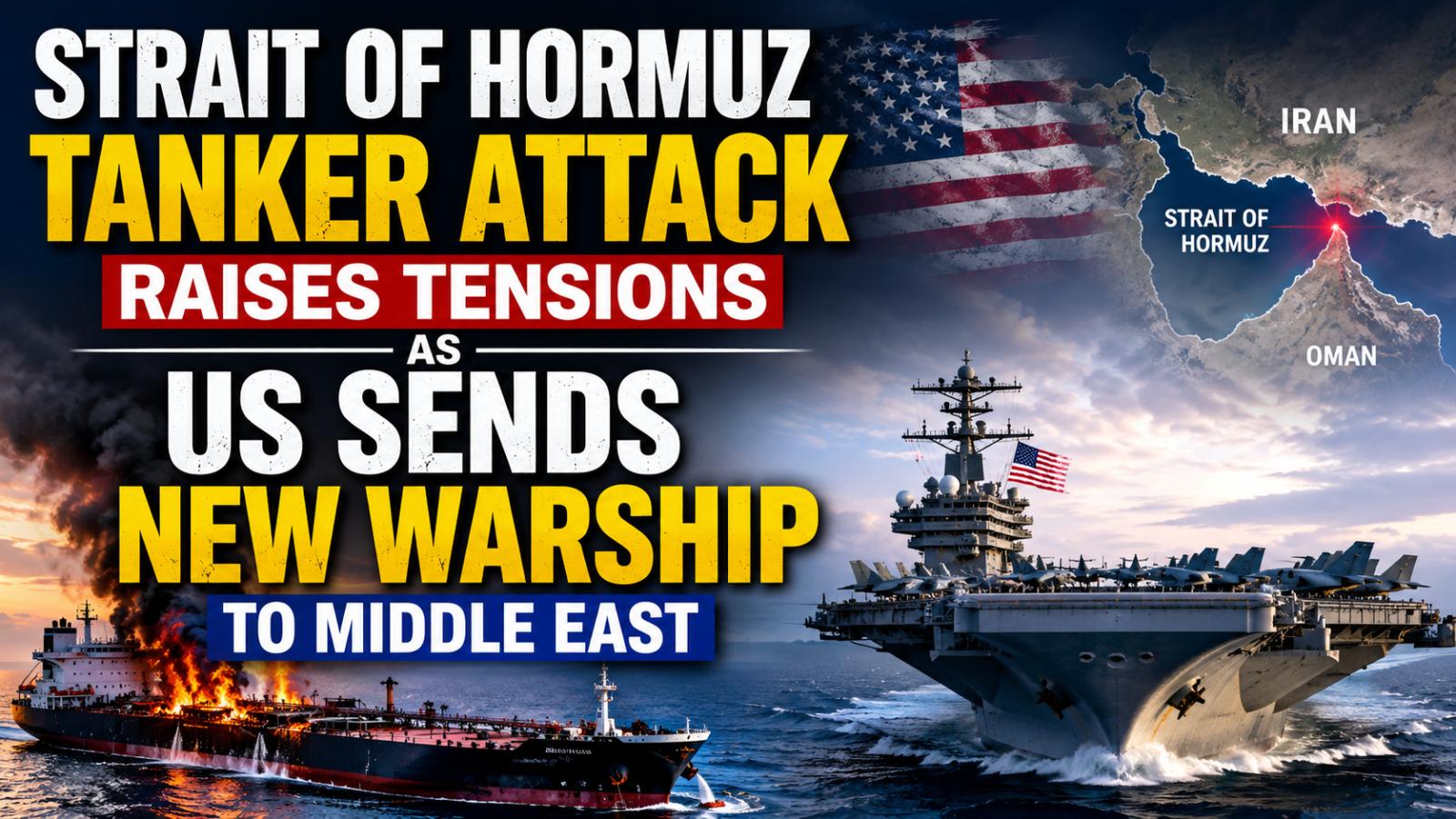
Tensions in the Strait of Hormuz have intensified after another commercial tanker was struck while moving through the strategic waterway, as the United States prepares to deploy an additional aircraft carrier strike group to the Middle East. The latest incident has added to concerns over the safety of commercial shipping between Iran and Oman. The vessel reportedly caught fire after being hit, but the crew was said to be safe. Responsibility for the attack has not been independently
Strait of Hormuz Tanker Attack Raises Tensions as US Sends Carrier
Tensions in the Strait of Hormuz have intensified after another commercial tanker was struck while moving through the strategic waterway, as the United States prepares to deploy an additional aircraft carrier strike group to the Middle East. The latest incident has added to concerns over the safety of commercial shipping between Iran and Oman. The vessel reportedly caught fire after being hit, but the crew was said to be safe. Responsibility for the attack has not been independently
Trump Israel Claim Revives Iran Nuclear Deal Debate
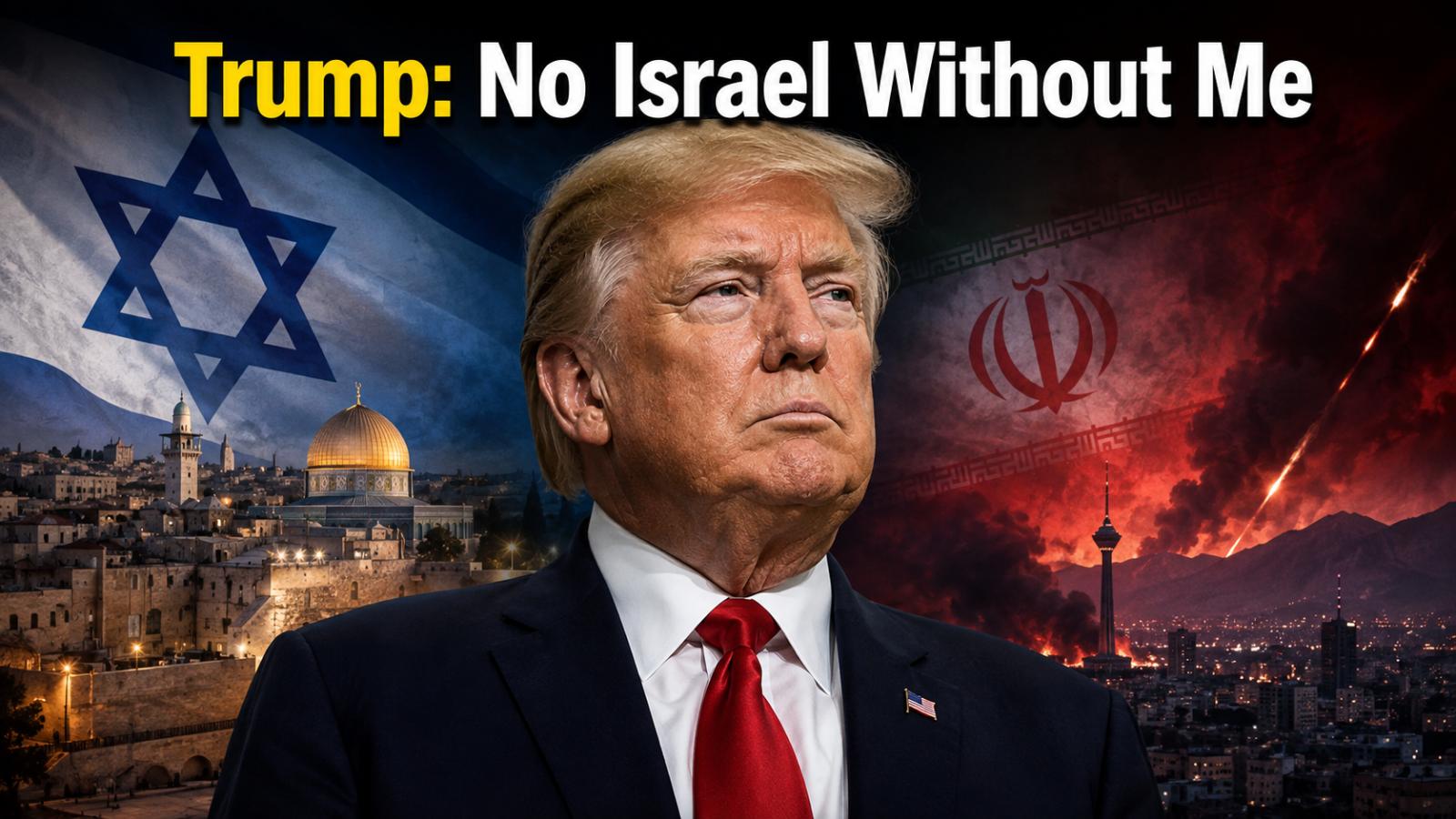
US President Donald Trump has again claimed that Israel would not exist today without his policies toward Iran. In a wide-ranging interview, he defended withdrawing from the JCPOA, discussed Mojtaba Khamenei’s condition and said the Strait of Hormuz was functioning despite continuing attacks. JCPOA exit returns to center of Trump Israel claim
Trump Israel Claim Revives Iran Nuclear Deal Debate
US President Donald Trump has again claimed that Israel would not exist today without his policies toward Iran. In a wide-ranging interview, he defended withdrawing from the JCPOA, discussed Mojtaba Khamenei’s condition and said the Strait of Hormuz was functioning despite continuing attacks. JCPOA exit returns to center of Trump Israel claim
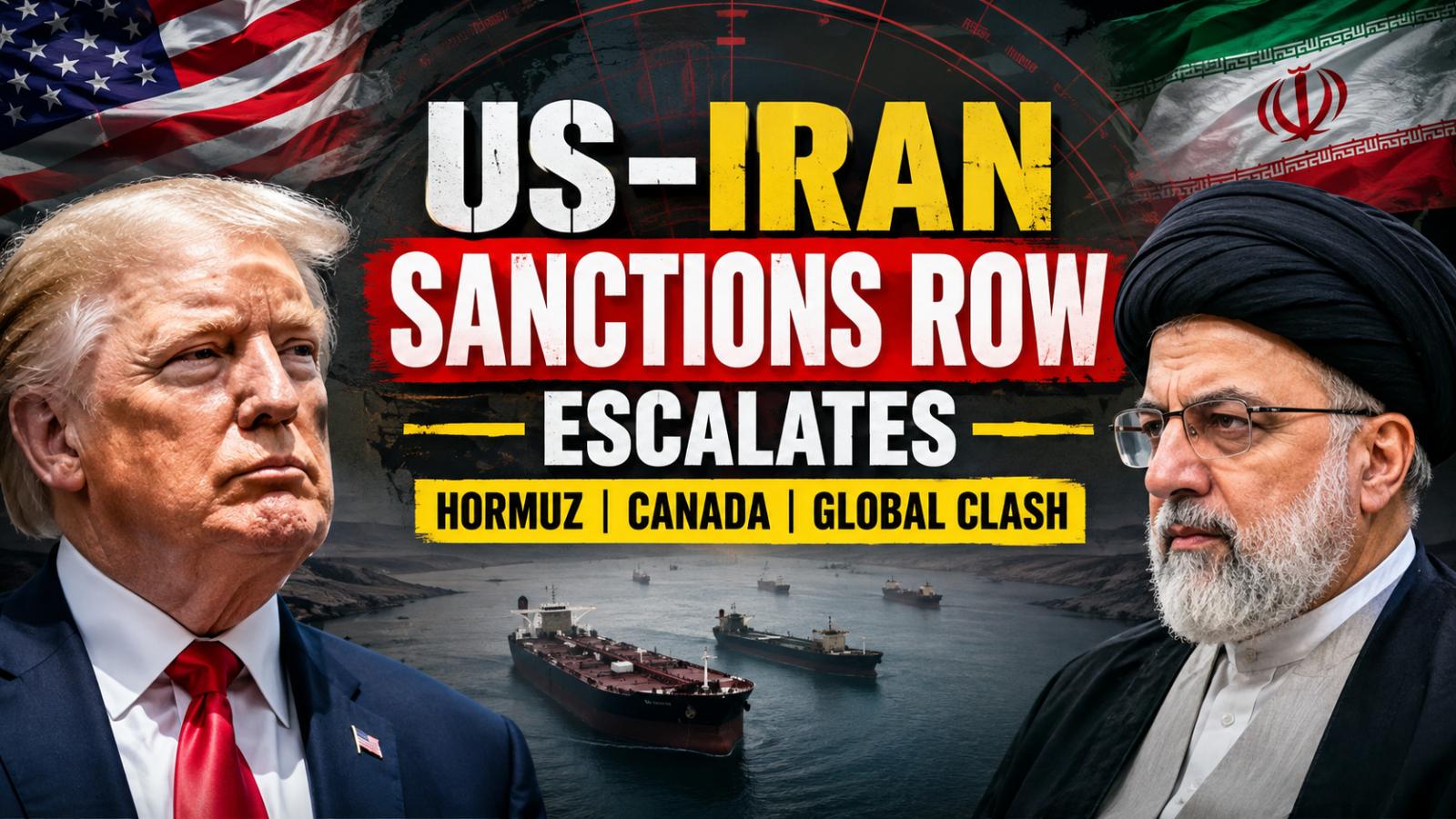
US Iran Sanctions Row Escalates as Tehran Slams Washington
US Iran sanctions have triggered a fresh diplomatic clash after Tehran accused Washington of using economic pressure to force countries into compliance. The dispute comes as President Donald Trump says mines have been cleared from the Strait of Hormuz while Iran and Oman discuss a temporary shipping corridor. Iran row grows over US economic pressure
US Iran Sanctions Row Escalates as Tehran Slams Washington
US Iran sanctions have triggered a fresh diplomatic clash after Tehran accused Washington of using economic pressure to force countries into compliance. The dispute comes as President Donald Trump says mines have been cleared from the Strait of Hormuz while Iran and Oman discuss a temporary shipping corridor. Iran row grows over US economic pressure
Trump Hormuz Claim, Ukraine Mall Strike
US-Iran tensions, a deadly Russian drone attack in Ukraine, security concerns in Meghalaya and a new international notice linked to the Sambhal violence case. Officials have issued fresh statements as military, diplomatic and law-enforcement developments unfold. Trump Hormuz remarks sharpen US-Iran tensions US President Donald Trump said he views the Strait of Hormuz as “American territory”
Trump Hormuz Claim, Ukraine Mall Strike
US-Iran tensions, a deadly Russian drone attack in Ukraine, security concerns in Meghalaya and a new international notice linked to the Sambhal violence case. Officials have issued fresh statements as military, diplomatic and law-enforcement developments unfold. Trump Hormuz remarks sharpen US-Iran tensions US President Donald Trump said he views the Strait of Hormuz as “American territory”
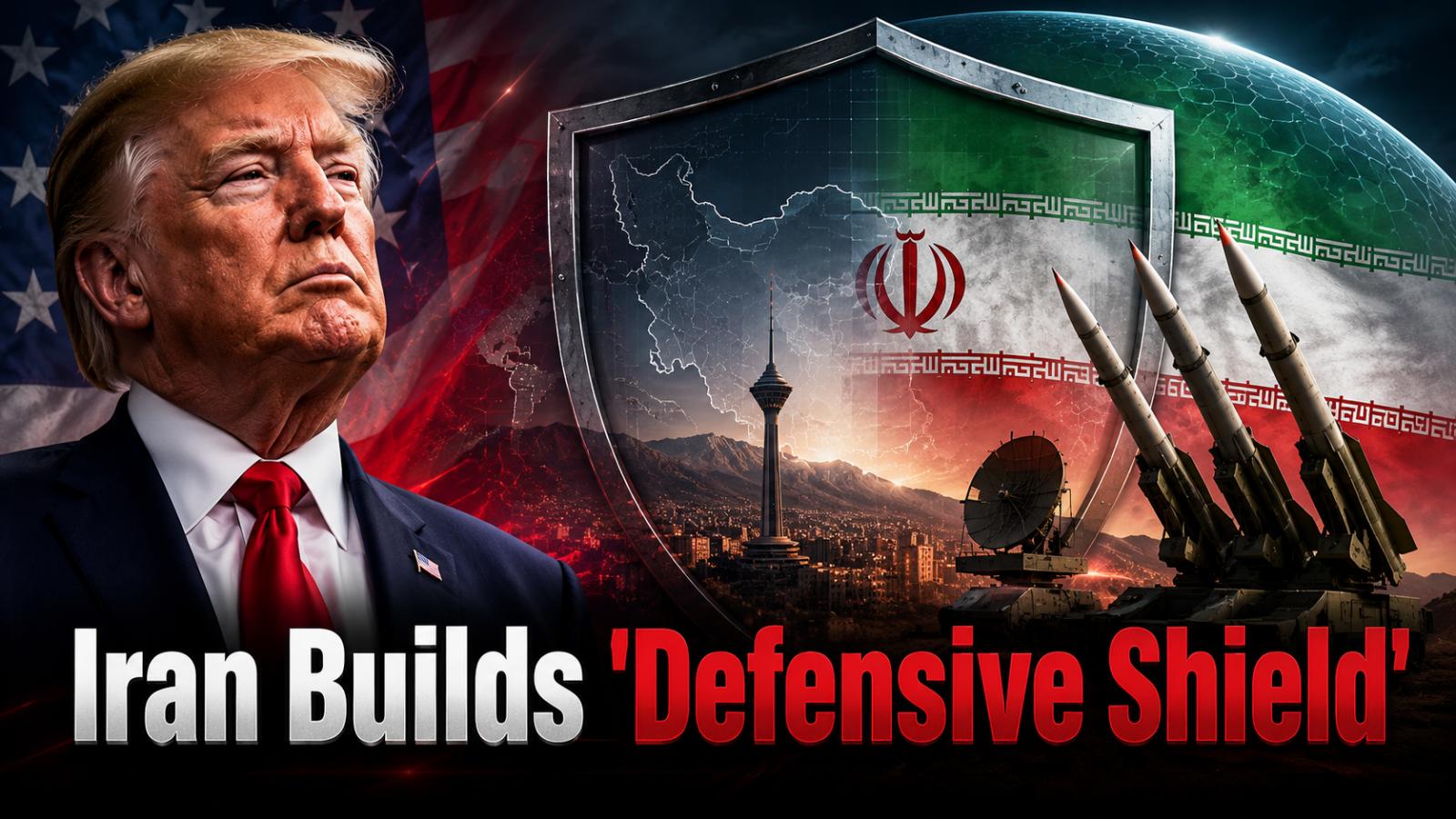
Iran Shield Against US: Vahidi Says Defences Stronger
Iran has sharpened its defence rhetoric as pressure from Washington intensifies, with Islamic Revolutionary Guard Corps chief Ahmad Vahidi saying the country has built a “solid defensive shield” against external threats. His remarks come as President Donald Trump expands economic pressure on Tehran. Vahidi plan In a message marking National Defence Industry Day, Vahidi said Iran was confron
Iran Shield Against US: Vahidi Says Defences Stronger
Iran has sharpened its defence rhetoric as pressure from Washington intensifies, with Islamic Revolutionary Guard Corps chief Ahmad Vahidi saying the country has built a “solid defensive shield” against external threats. His remarks come as President Donald Trump expands economic pressure on Tehran. Vahidi plan In a message marking National Defence Industry Day, Vahidi said Iran was confron
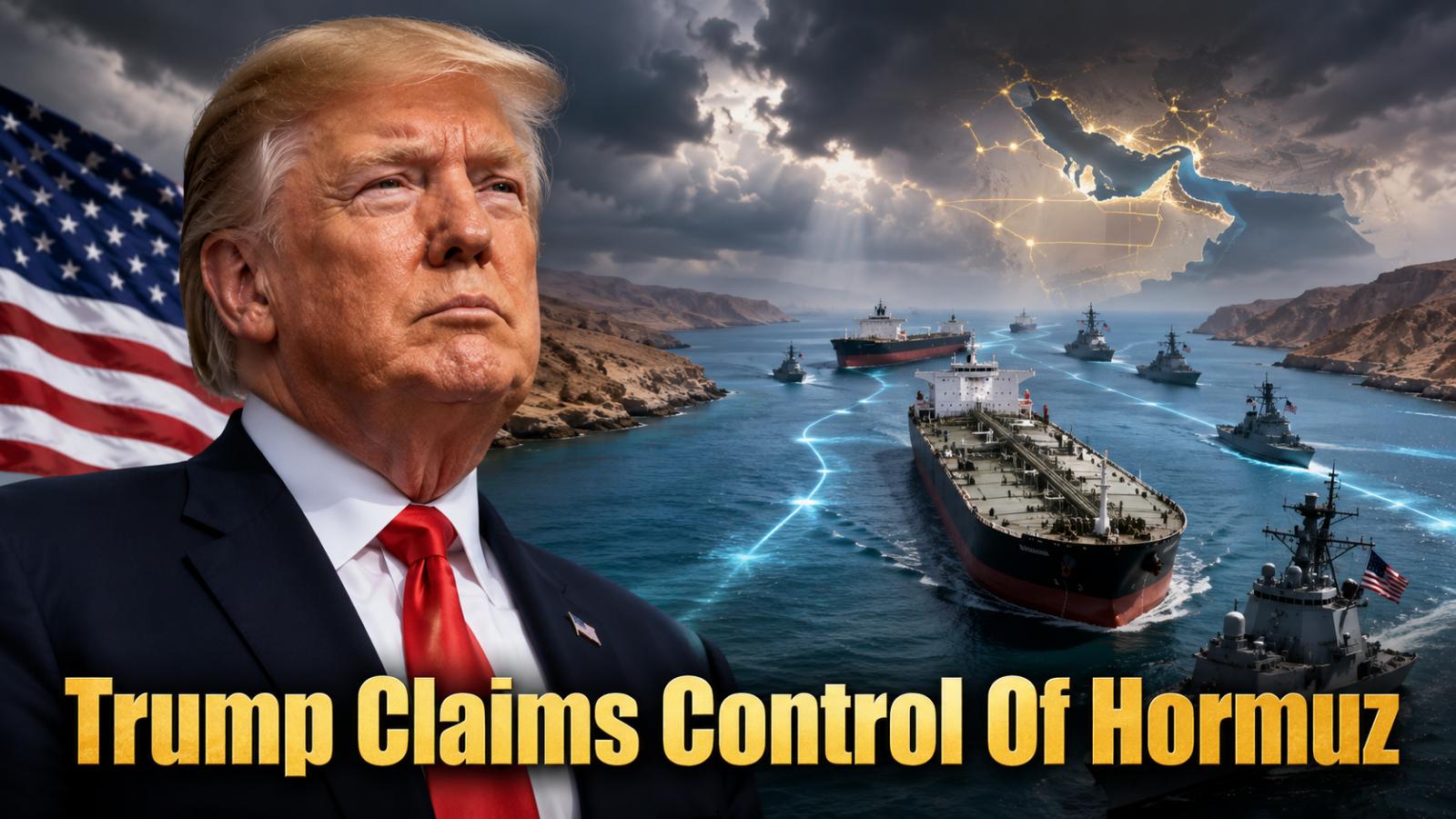
Trump Claims US Control of Strait of Hormuz as Oil Flows Rise
President Donald Trump has renewed his US Hormuz control claim, saying Washington has “complete control” of the Strait of Hormuz as more oil tankers move through the strategic waterway. Shipping remains well below normal levels, however, while Iran continues to dispute American claims of control. Trump Hormuz claim Trump told reporters on Wednesday that a large number of vessels had recentl
Trump Claims US Control of Strait of Hormuz as Oil Flows Rise
President Donald Trump has renewed his US Hormuz control claim, saying Washington has “complete control” of the Strait of Hormuz as more oil tankers move through the strategic waterway. Shipping remains well below normal levels, however, while Iran continues to dispute American claims of control. Trump Hormuz claim Trump told reporters on Wednesday that a large number of vessels had recentl
UAE Iran Missile Claim Deepens Gulf Crisis
The UAE Iran missile dispute has opened a new front in already tense Gulf relations. Abu Dhabi says two ballistic missiles launched from Iran targeted maritime navigation, while Tehran rejects the allegation. The UAE has now halted Iran trade as the Hormuz crisis continues to threaten regional shipping. UAE Iran missile claim The United Arab Emirates has accused Iran of launching two ballistic
UAE Iran Missile Claim Deepens Gulf Crisis
The UAE Iran missile dispute has opened a new front in already tense Gulf relations. Abu Dhabi says two ballistic missiles launched from Iran targeted maritime navigation, while Tehran rejects the allegation. The UAE has now halted Iran trade as the Hormuz crisis continues to threaten regional shipping. UAE Iran missile claim The United Arab Emirates has accused Iran of launching two ballistic