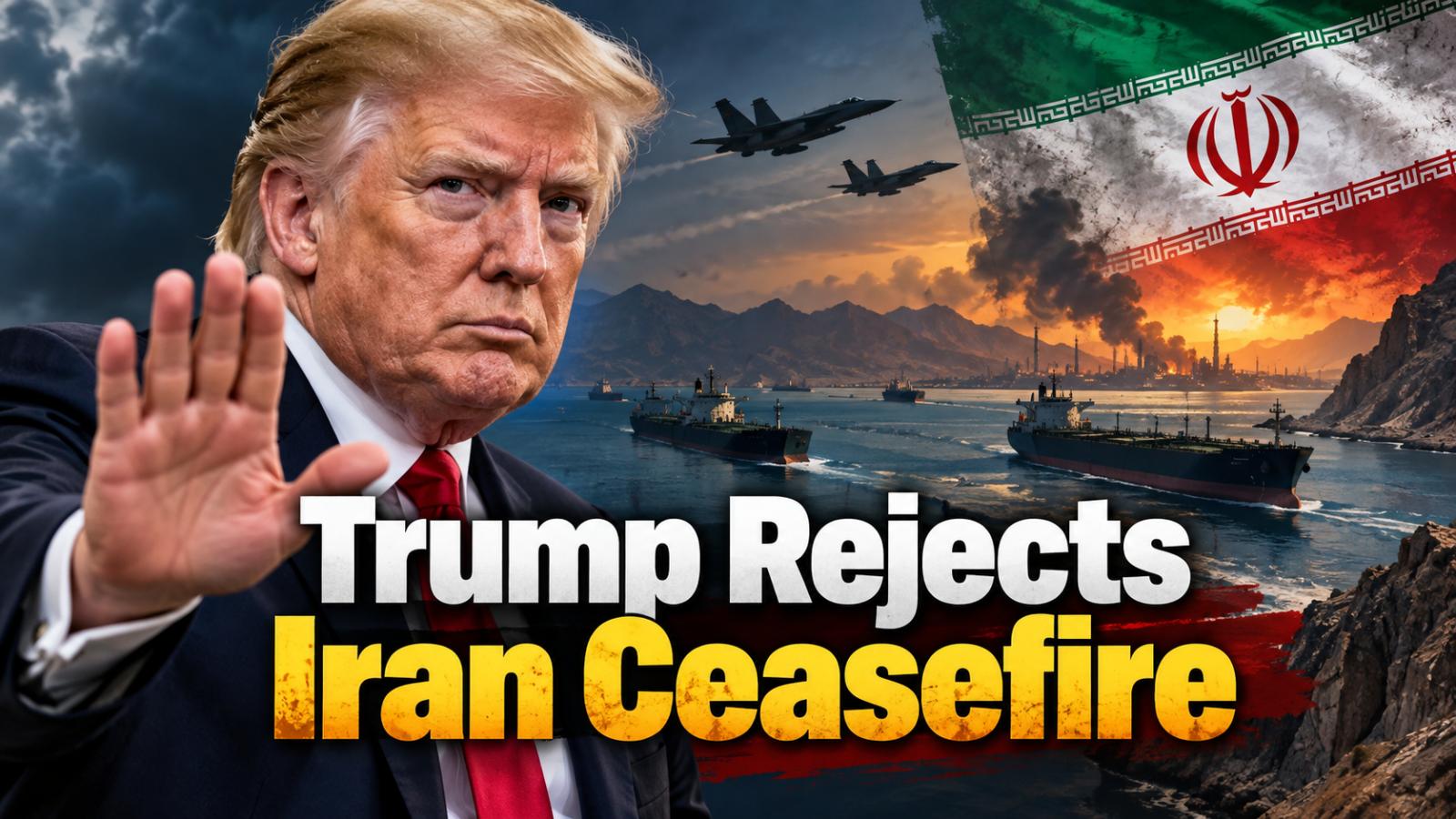
Trump rejects Iran ceasefire as Washington and Tehran remain locked between military pressure and diplomacy. US officials familiar with the discussions said the seven-day proposal linked nuclear talks, Hormuz access and the blockade to a temporary pause, while tensions over possible future strikes continue.
Tensions remain high after ceasefire rejection
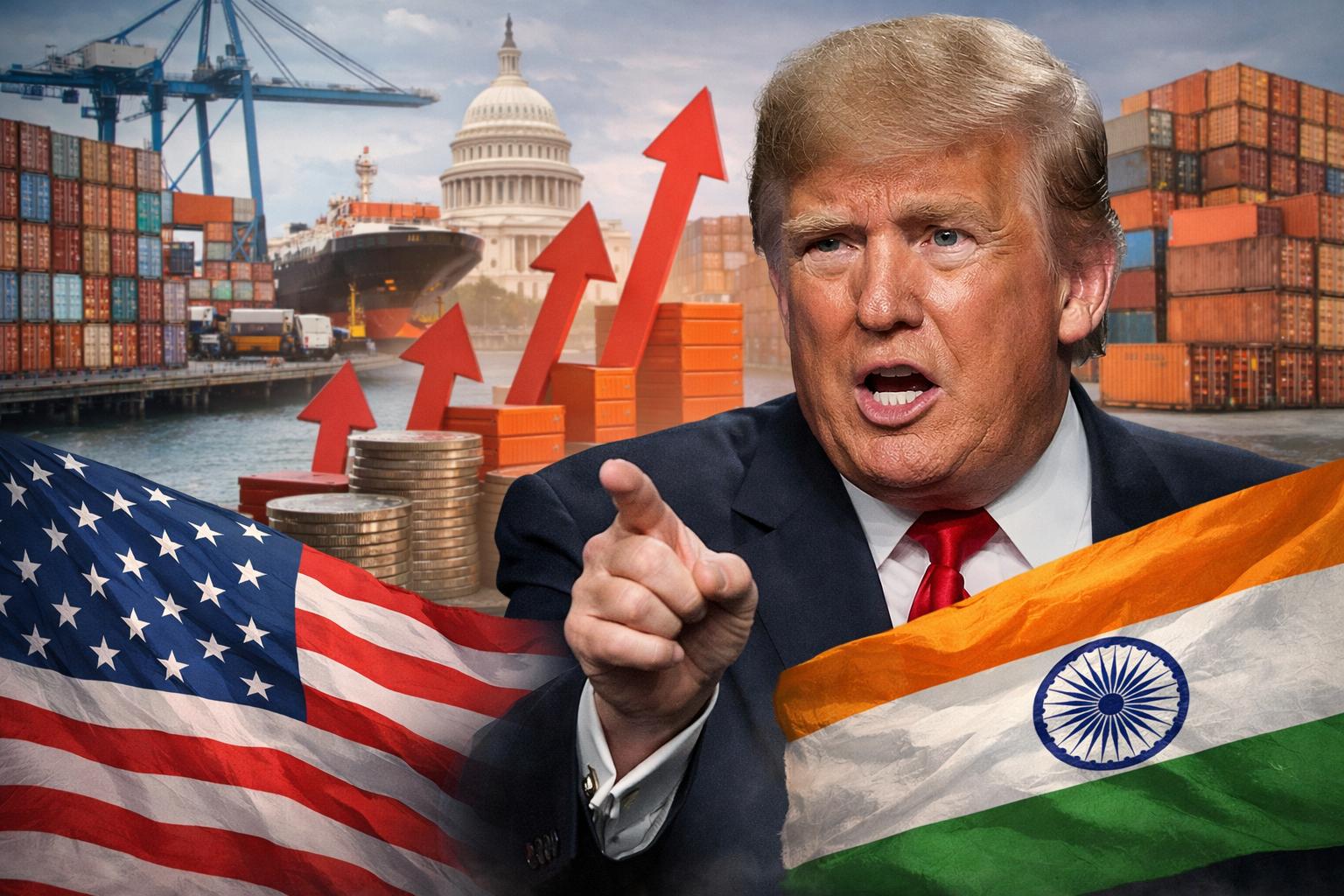
US President Donald Trump has rejected Iran’s proposed seven-day ceasefire, according to US officials familiar with the discussions. The plan would have paired a temporary pause in hostilities with steps to reopen the Strait of Hormuz and restart negotiations over Iran’s nuclear programme.
Officials also said Trump has discussed the possibility of renewed US strikes after the November midterm elections, although no final decision on the scale or timing of future military action has been announced. The reported position keeps military pressure in the background while Washington continues to leave room for negotiations.
Nuclear talks continue despite major differences
Washington and Tehran remain divided over the conditions for a broader agreement. Trump has publicly maintained that Iran must not obtain a nuclear weapon and repeated that position during his September 22 address to the UN General Assembly. He also said he believed an agreement could emerge after the midterm elections.
The president said electoral considerations would not determine his Iran decisions, even as questions continue over whether the November vote could affect the timing of future diplomatic or military moves.
Hormuz remains central to negotiations
The Strait of Hormuz remains a key part of efforts to reduce the conflict because of its importance to regional shipping and energy supplies. Qatar said on September 22 that it was working with Pakistan to de-escalate tensions between Iran and the United States, safeguard freedom of navigation through the strait and support a diplomatic settlement.
Qatar has previously backed negotiations aimed at maintaining navigation through Hormuz and reducing the risk of a wider regional confrontation.
Blockade dispute stalls seven-day proposal
The reported Iranian proposal called for Washington to lift its naval blockade of Iranian ports and ease restrictions affecting Iranian oil exports. In return, Tehran would move toward reopening the Strait of Hormuz and restarting negotiations over its nuclear programme.
US officials familiar with the discussions said Washington was not prepared to accept Iran’s demand to remove the blockade. That disagreement prevented the seven-day proposal from producing an immediate breakthrough and left economic pressure as a major part of the dispute.
Iran policy keeps military and diplomatic options open
Trump’s Iran policy currently combines economic pressure, the possibility of further military action and continued diplomatic contacts. Qatar confirmed on September 25 that Iranian President Masoud Pezeshkian met Qatar’s prime minister in New York, where the two discussed de-escalation and efforts to create conditions for renewed dialogue.
The immediate path remains uncertain. The ceasefire proposal has not produced an agreement, but regional mediation continues. Any next step is likely to depend on whether Washington and Tehran can narrow their differences over the blockade, Hormuz access, sanctions and Iran’s nuclear programme without another major military escalation.