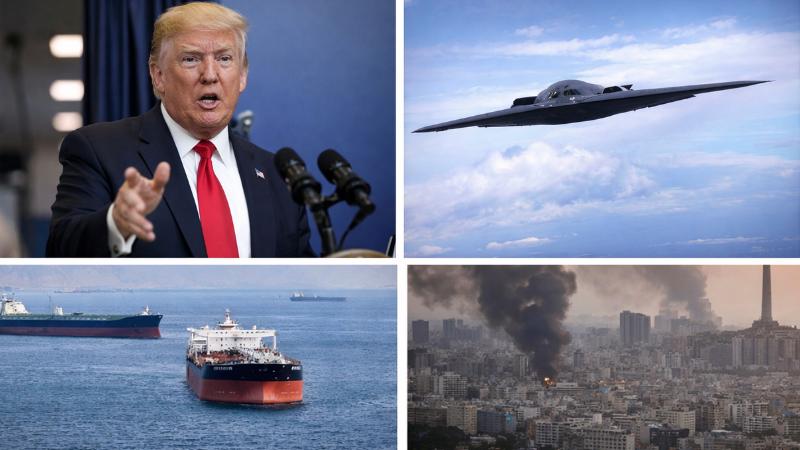
India oil import bill rises as Middle East war lifts crude costs, exposing the economy to higher energy, shipping and currency expenses. India crude import dependence, rupee depreciation and rising freight could increase domestic costs, while higher fuel prices create a political challenge before US midterm elections.
India crude import dependence
India remains highly dependent on overseas crude, with imports meeting about 88.7% of its oil requirement in 2025-26. Its crude import bill stood near $121.8 billion, showing why even relatively small movements in international crude oil prices can have a significant effect on the country's finances.
At an illustrative exchange rate of ₹88 to the dollar, that annual bill equals roughly ₹10.7 lakh crore. At around ₹95.05 per dollar, the same $121.8 billion would translate to about ₹11.6 lakh crore. The comparison shows that India can face a higher rupee-denominated oil bill even if the dollar price of crude itself does not change.
Based on the reported annual import volume, a sustained $1-per-barrel increase could add approximately ₹16,000 crore to the annual import cost at ₹88 per dollar, assuming import volumes remain broadly unchanged.
Shipping and insurance costs
The headline crude price is only part of India's exposure. A wider conflict can raise tanker rates, war-risk insurance premiums and voyage times, increasing the delivered cost of each barrel.
The Strait of Hormuz remains especially important because a large share of Gulf energy exports passes through the narrow waterway. Any disruption could force refiners to seek alternative supplies or routes at higher prices.
Freight costs for Russian oil shipments to India have also risen during periods of heightened shipping risk. That means refiners can face greater expenses even when physical crude supplies remain available.
Rupee depreciation impact
Oil is priced internationally in US dollars, making the rupee another major factor in India's energy costs. When the currency weakens, refiners need more rupees to purchase the same dollar amount of crude.
A prolonged combination of higher crude prices and rupee depreciation could widen India's import bill, put pressure on the trade balance and complicate inflation management. It may also increase the burden on oil companies if domestic fuel prices do not immediately reflect higher international costs.
Household fuel price pressure
For consumers, the effect depends on how long elevated energy costs persist and how much of the increase is absorbed by refiners or government policy.
If higher costs eventually pass through, households could see pressure through petrol, diesel, cooking fuel and transport expenses. Higher freight costs can also spread across the economy because trucks carry food, manufactured goods and everyday essentials across India.
The result could be broader inflation rather than a fuel-price problem alone.
Trump midterm energy challenge
The same energy shock carries political consequences in the United States. With congressional elections scheduled for November 3, higher petrol prices or renewed inflation could weaken President Donald Trump's economic message during the closing weeks of the campaign.
Energy prices alone will not determine the US midterm elections, but they are highly visible to voters. A sustained war premium could therefore create pressure on both sides of the world: India would pay more to secure imported energy, while the Trump administration could face questions over whether geopolitical decisions are raising costs at home.