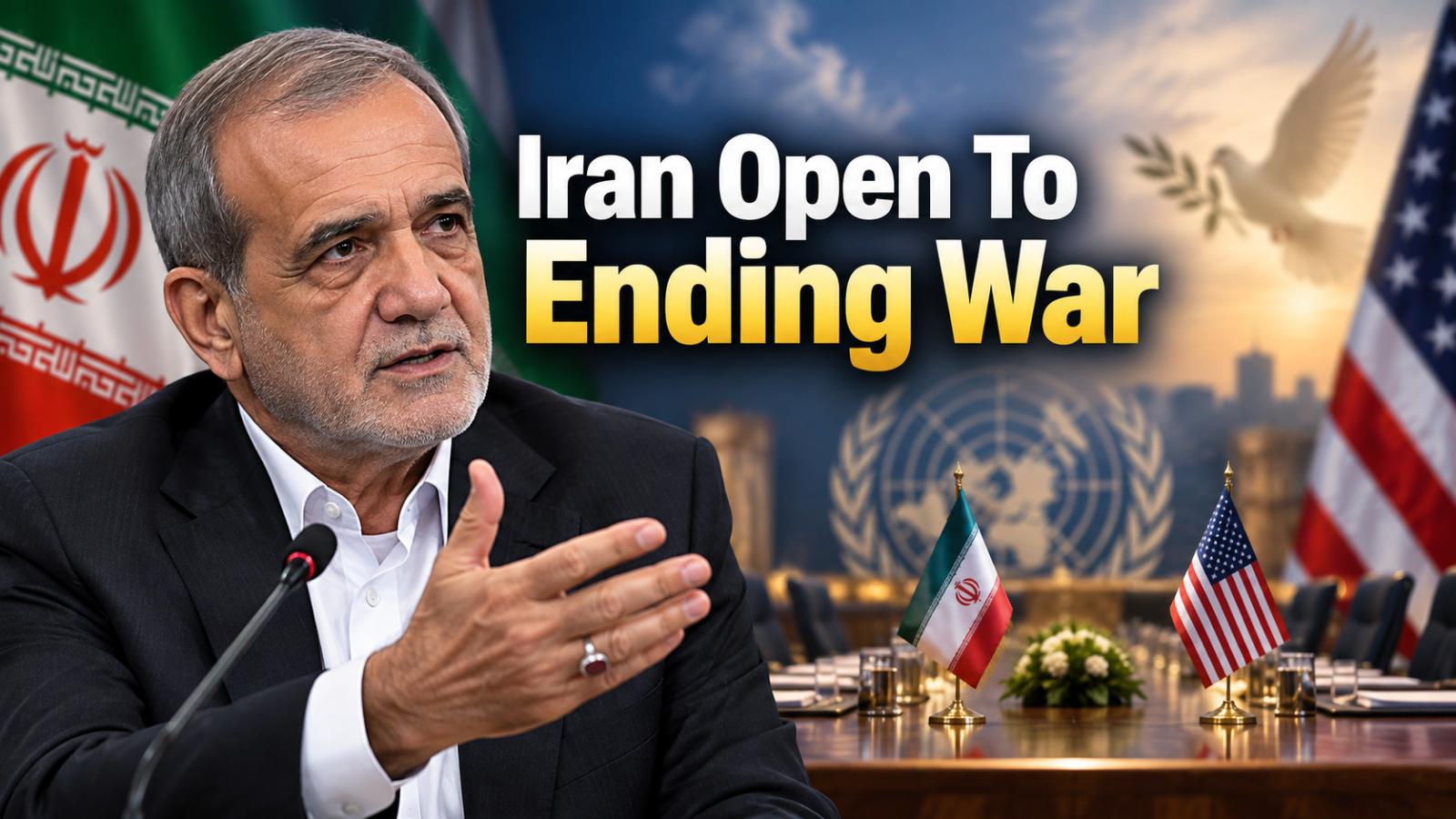
Iranian President Masoud Pezeshkian says Tehran does not want its conflict with the United States to continue and remains open to negotiations. His remarks came as Iranian and US officials held talks in New York, although the discussions produced no immediate breakthrough and major disagreements remain.
US deal remains possible, Pezeshkian says
In an interview aired Thursday, Pezeshkian said disputes should be resolved through dialogue rather than continued fighting. He argued that Washington now had to decide whether it wanted the conflict to end and said Iran was prepared to reach an agreement with President Donald Trump if negotiations followed international legal frameworks.
Pezeshkian also questioned why an earlier ceasefire arrangement collapsed soon after it was reached. His comments suggested that Tehran still sees negotiations as possible despite deep mistrust over previous diplomatic efforts and the military confrontation that followed.
UN stance mixes defiance and diplomacy
The interview came one day after Pezeshkian addressed the UN General Assembly, where he adopted a tougher public tone toward Washington. He said Iran would not bow to military pressure or sanctions, while also stating that Tehran remained ready for dialogue and diplomacy without what he described as coercion.
That combination of resistance and negotiation reflects Tehran’s broader approach at the UN: defend its military and political position while keeping a diplomatic channel open. Trump has also publicly acknowledged ongoing contacts, even as he has issued severe warnings about the consequences if no agreement is reached.
New York talks yield no breakthrough
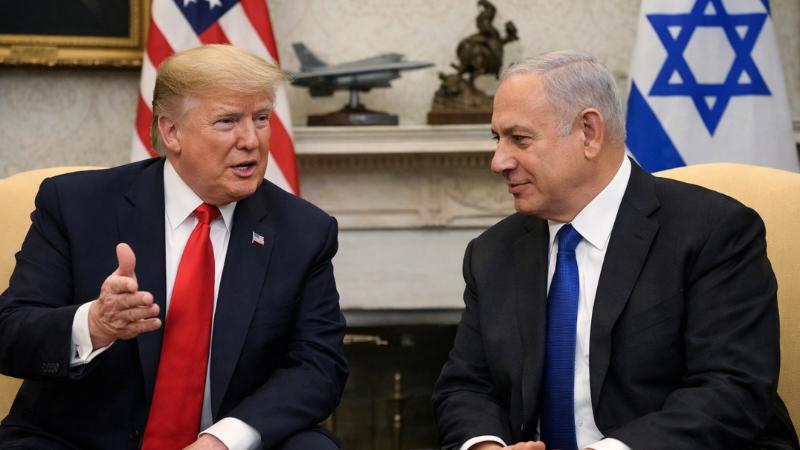
Iranian Foreign Minister Abbas Araghchi met US envoy Steve Witkoff and Jared Kushner on the sidelines of the General Assembly. The talks were among the most significant direct contacts between the two sides in months, but no final agreement emerged.
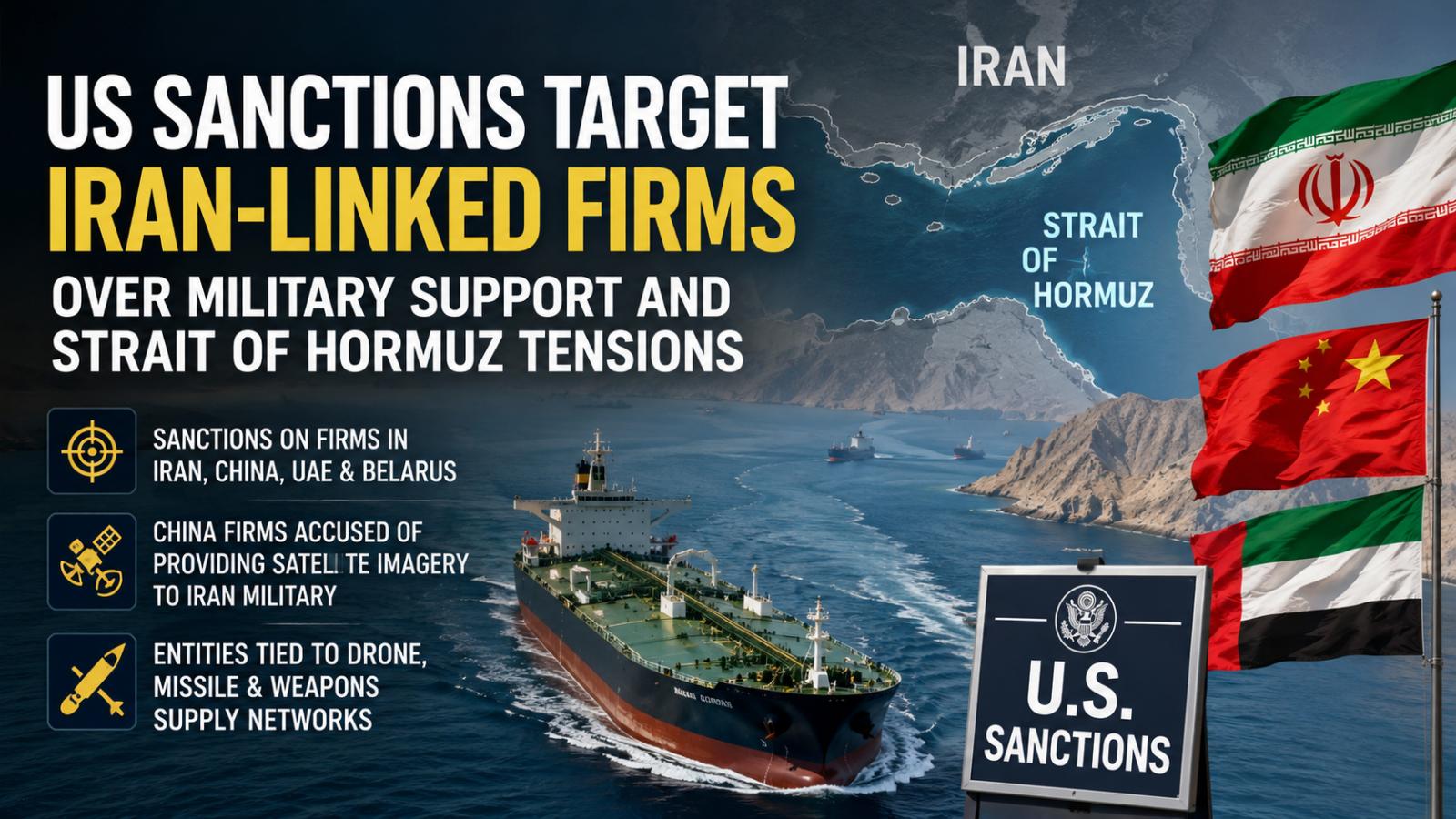
Diplomatic discussions have focused on ending hostilities, restoring more normal passage through the Strait of Hormuz and creating a wider framework for negotiations. The two governments, however, remain divided over security guarantees, sanctions, nuclear issues and the future of regional armed groups.
Houthis remain a major dispute
Pezeshkian also addressed Iran’s relationship with Yemen’s Houthi movement. He said the Houthis make their own decisions and do not take operational orders from Tehran, while acknowledging that Iran maintains contacts with the group.
The United States and several of its allies describe the Houthis as Iran-backed, pointing to Tehran’s longstanding political and military relationship with the movement. The Houthis remain a major security concern because their attacks have intensified instability around Saudi Arabia, Yemen and important shipping routes.
Ceasefire hopes depend on wider agreement
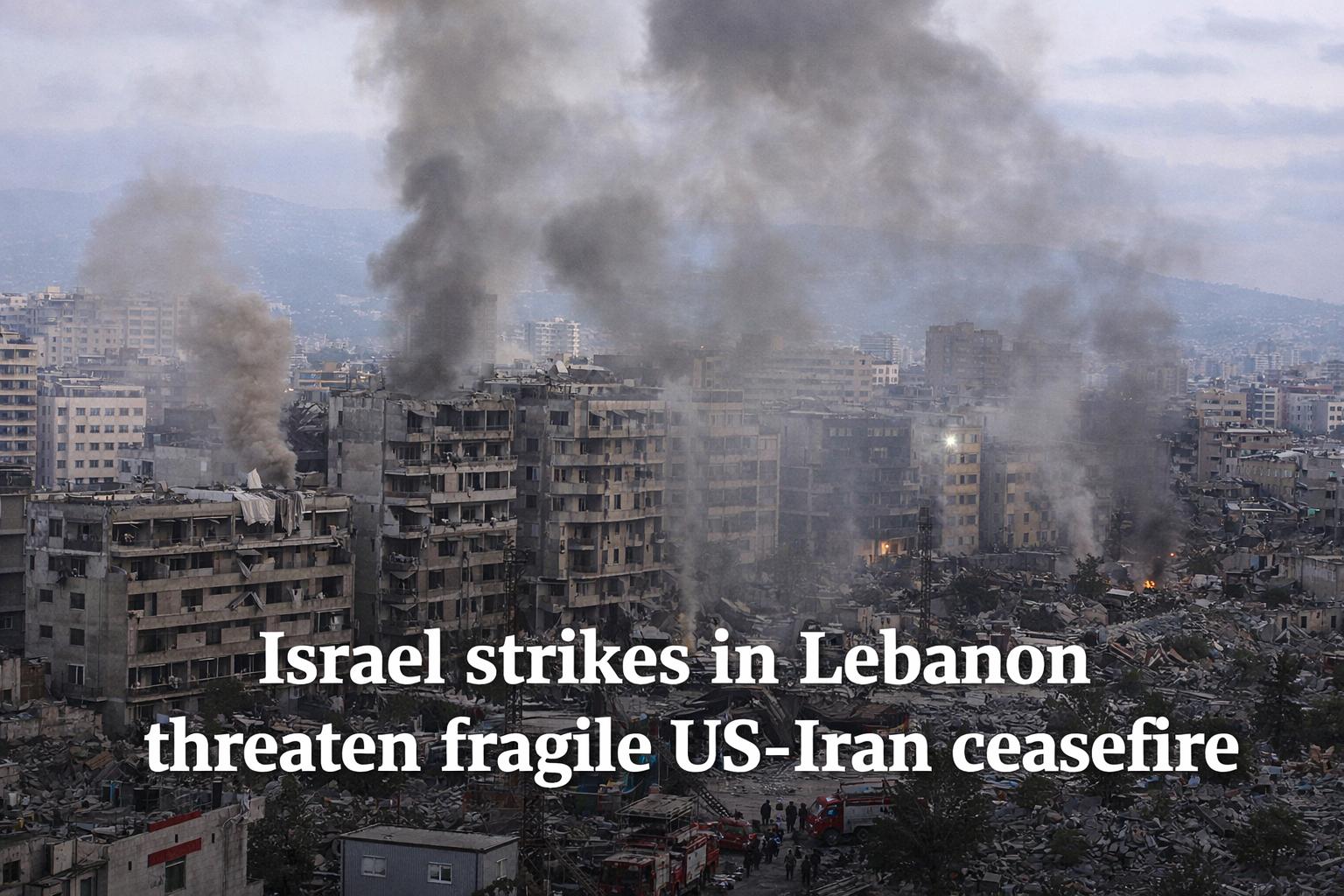
Pezeshkian’s latest comments indicate that Tehran wants to preserve a diplomatic option even while maintaining a confrontational public stance. Whether that leads to a ceasefire will depend on whether the New York contacts develop into formal negotiations and whether Washington and Tehran can narrow their differences over regional security, sanctions and Iran’s nuclear program.