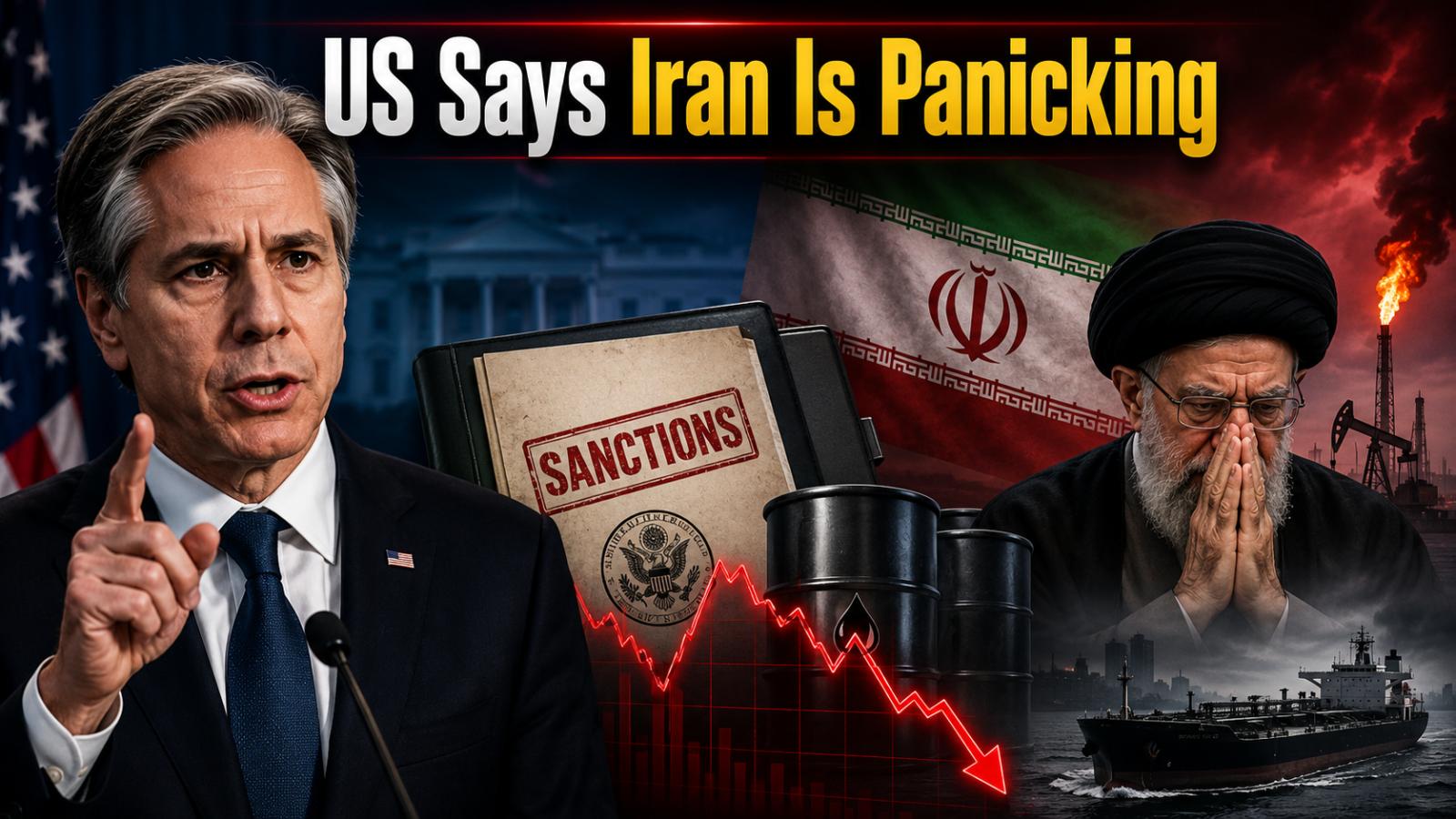
Iran sanctions pressure has intensified after US Treasury Secretary Scott Bessent claimed Tehran’s leadership is showing signs that Washington’s new economic campaign is working. Iranian officials rejected that assessment, while oil prices fell despite continuing US-Iran tensions.
Bessent claim focuses on Iranian leaders
Bessent said on Tuesday that Iran’s leadership was effectively acknowledging the impact of the latest US pressure campaign. He pointed to recent remarks from President Masoud Pezeshkian and Parliament Speaker Mohammad Bagher Ghalibaf about the need to end the conflict and protect Iran’s economy.
The Treasury secretary’s comments followed the August 24 launch of Operation Economic Outcast, which Washington describes as an unprecedented effort to sever Iran’s remaining financial connections. Treasury says the campaign targets oil revenue, financial networks and sectors including shipping, aviation, technology, gold and digital assets.
Bessent said entities facilitating Iranian money flows could lose access to the US dollar system. Treasury also announced sanctions on more than 60 entities, individuals and vessels accused of helping Tehran generate revenue or obtain sensitive technology.
Iran economy concerns emerge publicly
Pezeshkian has said ending the war is a priority and argued that Iran should pursue an agreement while maintaining what he described as a position of strength and dignity.
Ghalibaf has separately warned that military strength alone cannot sustain the country if citizens face economic hardship and domestic production fails to grow. Those remarks gave Washington an opening to argue that sanctions are creating political pressure inside Iran.
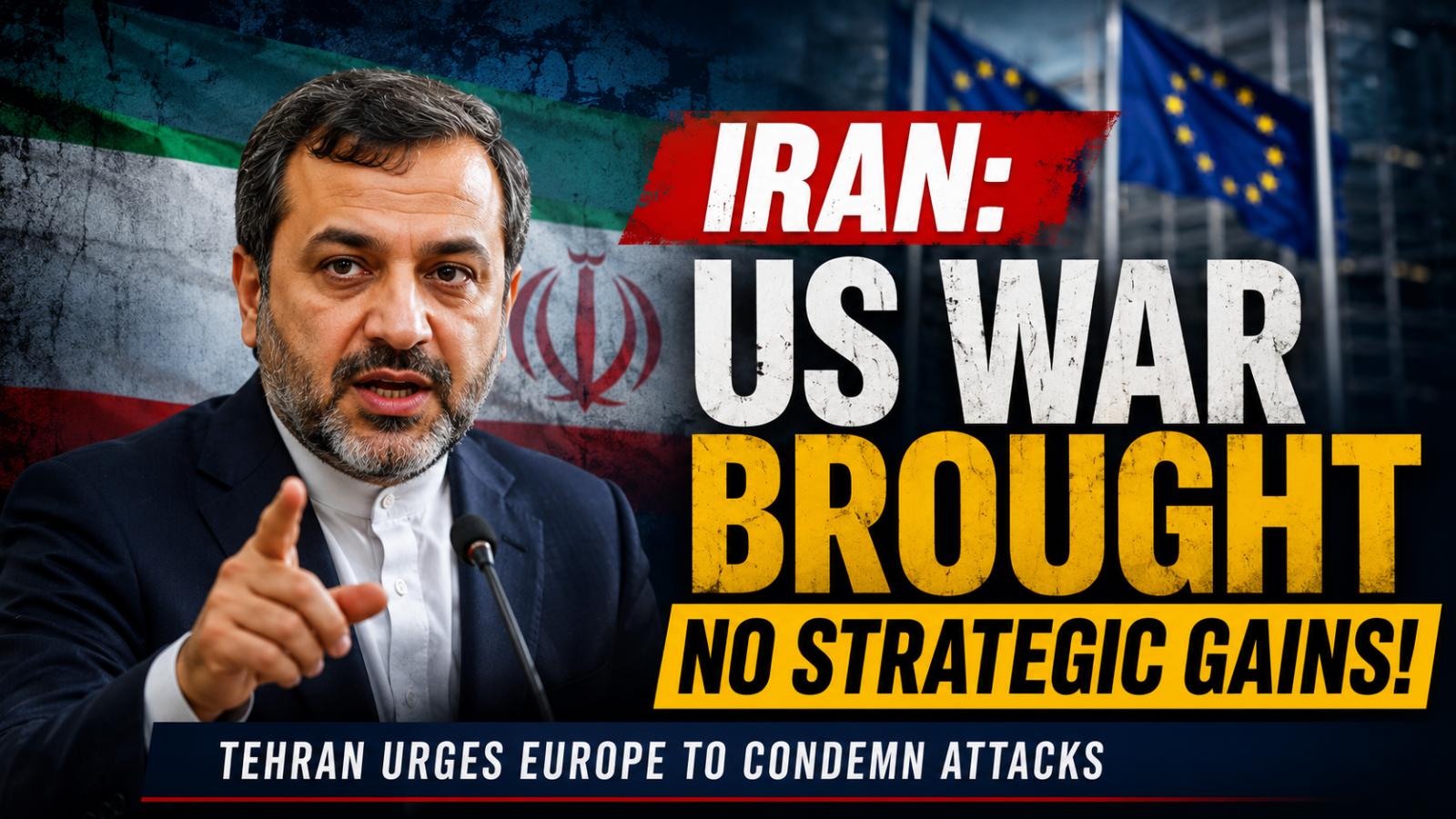
However, both officials have pushed back against the US interpretation. Ghalibaf said Washington was exaggerating its ability to isolate Iran and argued that Tehran’s trading partners would continue resisting American pressure.
Iran’s economy minister has also said the country prepared for tougher sanctions well in advance and expects the latest US measures to fail. The competing claims make it difficult to measure how much immediate political pressure the sanctions are actually creating.
US sanctions campaign broadens significantly
The new strategy goes beyond targeting individual Iranian companies. Treasury says countries and businesses dealing with sanctioned Iranian networks now face broader secondary-sanctions risks.
Bessent said Washington intends to close what he called Iran’s remaining economic lifelines and warned governments that continued engagement with Tehran could affect their access to the US-led financial system.
That raises the stakes for Iran’s trading partners, particularly countries involved in energy purchases, shipping, banking and technology. The effectiveness of the strategy will depend heavily on whether major economies comply or find alternative channels for trade.
Pezeshkian keeps diplomacy in focus
Despite the harsher rhetoric, Pezeshkian continues to stress negotiations. Iranian officials say diplomatic engagement should not be interpreted as surrender and argue that Tehran is seeking an end to the conflict while preserving national sovereignty.
Pakistan has also remained involved in diplomatic efforts surrounding the US-Iran conflict. A memorandum reached earlier through mediation failed to produce a permanent settlement within its original timetable, but regional governments continue trying to revive negotiations.
The result is a two-track confrontation: Washington is expanding economic pressure while Iran publicly rejects the sanctions but continues signaling interest in ending the war.
Oil prices fall despite Iran tensions
Markets did not respond to the new sanctions with an immediate oil surge. Brent crude fell 3.8% to about $87.14 a barrel during Tuesday trading, marking a second consecutive decline despite elevated geopolitical risk.
That suggests traders are weighing sanctions against expectations about negotiations, shipping through the Persian Gulf and future Iranian supply.
For Washington, falling oil prices may strengthen the argument that additional pressure on Tehran can be imposed without immediately triggering another energy shock. For Iran, however, the real test will be whether sanctions significantly reduce exports, weaken the rial and increase domestic economic pressure over the coming months.