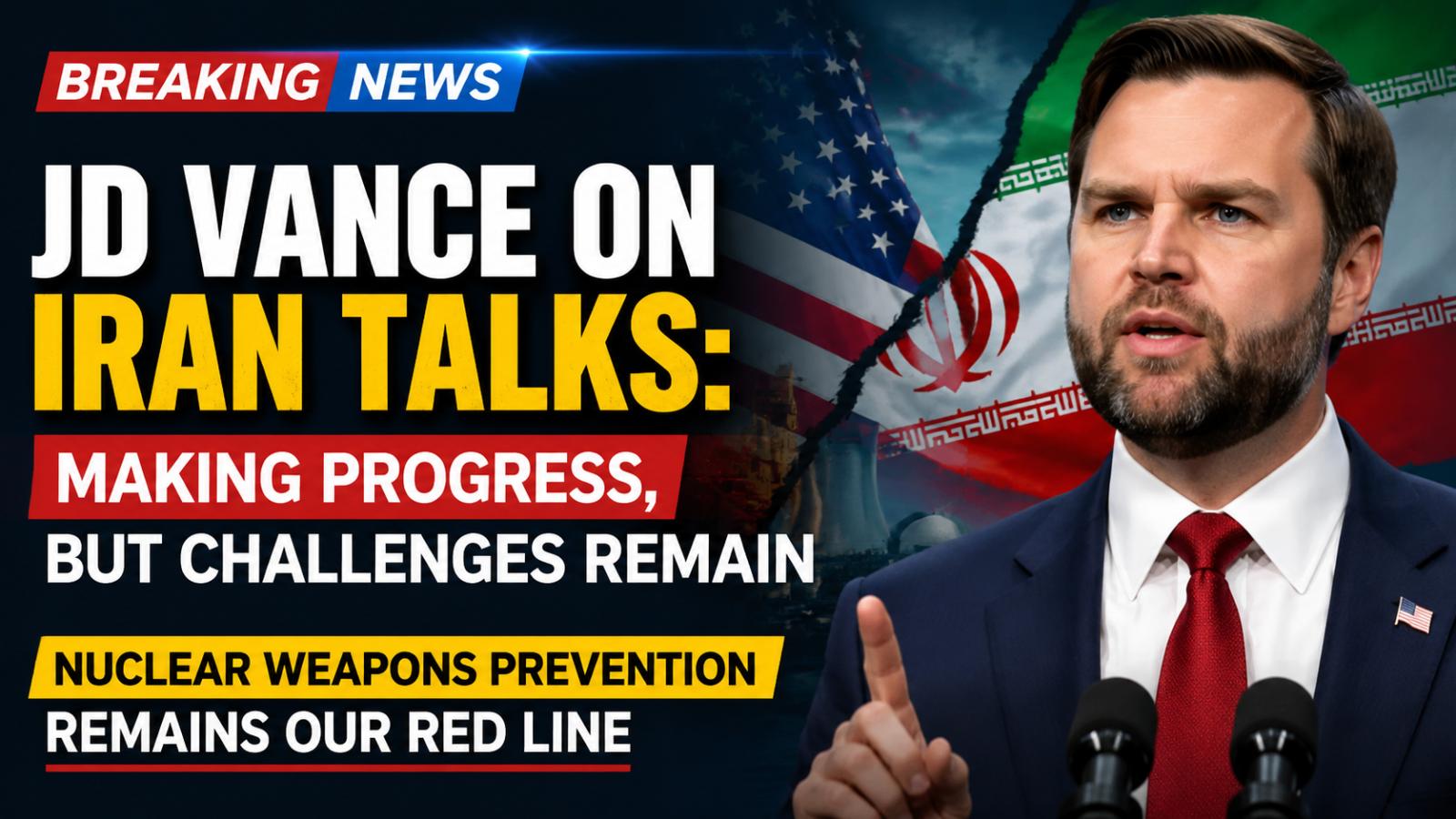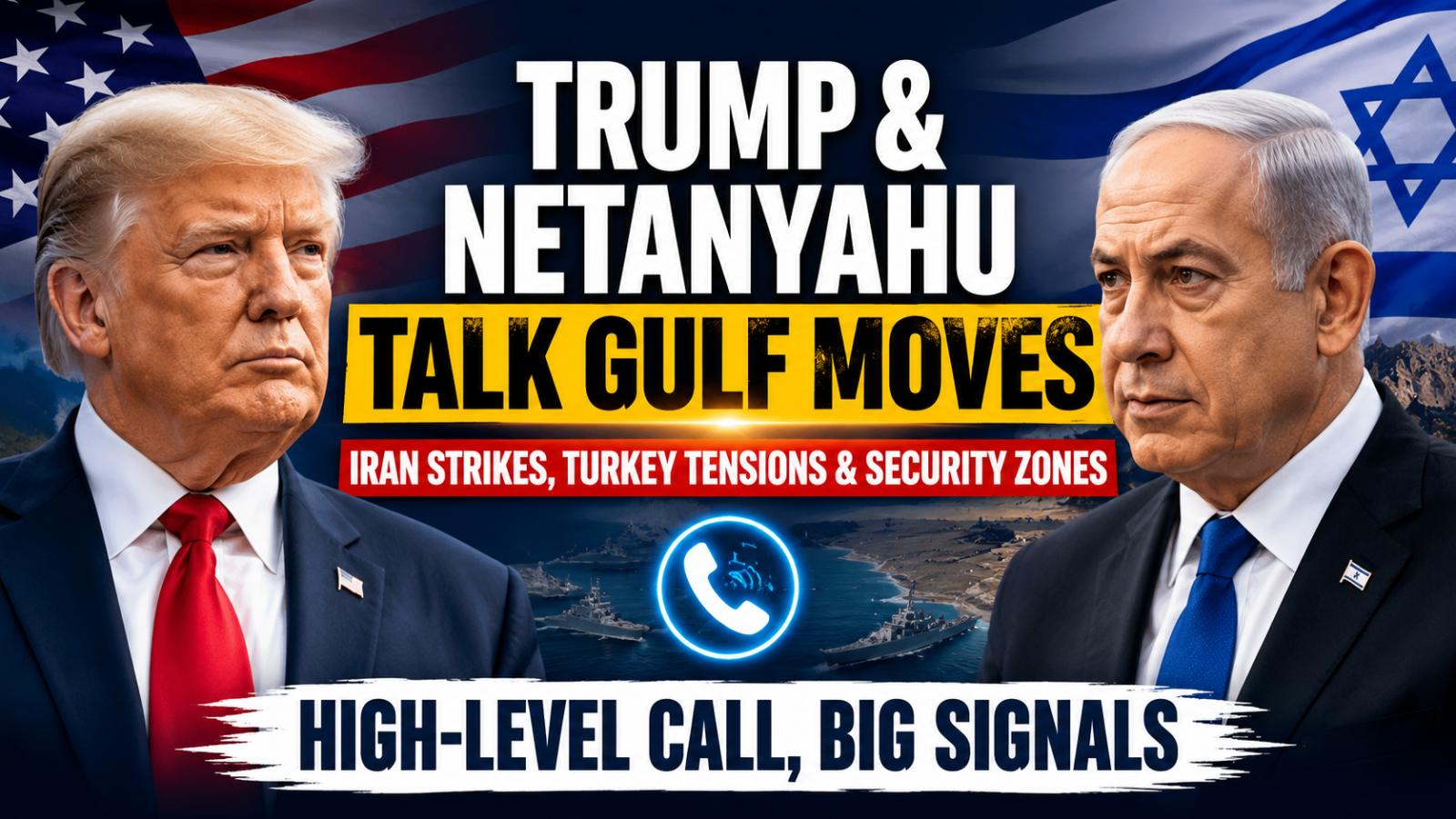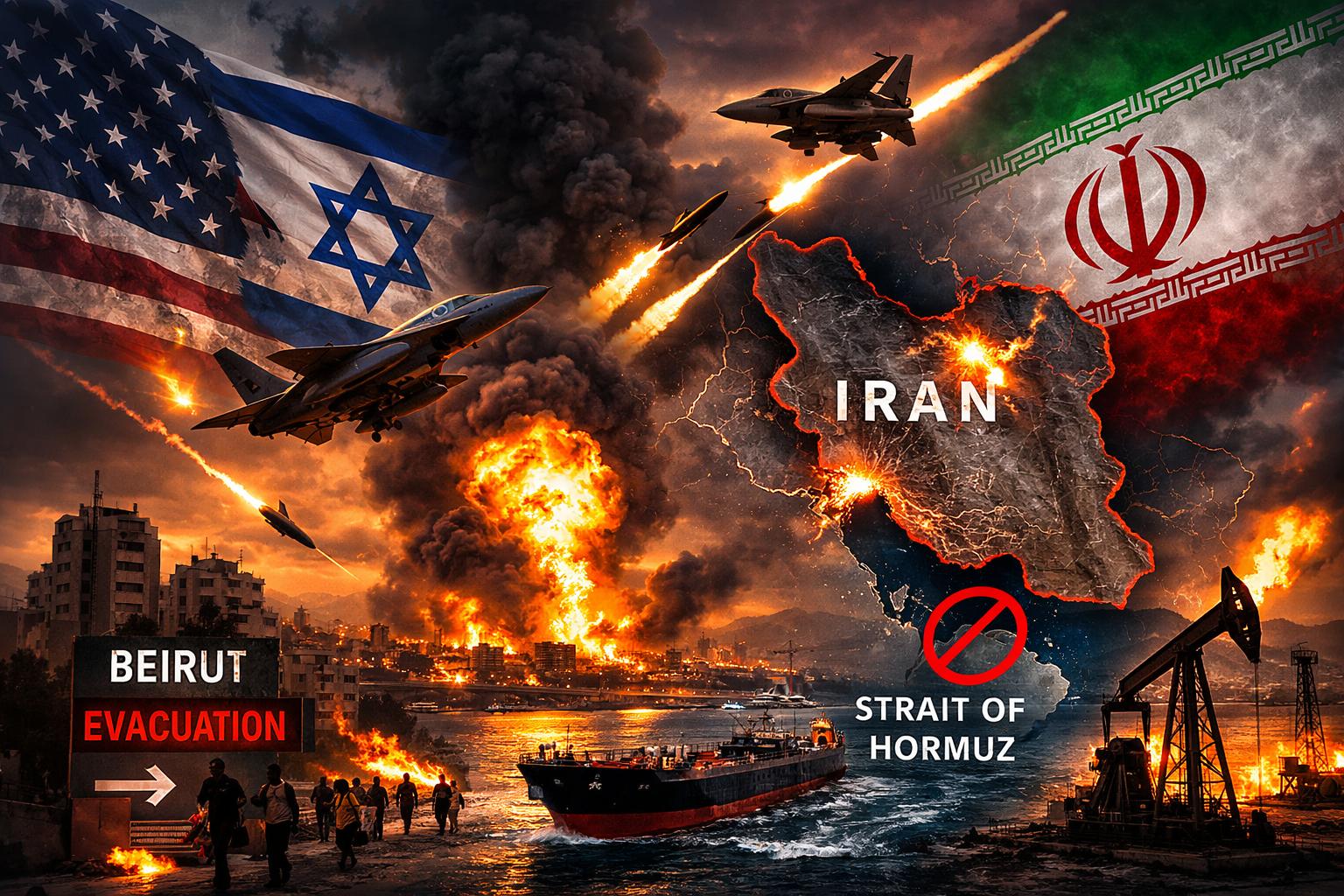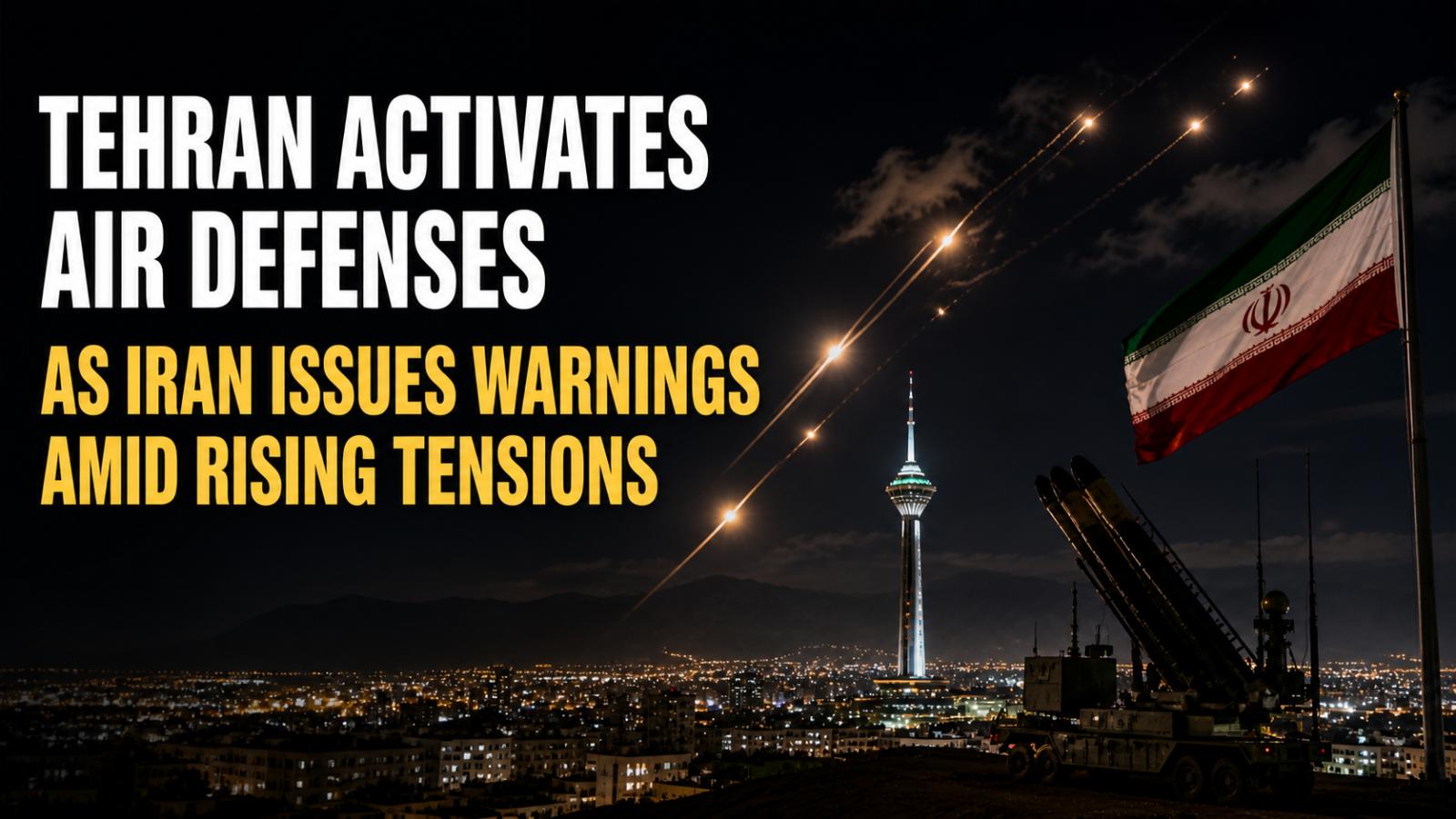
Tehran activated air defenses against drones as Iran warned of retaliation if attacks resume. U.S. officials signaled continued military action, while tensions over the Strait of Hormuz and ceasefire terms highlight ongoing instability.
Tehran activates air defenses as Iran issues warnings amid rising tensions, according to Iranian media reports describing heightened military alertness on Thursday night. Authorities in Tehran said air defense systems were deployed to counter small aircraft and drones, signaling continued volatility despite an ongoing ceasefire.
Iran’s representative to the United Nations warned that any country supporting attacks on Iran, or allowing its territory to be used for such operations, would face consequences. The statement underscored Tehran’s broader effort to deter external involvement as tensions persist across the region.
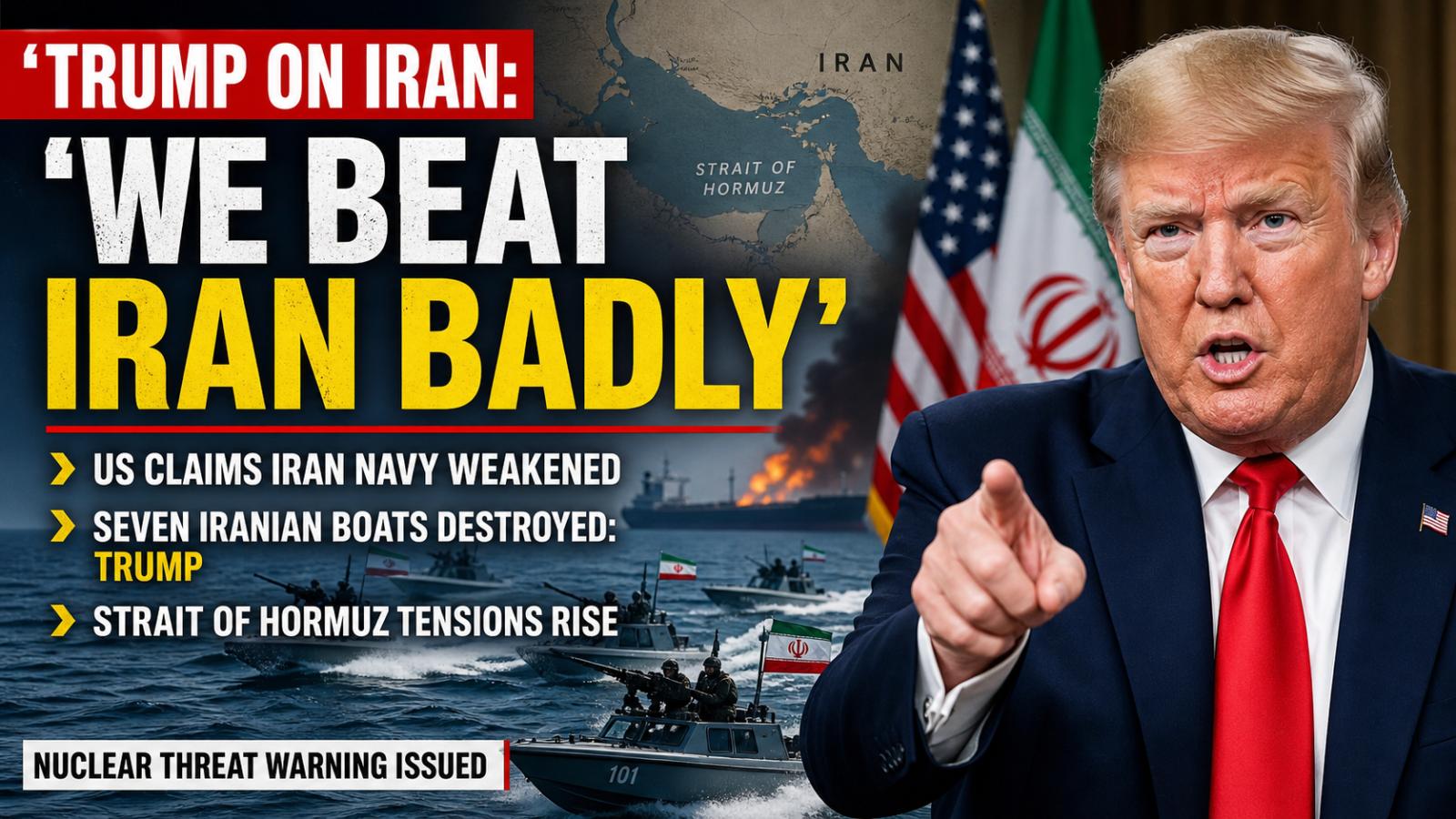
At the same time, Donald Trump commented on the situation, stating that Iran was eager to negotiate while downplaying the scale of the conflict. He said Iran’s military capabilities had been significantly weakened, asserting that its naval and air forces were largely diminished. His remarks reflected the administration’s position that pressure has shifted leverage toward Washington.
The administration is also seeking to continue military operations without congressional approval. Pete Hegseth told the Senate Armed Services Committee that the ceasefire effectively pauses the 60-day limit under the War Powers Resolution, arguing that the timeline does not apply during a temporary halt in hostilities.
Iranian officials, however, issued fresh warnings about potential escalation. Mojtaba Khamenei stated that Tehran would carry out “long and painful strikes” if attacks resume, emphasizing that Iran would defend its nuclear and missile capabilities. His remarks highlighted the country’s readiness to respond forcefully if provoked.
Separately, Masoud Pezeshkian criticized the U.S. naval presence in the Strait of Hormuz, describing it as a continuation of military pressure despite the ceasefire. The strategic waterway remains a focal point of global concern, as disruptions there could impact international energy supplies and trade routes.