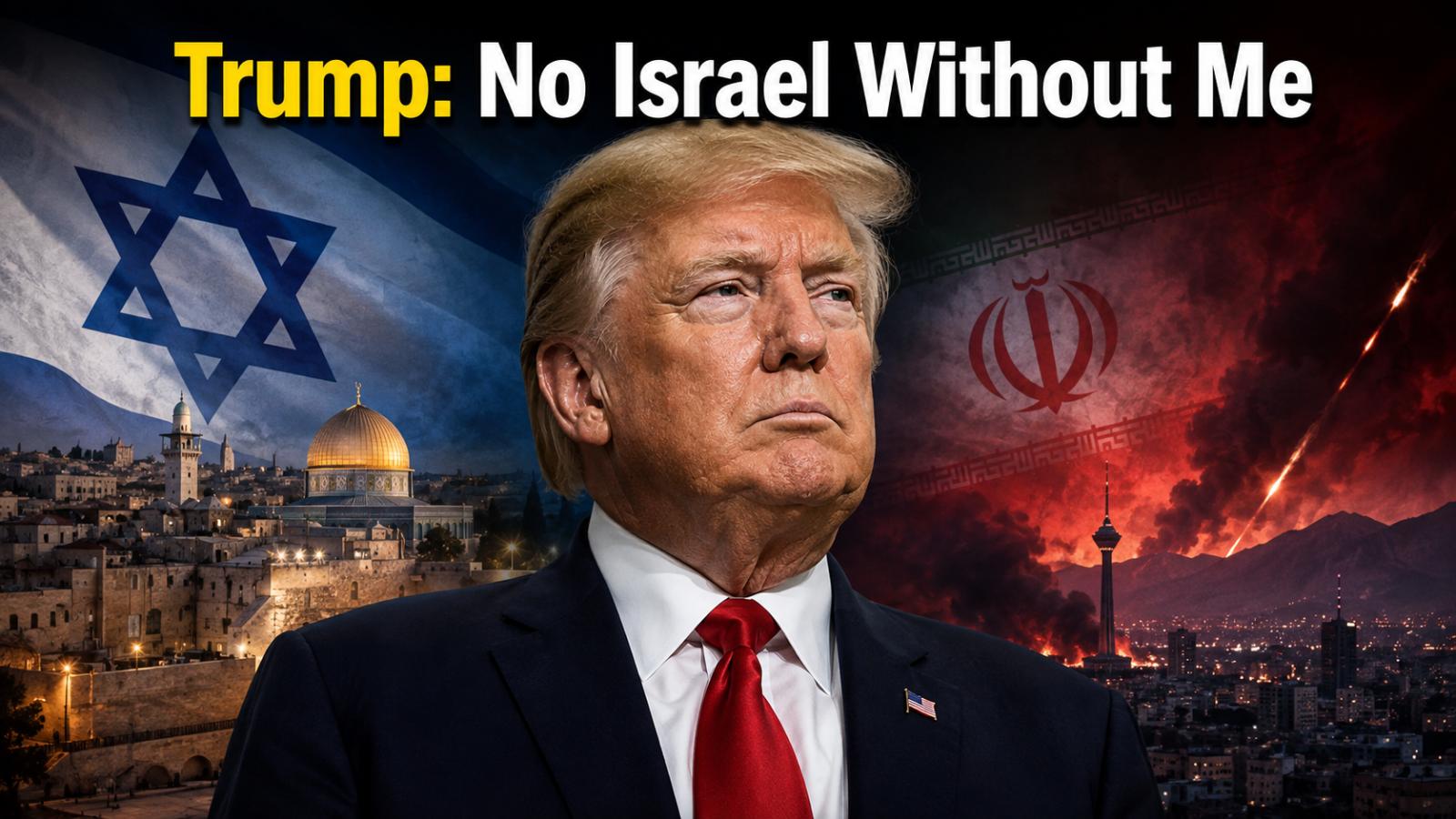
US President Donald Trump has again claimed that Israel would not exist today without his policies toward Iran. In a wide-ranging interview, he defended withdrawing from the JCPOA, discussed Mojtaba Khamenei’s condition and said the Strait of Hormuz was functioning despite continuing attacks.
JCPOA exit returns to center of Trump Israel claim
Speaking with conservative broadcaster Glenn Beck, Trump described the 2015 Iran nuclear agreement as one of the most dangerous deals ever negotiated and argued that it created a path toward an Iranian nuclear weapon. He said Iran would eventually have acquired such a weapon and claimed Israel would have been “totally knocked out” without his presidency.
Trump withdrew the United States from the Joint Comprehensive Plan of Action in May 2018 and restored sanctions on Tehran. His administration argued at the time that the agreement failed to address Iran’s missile programme, regional activities and longer-term nuclear risks.
Trump’s latest statement remains a political claim rather than an independently verifiable conclusion. The JCPOA imposed limits and international monitoring on Iran’s nuclear programme, while Washington’s decision to leave the agreement reflected the administration’s judgment that those restrictions were insufficient.
Khamenei status remains uncertain
Trump also addressed speculation surrounding Iranian Supreme Leader Mojtaba Khamenei, saying he does not believe the Iranian leader is dead. He claimed Khamenei was seriously wounded on the left side of his body but remained alive.
Mojtaba Khamenei assumed leadership after his father, Ayatollah Ali Khamenei, was killed during US-Israeli strikes earlier in 2026. He has made no verified public appearance since suffering injuries, fueling questions about his condition and ability to exercise power.
Trump said Iranian officials continue speaking as though decisions require Khamenei’s approval, which he cited as one reason he believes the supreme leader remains alive. No independent confirmation of his current medical condition has been released.
Hormuz update challenges shipping picture
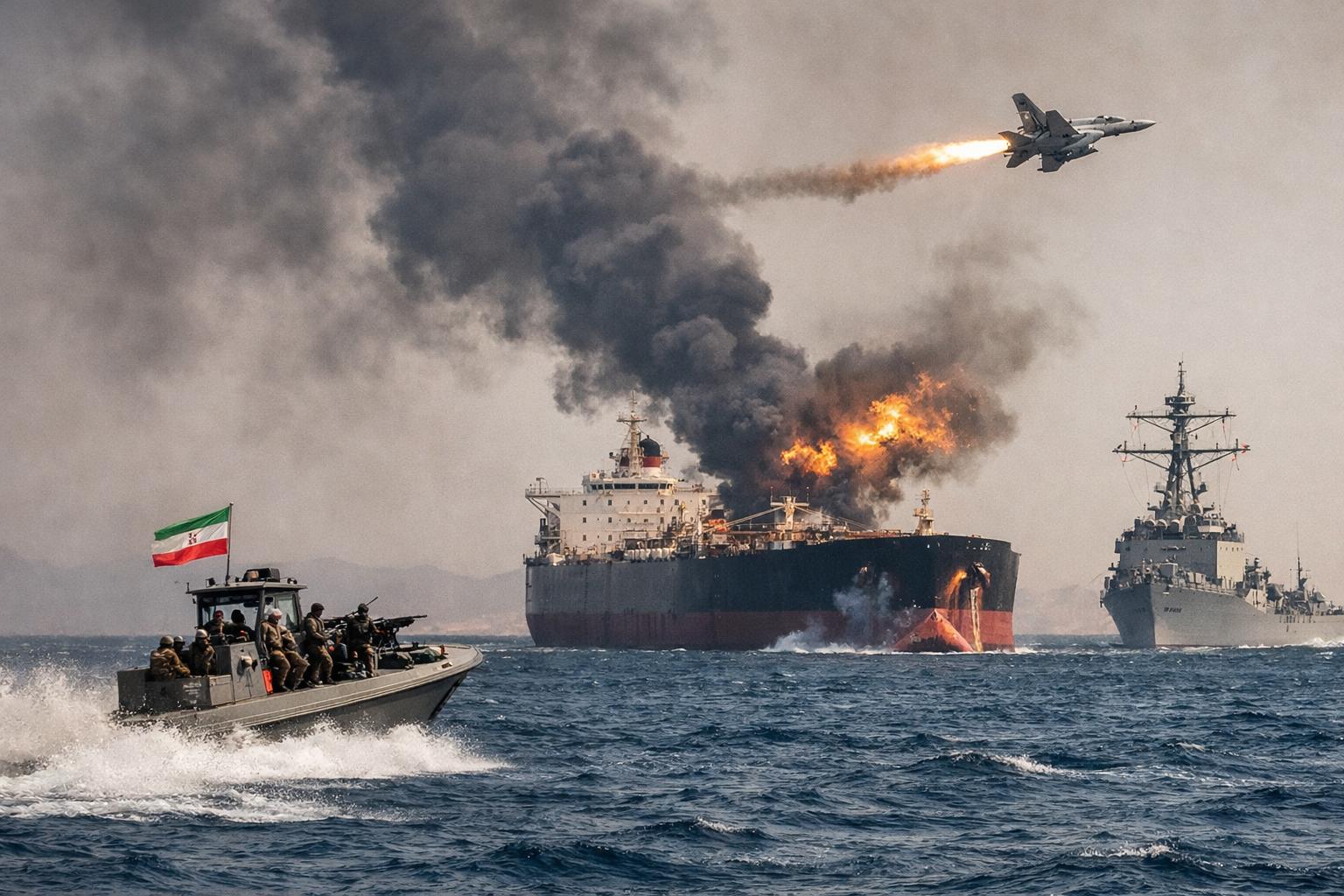
Trump also said the Strait of Hormuz is functioning and repeated his assertion that mines have been removed from the strategic waterway. He acknowledged that drones or rockets could still occasionally be fired but argued that commercial movement had resumed.
That description remains contested. Maritime reporting has indicated that oil flows through the strait remain well below normal levels despite periods of resumed traffic. Iran and Oman are also discussing temporary navigation arrangements aimed at making commercial shipping safer.
Iran war continues without fixed timetable
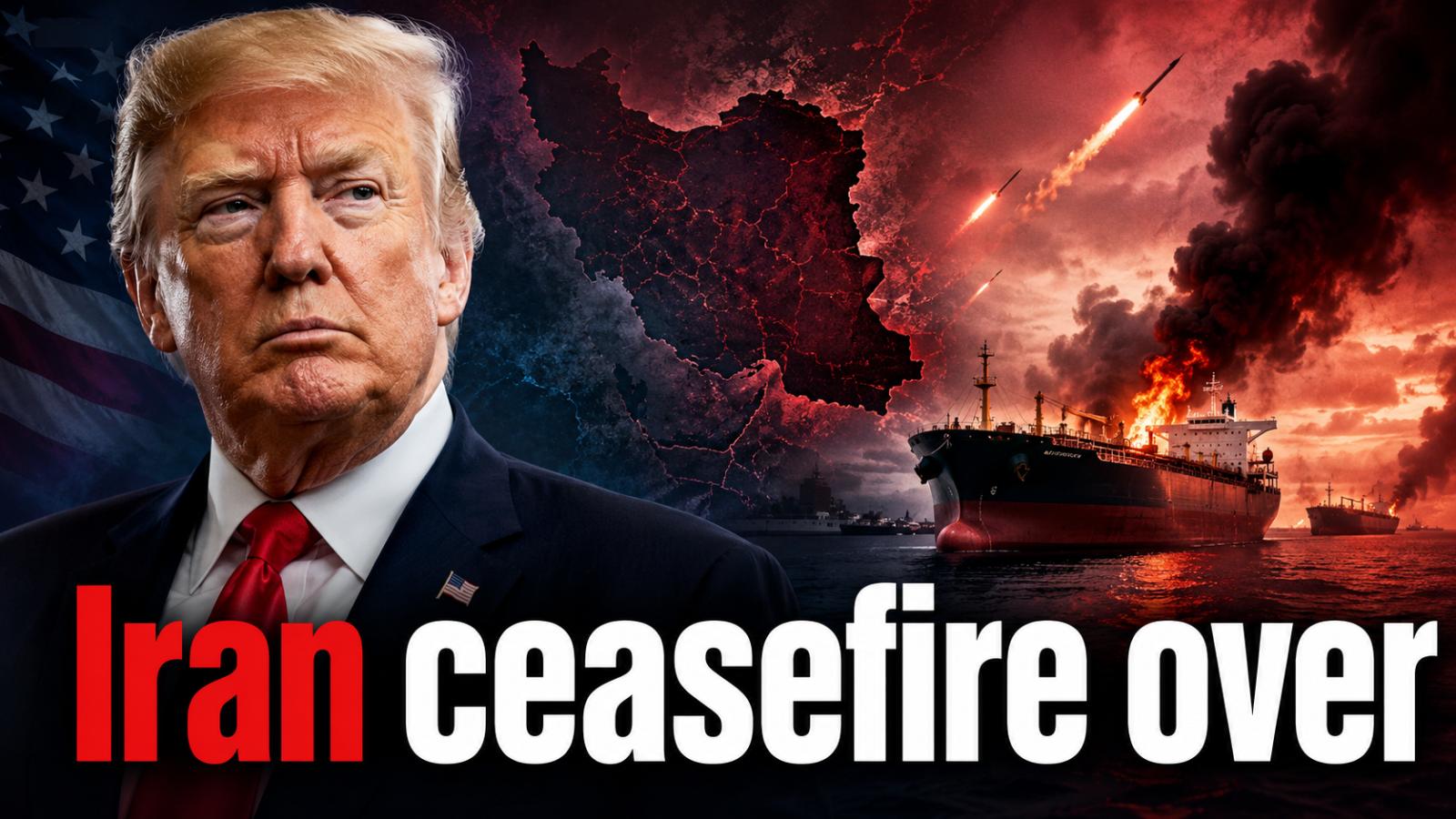
In separate remarks on Wednesday, Trump said the United States was achieving what he called a major victory against Iran but gave no timetable for ending the conflict or restarting formal peace negotiations.
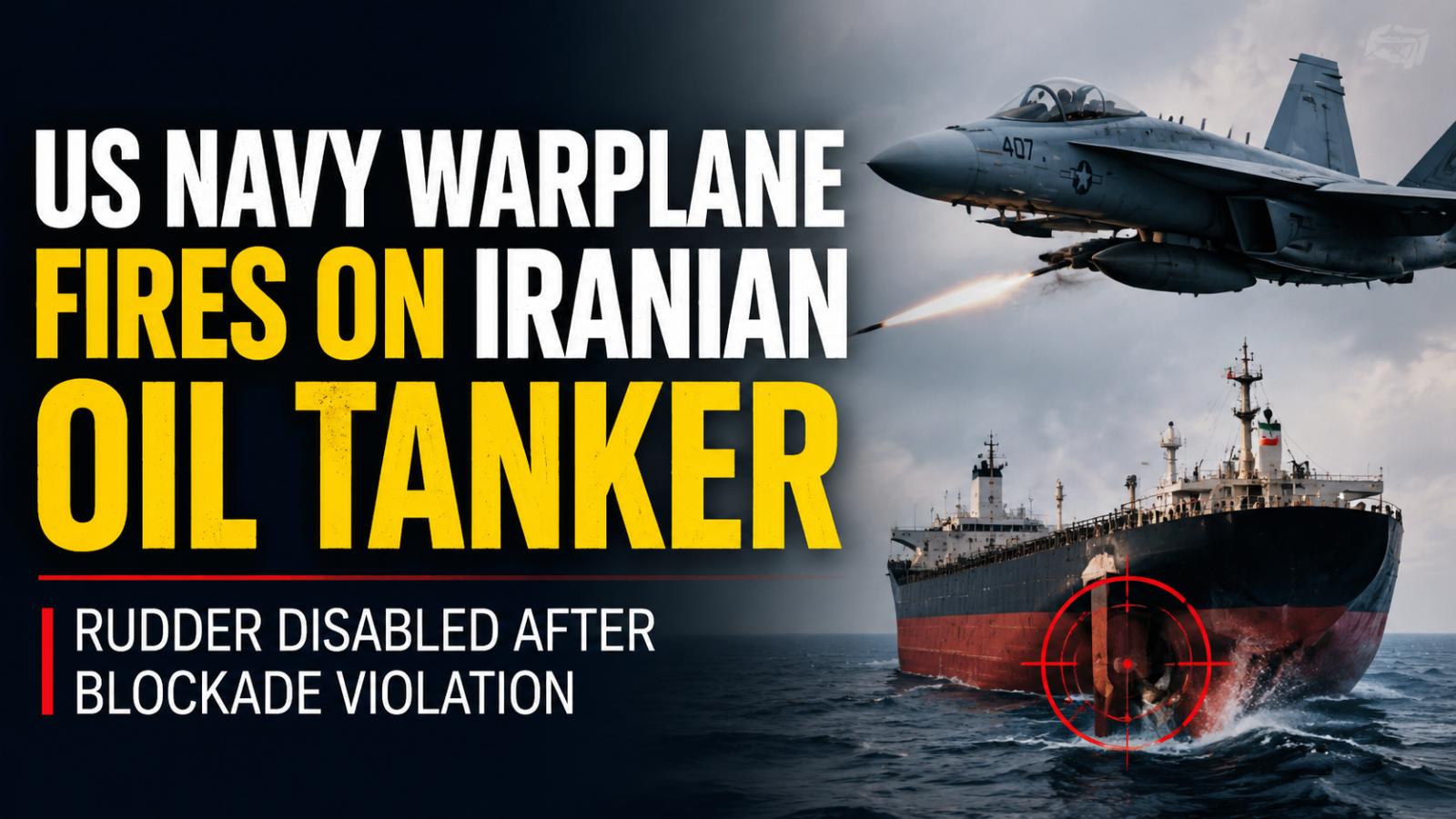
Washington is simultaneously applying military and economic pressure. The White House launched Operation Economic Outcast on August 24, describing it as an effort to sever Iran’s remaining international financial links.
Israel claim highlights Trump’s broader Iran strategy
Trump’s repeated statement about Israel reflects his broader argument that maximum pressure, military force and withdrawal from the JCPOA prevented Iran from becoming a nuclear-armed regional power.
The claim will remain politically contested because it combines factual policy decisions with a counterfactual conclusion about what would have happened under a different US administration. What is clear is that Iran, Israel and the Strait of Hormuz remain central to Trump’s current Middle East strategy, with diplomacy and military pressure operating at the same time.