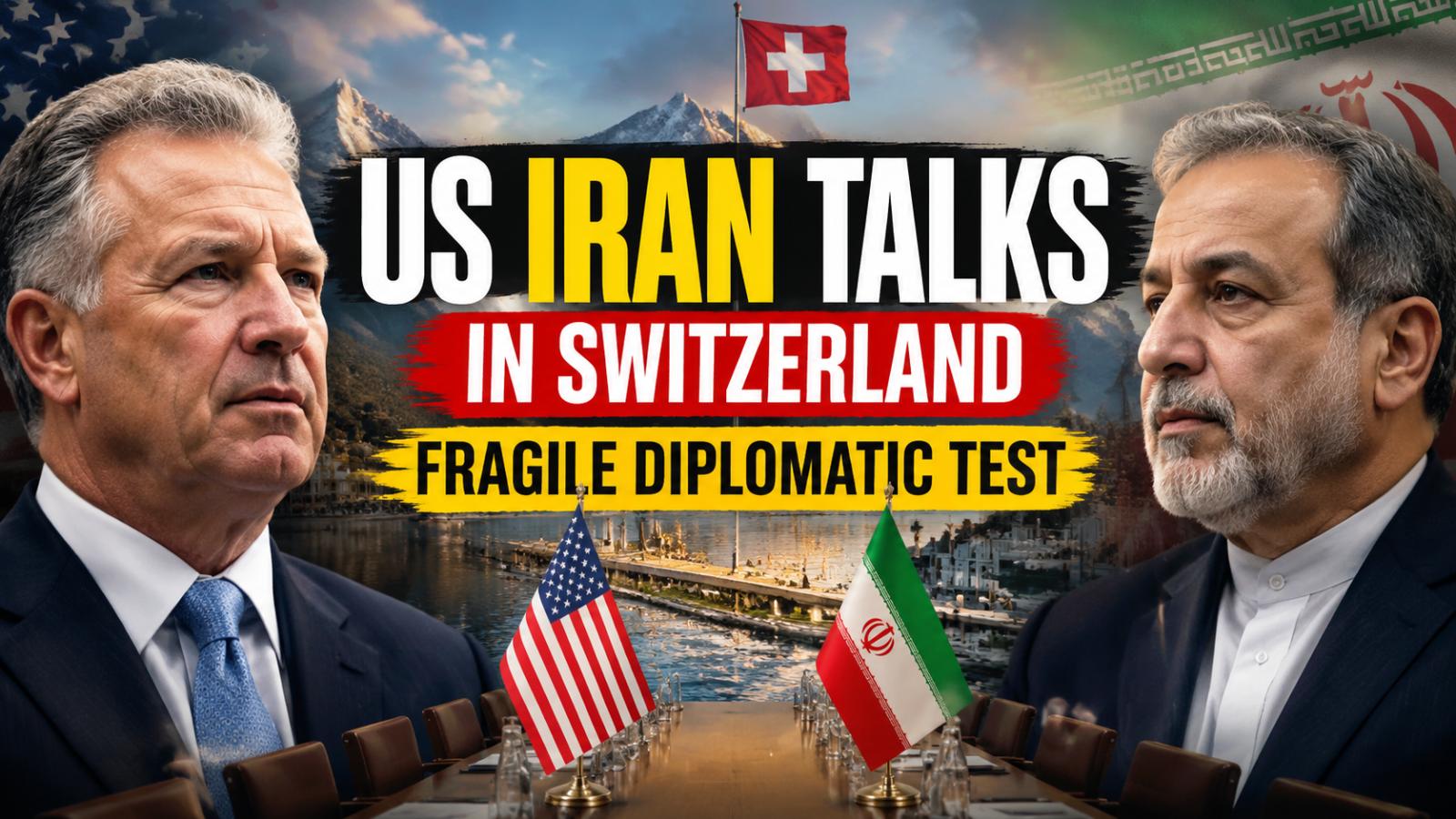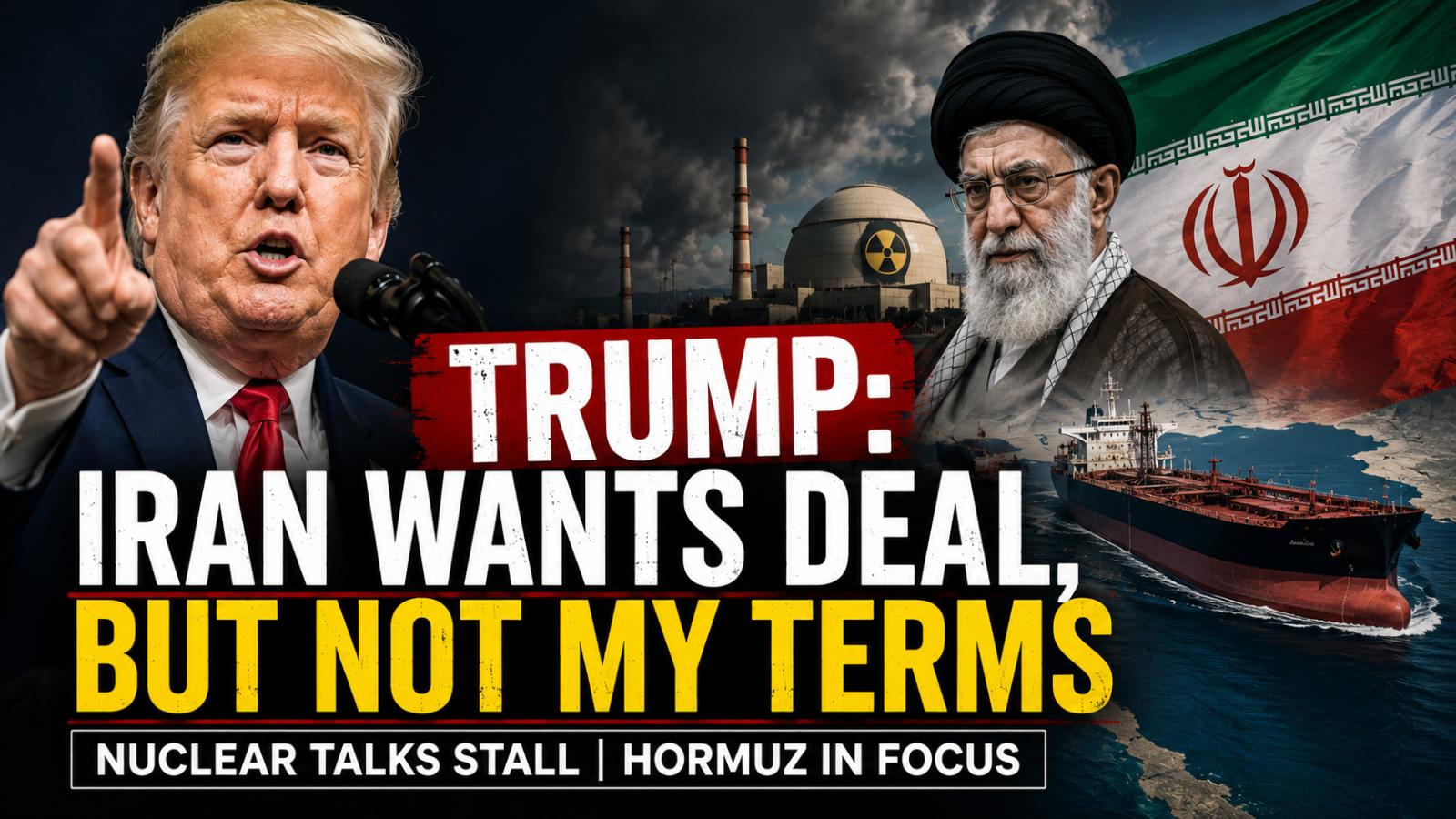
President Donald Trump says Iran wants an agreement with the United States, but the Trump Iran deal remains out of reach because Tehran is not prepared to accept the terms Washington considers necessary. His comments come as Iran nuclear talks remain stalled and tensions around the Strait of Hormuz continue.
Iran nuclear talks remain stalled
Speaking to reporters in the Oval Office on Monday, Trump said Iran wants to reach an agreement but argued that Tehran is unwilling to make the kind of deal he considers acceptable.
Trump again framed preventing Iran from obtaining a nuclear weapon as the central US objective. Asked whether Washington intended to extend the interim arrangement reached in June, he said it would not.
The June memorandum had called for an immediate end to military operations and negotiations toward a broader settlement within 60 days. However, the arrangement unraveled well before the deadline. Trump declared it over in early July, while Iran later said the agreement had been suspended.
That means the August deadline did not mark the sudden collapse of a functioning deal. Instead, it highlighted how little progress had been made since the ceasefire framework broke down.
Hormuz control becomes central to Trump strategy
Trump also claimed that the United States effectively controls the Strait of Hormuz through its naval blockade and said the idea of declaring the waterway US territory sounded appealing.
The statement does not change the strait's legal status. The Strait of Hormuz is an international waterway bordered primarily by Iran and Oman, and no US declaration of ownership has been announced. Trump's remarks should therefore be understood as political rhetoric rather than a formal territorial action.
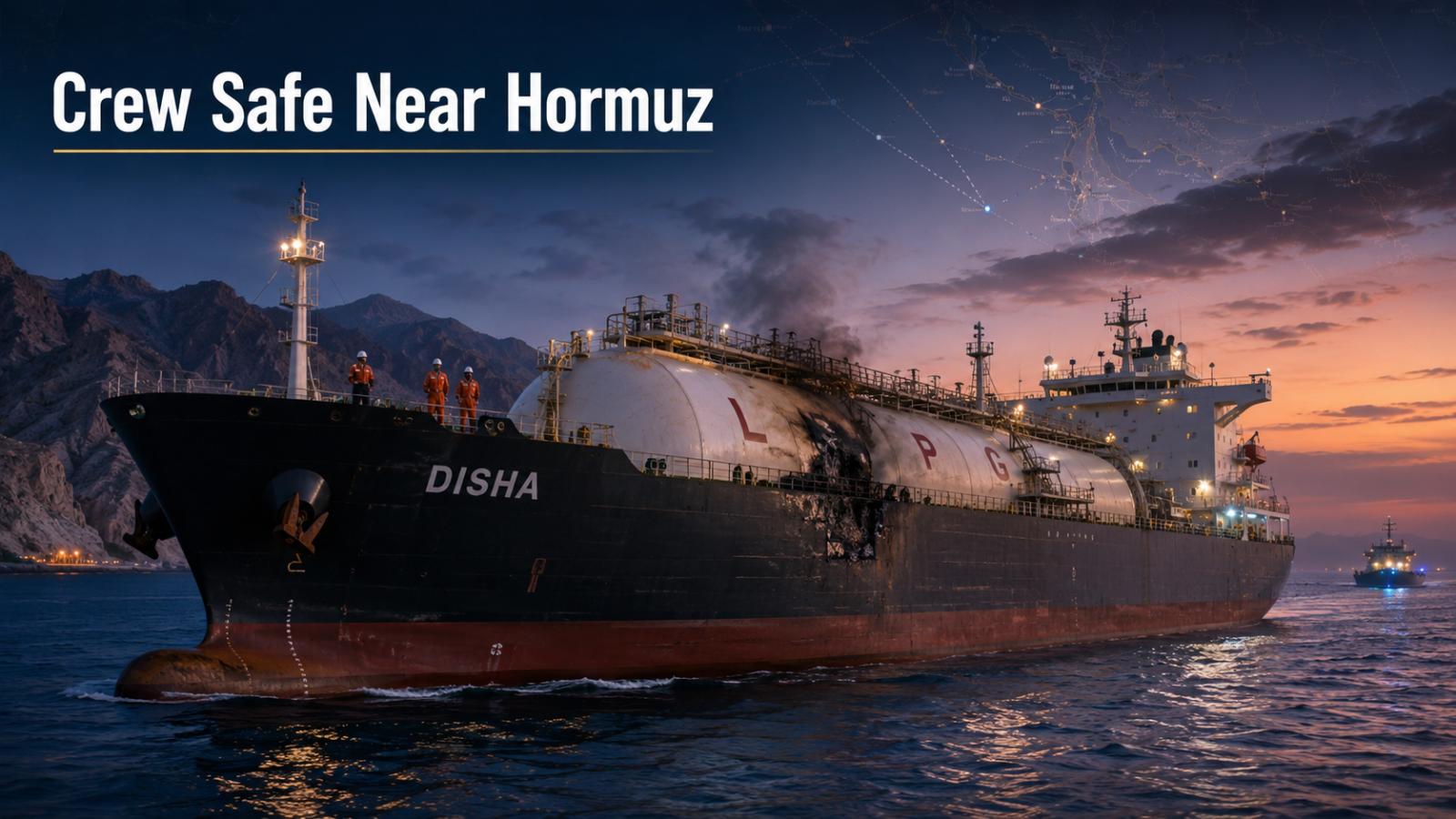
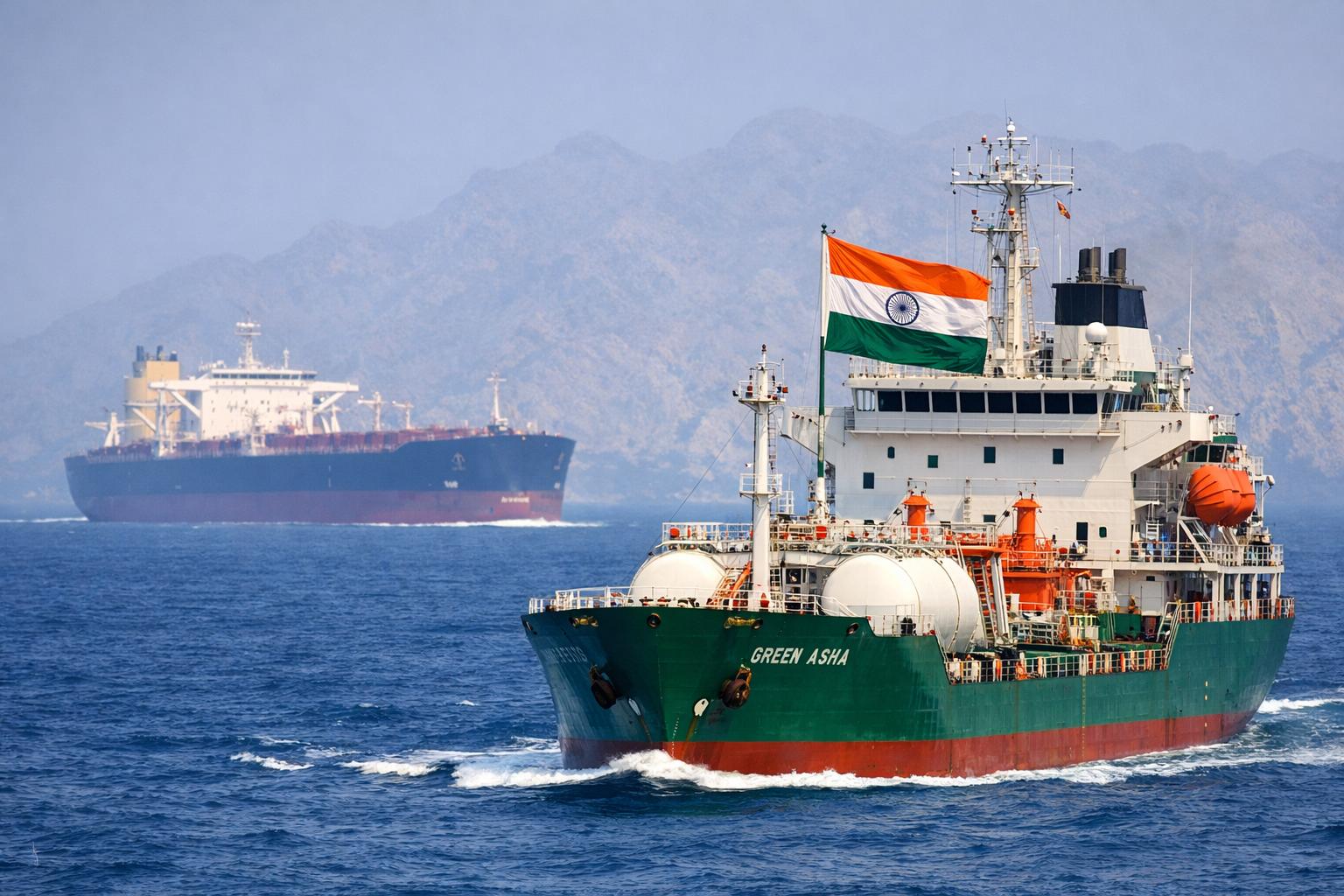
The strait remains one of the most important pressure points in the conflict. Iran has threatened renewed military action there if diplomatic efforts fail, while the US has ruled out extending the failed interim arrangement.
Trump said American forces were helping move oil through the region and argued that greater control of shipping had helped bring prices down.
Kim response follows reduced Korea military drills
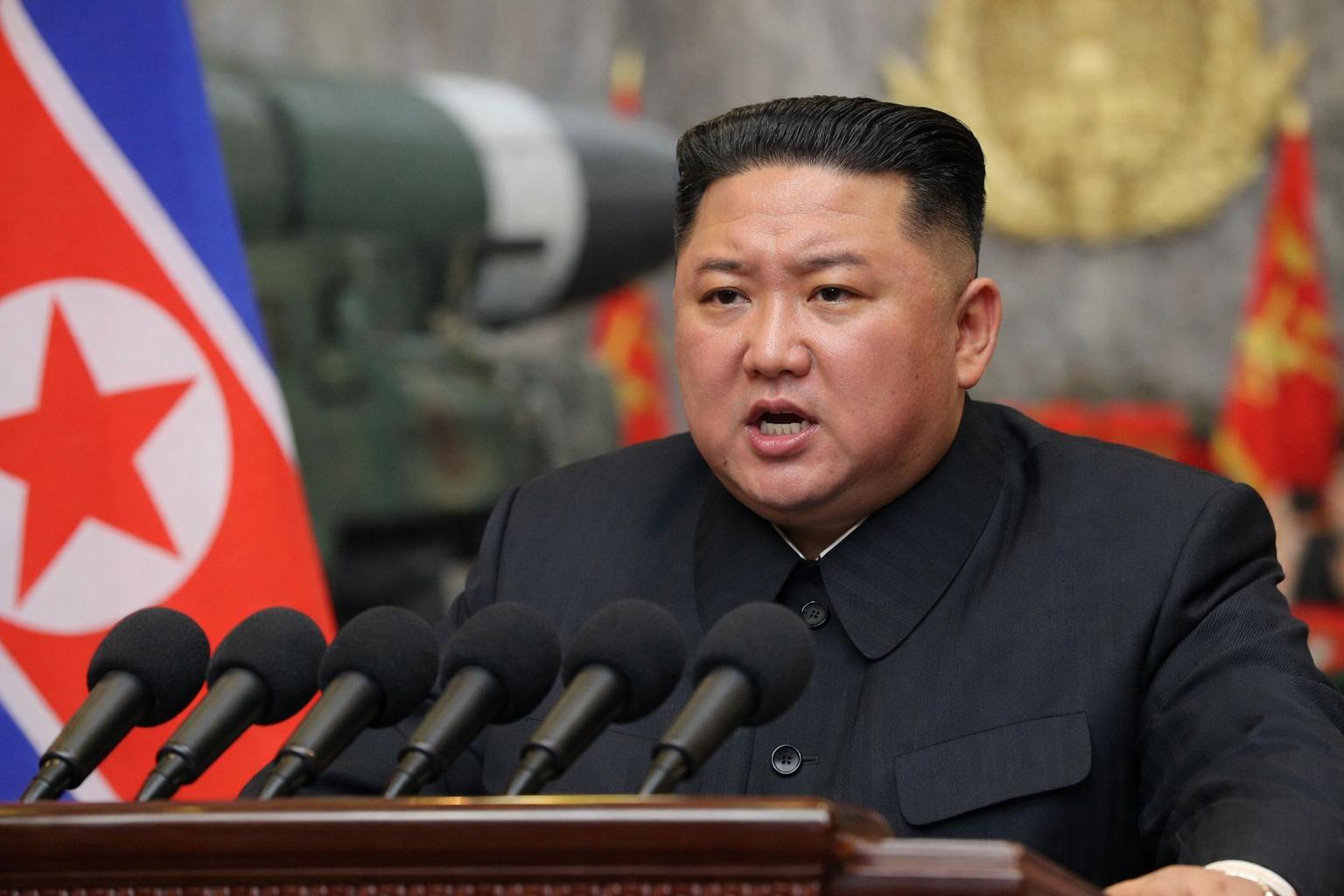
Trump also said North Korean leader Kim Jong Un had responded to his recent overtures, although he offered no details about what Kim said or how the communication took place.
The comment followed Trump's decision to substantially reduce US participation in joint military exercises with South Korea. He cited his relationship with Kim and argued that large exercises send an unnecessarily hostile signal toward Pyongyang.
South Korea has expressed hope that Trump's relationship with Kim could eventually reopen dialogue between Washington and Pyongyang. However, North Korea has so far given little public indication that it is ready to return to formal negotiations.
The latest remarks therefore suggest movement in personal communication rather than a confirmed diplomatic breakthrough.
Lincoln claims draw renewed Navy scrutiny
Trump also rejected reports of poor conditions aboard USS Abraham Lincoln, calling them false and saying the aircraft carrier was well maintained.
The Lincoln has been at sea for an unusually long deployment, prompting concerns from sailors' families and lawmakers over food supplies, sanitation, fatigue and mental health. AP reported that the carrier had spent more than 240 days continuously at sea by Monday.
US Central Command has defended the crew's resilience, while Adm. Brad Cooper has acknowledged the challenges of extended deployments and said mental health deserves serious attention.
Another aircraft carrier, USS George Washington, has already been moving toward the region as part of plans to relieve Lincoln.
Trump's dismissal of the concerns therefore contrasts with a broader Navy response that has acknowledged operational strain even while disputing claims of a widespread crisis.
Trump Iran deal remains the bigger unresolved issue
Despite Trump's comments on Kim Jong Un and USS Abraham Lincoln, the Iran dispute remains the most consequential issue.
Washington continues to insist that Iran cannot obtain a nuclear weapon, while Tehran has threatened stronger military action if the US does not return to terms it considers acceptable. The Strait of Hormuz remains central because disruption there affects both military strategy and global energy prices.
Trump's latest remarks show that neither side appears ready to accept the other's core demands.
Iran may still want negotiations, but wanting talks is not the same as being close to an agreement. Unless Washington and Tehran narrow their differences over the nuclear programme, sanctions and control of regional shipping routes, the diplomatic process is likely to remain stalled while military pressure continues.