















#kimjongun
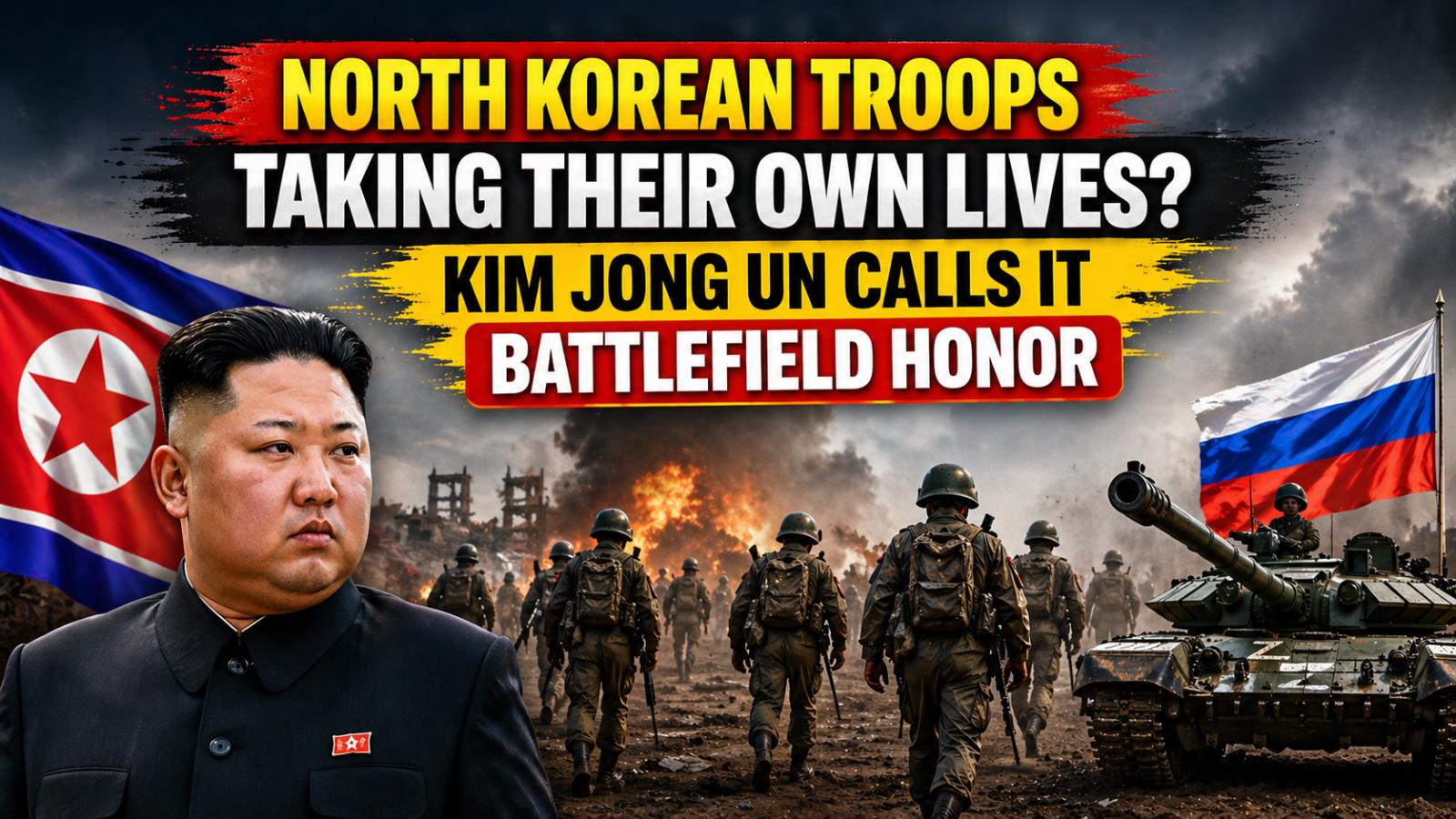
Why are North Korean troops reportedly taking their own lives? Kim Jong Un calls it battlefield honor
Why are North Korean troops reportedly taking their own lives? Kim Jong Un calls it battlefield honor has drawn international scrutiny after reports emerged that North Korean soldiers fighting alongside Russia in the war in Ukraine may be taking their own lives to avoid capture. The claims
Why are North Korean troops reportedly taking their own lives? Kim Jong Un calls it battlefield honor
Why are North Korean troops reportedly taking their own lives? Kim Jong Un calls it battlefield honor has drawn international scrutiny after reports emerged that North Korean soldiers fighting alongside Russia in the war in Ukraine may be taking their own lives to avoid capture. The claims
North Korea declares nuclear status irreversible, Kim Jong Un warns of expansion
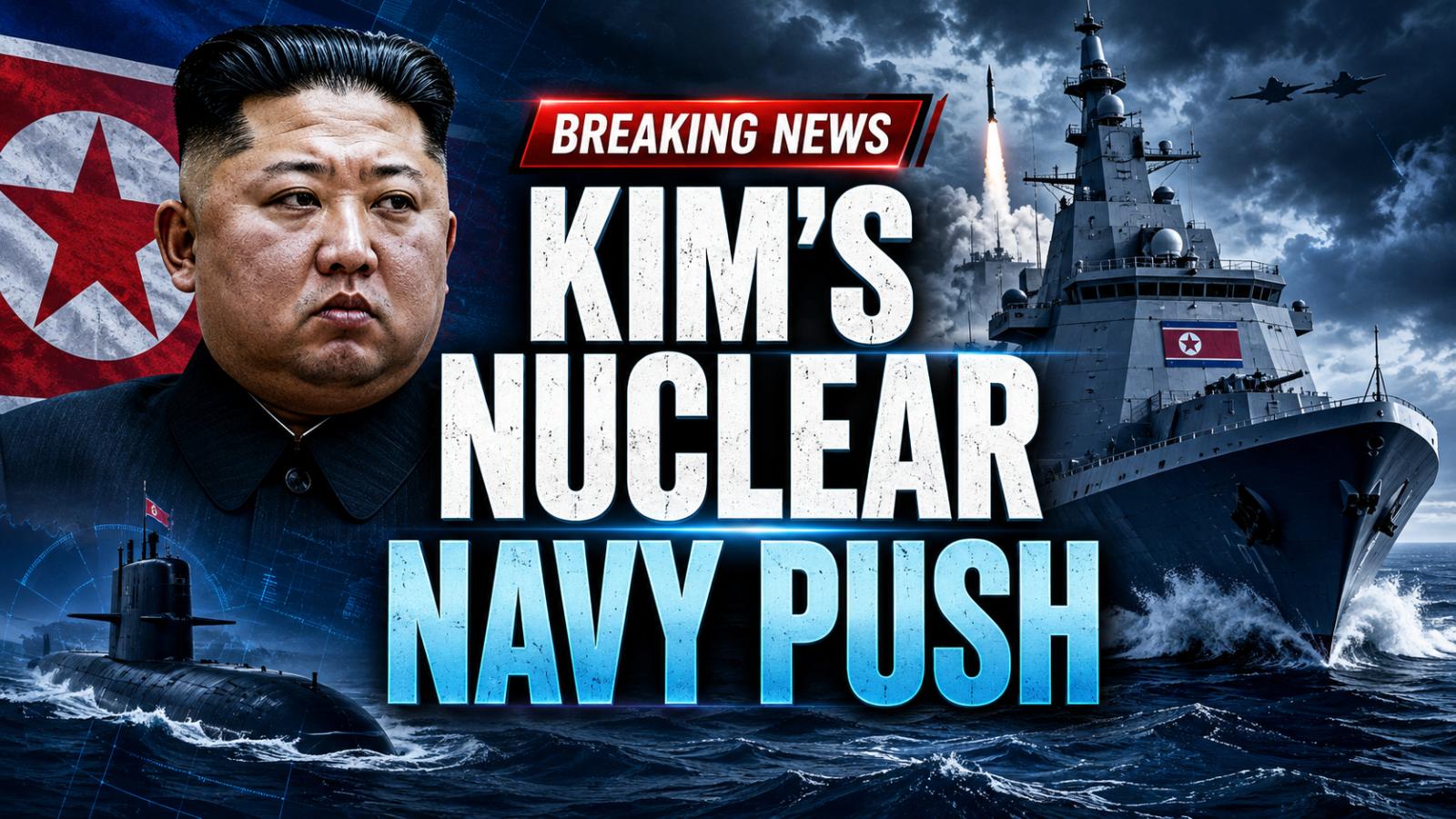
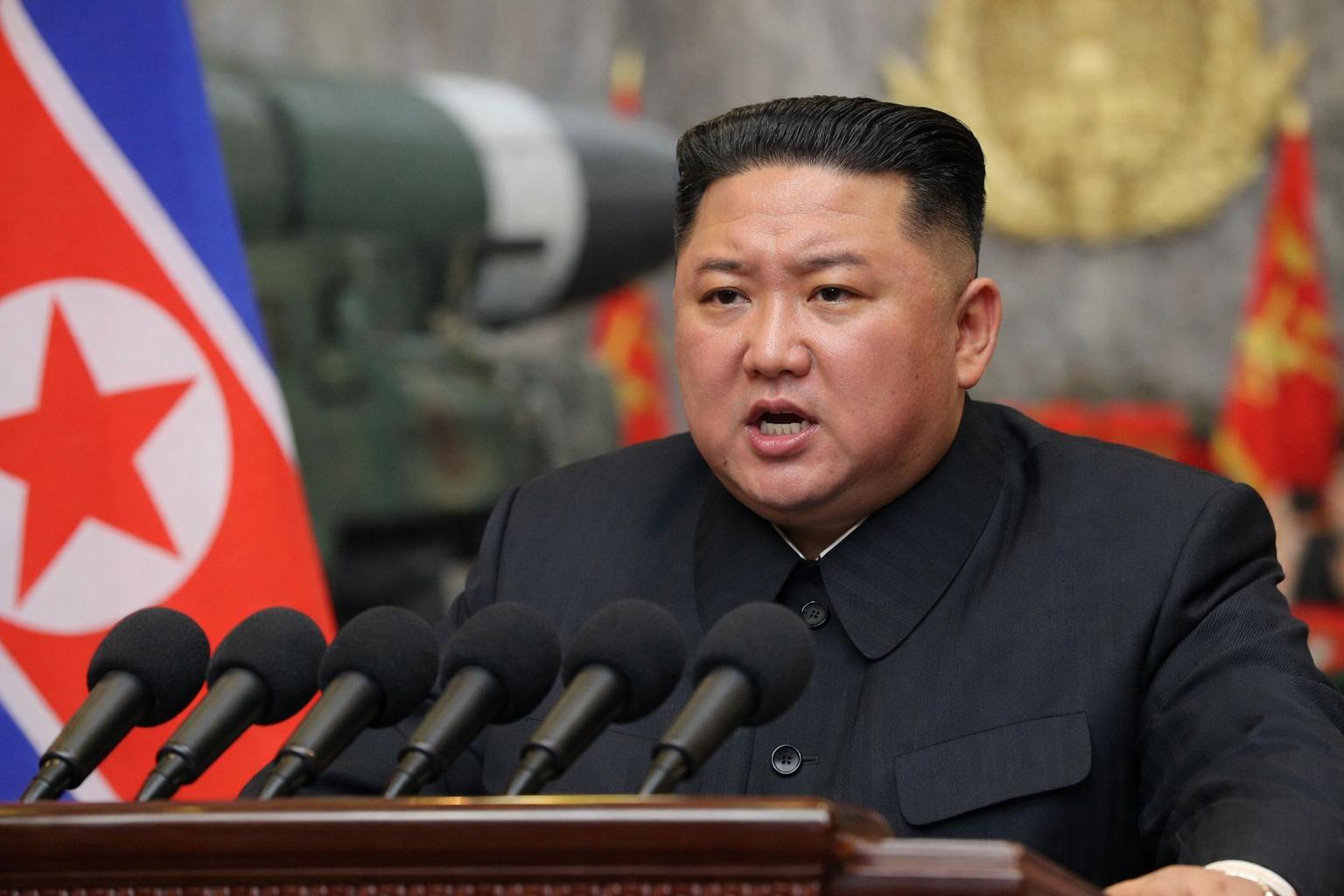
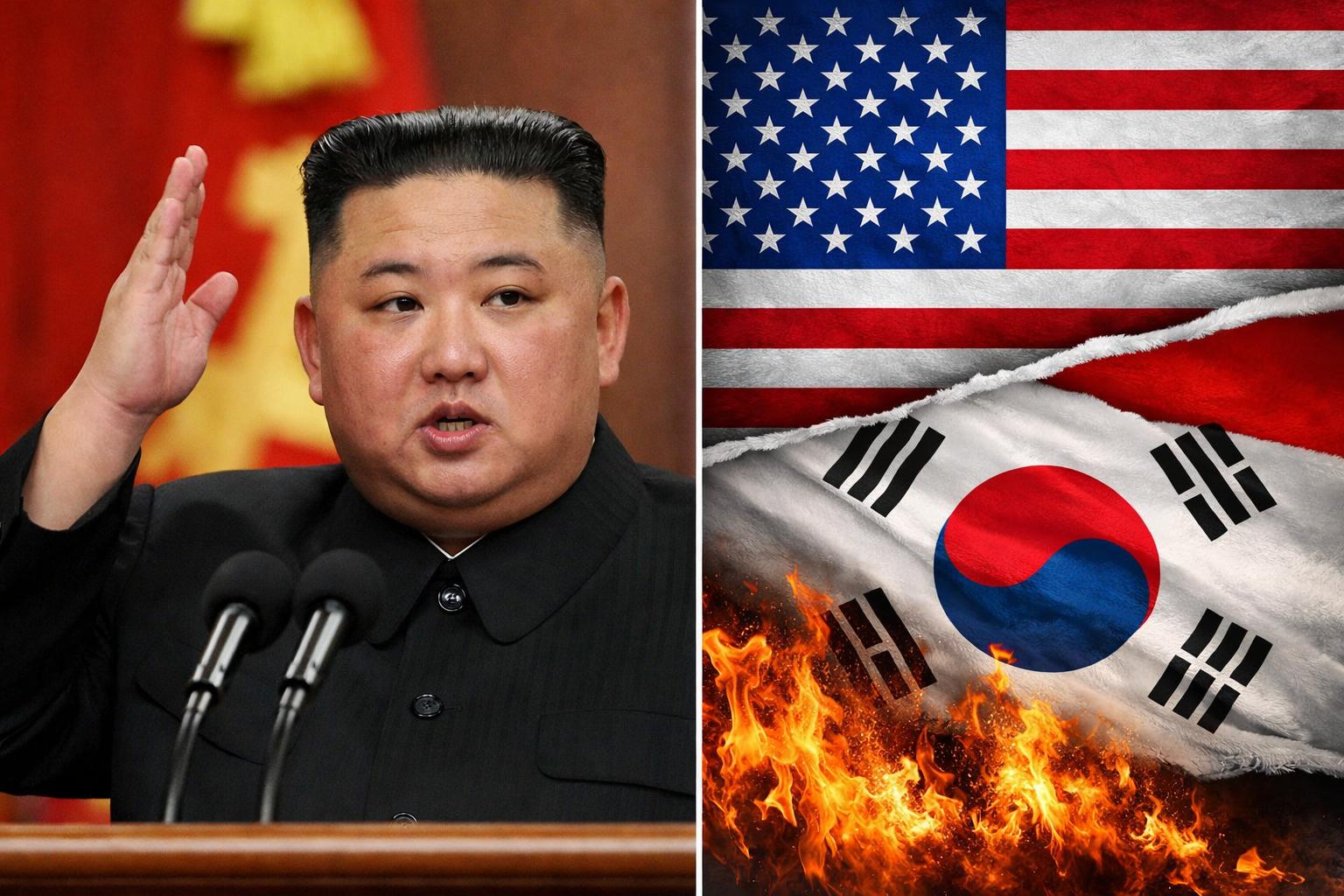
North Korean leader Kim Jong Un has reaffirmed that his country will not abandon its nuclear weapons programme, declaring its status as a nuclear-armed state “irreversible” in a strongly worded address delivered to the nation’s legislature. The remarks came shortly after his reappointment as chairman of the State Affairs Commission, consolidating his leadership over the country’s highest decision-making body. According to official reports released on March 24, Kim outlined an intensified strategy to expand North Korea’s nuclear arsenal, framing the move as essential for national security and constitutional responsibility. He stated that Pyongyang would continue to strengthen its nuclear deterrent and advance its capabilities in response to what he described as ongoing threats from hostile forces. The leader emphasized that maintaining and enhancing nuclear readiness was a key priority, ensuring that the country remains prepared to counter strategic challenges. Kim portrayed the development of nuclear weapons as a justified and defensive measure, asserting that the programme aligns with the country’s long-term security goals. He indicated that North Korea would pursue both quantitative and qualitative improvements in its nuclear forces, underscoring a commitment to sustained military advancement amid rising geopolitical tensions in the region. The speech also included sharp criticism of South Korea, which Kim labelled as the “most hostile state.” He warned that any perceived provocation or infringement on North Korea’s sovereignty would be met with a decisive and uncompromising response. The language used signalled a continuation of strained inter-Korean relations, with little indication of near-term diplomatic engagement. Kim’s address covered broader policy areas, including defence, economic priorities, and relations with the United States, though nuclear policy remained the central focus. His remarks highlight an ongoing shift toward a more assertive security posture, raising concerns among regional and global observers about the future trajectory of East Asia’s security environment.
North Korea declares nuclear status irreversible, Kim Jong Un warns of expansion
North Korean leader Kim Jong Un has reaffirmed that his country will not abandon its nuclear weapons programme, declaring its status as a nuclear-armed state “irreversible” in a strongly worded address delivered to the nation’s legislature. The remarks came shortly after his reappointment as chairman of the State Affairs Commission, consolidating his leadership over the country’s highest decision-making body. According to official reports released on March 24, Kim outlined an intensified strategy to expand North Korea’s nuclear arsenal, framing the move as essential for national security and constitutional responsibility. He stated that Pyongyang would continue to strengthen its nuclear deterrent and advance its capabilities in response to what he described as ongoing threats from hostile forces. The leader emphasized that maintaining and enhancing nuclear readiness was a key priority, ensuring that the country remains prepared to counter strategic challenges. Kim portrayed the development of nuclear weapons as a justified and defensive measure, asserting that the programme aligns with the country’s long-term security goals. He indicated that North Korea would pursue both quantitative and qualitative improvements in its nuclear forces, underscoring a commitment to sustained military advancement amid rising geopolitical tensions in the region. The speech also included sharp criticism of South Korea, which Kim labelled as the “most hostile state.” He warned that any perceived provocation or infringement on North Korea’s sovereignty would be met with a decisive and uncompromising response. The language used signalled a continuation of strained inter-Korean relations, with little indication of near-term diplomatic engagement. Kim’s address covered broader policy areas, including defence, economic priorities, and relations with the United States, though nuclear policy remained the central focus. His remarks highlight an ongoing shift toward a more assertive security posture, raising concerns among regional and global observers about the future trajectory of East Asia’s security environment.
North Korea signals conditional talks with US, labels South Korea ‘most hostile’
North Korean leader Kim Jong Un has concluded a rare party congress with a pointed message to the United States, stating that Pyongyang could improve relations with Washington if it is recognised as a nuclear power. At the same time, he hardened his stance toward South Korea, describing it as the country’s “most hostile” enemy and ruling out further engagement. According to state media reports released on February 26, Kim said there was “no reason” North Korea and the Unit
North Korea signals conditional talks with US, labels South Korea ‘most hostile’
North Korean leader Kim Jong Un has concluded a rare party congress with a pointed message to the United States, stating that Pyongyang could improve relations with Washington if it is recognised as a nuclear power. At the same time, he hardened his stance toward South Korea, describing it as the country’s “most hostile” enemy and ruling out further engagement. According to state media reports released on February 26, Kim said there was “no reason” North Korea and the Unit
Trump pledges full US support to families of Japanese abducted by North Korea
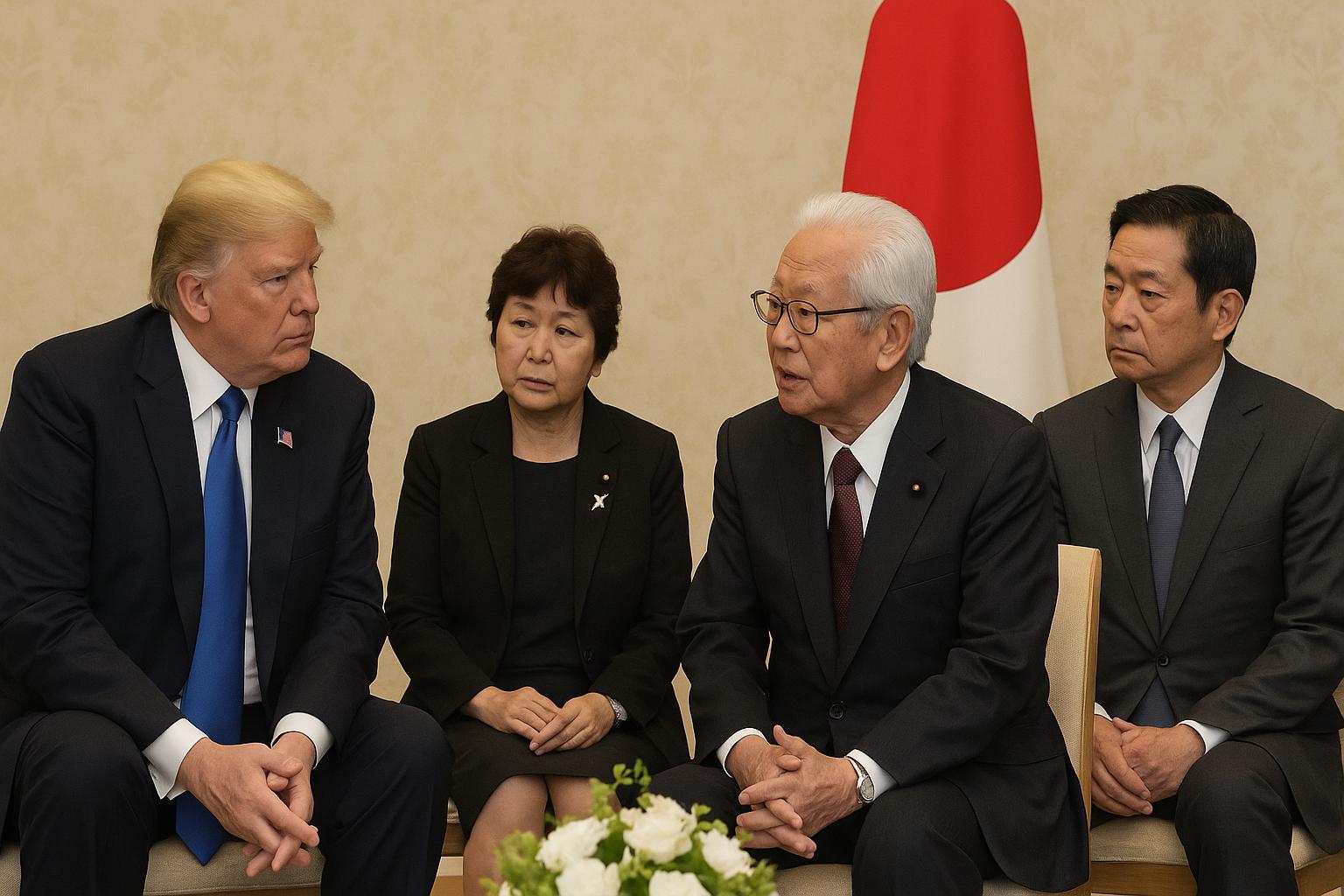
During his official visit to Japan on Tuesday, United States President Donald Trump met with the families of Japanese citizens who were abducted by North Korea several decades ago. The emotional meeting took place in Tokyo, where relatives of the victims shared their ongoing struggle for answers and appealed for international cooperation to bring their loved ones home. President Trump expressed deep sympathy and reaffirmed Washington’s full and unwavering support for Japan’s efforts to re
Trump pledges full US support to families of Japanese abducted by North Korea
During his official visit to Japan on Tuesday, United States President Donald Trump met with the families of Japanese citizens who were abducted by North Korea several decades ago. The emotional meeting took place in Tokyo, where relatives of the victims shared their ongoing struggle for answers and appealed for international cooperation to bring their loved ones home. President Trump expressed deep sympathy and reaffirmed Washington’s full and unwavering support for Japan’s efforts to re


