Why are North Korean troops reportedly taking their own lives? Kim Jong Un calls it battlefield honor
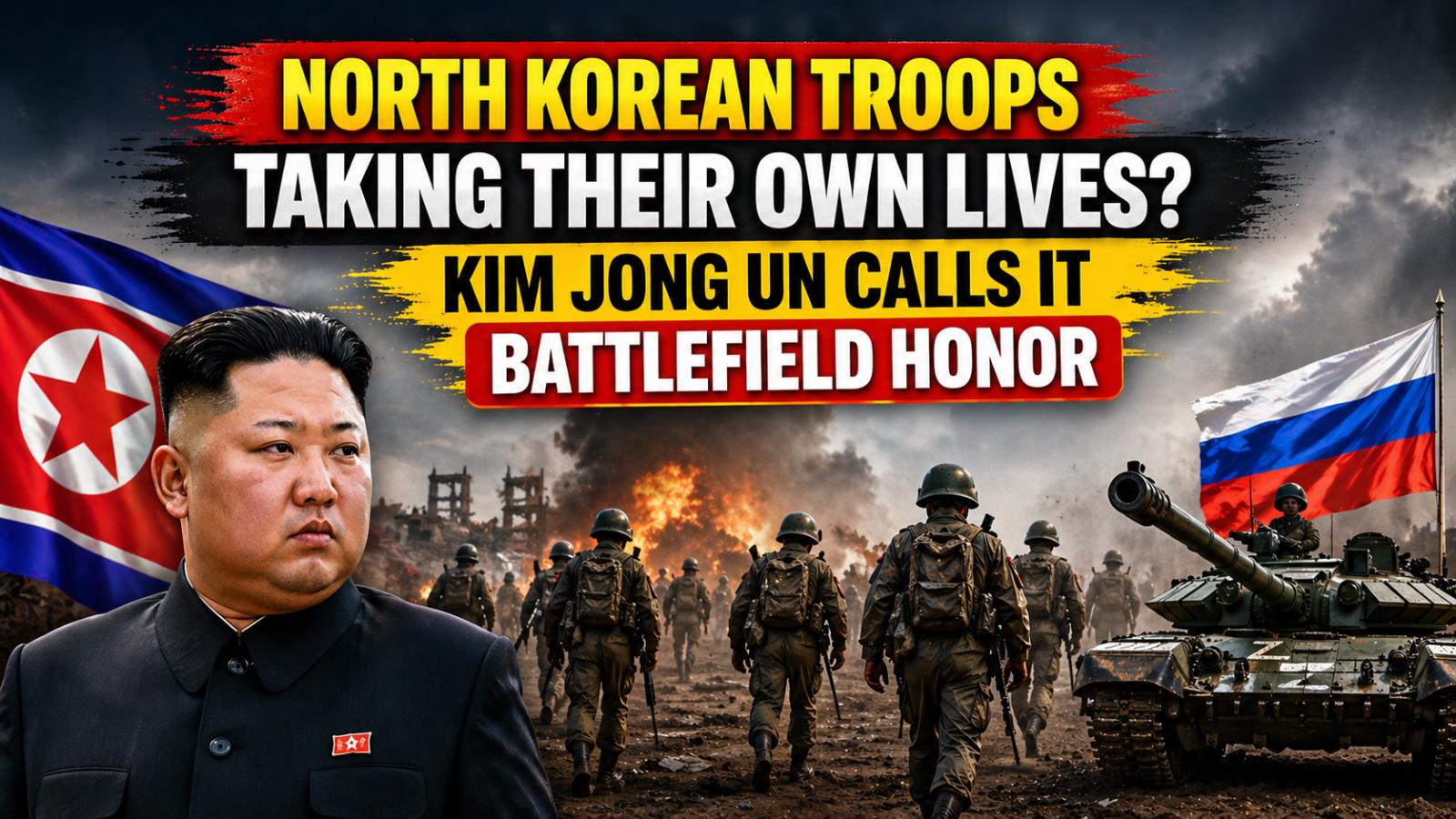
Why are North Korean troops reportedly taking their own lives? Kim Jong Un calls it battlefield honor has drawn international scrutiny after reports emerged that North Korean soldiers fighting alongside Russia in the war in Ukraine may be taking their own lives to avoid capture. The claims gained attention following remarks by leader Kim Jong Un, who praised such actions as acts of battlefield honor.
Claims of ‘self-blasting’ tactic raise global concern
According to a report by Bloomberg, citing North Korean state media, Kim described soldiers who reportedly chose death over capture as having achieved a “historic death” to defend national honor. He referred to them as “heroes” who acted without expectation of reward, reinforcing the narrative of sacrifice tied to military duty.
The alleged “self-blasting” policy refers to instructions that soldiers should avoid capture at all costs, including ending their own lives. These claims are based on Ukrainian intelligence assessments and testimony from a captured North Korean soldier. However, independent verification remains limited, and details surrounding the policy are still being scrutinized by international observers.
Expanding North Korea’s role in the Ukraine conflict
The issue has gained prominence as North Korea deepens its involvement in the Ukraine war. Reports indicate that Pyongyang has provided both weapons and personnel to support Moscow’s military operations, strengthening ties between the two countries amid ongoing geopolitical tensions.
Memorial ceremony highlights alliance with Russia
In a recent display of solidarity, Kim and Russian Defense Minister Andrey Belousov unveiled a memorial museum in Pyongyang honoring North Korean soldiers who died in the conflict. The ceremony was attended by senior Russian officials, including State Duma Speaker Vyacheslav Volodin.
Footage of the event showed military jets flying overhead and white balloons released into the sky, along with the unveiling of a statue dedicated to fallen troops. Kim participated in memorial rites, laying flowers and signing a guest book alongside visiting Russian officials.
Symbolism and messaging in wartime rhetoric
In his address, Kim described the fallen soldiers as enduring symbols of national heroism and linked their sacrifice to what he characterized as a “victorious march” for both nations. The rhetoric underscores how both countries are framing their cooperation in the conflict, even as reports about battlefield tactics continue to raise ethical and humanitarian concerns globally.