

















#northkorea
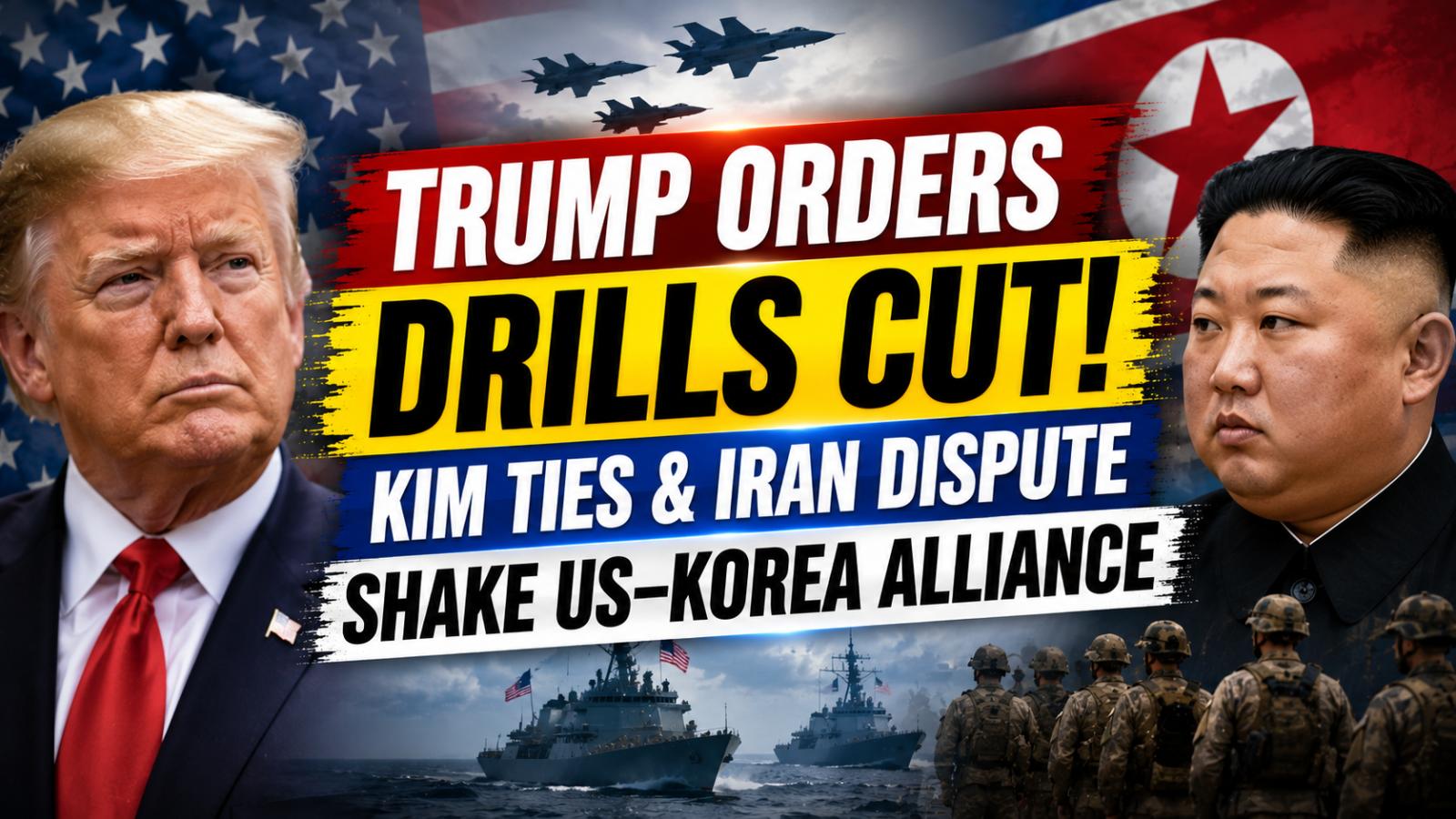
Trump Korea Drill Cuts Reshape US-South Korea Alliance
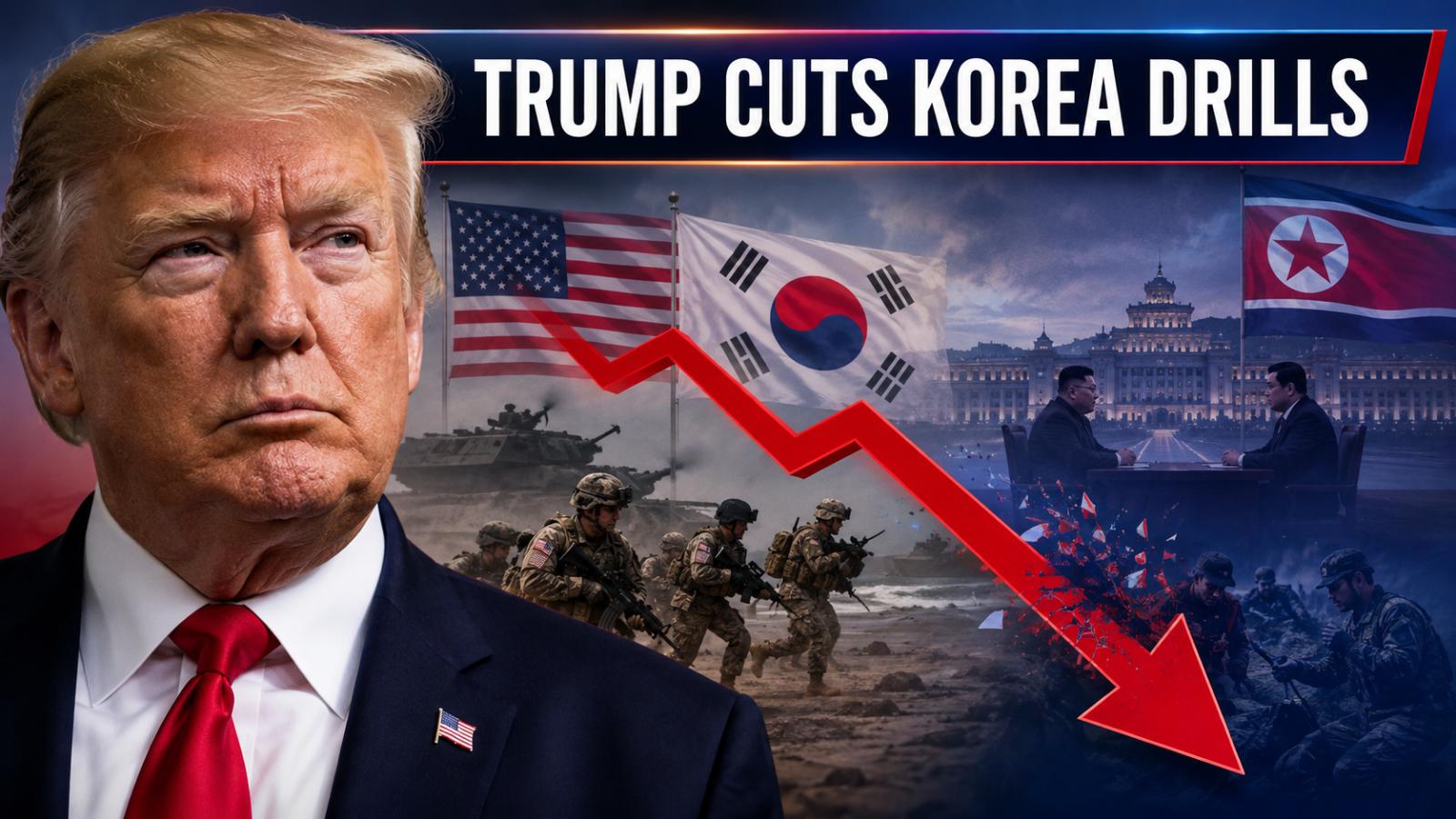
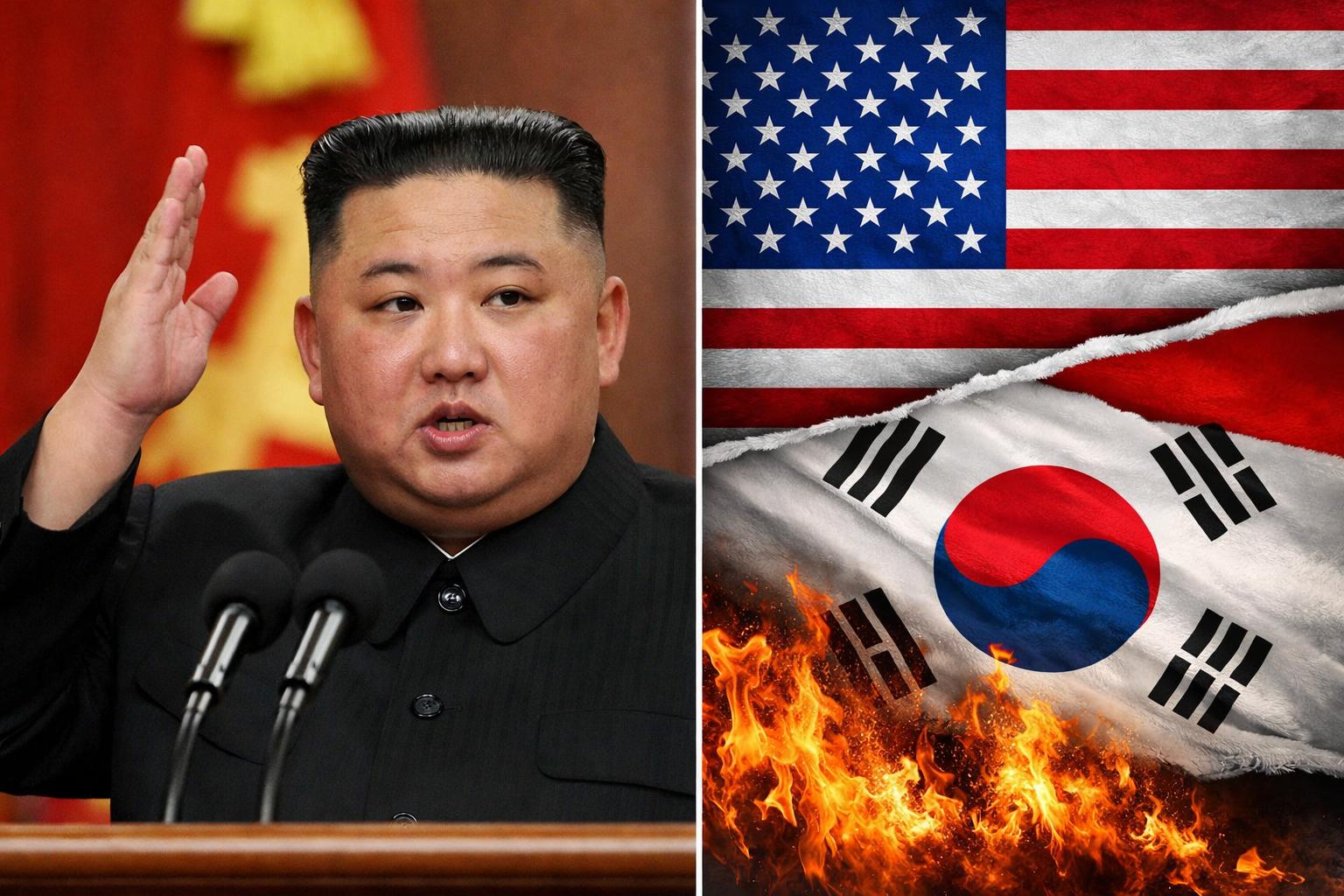
Trump Korea drill cuts have changed the scale of one of Washington’s most important military exercises in Asia. President Donald Trump ordered the Pentagon to sharply reduce US participation in drills with South Korea, citing their cost and his effort to reopen diplomacy with North Korean leader Kim Jong Un. ROK drills reduced after Trump order
Trump Korea Drill Cuts Reshape US-South Korea Alliance
Trump Korea drill cuts have changed the scale of one of Washington’s most important military exercises in Asia. President Donald Trump ordered the Pentagon to sharply reduce US participation in drills with South Korea, citing their cost and his effort to reopen diplomacy with North Korean leader Kim Jong Un. ROK drills reduced after Trump order
North Korea Drills Threat as Pyongyang Slams UFS
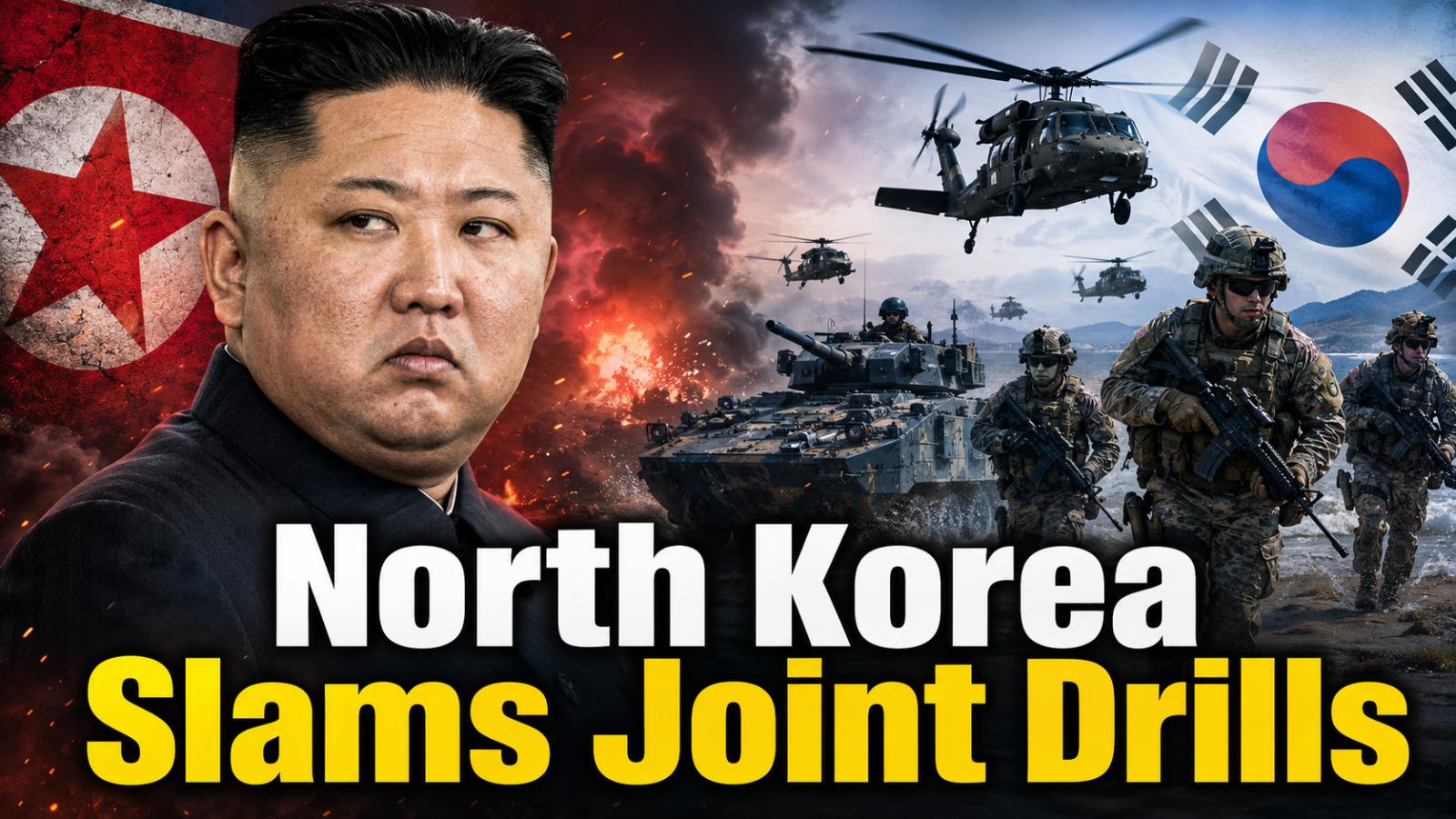
North Korea has sharply criticized the latest US-South Korea military drills, calling them an open threat to its security even after President Donald Trump ordered a reduction in their scale. The response from Pyongyang shows that the deeper dispute on the Korean Peninsula remains unchanged, with mistrust still shaping every military and diplomatic move. Trump drill cut Pyongyang’s reaction c
North Korea Drills Threat as Pyongyang Slams UFS
North Korea has sharply criticized the latest US-South Korea military drills, calling them an open threat to its security even after President Donald Trump ordered a reduction in their scale. The response from Pyongyang shows that the deeper dispute on the Korean Peninsula remains unchanged, with mistrust still shaping every military and diplomatic move. Trump drill cut Pyongyang’s reaction c
Trump Says Iran Wants Deal but Rejects Terms as Nuclear Talks Stall
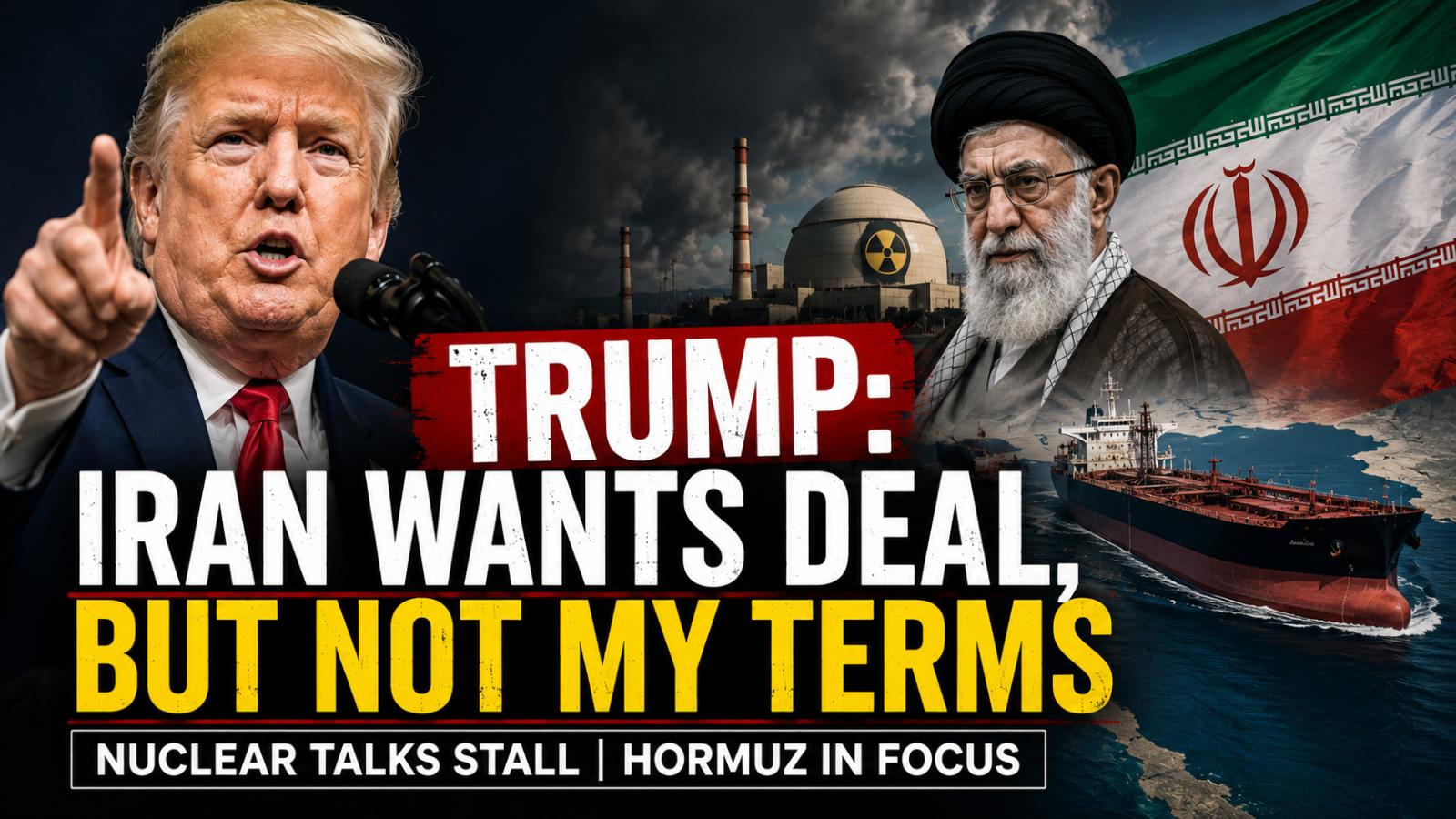
President Donald Trump says Iran wants an agreement with the United States, but the Trump Iran deal remains out of reach because Tehran is not prepared to accept the terms Washington considers necessary. His comments come as Iran nuclear talks remain stalled and tensions around the Strait of Hormuz continue. Iran nuclear talks remain stalled Speaking to reporters in the Oval Office on Monday, T
Trump Says Iran Wants Deal but Rejects Terms as Nuclear Talks Stall
President Donald Trump says Iran wants an agreement with the United States, but the Trump Iran deal remains out of reach because Tehran is not prepared to accept the terms Washington considers necessary. His comments come as Iran nuclear talks remain stalled and tensions around the Strait of Hormuz continue. Iran nuclear talks remain stalled Speaking to reporters in the Oval Office on Monday, T
Trump Cuts US-South Korea Military Drills, Citing Kim Jong Un
US President Donald Trump has ordered a substantial reduction in US participation in joint military exercises with South Korea, citing their cost and his relationship with North Korean leader Kim Jong Un. Seoul, however, says the Ulchi Freedom Shield exercise has begun as scheduled. US-South Korea drills face Trump-ordered reduction Trump
Trump Cuts US-South Korea Military Drills, Citing Kim Jong Un
US President Donald Trump has ordered a substantial reduction in US participation in joint military exercises with South Korea, citing their cost and his relationship with North Korean leader Kim Jong Un. Seoul, however, says the Ulchi Freedom Shield exercise has begun as scheduled. US-South Korea drills face Trump-ordered reduction Trump
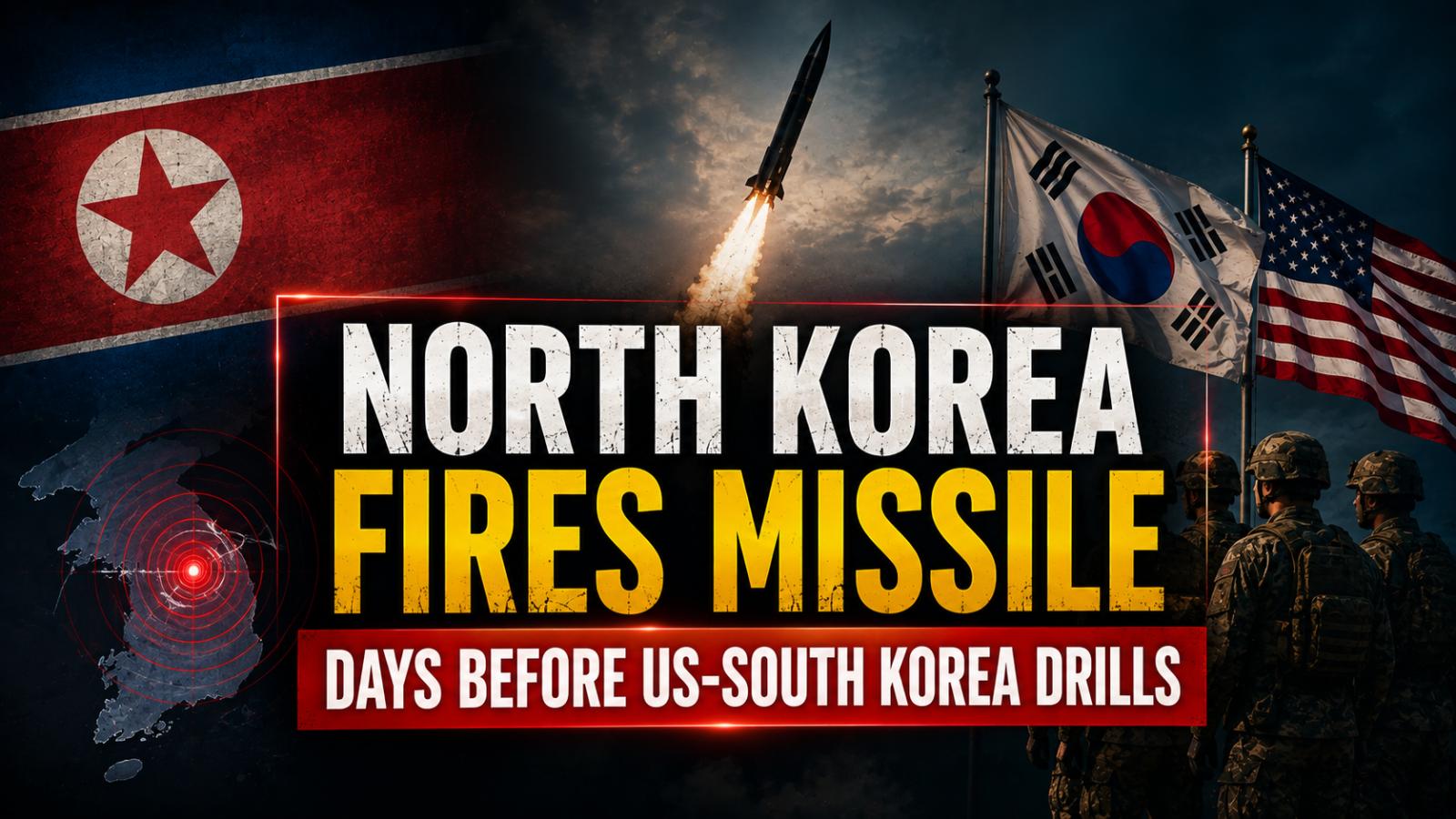
North Korea Ballistic Missile Launch Raises Tensions Before US Drills
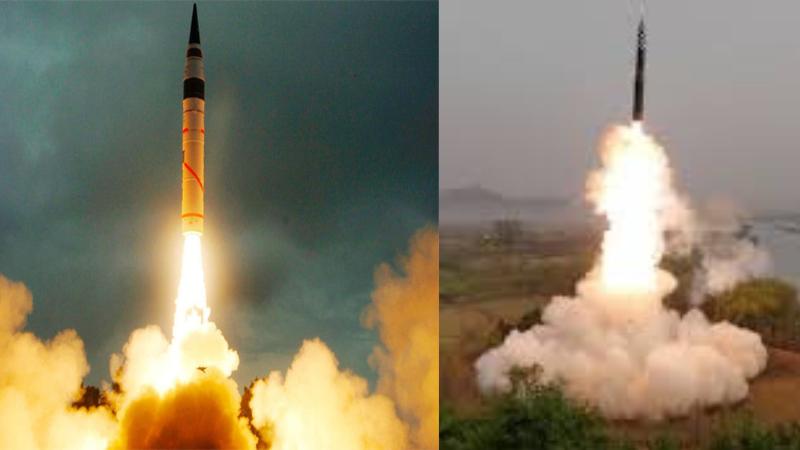
North Korea fired a ballistic missile from its eastern Wonsan area early Wednesday, sending it more than 700 kilometres toward waters off the Korean Peninsula just days before major US-South Korea military exercises. The launch has renewed regional tensions, with Seoul and Tokyo condemning the test while Washington said it posed no immediate threat to US personnel or allies.
North Korea Ballistic Missile Launch Raises Tensions Before US Drills
North Korea fired a ballistic missile from its eastern Wonsan area early Wednesday, sending it more than 700 kilometres toward waters off the Korean Peninsula just days before major US-South Korea military exercises. The launch has renewed regional tensions, with Seoul and Tokyo condemning the test while Washington said it posed no immediate threat to US personnel or allies.
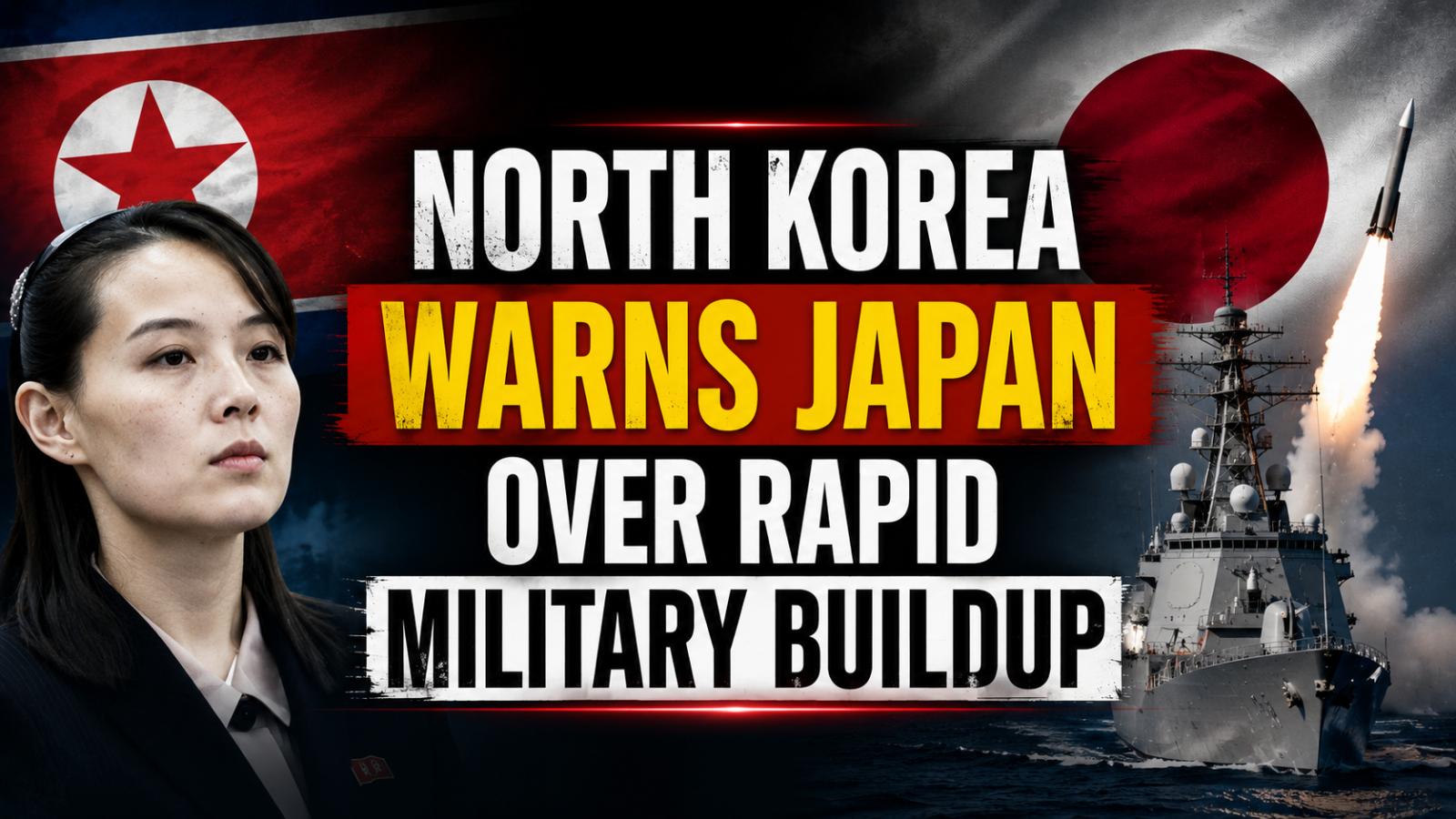
North Korea Warns Japan Over Rapid Military Buildup
North Korea warns Japan that its growing long-range strike capability could trigger new military responses from Pyongyang. Kim Yo Jong cited Japan’s Tomahawk test, Pacific drills and higher defence spending, while Tokyo insisted that its military policy remains defensive. North Korea Warns Japan Over Military Buildup North Korea has accused Japan of transforming itself into a “war state” as Tokyo expands its military budget, acquir
North Korea Warns Japan Over Rapid Military Buildup
North Korea warns Japan that its growing long-range strike capability could trigger new military responses from Pyongyang. Kim Yo Jong cited Japan’s Tomahawk test, Pacific drills and higher defence spending, while Tokyo insisted that its military policy remains defensive. North Korea Warns Japan Over Military Buildup North Korea has accused Japan of transforming itself into a “war state” as Tokyo expands its military budget, acquir
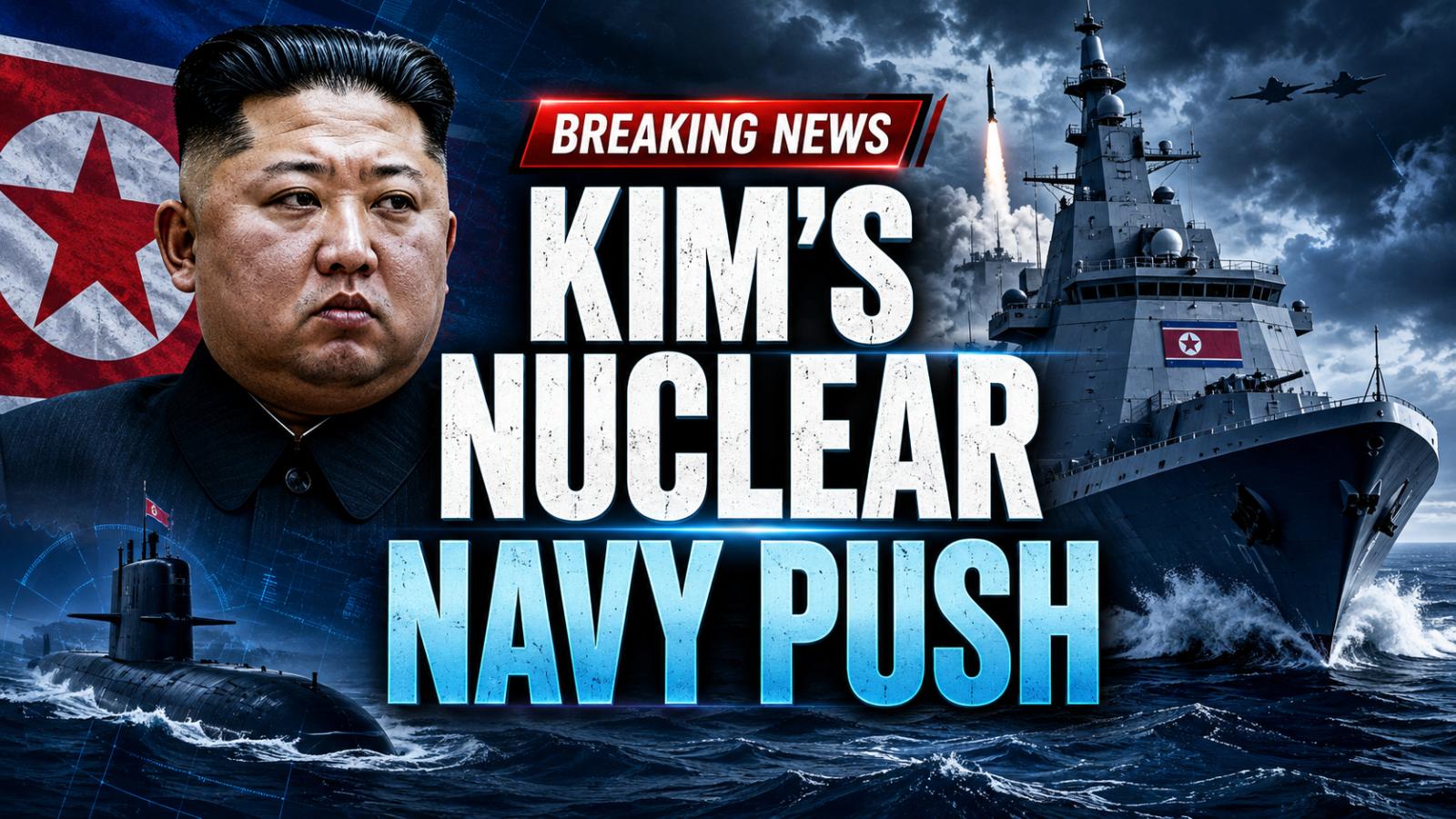
Tensions rise as North Korea boosts destroyers and nuclear naval capability
North Korea expands nuclear naval ambitions North Korean leader Kim Jong Un has announced a major expansion of the country’s naval strategy, stating that Pyongyang will move forward with plans to develop a nuclear-armed fleet. The announcement was made during a ceremony marking the commissioning of a new 5,000-ton destroyer, highlighting the country’s continued efforts to strengthen its maritime military capabilities despite international sanctions. New destroyer signals naval modernization push State media reported that the newly commissioned vessel, identified as the Choe Hyon, represents one of the most advanced warships developed by North Korea to date. Officials described it as heavily armed and part of a broader strategy to modernize the navy. Kim indicated that additional warships, including larger destroyers and strategic vessels, are already in development and will enter service in phases. Nuclear integration into maritime forces Kim Jong Un stated that integrating nuclear capability into the navy is a strategic priority aimed at ensuring operational readiness and expanding deterrence capacity. According to his remarks, future naval platforms will be designed to support more advanced weapons systems, marking a shift in how North Korea plans to structure its maritime defense posture. Rising tensions on the Korean Peninsula The announcement comes amid ongoing tensions between North Korea, the United States, and South Korea, with repeated exchanges over military exercises and regional security concerns. Pyongyang has consistently accused its rivals of escalating pressure, while maintaining that its military expansion is necessary for national defense. Analysts note that the latest naval developments further intensify concerns over stability in the region, particularly as both naval and nuclear capabilities continue to evolve.
Tensions rise as North Korea boosts destroyers and nuclear naval capability
North Korea expands nuclear naval ambitions North Korean leader Kim Jong Un has announced a major expansion of the country’s naval strategy, stating that Pyongyang will move forward with plans to develop a nuclear-armed fleet. The announcement was made during a ceremony marking the commissioning of a new 5,000-ton destroyer, highlighting the country’s continued efforts to strengthen its maritime military capabilities despite international sanctions. New destroyer signals naval modernization push State media reported that the newly commissioned vessel, identified as the Choe Hyon, represents one of the most advanced warships developed by North Korea to date. Officials described it as heavily armed and part of a broader strategy to modernize the navy. Kim indicated that additional warships, including larger destroyers and strategic vessels, are already in development and will enter service in phases. Nuclear integration into maritime forces Kim Jong Un stated that integrating nuclear capability into the navy is a strategic priority aimed at ensuring operational readiness and expanding deterrence capacity. According to his remarks, future naval platforms will be designed to support more advanced weapons systems, marking a shift in how North Korea plans to structure its maritime defense posture. Rising tensions on the Korean Peninsula The announcement comes amid ongoing tensions between North Korea, the United States, and South Korea, with repeated exchanges over military exercises and regional security concerns. Pyongyang has consistently accused its rivals of escalating pressure, while maintaining that its military expansion is necessary for national defense. Analysts note that the latest naval developments further intensify concerns over stability in the region, particularly as both naval and nuclear capabilities continue to evolve.
Keir Starmer corrects South Korea trade mistake in parliament
UK Prime Minister Keir Starmer triggered laughter in the House of Commons on Wednesday, May 20, after accidentally claiming that the United Kingdom had secured a trade deal with North Korea instead of South Korea. He quickly corrected the statement, describing it as a “slip of the tongue” and apologising to MPs. “I’ve just been handed a note saying that I inadvertently said we did a trade deal with North Korea rather than South Korea. That would be breaking news and not very good. So,
Keir Starmer corrects South Korea trade mistake in parliament
UK Prime Minister Keir Starmer triggered laughter in the House of Commons on Wednesday, May 20, after accidentally claiming that the United Kingdom had secured a trade deal with North Korea instead of South Korea. He quickly corrected the statement, describing it as a “slip of the tongue” and apologising to MPs. “I’ve just been handed a note saying that I inadvertently said we did a trade deal with North Korea rather than South Korea. That would be breaking news and not very good. So,
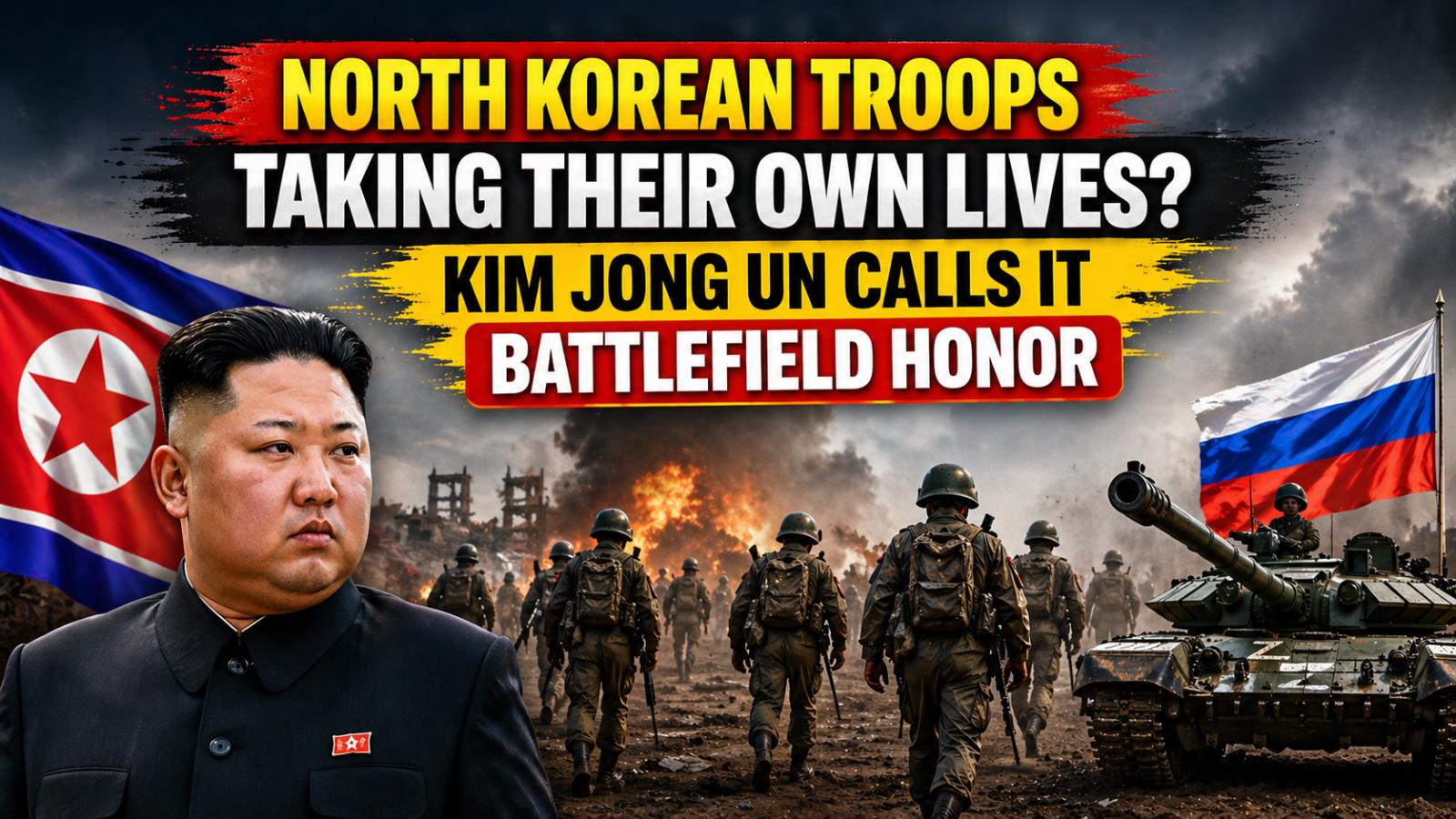
Why are North Korean troops reportedly taking their own lives? Kim Jong Un calls it battlefield honor
Why are North Korean troops reportedly taking their own lives? Kim Jong Un calls it battlefield honor has drawn international scrutiny after reports emerged that North Korean soldiers fighting alongside Russia in the war in Ukraine may be taking their own lives to avoid capture. The claims
Why are North Korean troops reportedly taking their own lives? Kim Jong Un calls it battlefield honor
Why are North Korean troops reportedly taking their own lives? Kim Jong Un calls it battlefield honor has drawn international scrutiny after reports emerged that North Korean soldiers fighting alongside Russia in the war in Ukraine may be taking their own lives to avoid capture. The claims
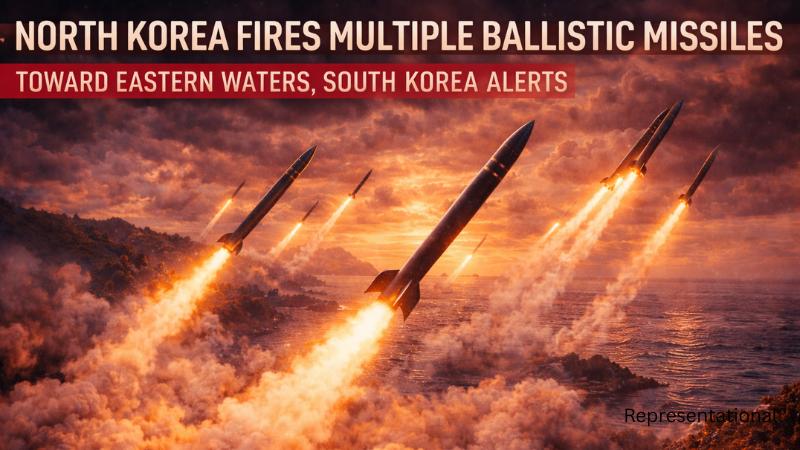
North Korea Fires Multiple Ballistic Missiles Toward Eastern Waters, South Korea Alerts
Tensions on the Korean Peninsula have escalated once again after North Korea launched multiple ballistic missiles toward its eastern waters, according to officials from South Korea. The launches, which were detected and tracked by South Korea’s military, have raised fresh concerns over regional security
North Korea Fires Multiple Ballistic Missiles Toward Eastern Waters, South Korea Alerts
Tensions on the Korean Peninsula have escalated once again after North Korea launched multiple ballistic missiles toward its eastern waters, according to officials from South Korea. The launches, which were detected and tracked by South Korea’s military, have raised fresh concerns over regional security
North Korea’s nuclear capabilities surge amid rising activity at Yongbyon
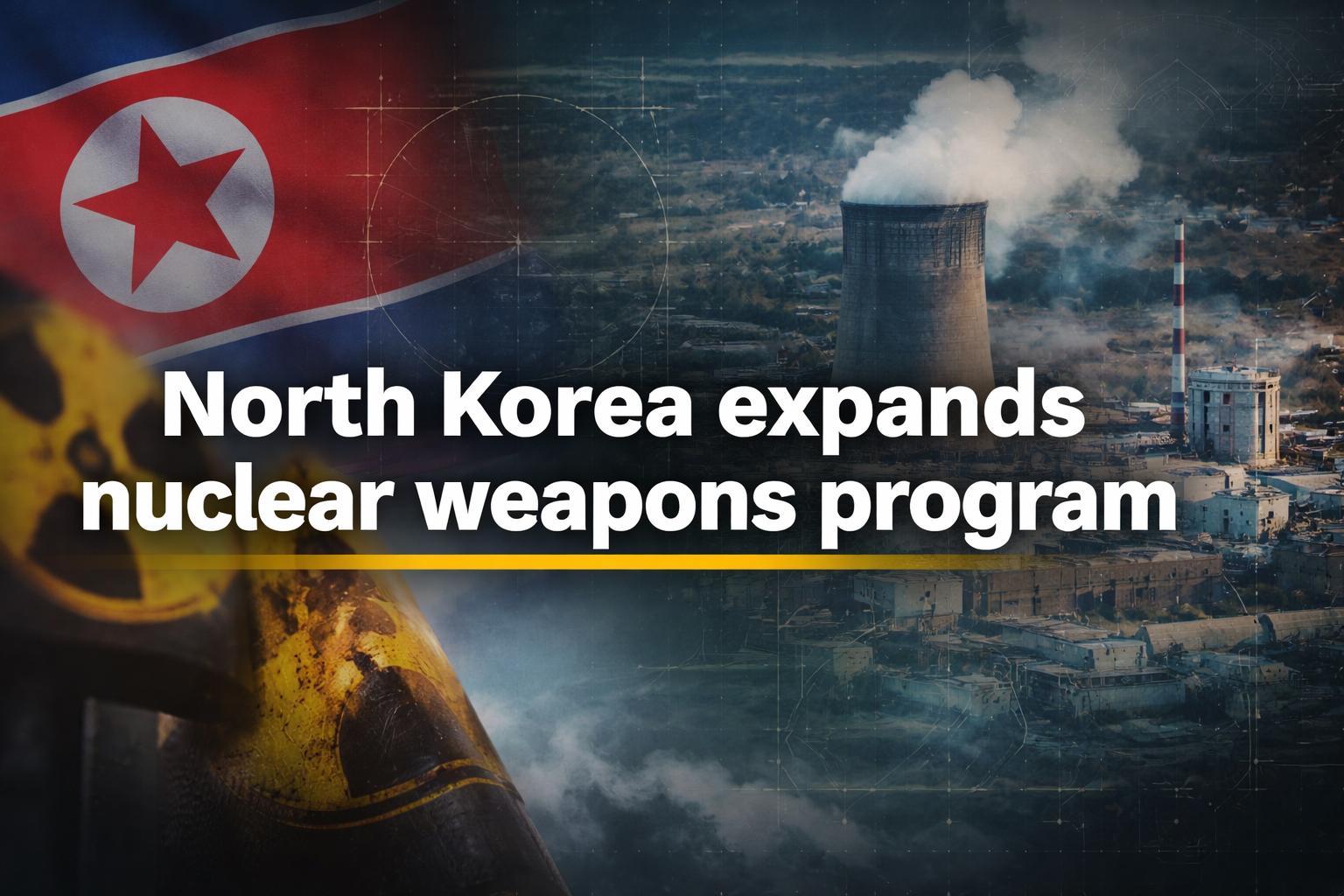
The International Atomic Energy Agency (IAEA) has raised concerns over North Korea’s increasing nuclear capabilities, citing a significant rise in activity at the Yongbyon nuclear complex. Rafael Grossi, the head of the IAEA, confirmed during his visit to Seoul that the agency has observed intensified operations at the five-megawatt reactor and the reprocessing unit at Yongbyon. Grossi noted that these developments signal a troubling expansion of North Korea’s nuclear weapons production c
North Korea’s nuclear capabilities surge amid rising activity at Yongbyon
The International Atomic Energy Agency (IAEA) has raised concerns over North Korea’s increasing nuclear capabilities, citing a significant rise in activity at the Yongbyon nuclear complex. Rafael Grossi, the head of the IAEA, confirmed during his visit to Seoul that the agency has observed intensified operations at the five-megawatt reactor and the reprocessing unit at Yongbyon. Grossi noted that these developments signal a troubling expansion of North Korea’s nuclear weapons production c
North Korea declares nuclear status irreversible, Kim Jong Un warns of expansion
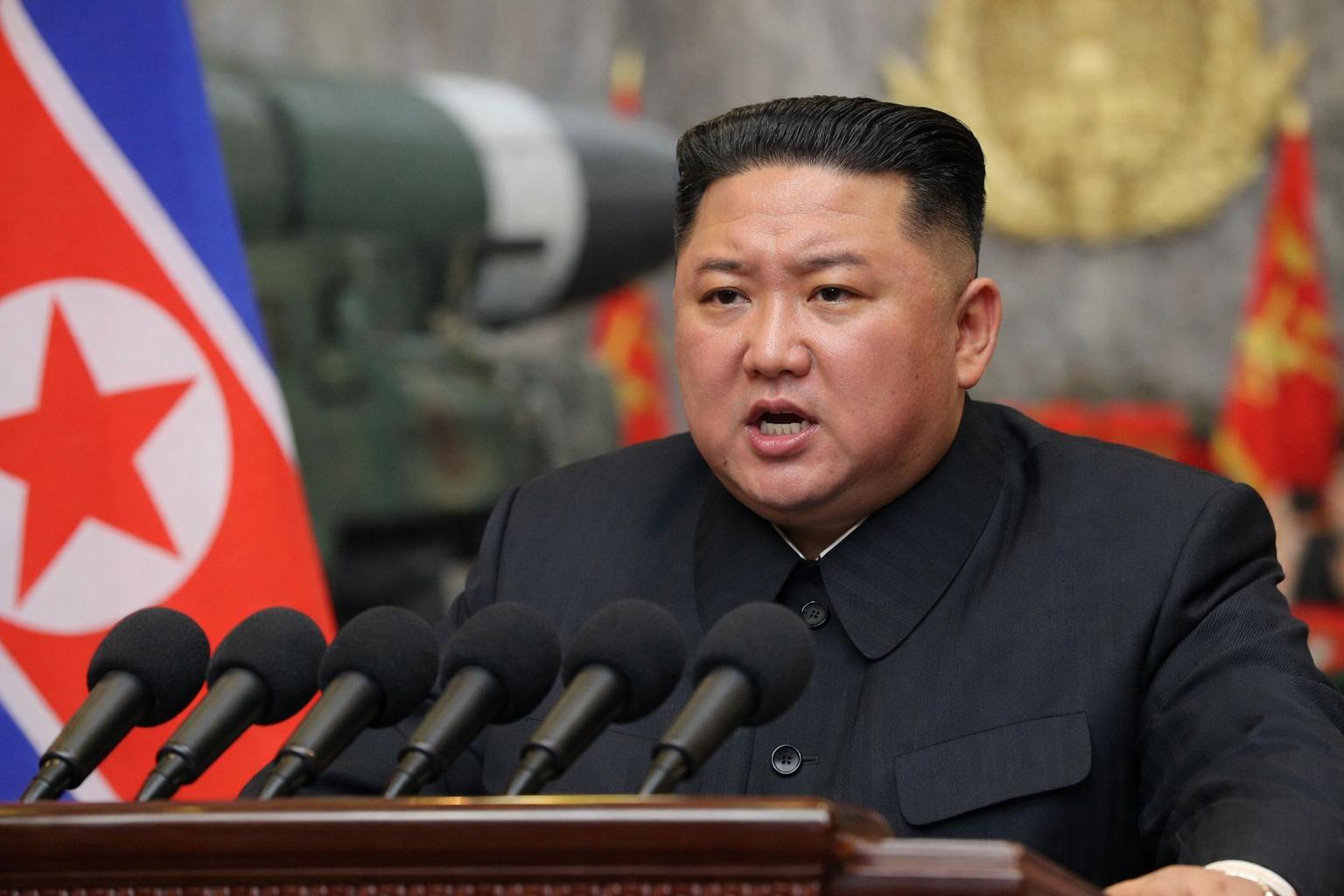
North Korean leader Kim Jong Un has reaffirmed that his country will not abandon its nuclear weapons programme, declaring its status as a nuclear-armed state “irreversible” in a strongly worded address delivered to the nation’s legislature. The remarks came shortly after his reappointment as chairman of the State Affairs Commission, consolidating his leadership over the country’s highest decision-making body. According to official reports released on March 24, Kim outlined an intensified strategy to expand North Korea’s nuclear arsenal, framing the move as essential for national security and constitutional responsibility. He stated that Pyongyang would continue to strengthen its nuclear deterrent and advance its capabilities in response to what he described as ongoing threats from hostile forces. The leader emphasized that maintaining and enhancing nuclear readiness was a key priority, ensuring that the country remains prepared to counter strategic challenges. Kim portrayed the development of nuclear weapons as a justified and defensive measure, asserting that the programme aligns with the country’s long-term security goals. He indicated that North Korea would pursue both quantitative and qualitative improvements in its nuclear forces, underscoring a commitment to sustained military advancement amid rising geopolitical tensions in the region. The speech also included sharp criticism of South Korea, which Kim labelled as the “most hostile state.” He warned that any perceived provocation or infringement on North Korea’s sovereignty would be met with a decisive and uncompromising response. The language used signalled a continuation of strained inter-Korean relations, with little indication of near-term diplomatic engagement. Kim’s address covered broader policy areas, including defence, economic priorities, and relations with the United States, though nuclear policy remained the central focus. His remarks highlight an ongoing shift toward a more assertive security posture, raising concerns among regional and global observers about the future trajectory of East Asia’s security environment.
North Korea declares nuclear status irreversible, Kim Jong Un warns of expansion
North Korean leader Kim Jong Un has reaffirmed that his country will not abandon its nuclear weapons programme, declaring its status as a nuclear-armed state “irreversible” in a strongly worded address delivered to the nation’s legislature. The remarks came shortly after his reappointment as chairman of the State Affairs Commission, consolidating his leadership over the country’s highest decision-making body. According to official reports released on March 24, Kim outlined an intensified strategy to expand North Korea’s nuclear arsenal, framing the move as essential for national security and constitutional responsibility. He stated that Pyongyang would continue to strengthen its nuclear deterrent and advance its capabilities in response to what he described as ongoing threats from hostile forces. The leader emphasized that maintaining and enhancing nuclear readiness was a key priority, ensuring that the country remains prepared to counter strategic challenges. Kim portrayed the development of nuclear weapons as a justified and defensive measure, asserting that the programme aligns with the country’s long-term security goals. He indicated that North Korea would pursue both quantitative and qualitative improvements in its nuclear forces, underscoring a commitment to sustained military advancement amid rising geopolitical tensions in the region. The speech also included sharp criticism of South Korea, which Kim labelled as the “most hostile state.” He warned that any perceived provocation or infringement on North Korea’s sovereignty would be met with a decisive and uncompromising response. The language used signalled a continuation of strained inter-Korean relations, with little indication of near-term diplomatic engagement. Kim’s address covered broader policy areas, including defence, economic priorities, and relations with the United States, though nuclear policy remained the central focus. His remarks highlight an ongoing shift toward a more assertive security posture, raising concerns among regional and global observers about the future trajectory of East Asia’s security environment.
North Korea signals conditional talks with US, labels South Korea ‘most hostile’
North Korean leader Kim Jong Un has concluded a rare party congress with a pointed message to the United States, stating that Pyongyang could improve relations with Washington if it is recognised as a nuclear power. At the same time, he hardened his stance toward South Korea, describing it as the country’s “most hostile” enemy and ruling out further engagement. According to state media reports released on February 26, Kim said there was “no reason” North Korea and the Unit
North Korea signals conditional talks with US, labels South Korea ‘most hostile’
North Korean leader Kim Jong Un has concluded a rare party congress with a pointed message to the United States, stating that Pyongyang could improve relations with Washington if it is recognised as a nuclear power. At the same time, he hardened his stance toward South Korea, describing it as the country’s “most hostile” enemy and ruling out further engagement. According to state media reports released on February 26, Kim said there was “no reason” North Korea and the Unit
North Korea fires ballistic missiles as Seoul and Washington review alliance posture
North Korea launched multiple ballistic missiles into nearby waters on Tuesday, triggering renewed condemnation from South Korea and Japan and drawing attention to ongoing discussions between Seoul and Washington over the future direction of their security alliance. The launches underscore persistent tensions on the Korean Peninsula as Pyongyang continues to advance its missile capabilities amid shifting regional and global defence dynamics. South Korea’s Joint Chiefs of Staff sai
North Korea fires ballistic missiles as Seoul and Washington review alliance posture
North Korea launched multiple ballistic missiles into nearby waters on Tuesday, triggering renewed condemnation from South Korea and Japan and drawing attention to ongoing discussions between Seoul and Washington over the future direction of their security alliance. The launches underscore persistent tensions on the Korean Peninsula as Pyongyang continues to advance its missile capabilities amid shifting regional and global defence dynamics. South Korea’s Joint Chiefs of Staff sai
Trump claims Russia and China conducting secret underground nuclear tests
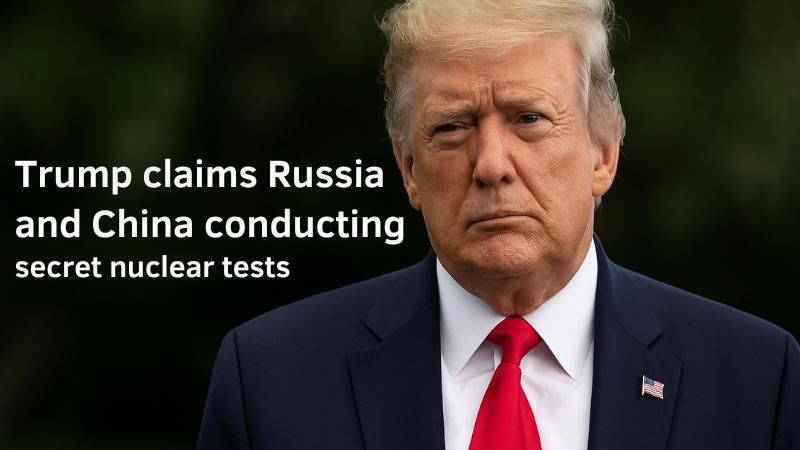
US President Donald Trump has alleged that Russia and China have been secretly conducting underground nuclear tests, accusing the two countries of violating global norms while defending his decision to restart nuclear testing in the United States after more than three decades. The statement has reignited debate over nuclear deterrence, global security, and the risks of renewed arms competition among the world’s leading powers. Speaking during an interview on Sunday, Trump claimed
Trump claims Russia and China conducting secret underground nuclear tests
US President Donald Trump has alleged that Russia and China have been secretly conducting underground nuclear tests, accusing the two countries of violating global norms while defending his decision to restart nuclear testing in the United States after more than three decades. The statement has reignited debate over nuclear deterrence, global security, and the risks of renewed arms competition among the world’s leading powers. Speaking during an interview on Sunday, Trump claimed
Trump pledges full US support to families of Japanese abducted by North Korea
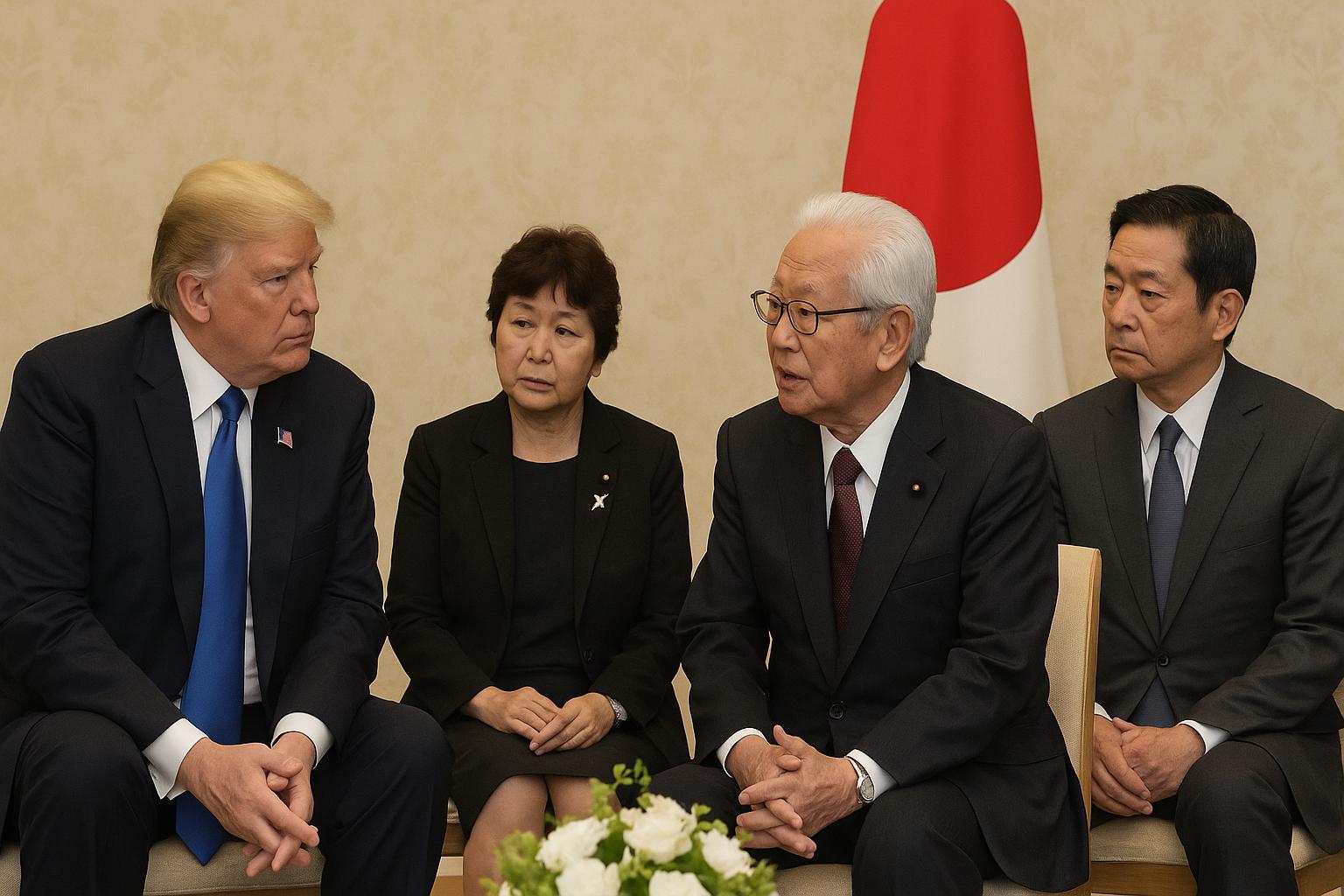
During his official visit to Japan on Tuesday, United States President Donald Trump met with the families of Japanese citizens who were abducted by North Korea several decades ago. The emotional meeting took place in Tokyo, where relatives of the victims shared their ongoing struggle for answers and appealed for international cooperation to bring their loved ones home. President Trump expressed deep sympathy and reaffirmed Washington’s full and unwavering support for Japan’s efforts to re
Trump pledges full US support to families of Japanese abducted by North Korea
During his official visit to Japan on Tuesday, United States President Donald Trump met with the families of Japanese citizens who were abducted by North Korea several decades ago. The emotional meeting took place in Tokyo, where relatives of the victims shared their ongoing struggle for answers and appealed for international cooperation to bring their loved ones home. President Trump expressed deep sympathy and reaffirmed Washington’s full and unwavering support for Japan’s efforts to re
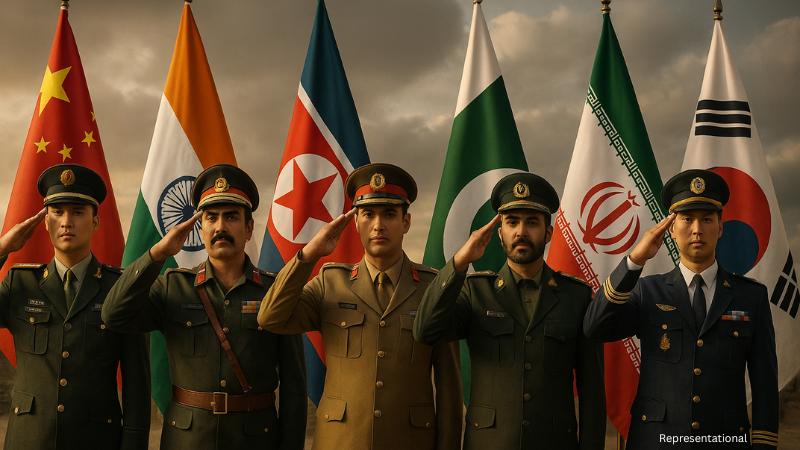
Asia’s largest armies in 2025 as China and India lead global military strength
Asia’s military landscape in 2025 presents a scale that is both staggering and deeply significant for the balance of world power. Stretching from nuclear powers with global ambitions to smaller states entrenched in historical rivalries, the continent fields some of the largest armies on Earth. The presence of such massive forces goes beyond sheer numbers of soldiers. It represents power projection, deterrence, and the tensions that shape Asia’s political and security environment. Acc
Asia’s largest armies in 2025 as China and India lead global military strength
Asia’s military landscape in 2025 presents a scale that is both staggering and deeply significant for the balance of world power. Stretching from nuclear powers with global ambitions to smaller states entrenched in historical rivalries, the continent fields some of the largest armies on Earth. The presence of such massive forces goes beyond sheer numbers of soldiers. It represents power projection, deterrence, and the tensions that shape Asia’s political and security environment. Acc


