As autonomous vehicle companies rapidly expand operations in Austin, the city finds itself adjusting to a future driven by self-driving technology, even while holding limited authority over its arrival. With state legislators at the helm of regulation, Austin’s local government is working to keep pace, especially as companies like Waymo and Tesla continue to roll out more vehicles across the city.
A recent meeting of the Austin City Council’s Mobility Committee addressed the growing influence of autonomous vehicle technology and the pressing need for preparedness at the local level. The committee, composed of five council members, reviewed potential systems for permitting and oversight in anticipation of accelerated deployment. Much of the discussion centered around Senate Bill 2807, a new piece of legislation signed by Governor Greg Abbott in June, which will significantly impact how and when AV companies can increase their fleet numbers across Texas. The law, set to take effect in September, mandates approval from the Department of Motor Vehicles before AVs can begin operation. It also requires a comprehensive safety plan for first responders, ensuring emergency crews are trained and equipped to handle incidents involving driverless vehicles.
Lewis Leff, a director with the Transportation and Public Works Department, emphasized the scale and speed of AV industry growth in Austin. He noted that the city is becoming a major hub for AV experimentation and deployment, with numerous companies eager to gain a foothold in the market.
Rachel Castignoli, a senior consultant with the Smart Mobility Office, echoed this sentiment and underscored the importance of local engagement in the AV policy-making process. Castignoli played a critical role in the creation and passage of SB 2807, working closely with Austin’s emergency response teams to draft the bill. She described it as a model for how municipalities can influence state legislation even with limited direct authority.
Under the new bill, all AV companies planning to operate in Texas must apply for a state permit. These permits will go through a three-stage process, which includes mapping, testing, and eventual deployment. Both the Department of Motor Vehicles and the Department of Licensing and Regulation will oversee this system, with the authority to suspend, revoke, or deny permits as necessary.
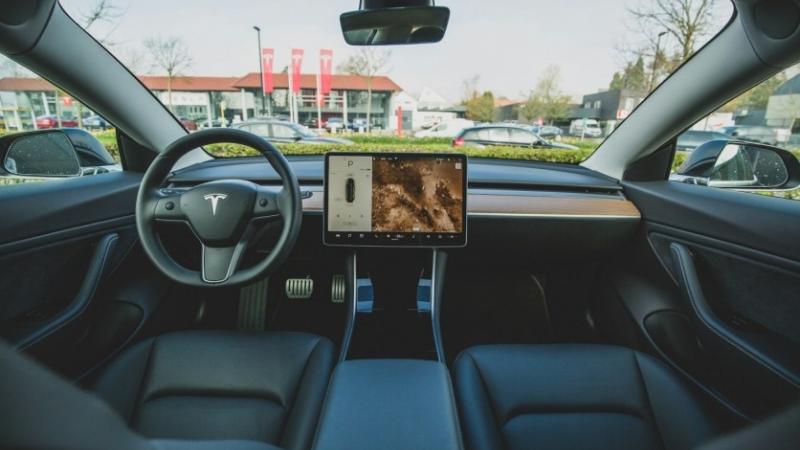
Interestingly, some companies are bypassing traditional deployment stages. Tesla, for instance, is already testing nearly 100 vehicles in the city while simultaneously operating about a dozen in commercial service. Castignoli acknowledged that these vehicles often do not require city data to function. Instead, the city expects AVs to independently recognize key environmental indicators such as school zones, stop signs, emergency scenes, and police signals. However, Austin will still provide essential information to promote citizen safety.
One area where Austin distinguishes itself nationally is its enforcement. Currently, it is the only city in the United States that issues traffic citations to autonomous vehicles that violate local laws. Castignoli explained that enforcement plays a vital role in ensuring accountability and encouraging safe operation. Most violations occur near high-traffic areas like the Moody Center and Barton Springs, and a growing issue involves AVs failing to interpret hand signals from police directing traffic.
The city also maintains a publicly accessible AV incident dashboard, which documents and updates every recorded AV incident. As of now, there have been about 130 such cases logged. This transparency aims to keep the public informed and maintain oversight as the number of AVs grows.
Despite this detailed tracking, there is still uncertainty about the total number of autonomous vehicles operating commercially in Austin. Castignoli admitted that there is currently no legal requirement for companies to disclose fleet sizes. Still, estimates suggest there are over 100 Waymo vehicles already in operation, a number expected to double soon. Tesla, meanwhile, has around 12 robotaxis in commercial service, with about 100 others in various stages of testing. Other companies like Volkswagen ADMT and Zoox Highlander are also in the pipeline, aiming for deployment within the next year.
Austin’s leadership is keenly aware of the challenges and opportunities posed by the AV industry. While the state controls much of the regulatory framework, city officials are doing what they can to ensure safety, transparency, and preparedness as the number of autonomous vehicles on the road continues to climb. With systems like real-time incident tracking and local enforcement in place, Austin is setting a precedent for how cities can navigate the fast-evolving world of self-driving technology even under state-dominated oversight.