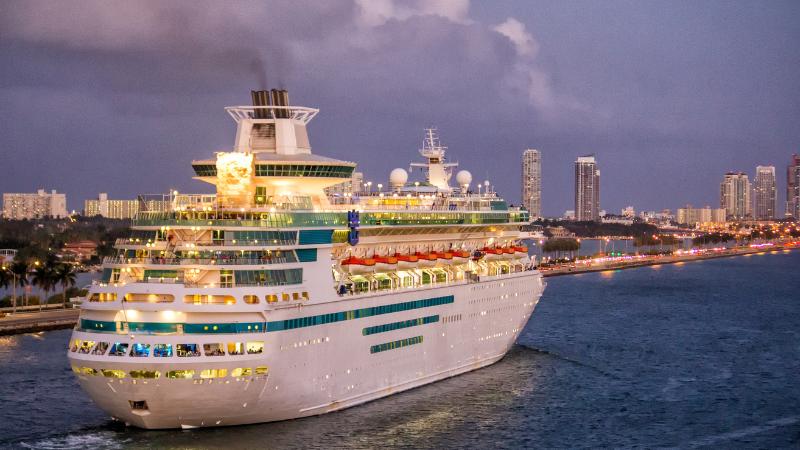
Khiali Baxter was just two days into her trip when she suddenly became ill. She recalls waking up, vomiting blood, and collapsing on the floor of her cabin. Medical staff on the ship diagnosed internal bleeding and rushed her to the onboard medical center for emergency treatment. Because her condition was severe, she was transferred by ambulance to a hospital four hours away on land. Baxter described the terrifying experience of drifting in and out of consciousness, feeling cold, and fearing for her life.
When she arrived at the hospital, her parents were contacted and asked to provide payment upfront before doctors would begin treatment. Her father, Craig Baxter, said he was stunned when staff explained they would only provide care “as far as the $2,500 will take us.” Despite undergoing both an endoscopy and a colonoscopy, doctors were unable to locate the source of her internal bleeding.
The bills mounted quickly. The family received an itemized invoice of $9,970 for hospital services in Mexico, in addition to $4,048 for care provided on the cruise ship. Costs for flights, lodging, and other arrangements added to the financial burden, bringing the total to more than thirteen thousand dollars. To make matters more difficult, the family still does not have answers about the exact cause of Khiali’s condition.
Looking back, the Baxters regret not having purchased travel insurance. They now understand how valuable it can be when dealing with unexpected emergencies abroad. Travel insurance policies typically cost between six to eight percent of the total trip cost, depending on coverage. Some basic plans may only protect flights or hotel stays, but more comprehensive policies extend to medical expenses, emergency transportation, and trip interruptions.
For the family, the lack of coverage became an expensive lesson they do not want others to repeat. Their goal now is to raise awareness, especially among younger travelers who may not consider the risks of international travel. “Sometimes the trip of a lifetime can become the situation of a lifetime,” Craig Baxter said, reflecting on the ordeal.
The family has relied on community support through a fundraising campaign to cover part of the expenses, but their main focus is helping others avoid the same painful situation. Khiali has also shared her perspective, saying the experience was terrifying and left her wishing she had invested in travel insurance before the trip.
Their story stands as a reminder that even the most carefully planned vacations carry risks. For travelers heading overseas or embarking on cruises where medical facilities are limited and hospital transfers can be complicated, travel insurance can provide a crucial safety net. The Baxter family hopes their difficult experience will encourage others to prepare better, both financially and medically, before setting out on international journeys.