In 2025, the debate between electric and gas cars is more relevant than ever. As car buyers become increasingly conscious of environmental impact, fuel economy, government incentives, and long-term ownership costs, making the right choice is critical. Whether you’re a daily commuter, a weekend traveler, or a family car shopper, this guide will help you understand the key differences between electric vehicles (EVs) and internal combustion engine (ICE) vehicles, helping you make an informed purchase decision in 2025.
1. Purchase Cost and Incentives
Electric cars often come with a higher upfront price tag compared to gas-powered vehicles, but this gap is narrowing in 2025. Thanks to advancements in battery technology and increased competition among manufacturers, EV prices have become more affordable. Additionally, government incentives at federal and state levels—such as tax credits, rebates, and reduced registration fees—can significantly reduce the overall cost of owning an EV. Gas cars may have lower initial costs, but they usually don’t offer the same financial perks or long-term savings.
2. Fuel and Charging Costs
One of the most talked-about advantages of electric vehicles is their low fueling cost. Charging an EV is significantly cheaper than refueling a gas car—especially when done at home. On average, EV owners can expect to pay less than half per mile compared to gas-powered car owners. Public charging stations are more widely available in 2025, and many workplaces and commercial centers now offer free or subsidized charging. Gasoline prices remain volatile and can drastically affect your monthly expenses, particularly for long commutes.
3. Maintenance and Reliability
Electric cars require less maintenance than gas cars. With fewer moving parts, no oil changes, and no exhaust systems, EVs are easier and cheaper to maintain. Brake wear is also reduced thanks to regenerative braking systems. In contrast, gas cars require regular oil changes, spark plug replacements, emission checks, and transmission services. Over the course of ownership, these maintenance costs add up. However, EV battery replacement can be expensive if it occurs outside the warranty period, so check the warranty terms before buying.
4. Environmental Impact
If reducing your carbon footprint is a priority, EVs clearly come out ahead. They produce zero tailpipe emissions and help reduce overall air pollution. Even when factoring in the electricity source, EVs still generate fewer greenhouse gases than gas vehicles. In 2025, many utility companies offer green charging options powered by wind or solar. Gasoline cars, regardless of efficiency, contribute to greenhouse gas emissions, air pollution, and reliance on fossil fuels.
5. Driving Range and Refueling Convenience
Range anxiety has long been a concern for EV buyers, but significant improvements have been made. Most new electric models in 2025 offer ranges between 250–400 miles on a single charge—suitable for both city driving and long-distance travel. Charging infrastructure has grown, with ultra-fast chargers available on major highways. Gas vehicles, however, still offer faster refueling times—about 5 minutes compared to 20–40 minutes for a fast EV charge—making them more convenient for drivers who need quick turnarounds or frequent long trips.
6. Performance and Driving Experience
Electric cars deliver instant torque, smooth acceleration, and a quieter ride. They offer a modern driving experience, with many models boasting cutting-edge technology, autonomous features, and over-the-air software updates. Gas cars, especially performance models, can still provide a thrilling drive and longer range without planning charging stops. However, the average driver may appreciate the ease and efficiency of EVs more than the sound and feel of a traditional engine.
7. Infrastructure and Availability
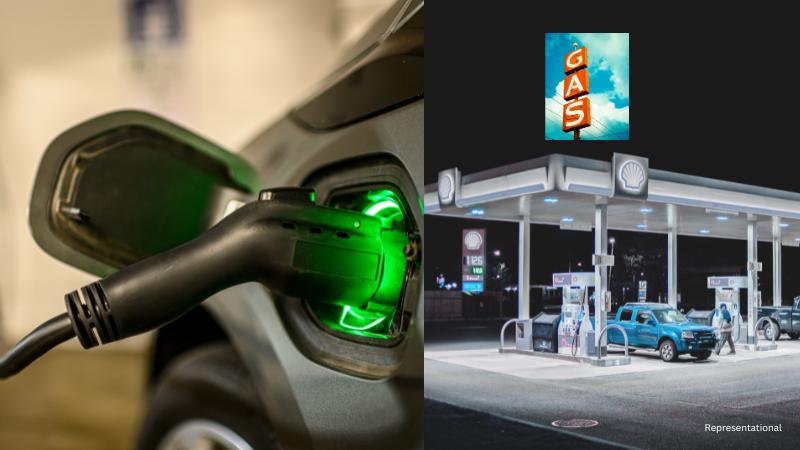
EV infrastructure has seen rapid expansion. Public charging stations are now as common as gas stations in many urban areas. However, rural or remote locations may still have limited access. If you live in an apartment or don’t have access to home charging, you’ll need to consider your local charging options. Gas stations, meanwhile, are universally available, providing a reliable fueling experience anywhere.
8. Resale Value and Market Trends
Electric cars are holding their value better in 2025, thanks to rising demand and improved battery longevity. Some brands even offer battery leasing or replacement programs to extend a vehicle’s life and improve resale value. Gas cars may depreciate faster as EV adoption increases and emission regulations tighten. It's also worth noting that many manufacturers have committed to going all-electric in the next decade, further shifting market dynamics.
So, should you go electric or stick with gas in 2025? It depends on your budget, lifestyle, driving habits, and values. If you want lower operating costs, minimal maintenance, and care about sustainability, an EV might be the best choice. But if you drive long distances frequently, live in areas with limited charging stations, or prefer the familiarity of a gas-powered engine, a traditional car might still work for you. The good news is—whether you choose electric or gas—2025 offers more advanced, efficient, and affordable options than ever before.
🔖 Explore More
EV vs Hybrid Cars: Best Choice for City Driving
For Maintenance and Services - Explore Automotive