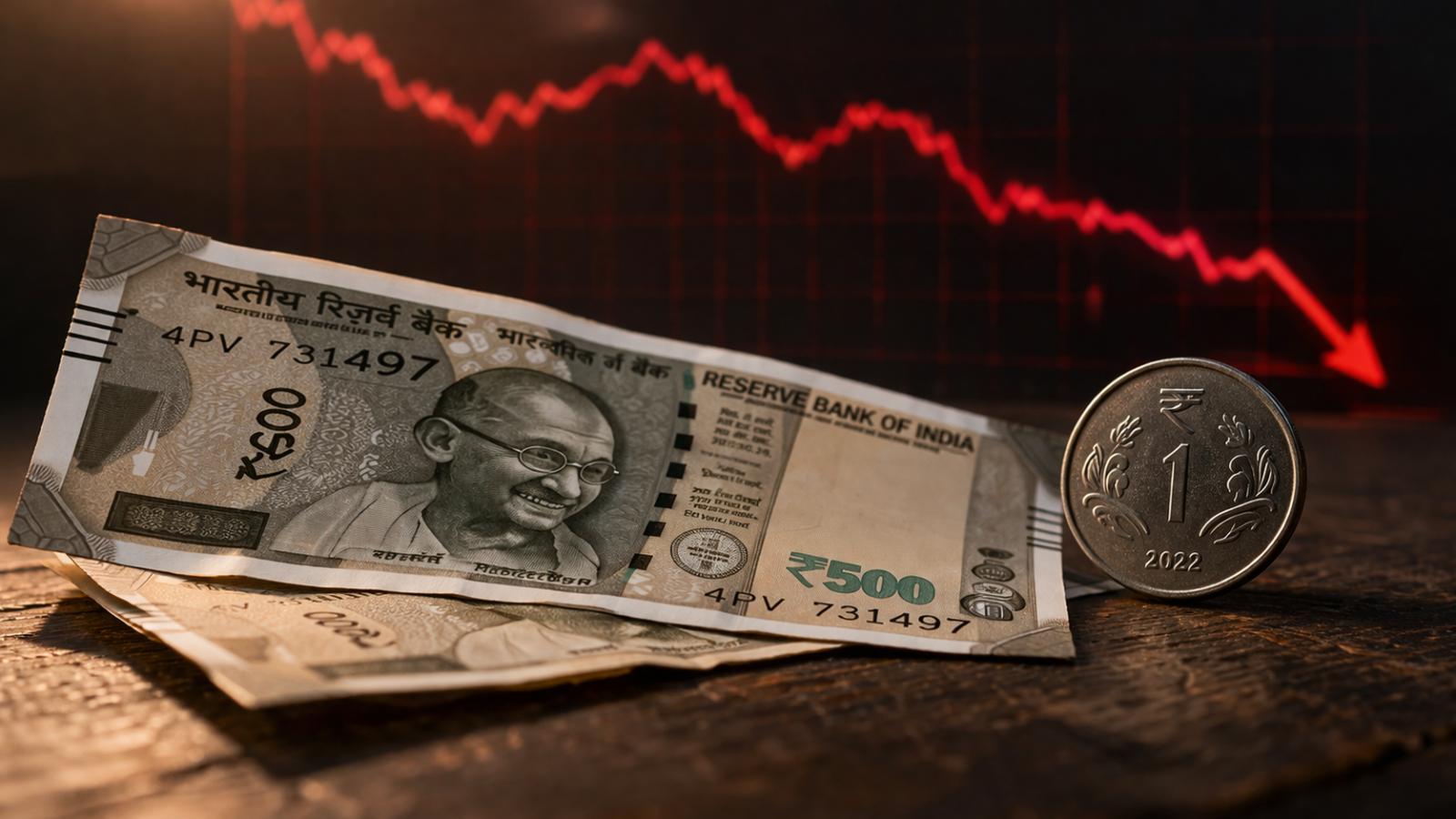
The Indian rupee has slipped to a new record low, falling to 94.1575 per US dollar, surpassing its previous all-time low of 93.98 set earlier this week. The continued decline is being attributed to growing concerns over the ongoing conflict in the Middle East, which has placed significant pressure on global markets, including the Indian currency.
Since the war broke out late last month, the rupee has weakened by about 3.5%, reflecting the heightened uncertainty in international markets. A key factor contributing to the rupee’s decline is the energy supply crisis, primarily driven by fears of prolonged disruptions to global oil supplies. India, as a major importer of crude oil, has been hit hard by rising oil prices, which have remained above $100 per barrel. This has pushed up the cost of oil imports, requiring India to spend more dollars, further weakening the rupee.
The rise in global oil prices has not only affected the rupee but has also had a broader impact on financial markets, including stock and bond markets, due to concerns about inflation and economic growth. Analysts have raised concerns over India’s economic growth, with some even revising down their growth forecasts for the country. The ongoing situation is also prompting expectations that the Reserve Bank of India (RBI) may need to raise interest rates in the coming months to combat rising inflation.
The rupee’s current pressure is expected to persist as long as the energy crisis continues and oil prices remain high. Some analysts, including Bernstein, have even predicted that the rupee could fall further, potentially hitting the 98 mark per dollar this year, largely due to India’s worsening current account balance.
As the situation develops, the rupee’s trajectory will depend heavily on global factors, particularly the ongoing Middle East conflict and its effects on oil prices. For now, the rupee remains under significant pressure, and its future will be closely tied to how the global economic situation unfolds.