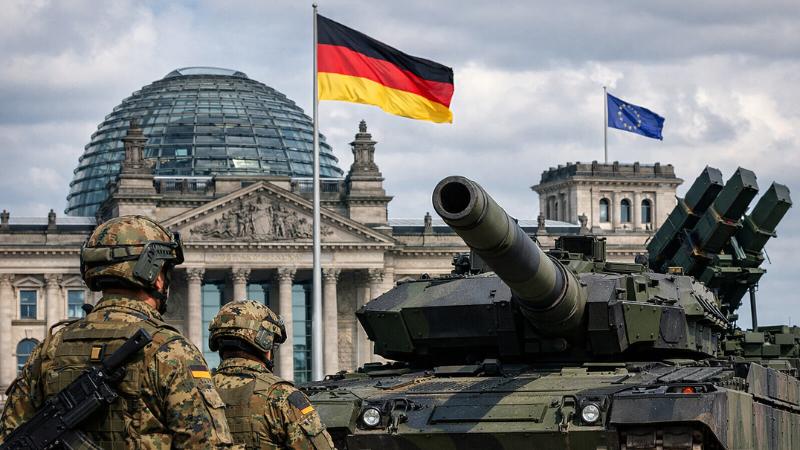
German lawmakers are widely expected to approve a defense procurement package exceeding 50 billion euros on Wednesday, marking one of the most significant military spending decisions in the country’s post-war history. The move reflects a broader shift in Germany’s security policy as the government seeks to strengthen national and allied defense capabilities following Russia’s invasion of Ukraine.
Agenda documents for the Bundestag’s Budget Committee indicate that members are scheduled to review and vote on a series of large-scale defense purchases. The committee holds decisive authority over such expenditures and can authorize or block major procurement contracts. The proposals under discussion are widely expected to receive approval, clearing the way for long-planned investments to be converted into binding orders.
The package includes substantial funding aimed at addressing long-standing equipment gaps within the armed forces. Around 22 billion euros are earmarked for personal protective equipment and modern clothing for military personnel, addressing readiness concerns that have drawn criticism for years. An additional 10 billion euros is expected to be allocated toward upgrades for infantry fighting vehicles, air defense platforms, and missile systems, strengthening both ground and aerial capabilities.
Financial markets reacted positively ahead of the anticipated decision. European defense stocks advanced on Wednesday morning as investors positioned themselves for confirmation of the spending package. The Stoxx Europe Aerospace and Defense index rose more than 1 percent during early trading, with German defense firms among the strongest performers. Shares in companies such as Renk, Hensoldt, and Rheinmetall recorded notable gains, reflecting investor confidence in increased order flows.
The rally followed a weaker session earlier in the week, when defense stocks declined amid renewed optimism over potential diplomatic efforts to end the Ukraine war. Despite short-term volatility, the sector has delivered strong performance over the past year. Since January, the Stoxx Europe Aerospace and Defense index has climbed more than 50 percent, with several regional defense companies more than doubling in value.
This surge has been driven by firm commitments from European governments and the NATO alliance to raise defense spending after decades of underinvestment. The pledges are expected to translate into higher revenues and record order backlogs for defense manufacturers across the continent. Many companies have already reported sharp increases in earnings as procurement cycles accelerate.
German firms have been particular beneficiaries of the renewed focus on security. Legislative reforms have enabled higher military spending, reversing long-standing fiscal constraints. Rheinmetall, one of Europe’s largest armaments manufacturers, has seen its share price rise dramatically this year as demand for its products expands across multiple markets.
Market analysts note that the approval of the current package does not increase Germany’s overall defense budget, which was agreed earlier, but instead provides formal parliamentary authorization for specific contracts. This step is viewed as crucial by investors, as it converts previously allocated funds into confirmed orders, improving revenue visibility for defense suppliers.
The accelerated approval process has also been highlighted as a positive signal for the industry. Observers point out that procurement decisions, which traditionally take years to finalize, appear to be moving more quickly as governments respond to evolving security threats. The scale of funding directed toward basic military gear underscores the extent of modernization required after years of limited investment.
As Germany advances with this landmark decision, Europe’s defense sector is increasingly positioning itself as a global hub for specialized military capabilities. The expected approval of the spending package reinforces the strategic shift underway, with long-term implications for security policy, industrial growth, and regional defense cooperation.