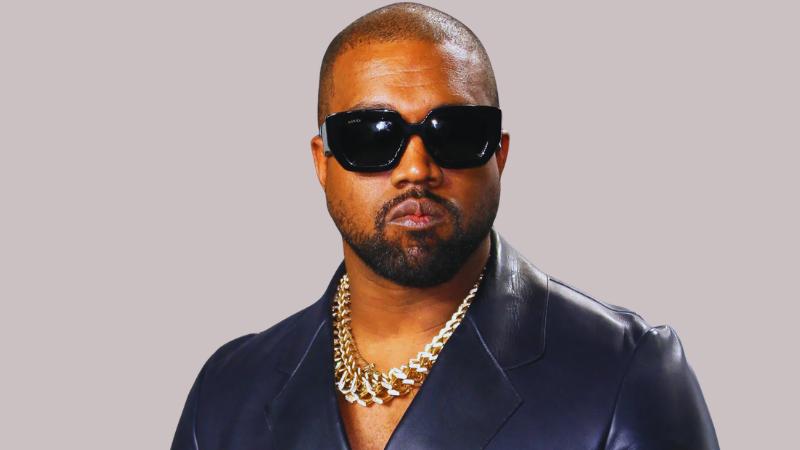
Rapper Kanye West has been barred from traveling to the UK, as the government confirmed the refusal of his entry application. This decision comes in the wake of growing controversy surrounding his planned headline performance at the Wireless Festival in London this summer. West, who applied for entry via an Electronic Travel Authorisation (ETA), saw his application rejected by the Home Office. Officials cited that his presence would not be "conducive to the public good," a decision rooted in his previous remarks deemed antisemitic and inflammatory.
The refusal is part of a broader pattern of scrutiny over West's controversial behavior in recent years. His history of making racist, antisemitic, and pro-Nazi comments has drawn widespread condemnation from political leaders, advocacy groups, and the public. In response to his planned appearance at Wireless Festival, there were calls to cancel his set, with some sponsors reportedly pulling out in protest.
Under UK law, ministers have the power to deny entry to foreign nationals if their presence is considered against public interest. The Home Office's move reflects this authority, with officials pointing to the potential negative public impact of West's presence in the country.
Political reactions to West’s planned performance have been swift. UK Prime Minister Keir Starmer expressed his concerns about West headlining the festival, calling it "deeply concerning." Members of Parliament from various political parties joined in urging the government to bar West from entering.
This is not the first time West has faced travel-related restrictions. In 2025, he was denied entry to Australia after the release of his controversial track Heil Hitler and associated merchandise that sparked global outrage. Despite issuing an apology, attributing some of his actions to mental health struggles, West has continued to face criticism from advocacy groups and community leaders, particularly regarding his public appearances at major events.
The organisers of Wireless Festival, as well as its parent company, have yet to officially comment on the government's decision. However, this latest development marks another chapter in the ongoing debate surrounding Kanye West's public persona and the impact of his controversial statements on his career.