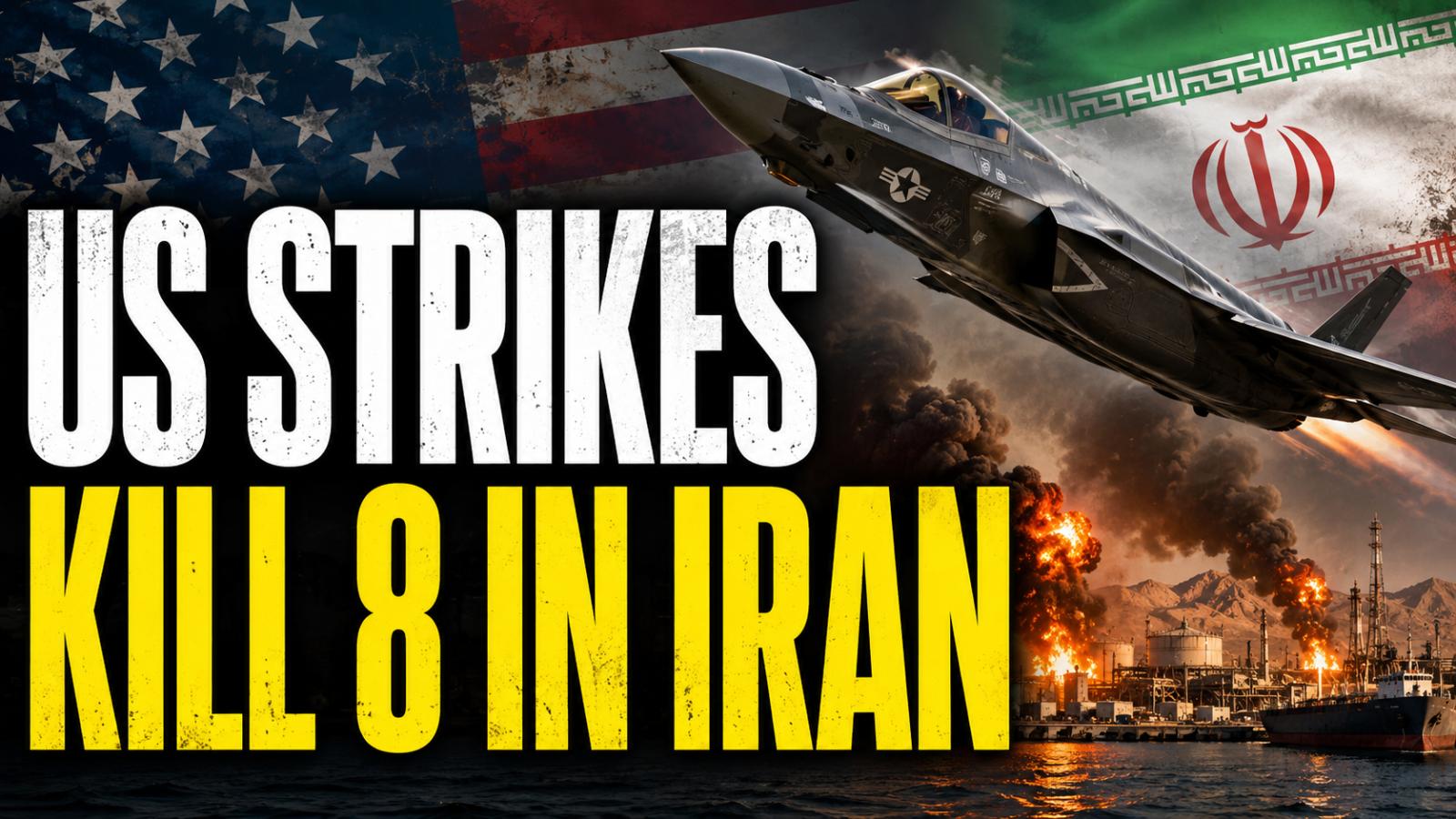
Iran says eight troops killed
Iranian state television reported that eight military personnel were killed in the latest US strikes on southern Iran, as tensions between Washington and Tehran escalated around the Strait of Hormuz. The report said the dead were members of Iran’s air and naval forces and that the strikes affected areas including Bandar Abbas and Bushehr. The United States said its operation followed Iranian attacks on commercial vessels near Hormuz, a vital shipping route for global oil and gas movement.
The US military said it targeted more than 80 Iranian sites in response to attacks on commercial ships transiting the Strait of Hormuz. Washington described the strikes as a direct response to threats against civilian shipping, while Tehran warned it would defend its national interests. The exchange marked one of the sharpest escalations since the recent ceasefire framework and raised concerns that limited military action could widen into a broader regional conflict.
Oil prices react sharply
The military escalation quickly affected energy markets. Brent crude briefly rose above $80 a barrel before giving back part of its gains, while US benchmark WTI also climbed as traders reacted to renewed risk around Hormuz. The waterway carries a major share of global oil flows, so any threat to shipping there can quickly influence fuel prices, insurance costs and wider market sentiment.
Stock markets also came under pressure as investors assessed the risk of further strikes, possible Iranian retaliation and disruption to energy supply routes. Trump said the ceasefire with Iran was over after the fresh military action, but later suggested he expected the flare-up to end quickly and said the United States was not looking for a long-term conflict.
Hormuz remains the key risk
The Strait of Hormuz remains the central flashpoint because of its importance to global energy security. Iran-linked attacks on vessels, US retaliation and warnings from both sides have created fresh uncertainty for shipping companies, oil markets and regional governments. For US-based readers, the immediate issue is whether the latest exchange remains limited or triggers a wider confrontation that affects energy prices and Middle East stability.