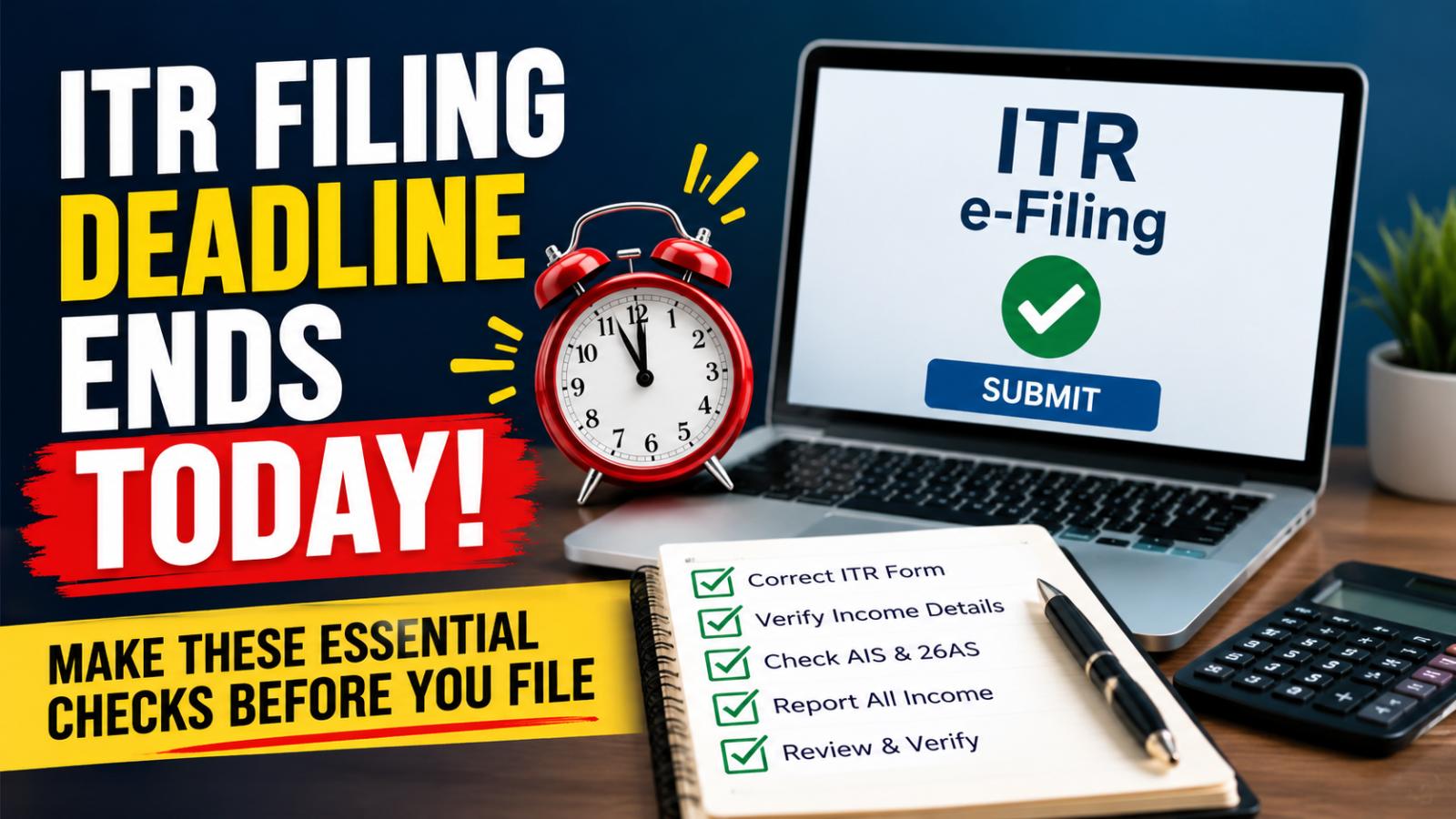
For taxpayers whose applicable due date is July 31, Friday is the final day to file the Income Tax Return for Financial Year 2025-26, corresponding to Assessment Year 2026-27. The deadline differs by taxpayer category, so filers should confirm the correct form and due date before submission.
ITR Filing Form And Personal Details Need A Final Review
Choosing the correct ITR form is the first essential check. Salaried individuals, investors, professionals and taxpayers with business income may need different forms. Using the wrong form can lead to defects or processing delays.
Select Assessment Year 2026-27 and verify the PAN, Aadhaar details, name, date of birth, contact information and address. Bank account numbers and IFSC codes should also be checked. Those expecting a refund must ensure that the selected bank account is active and pre-validated.
ITR Filing Income Records Must Match AIS And Form 26AS
Compare the return with the Annual Information Statement, TIS and Form 26AS. AIS provides a broad view of reported financial data and allows taxpayers to submit feedback when an entry is incorrect or duplicated.
Salary details should match Form 16, while TDS credits must be reconciled with Form 26AS. Review bank statements, interest certificates, capital-gain reports and rental records. Any mismatch should be examined instead of copying pre-filled data without verification.
ITR Filing Must Include Every Source Of Income
A common mistake is reporting salary while forgetting savings interest, fixed-deposit interest, dividends, rent, freelance income or capital gains. Income from shares, mutual funds, property, virtual digital assets and other transactions must be disclosed under the applicable rules.
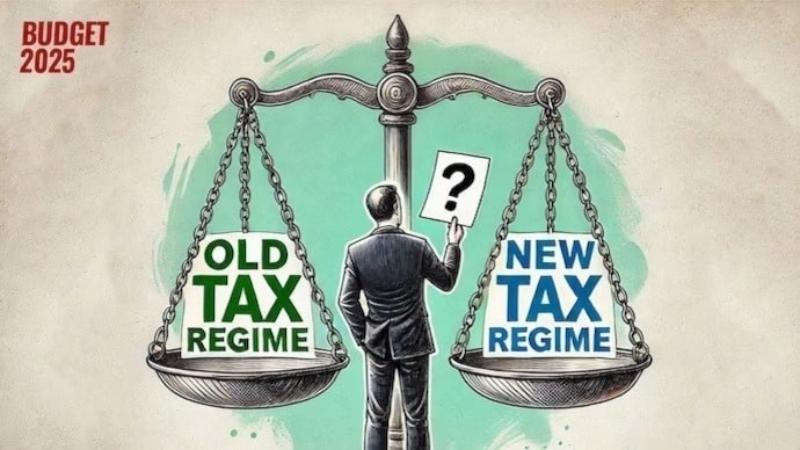
Claim deductions and exemptions only when eligible and supported by records. The selected tax regime should also be reviewed because available deductions differ. Compare the final liability with TDS, advance tax and self-assessment tax already paid. Any balance tax should be paid before submission.
ITR Filing Is Incomplete Without Verification
Uploading the return does not complete the process unless it is verified. Taxpayers may e-verify through Aadhaar OTP, net banking, a pre-validated bank or demat account, or use the prescribed ITR-V process. Verification or submission of ITR-V must generally be completed within 30 days; an unverified return can be treated as invalid.
Those who miss their applicable original deadline may file a belated return for AY 2026-27 by December 31, 2026, subject to conditions. The late-filing fee is ₹1,000 when total income does not exceed ₹5 lakh and ₹5,000 in other cases. Interest on unpaid tax may apply separately. A final review of the tax calculation, acknowledgement and verification status can prevent errors, delayed refunds and notices.