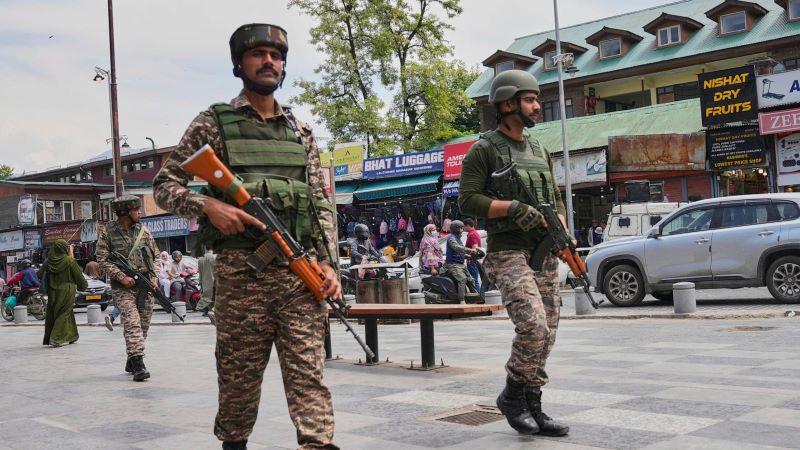
In the days following the brutal terror attack in Pahalgam, Jammu and Kashmir, which claimed the lives of 26 civilians, India has launched an intense diplomatic campaign to spotlight Pakistan’s alleged involvement. External Affairs Minister S Jaishankar has been at the forefront of this effort, engaging with leaders and diplomats from around the world to build pressure and rally support.
According to his public posts and government sources, Jaishankar has spoken to representatives from at least 24 countries since April 22. The Indian government has reportedly received messages of solidarity from over 130 nations, reflecting a wave of international condemnation. Initially, the tone was one of unified outrage; however, as regional tensions rose, global messaging swiftly shifted toward urging restraint.
India's primary goal has been to expose what it describes as the cross-border nature of the Pahalgam attack. Within hours of the carnage, New Delhi hosted diplomatic briefings with foreign envoys to present intelligence and underline Pakistan’s role in harboring terror outfits. The diplomatic engagement is aimed not only at securing international condemnation but also at isolating Pakistan on the global stage.
Amid the looming threat of military confrontation, several Gulf nations and the United States have actively intervened, urging both India and Pakistan to avoid further escalation. Saudi Arabia, Qatar, Kuwait, and Iran were among the first to initiate diplomatic outreach. Iranian Foreign Minister Seyed Abbas Araghchi offered to mediate between the two nations, emphasizing the region’s need for stability and peace. “India and Pakistan are brotherly neighbours... our foremost priority,” he stated. Iran had earlier termed the Pahalgam incident a "grave crime" and called for global coordination against terrorism.
Saudi Foreign Minister Prince Faisal bin Farhan Al Saud held separate conversations with his counterparts in India and Pakistan. He urged both sides to resolve issues through diplomacy and avoid actions that might provoke a larger conflict. Qatar, which has frequently positioned itself as a neutral peace broker, echoed similar sentiments, offering its “full support” to reduce tensions. Kuwait’s Foreign Ministry emphasized that “reason and dialogue” should be the foundation of any regional response. These statements mark a strategic shift, as many Muslim-majority nations that previously aligned with Pakistan are now showing stronger support for India’s stance against terrorism.
These diplomatic moves are crucial for India, especially considering the increasing global fatigue with state-sponsored terror and the waning influence of Pakistan’s narrative in the Islamic world. India's growing economic ties with Gulf countries have also helped shift regional sympathies.
The strongest message came from the United States, where Secretary of State Marco Rubio spoke separately with India’s S Jaishankar and Pakistan’s Prime Minister Shehbaz Sharif. In his conversation with Jaishankar, Rubio reaffirmed the US commitment to counter-terrorism cooperation while urging India to avoid actions that might worsen the situation.
Rubio also pressed Pakistan to cooperate in the ongoing investigation, calling the Pahalgam attack “unconscionable.” The US emphasized the importance of transparency and accountability in the probe, while also signaling its preference for diplomacy over retaliation. Notably, India has relaxed some restrictions at the Attari-Wagah border, allowing stranded Pakistani nationals to return. This gesture indicates a slight diplomatic cooling-off, even as New Delhi continues to assert its right to respond.
Interestingly, Pakistani leadership has adopted a more cautious tone in recent days. Prime Minister Shehbaz Sharif has publicly stated that Pakistan is open to an “independent and neutral” investigation. No inflammatory comments have been issued by Islamabad in the last 24 hours, a notable shift from previous escalatory rhetoric.
Despite calls for calm, India’s historical responses to similar attacks paint a pattern. After the Pulwama attack in 2019, India conducted an airstrike in Balakot, Pakistan-Occupied Kashmir, targeting terrorist training camps. That led to an aerial dogfight and the capture of Indian Wing Commander Abhinandan Varthaman, who was released after three days of diplomatic pressure.
Earlier, in 2016, the Uri terror attack resulted in India launching surgical strikes across the LoC, destroying multiple terror launchpads. In both cases, the global community urged restraint but India followed through with targeted retaliatory actions. The current situation bears a striking resemblance to those moments, with rising domestic pressure and clear intelligence pointing across the border. Whether India will choose diplomacy or launch a retaliatory strike remains to be seen.
Until then, global diplomatic phone lines will continue to remain active as the world watches closely. The outcome of these interventions may not only determine the next steps in the India-Pakistan dynamic but also set a precedent for how the international community addresses state-sponsored terrorism moving forward.