Nepal was thrown into turmoil on Tuesday after Prime Minister KP Sharma Oli stepped down following two days of deadly anti-corruption protests that shook the Himalayan nation. The violent demonstrations, largely led by Gen Z activists angry over corruption, nepotism, and a recent ban on social media, left at least 22 people dead and hundreds injured.
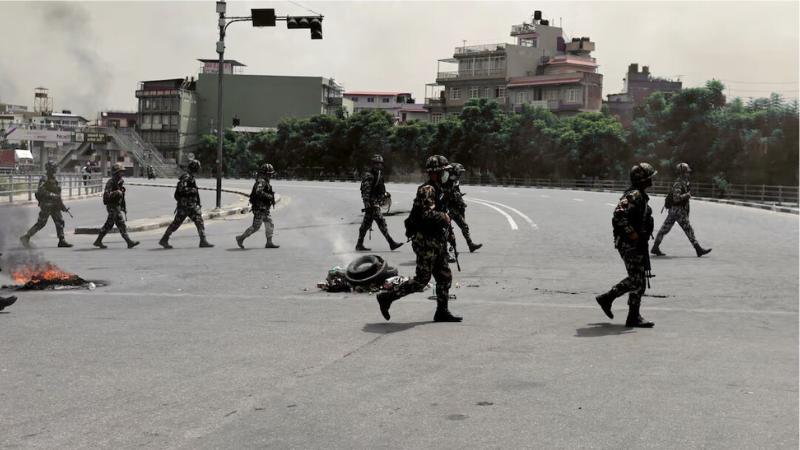
Oli’s resignation came amid escalating unrest as protesters defied curfews, stormed key government complexes, and set fire to the Singha Durbar office housing crucial ministries. Parliament and the Supreme Court were also torched, while Kathmandu airport was shut down due to fires raging near its vicinity. Witnesses described a “war-like situation” in the capital, with thick smoke covering the skyline and mobs attacking the private residences of both Oli and President Ram Chandra Poudel.
In his resignation letter, Oli stated he was stepping aside “in view of the adverse situation in the country” to pave the way for a constitutional political solution. However, reports suggest the decision came after Nepal Army Chief General Ashok Raj Sigdel advised him to quit, warning that the military could only stabilise the nation if he relinquished power. Sources even claimed Oli was preparing to flee to Dubai before finally agreeing to step down.
The Nepali Army has now assumed charge of security operations, issuing a statement pledging to safeguard national sovereignty, independence, and unity. The army urged the youth to play a constructive role in restoring peace and harmony. Security helicopters were deployed across Kathmandu, evacuating ministers and government officials before the airport closure.
The wave of protests, branded by organisers as a “Gen Z movement,” erupted after Oli’s controversial ban on platforms such as Facebook, X, and YouTube last week. Though the ban was rolled back after violence escalated, the demonstrations evolved into a full-fledged anti-corruption uprising. Protesters accused the political elite of enriching themselves while ordinary citizens struggled with unemployment, poor healthcare, and widening inequality.
The political crisis adds to Nepal’s long history of instability. Since abolishing its monarchy in 2008, the nation has cycled through 14 governments, with none completing a five-year term. Oli, 73, was serving his fourth tenure as Prime Minister before his dramatic resignation. The path forward remains unclear, with the Army temporarily at the helm as protesters continue demanding systemic reform.