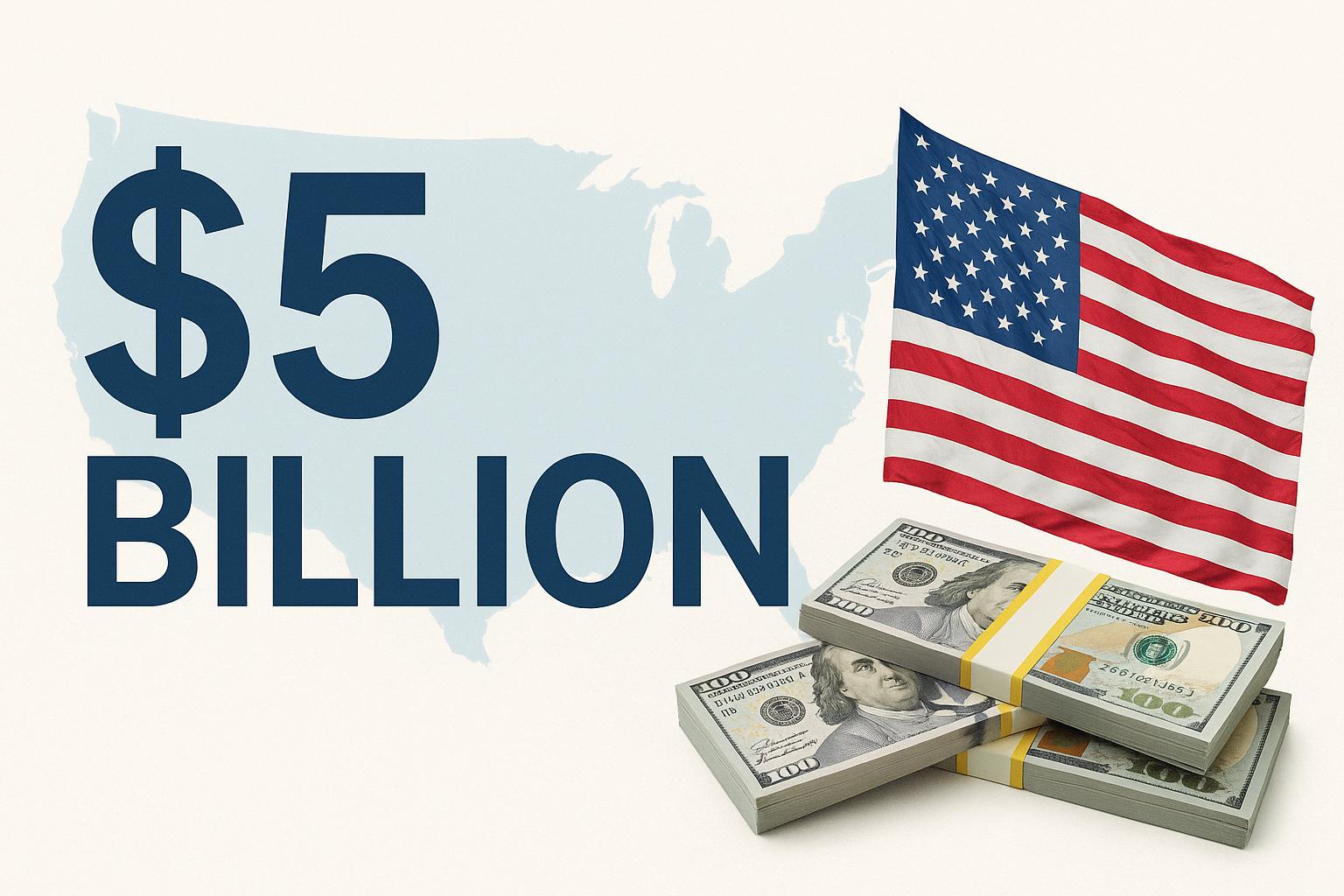
Restrictions on H-1B visas in the United States are expected to have a relatively small impact on the flow of remittances from overseas Indians back to India. According to a recent research study, the total losses are unlikely to exceed five billion dollars out of an eighty three billion dollar total inflow. This means that while there will be a direct effect on some families and professionals, the broader picture for India’s economy remains resilient.
The new changes to the H-1B programme were announced by US President Donald Trump and include two major shifts. The first is the introduction of a one time fee of one hundred thousand dollars for new visas, which increases the cost of applications significantly. The second is the replacement of the existing lottery based system with a wage based selection process. Under this model, applicants with higher salaries and stronger qualifications will have multiple chances of being selected, while those with lower wage offers will find it harder to qualify.
Although the rules are intended to prioritize highly skilled and higher paid workers, concerns remain that many applicants will lose opportunities, and families dependent on these jobs may suffer. However, the effect on remittances, which are a vital part of India’s foreign exchange earnings, is not expected to exceed five billion dollars. The analysis shows that the majority of India’s service export revenues are not entirely dependent on physical employment in the United States, but instead are supported by global capability centres that operate across multiple regions.
These global capability centres, also known as GCCs, have been expanding in India over the past decade. Many are run by US headquartered firms that prefer to maintain large operational teams in India to handle research, development, customer support and other services. This trend suggests that while restrictions on physical movement of professionals may change migration patterns, the outsourcing and services export model will remain strong.
The United States continues to be the single largest market for Indian IT and IT enabled services, accounting for over sixty percent of sector exports. However, industry growth has increasingly been driven by offshore service delivery rather than just H-1B visas. This structural shift means that even if fewer professionals are able to work directly in the US, the demand for services delivered from India is unlikely to decline. In fact, the growth of GCCs reflects a broader long term commitment of US firms to India as a hub for skilled labor and technology services.
At the same time, other countries are beginning to capitalize on restrictive US visa policies. Nations like Germany and Canada are actively attracting highly skilled Indian professionals by creating easier visa pathways and offering strong incentives. This redistribution of talent could mean that over the medium term, Indian workers find opportunities in multiple global markets rather than depending solely on the US. Such a trend may also help diversify remittance inflows while reducing the overreliance on a single country.
The wage based selection system itself may provide advantages for certain categories of Indian professionals, especially those with advanced skills and competitive pay packages. For them, the chances of selection increase, making the new rules less of a barrier and more of a filter for top talent. This dynamic could result in a smaller pool of Indian workers in the US but one that is higher paid and more specialized, potentially maintaining strong levels of remittances per individual.
Nevertheless, the introduction of a one hundred thousand dollar fee is likely to deter smaller firms and startups from applying for H-1B visas, as the cost burden becomes prohibitive. Larger multinational corporations may be able to absorb the expense, but smaller businesses may reduce sponsorship of foreign workers. This shift could limit opportunities for younger or less experienced professionals who rely on smaller employers for visa sponsorship.
In conclusion, the restrictions on H-1B visas represent a significant policy change that will affect individuals, families and certain companies. However, the overall economic impact on India, particularly in terms of remittance flows and services exports, is expected to be limited. With less than a five billion dollar effect projected, India’s eighty three billion dollar remittance economy remains strong. The growing role of global capability centres and the diversification of opportunities into countries like Canada and Germany indicate that Indian professionals will continue to shape the global workforce. While the changes may cause short term adjustments, the long term trajectory of India’s IT and service exports is unlikely to be disrupted in a major way.