#trumppolicy
US Imposes Sanctions on Cuban President Díaz‑Canel
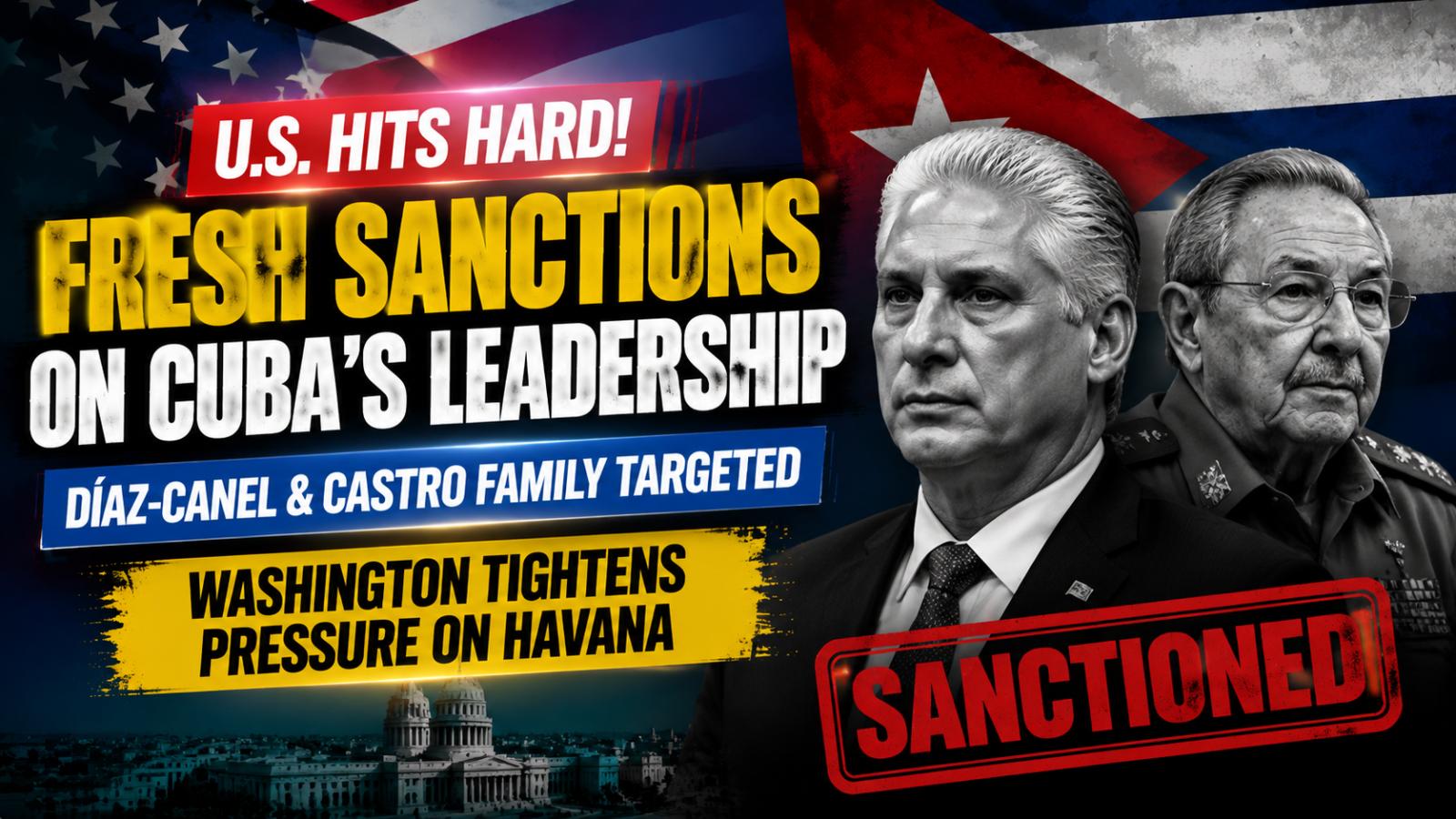
US Imposes Sanctions on Cuban President The United States on Thursday (June 4) imposed fresh sanctions on Cuban President Miguel Díaz‑Canel and several close associates, including members of the Castro family. The actions, announced by the U.S. Treasury Department, are part of a broader effort by Washington to intensify pressure on Cuba’s communist leadership and state institutions, targeting both indi
US Imposes Sanctions on Cuban President Díaz‑Canel
US Imposes Sanctions on Cuban President The United States on Thursday (June 4) imposed fresh sanctions on Cuban President Miguel Díaz‑Canel and several close associates, including members of the Castro family. The actions, announced by the U.S. Treasury Department, are part of a broader effort by Washington to intensify pressure on Cuba’s communist leadership and state institutions, targeting both indi
US warns Iran as Strait of Hormuz blockade tightens pressure
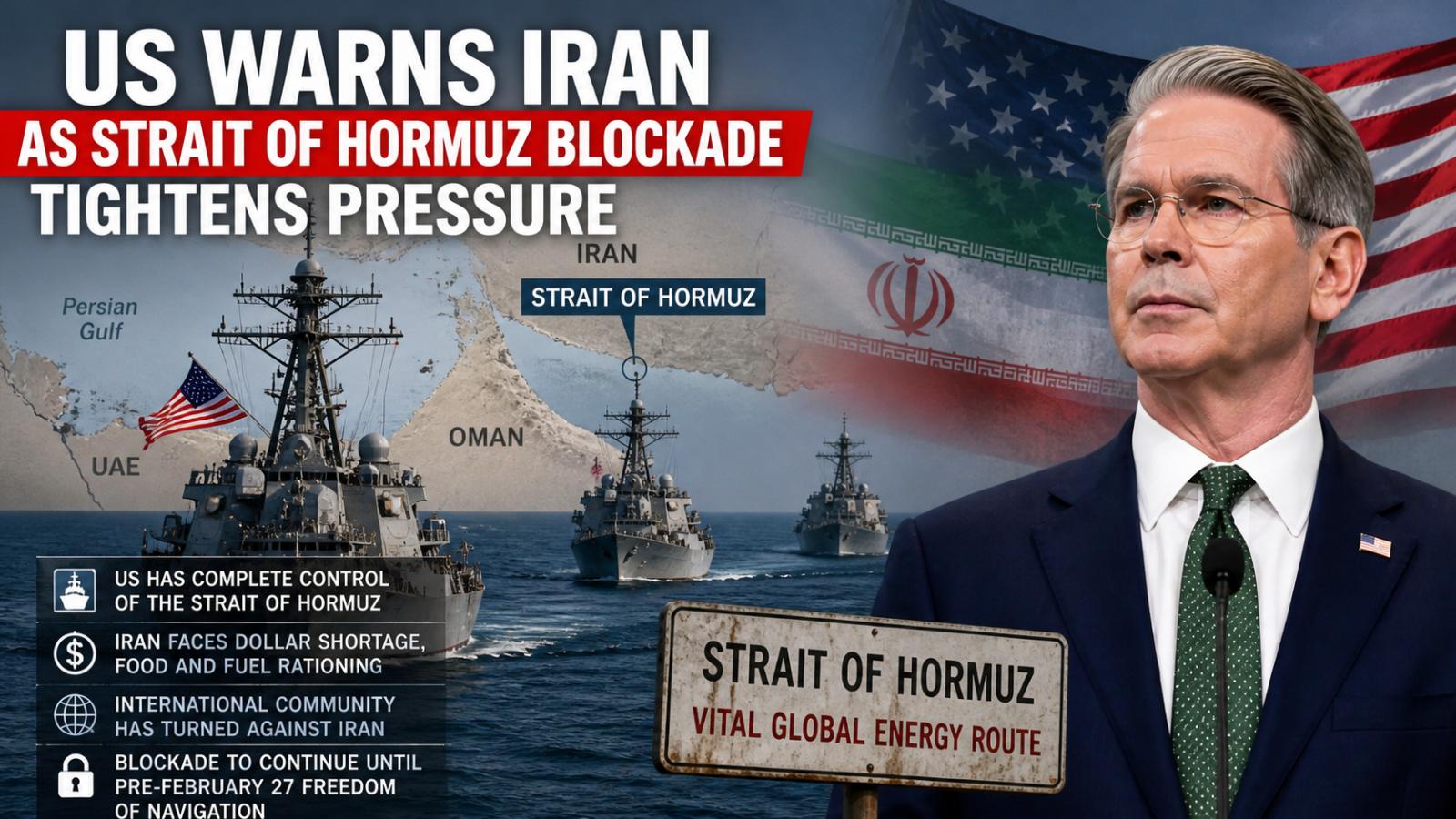
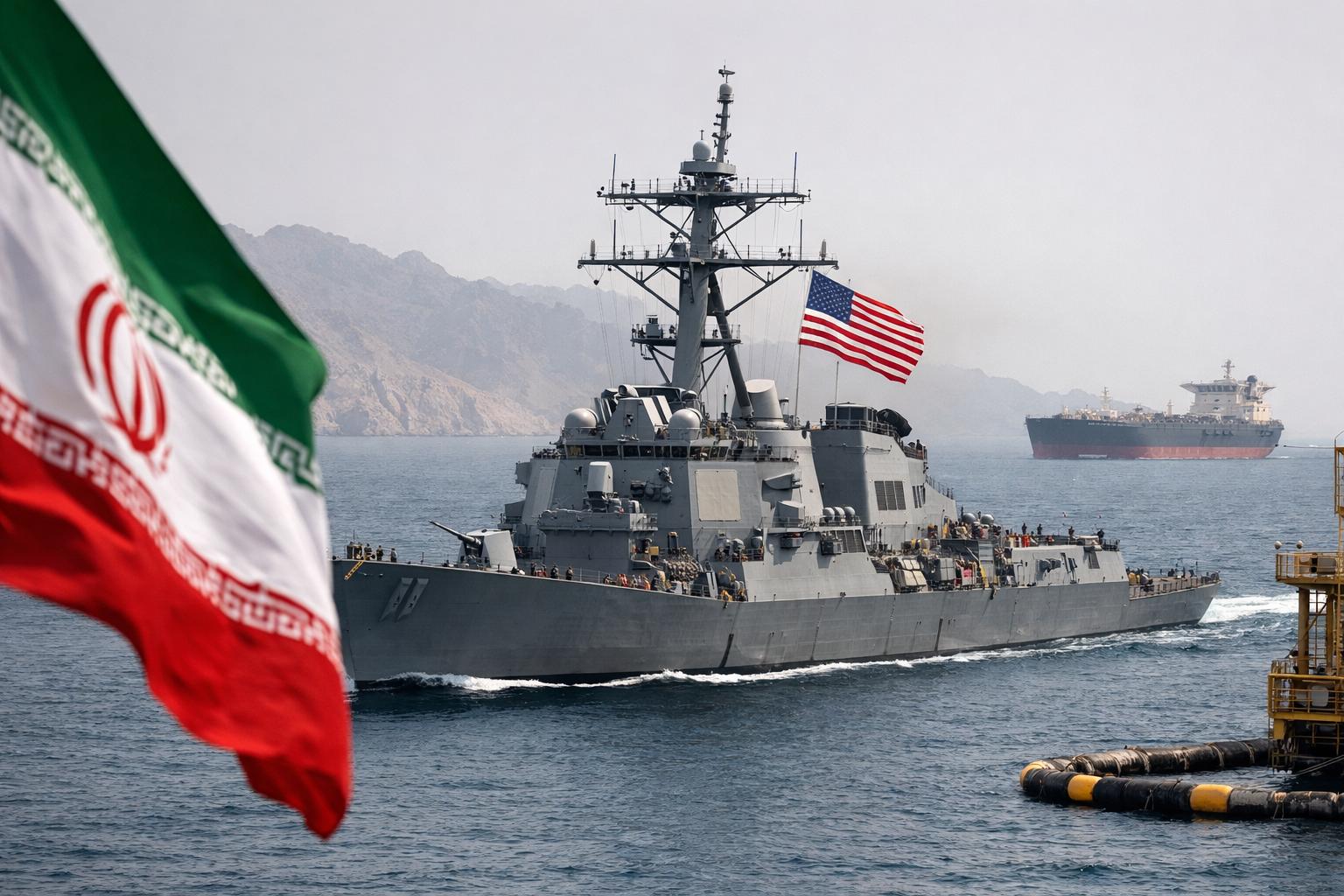
The US tightened pressure on Iran with a Strait of Hormuz blockade, disrupting oil trade and worsening Iran’s economic crisis, while internal political divisions grow and tensions with Washington escalate. US warns Iran as Strait of Hormuz blockade tightens pressure as tensions escalated following a sharply worded statement by U.S. Treasury Secretary Scott Bessent on Friday, in which he criticized Iran’s leadership and outlined the United States’ strategic position in the ongoing standoff. In a public post, Bessent asserted that the United States maintains full control over the Strait of Hormuz, a critical global energy transit route, and emphasized that a naval blockade would remain in effect until freedom of navigation conditions are restored to levels seen before February 27. The remarks come amid heightened geopolitical tensions involving Iran and the United States, with Bessent also pointing to economic strain within Iran, including a shortage of U.S. dollars and the implementation of food and gasoline rationing. He further stated that international sentiment has increasingly turned against Tehran, underscoring Washington’s broader diplomatic stance. The blockade represents a significant shift in pressure tactics. For years, Iran had managed to navigate sanctions by exporting oil through informal channels, particularly to China, using a network of so-called shadow vessels. However, U.S. naval operations have disrupted these routes, preventing tankers from bypassing enforcement measures and, in some cases, pursuing them beyond the Persian Gulf into the Indian Ocean. The situation escalated after Iran targeted commercial vessels and restricted maritime traffic through the Hormuz corridor, a move that disrupted global oil and liquefied natural gas shipments. In response, the United States deployed naval forces to secure the passage, effectively limiting Iran’s ability to continue its covert export operations. Internally, the crisis has exposed divisions within Iran’s leadership. President Masoud Pezeshkian is reportedly aligned with moderate factions seeking negotiations, while hardline figures such as Saeed Jalili advocate a more confrontational approach. The divergence reflects broader concerns about the sustainability of the conflict, particularly as economic conditions deteriorate. President Donald Trump has indicated support for maintaining the blockade, describing it as highly effective and signaling preparedness for a prolonged standoff. According to statements made to reporters, the administration is considering extending the measure until Iran meets specific nuclear-related demands. The economic impact on Iran has been severe. Reports indicate that unemployment has surged, food prices have risen sharply, and widespread internet disruptions have affected digital commerce. The national currency has weakened significantly over the past year, with the exchange rate reaching approximately 1.81 million rials per U.S. dollar, intensifying concerns about potential economic collapse.
US warns Iran as Strait of Hormuz blockade tightens pressure
The US tightened pressure on Iran with a Strait of Hormuz blockade, disrupting oil trade and worsening Iran’s economic crisis, while internal political divisions grow and tensions with Washington escalate. US warns Iran as Strait of Hormuz blockade tightens pressure as tensions escalated following a sharply worded statement by U.S. Treasury Secretary Scott Bessent on Friday, in which he criticized Iran’s leadership and outlined the United States’ strategic position in the ongoing standoff. In a public post, Bessent asserted that the United States maintains full control over the Strait of Hormuz, a critical global energy transit route, and emphasized that a naval blockade would remain in effect until freedom of navigation conditions are restored to levels seen before February 27. The remarks come amid heightened geopolitical tensions involving Iran and the United States, with Bessent also pointing to economic strain within Iran, including a shortage of U.S. dollars and the implementation of food and gasoline rationing. He further stated that international sentiment has increasingly turned against Tehran, underscoring Washington’s broader diplomatic stance. The blockade represents a significant shift in pressure tactics. For years, Iran had managed to navigate sanctions by exporting oil through informal channels, particularly to China, using a network of so-called shadow vessels. However, U.S. naval operations have disrupted these routes, preventing tankers from bypassing enforcement measures and, in some cases, pursuing them beyond the Persian Gulf into the Indian Ocean. The situation escalated after Iran targeted commercial vessels and restricted maritime traffic through the Hormuz corridor, a move that disrupted global oil and liquefied natural gas shipments. In response, the United States deployed naval forces to secure the passage, effectively limiting Iran’s ability to continue its covert export operations. Internally, the crisis has exposed divisions within Iran’s leadership. President Masoud Pezeshkian is reportedly aligned with moderate factions seeking negotiations, while hardline figures such as Saeed Jalili advocate a more confrontational approach. The divergence reflects broader concerns about the sustainability of the conflict, particularly as economic conditions deteriorate. President Donald Trump has indicated support for maintaining the blockade, describing it as highly effective and signaling preparedness for a prolonged standoff. According to statements made to reporters, the administration is considering extending the measure until Iran meets specific nuclear-related demands. The economic impact on Iran has been severe. Reports indicate that unemployment has surged, food prices have risen sharply, and widespread internet disruptions have affected digital commerce. The national currency has weakened significantly over the past year, with the exchange rate reaching approximately 1.81 million rials per U.S. dollar, intensifying concerns about potential economic collapse.
Trump shifts stance on Iran conflict, calls it a military operation
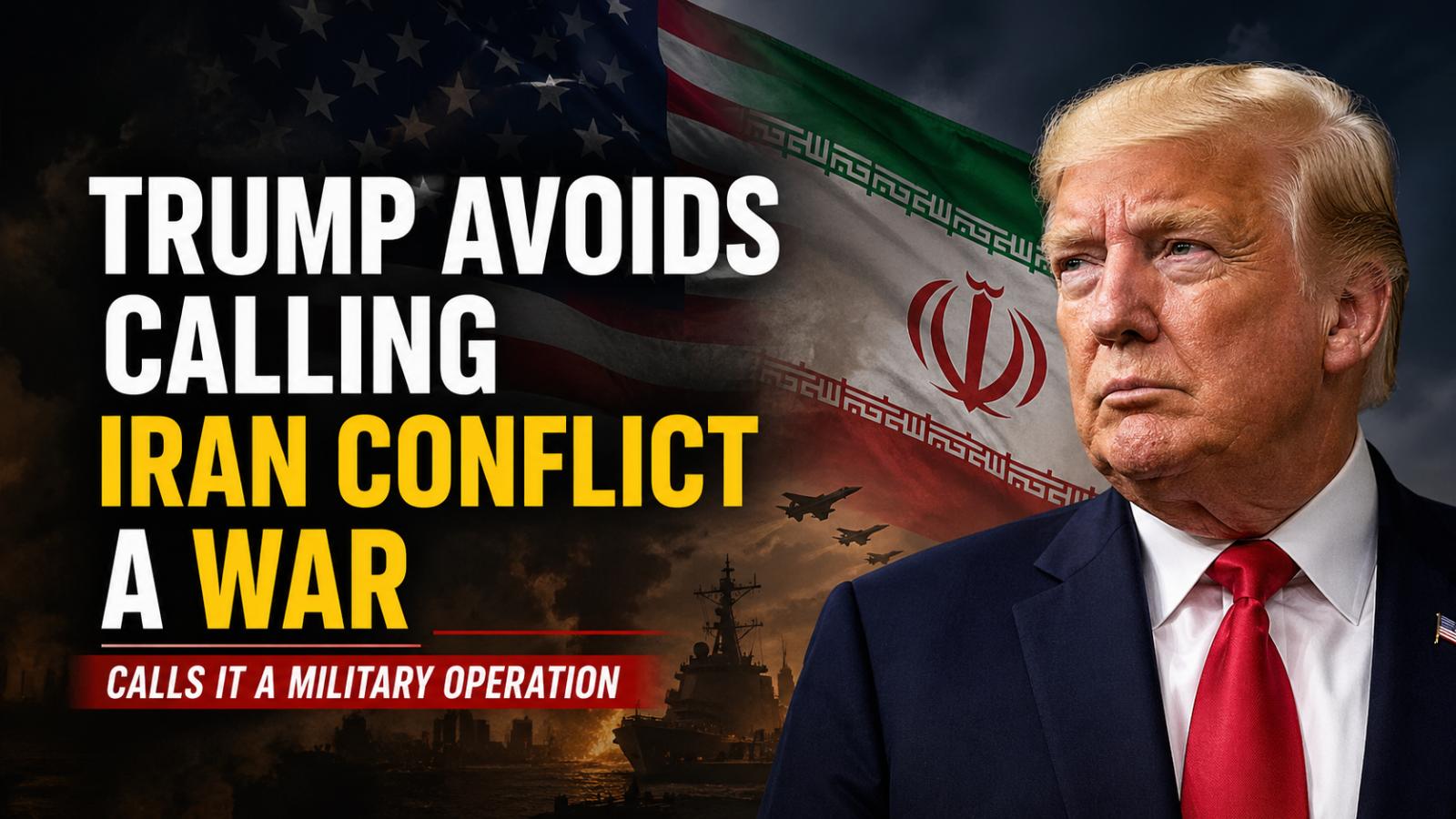
Trump redefines Iran conflict as military operation As the War Powers Resolution deadline approached on May 1, US President Donald Trump made a sharp shift in stance by stating that the ongoing Trump Iran conflict would not be labeled as a war but instead as a military operation. This move comes just days before a legal deadline that could have required congressional approval or forced the US to halt militar
Trump shifts stance on Iran conflict, calls it a military operation
Trump redefines Iran conflict as military operation As the War Powers Resolution deadline approached on May 1, US President Donald Trump made a sharp shift in stance by stating that the ongoing Trump Iran conflict would not be labeled as a war but instead as a military operation. This move comes just days before a legal deadline that could have required congressional approval or forced the US to halt militar
UAE travel ban to Iran, Lebanon, Iraq amid rising Middle East tensions
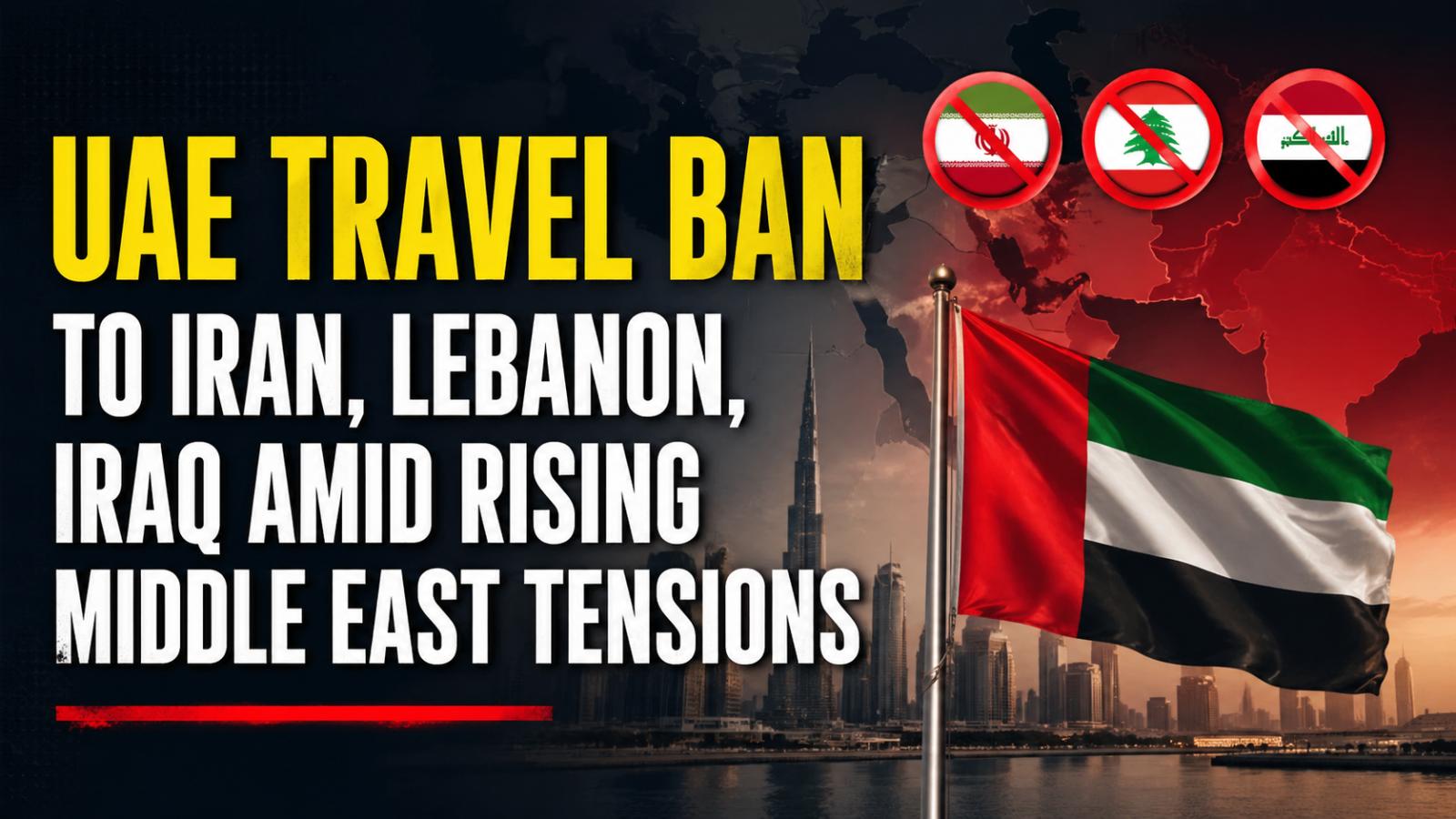
UAE issues immediate travel ban amid rising tensions The United Arab Emirates has imposed an immediate travel ban to Iran, Lebanon, and Iraq starting April 30, ordering its citizens to avoid travel and urging those currently in these countries to return without delay as regional tensions intensify. The move comes as security risks grow across West Asia, with increasing military activity and stalled diplomatic efforts. The UAE Ministry of Foreign Affairs confirmed that the travel ban came into effect immediately from Thursday (April 30). Travel to Iran, Lebanon, and Iraq is now restricted, and citizens already present there have been strongly advised to leave at the earliest opportunity, highlighting the government’s focus on citizen safety. What triggered the UAE travel ban? The decision follows rising instability, security threats, and reports of missile and drone risks in the region. Earlier advisories had warned of possible attacks, and although some alerts were later eased, authorities stress that the situation remains volatile and unpredictable. What role is the United States playing? The United States continues to maintain a strategic presence. Reports indicate that Donald Trump is reviewing military strategies presented by United States Central Command. These include short, targeted strikes aimed at pressuring Iran into negotiations, particularly around the Strait of Hormuz, a critical global oil route. CENTCOM also confirmed that US Air Force fighter jets are conducting routine patrols to support regional stability, signaling heightened readiness amid ongoing tensions. Are advanced defense systems deployed in the UAE? Yes. Reports suggest that Israel has provided support through advanced systems similar to the Iron Dome. These defense systems are designed to intercept missiles and drones, adding a layer of protection. Surveillance technologies capable of detecting threats at long range have also reportedly been deployed, indicating a coordinated regional defense strategy. What is happening with Iran-US talks? Diplomatic talks between Iran and the United States have stalled again. Iran proposed a three-stage plan involving ending hostilities, lifting maritime restrictions, and negotiating its nuclear program, but the proposal has not been accepted. Disagreements, especially regarding Hezbollah, have further complicated the process. Despite earlier ceasefire discussions, tensions have resurfaced, affecting key areas like the Strait of Hormuz and increasing global concern. The breakdown in negotiations has added to uncertainty across the region. What does this mean for UAE citizens? The UAE government has emphasized that citizen safety is the top priority, and the immediate travel ban is a precautionary step. By urging citizens to return quickly, authorities aim to minimize exposure to potential conflict zones. Residents are advised to stay updated and follow official guidance closely as the situation continues to evolve.


UAE travel ban to Iran, Lebanon, Iraq amid rising Middle East tensions
UAE issues immediate travel ban amid rising tensions The United Arab Emirates has imposed an immediate travel ban to Iran, Lebanon, and Iraq starting April 30, ordering its citizens to avoid travel and urging those currently in these countries to return without delay as regional tensions intensify. The move comes as security risks grow across West Asia, with increasing military activity and stalled diplomatic efforts. The UAE Ministry of Foreign Affairs confirmed that the travel ban came into effect immediately from Thursday (April 30). Travel to Iran, Lebanon, and Iraq is now restricted, and citizens already present there have been strongly advised to leave at the earliest opportunity, highlighting the government’s focus on citizen safety. What triggered the UAE travel ban? The decision follows rising instability, security threats, and reports of missile and drone risks in the region. Earlier advisories had warned of possible attacks, and although some alerts were later eased, authorities stress that the situation remains volatile and unpredictable. What role is the United States playing? The United States continues to maintain a strategic presence. Reports indicate that Donald Trump is reviewing military strategies presented by United States Central Command. These include short, targeted strikes aimed at pressuring Iran into negotiations, particularly around the Strait of Hormuz, a critical global oil route. CENTCOM also confirmed that US Air Force fighter jets are conducting routine patrols to support regional stability, signaling heightened readiness amid ongoing tensions. Are advanced defense systems deployed in the UAE? Yes. Reports suggest that Israel has provided support through advanced systems similar to the Iron Dome. These defense systems are designed to intercept missiles and drones, adding a layer of protection. Surveillance technologies capable of detecting threats at long range have also reportedly been deployed, indicating a coordinated regional defense strategy. What is happening with Iran-US talks? Diplomatic talks between Iran and the United States have stalled again. Iran proposed a three-stage plan involving ending hostilities, lifting maritime restrictions, and negotiating its nuclear program, but the proposal has not been accepted. Disagreements, especially regarding Hezbollah, have further complicated the process. Despite earlier ceasefire discussions, tensions have resurfaced, affecting key areas like the Strait of Hormuz and increasing global concern. The breakdown in negotiations has added to uncertainty across the region. What does this mean for UAE citizens? The UAE government has emphasized that citizen safety is the top priority, and the immediate travel ban is a precautionary step. By urging citizens to return quickly, authorities aim to minimize exposure to potential conflict zones. Residents are advised to stay updated and follow official guidance closely as the situation continues to evolve.
Trump Renames Strait of Hormuz Amid Rising US-Iran Tensions
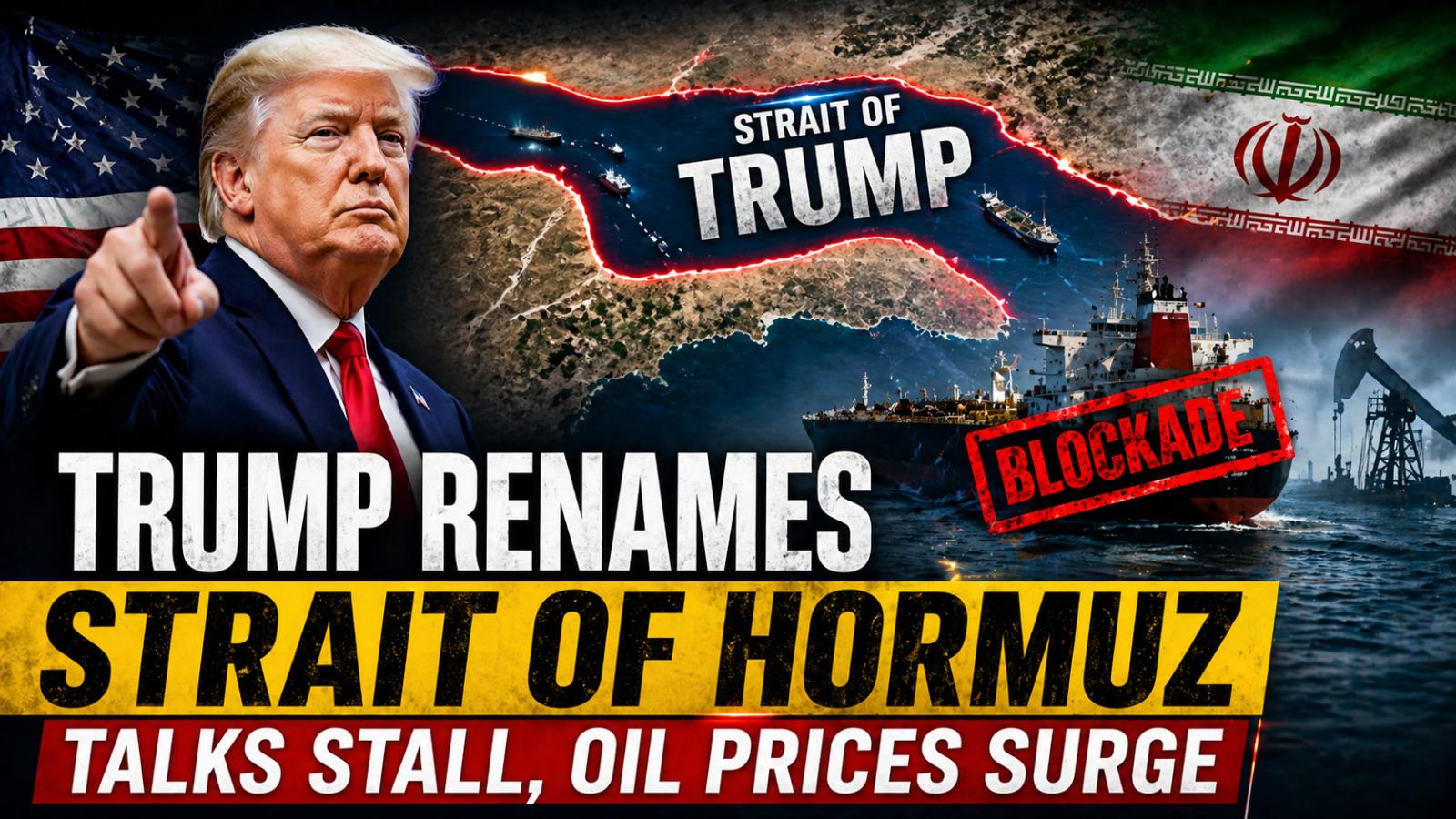
US President Donald Trump has drawn attention after sharing a modified map referring to the Strait of Hormuz as the “Strait of Trump,” a move that comes amid escalating tensions and stalled negotiations with Iran. The strategic waterway remains a focal point in the ongoing standoff, with both sides maintaining a blockade despite a previously agreed ceasefire. Trump indicated that discussions to end the conflict are continuing remotely, describing them as telephonic due to logistical challenges. At the same time, Iran has attempted to revive dialogue by sending a proposal through Pakistan, facilitated by Foreign Minister Abbas Araghchi. However, indications suggest that the US administration is dissatisfied with the terms and is unlikely to accept the framework presented. The proposal reportedly outlined a three-stage approach, beginning with a complete cessation of hostilities, followed by lifting the naval blockade and restoring maritime traffic through the Strait of Hormuz. The final stage involved renewed negotiations over Iran’s nuclear program. Despite these efforts, talks remain at an impasse, with both sides maintaining firm positions. Trump defended the blockade, describing it as effective and emphasizing its economic impact on Iran. He stated that the pressure strategy would continue until Iran concedes. Meanwhile, energy markets reacted sharply, with Brent crude prices rising significantly, reflecting concerns over supply disruptions linked to the strategic route. The Strait of Hormuz remains critical to global oil flows, and its continued closure by both US and Iranian forces underscores the fragile state of the ceasefire. Diplomatic efforts have yet to regain momentum, leaving the situation uncertain as geopolitical and economic pressures continue to build.
Trump Renames Strait of Hormuz Amid Rising US-Iran Tensions
US President Donald Trump has drawn attention after sharing a modified map referring to the Strait of Hormuz as the “Strait of Trump,” a move that comes amid escalating tensions and stalled negotiations with Iran. The strategic waterway remains a focal point in the ongoing standoff, with both sides maintaining a blockade despite a previously agreed ceasefire. Trump indicated that discussions to end the conflict are continuing remotely, describing them as telephonic due to logistical challenges. At the same time, Iran has attempted to revive dialogue by sending a proposal through Pakistan, facilitated by Foreign Minister Abbas Araghchi. However, indications suggest that the US administration is dissatisfied with the terms and is unlikely to accept the framework presented. The proposal reportedly outlined a three-stage approach, beginning with a complete cessation of hostilities, followed by lifting the naval blockade and restoring maritime traffic through the Strait of Hormuz. The final stage involved renewed negotiations over Iran’s nuclear program. Despite these efforts, talks remain at an impasse, with both sides maintaining firm positions. Trump defended the blockade, describing it as effective and emphasizing its economic impact on Iran. He stated that the pressure strategy would continue until Iran concedes. Meanwhile, energy markets reacted sharply, with Brent crude prices rising significantly, reflecting concerns over supply disruptions linked to the strategic route. The Strait of Hormuz remains critical to global oil flows, and its continued closure by both US and Iranian forces underscores the fragile state of the ceasefire. Diplomatic efforts have yet to regain momentum, leaving the situation uncertain as geopolitical and economic pressures continue to build.
CENTCOM Highlights Military Preparedness Amid Iran Talks
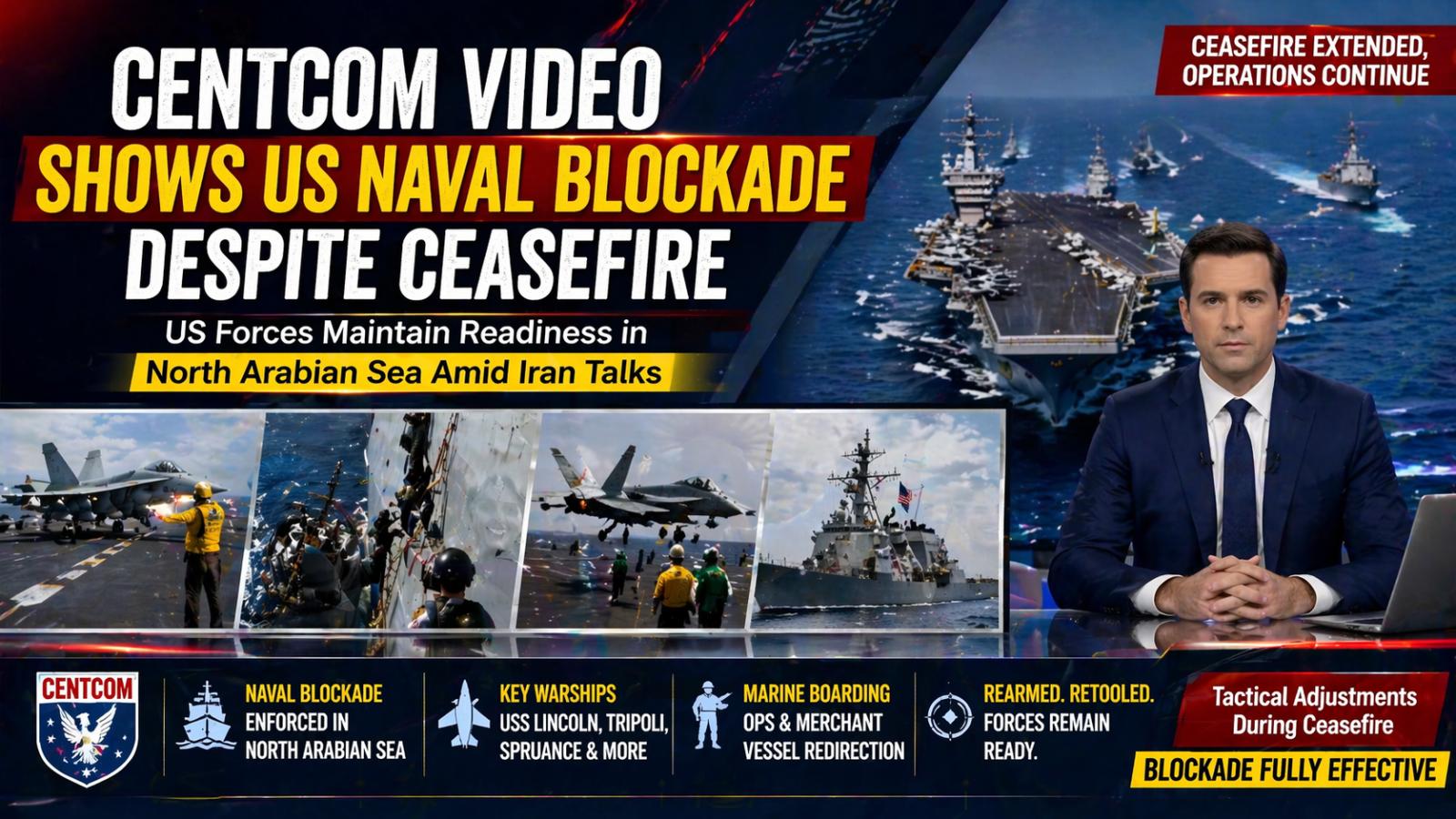
A newly released video by United States Central Command (CENTCOM) has drawn attention to ongoing military operations in the North Arabian Sea, even as a ceasefire extension remains in place. The footage, shared shortly after an announcement by US President Donald Trump, emphasizes that American forces continue to maintain operational readiness and strategic positioning in the region.
CENTCOM Highlights Military Preparedness Amid Iran Talks
A newly released video by United States Central Command (CENTCOM) has drawn attention to ongoing military operations in the North Arabian Sea, even as a ceasefire extension remains in place. The footage, shared shortly after an announcement by US President Donald Trump, emphasizes that American forces continue to maintain operational readiness and strategic positioning in the region.
US announces Strait of Hormuz blockade amid escalating Iran tensions
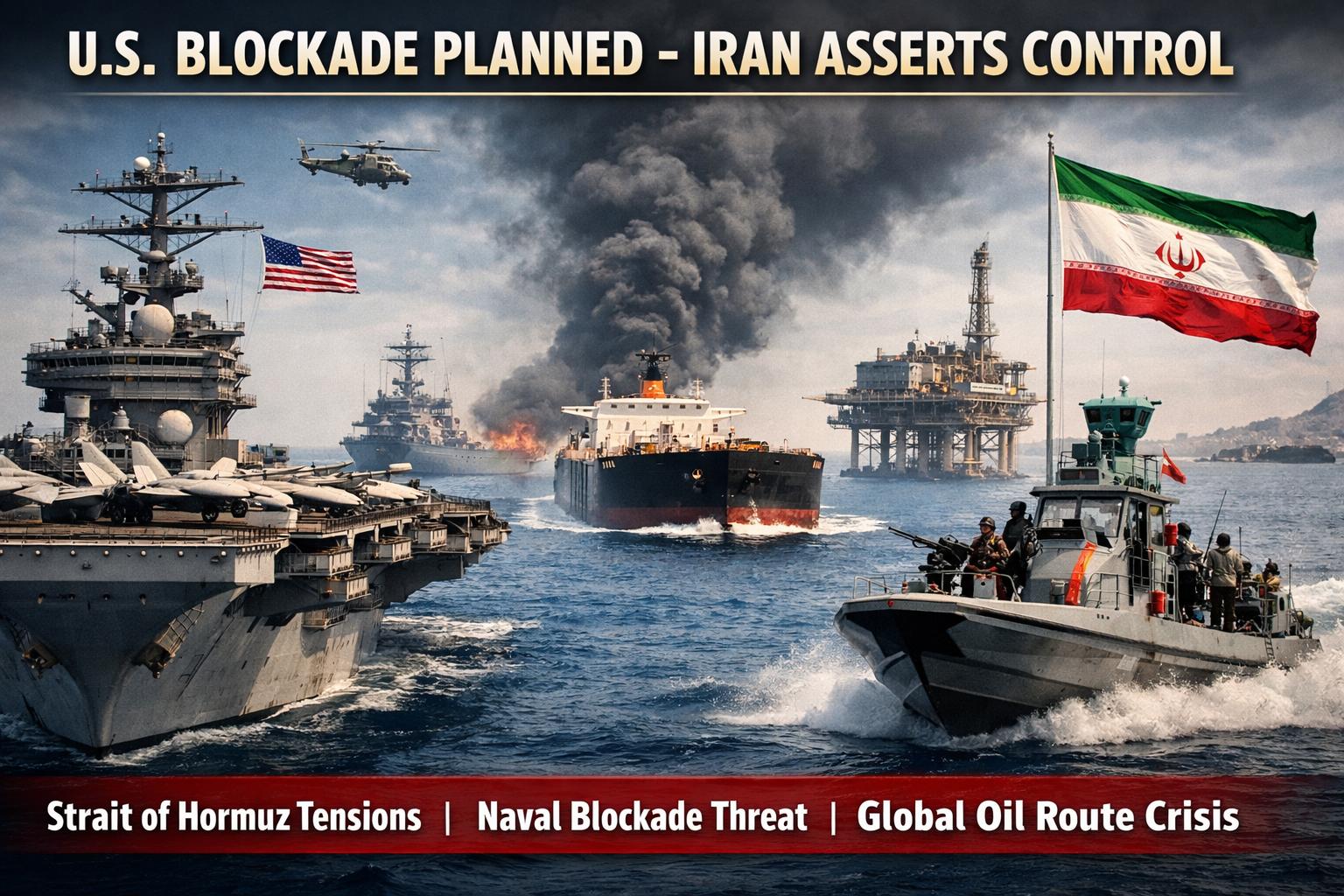
The United States has announced the start of a naval blockade targeting Iranian maritime activity, marking a significant escalation in tensions in the Middle East. Speaking to reporters outside the Oval Office on Monday, April 13, 2026, President Donald Trump said the blockade of the Strait of Hormuz had begun, adding that other countries would assist in the operation, though he did not identify them. The Strait of Hormuz, one of the world’s most critical oil transit routes, has b
US announces Strait of Hormuz blockade amid escalating Iran tensions
The United States has announced the start of a naval blockade targeting Iranian maritime activity, marking a significant escalation in tensions in the Middle East. Speaking to reporters outside the Oval Office on Monday, April 13, 2026, President Donald Trump said the blockade of the Strait of Hormuz had begun, adding that other countries would assist in the operation, though he did not identify them. The Strait of Hormuz, one of the world’s most critical oil transit routes, has b
US announces Iran port blockade as Tehran asserts control over maritime borders
Washington, April 13 — Tensions between the United States and Iran intensified Monday as Washington moved forward with plans to impose a naval blockade targeting Iranian ports, prompting a swift response from Tehran asserting firm control over its maritime borders. Iran’s deputy interior minister said the country faces no significant security threats along its frontiers, emphasizing what he described as comprehensive oversight of both land and sea boundaries. He stated that Irania
US announces Iran port blockade as Tehran asserts control over maritime borders
Washington, April 13 — Tensions between the United States and Iran intensified Monday as Washington moved forward with plans to impose a naval blockade targeting Iranian ports, prompting a swift response from Tehran asserting firm control over its maritime borders. Iran’s deputy interior minister said the country faces no significant security threats along its frontiers, emphasizing what he described as comprehensive oversight of both land and sea boundaries. He stated that Irania
What birthright citizenship means and why Trump wants to end it
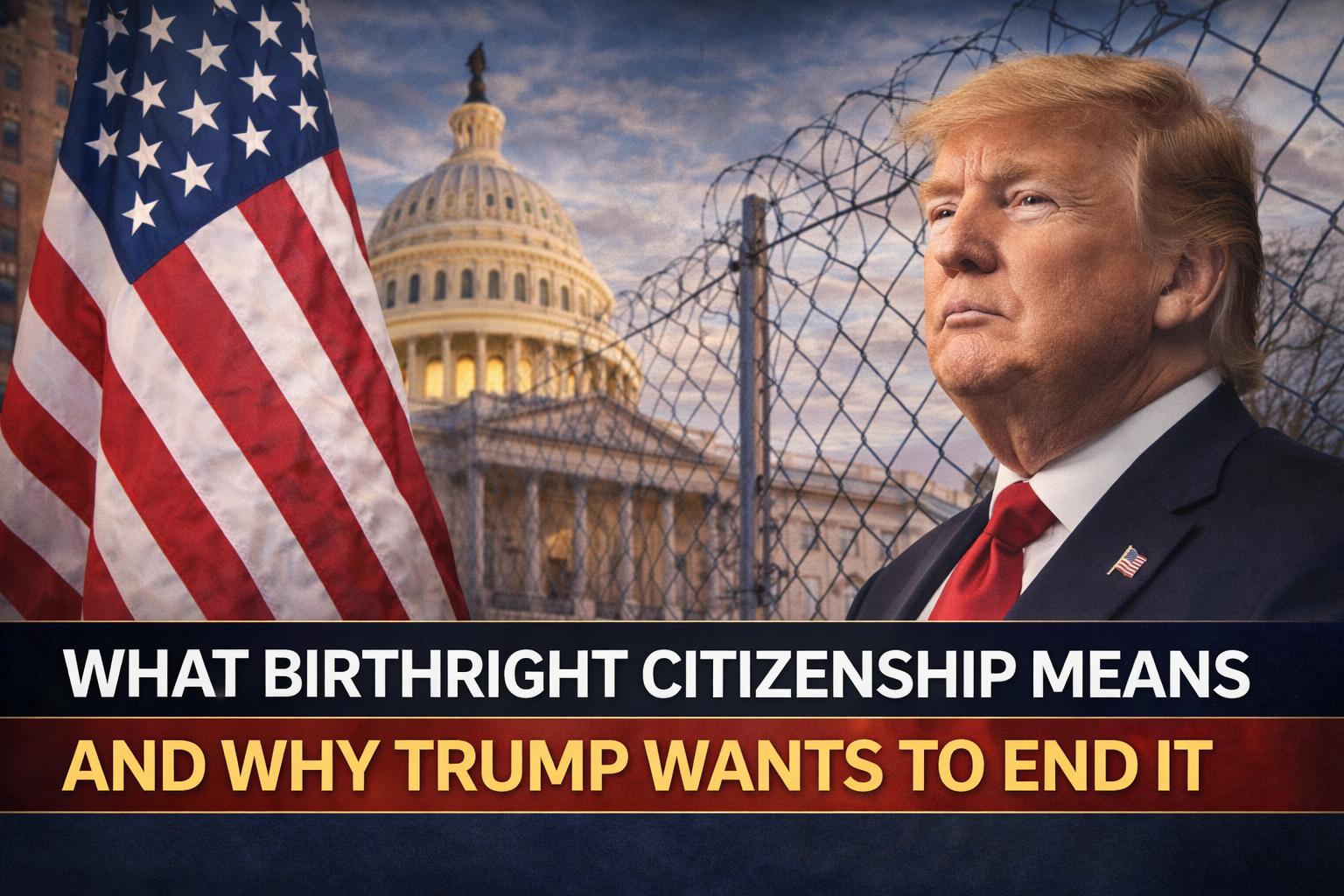
The US Supreme Court is reviewing a major legal challenge to President Donald Trump’s January 2025 executive order seeking to end birthright citizenship. During a hearing on Wednesday, April 1, 2026, justices examined whether the policy aligns with the US Constitution and federal law. Birthright citizenship is based on the 14th Amendment, which states that anyone born in the United States is automatically a citizen, regardless of their parents’ immigration status. This principle
What birthright citizenship means and why Trump wants to end it
The US Supreme Court is reviewing a major legal challenge to President Donald Trump’s January 2025 executive order seeking to end birthright citizenship. During a hearing on Wednesday, April 1, 2026, justices examined whether the policy aligns with the US Constitution and federal law. Birthright citizenship is based on the 14th Amendment, which states that anyone born in the United States is automatically a citizen, regardless of their parents’ immigration status. This principle
Hezbollah and Houthis warn US as Iran vows full response to any military strike
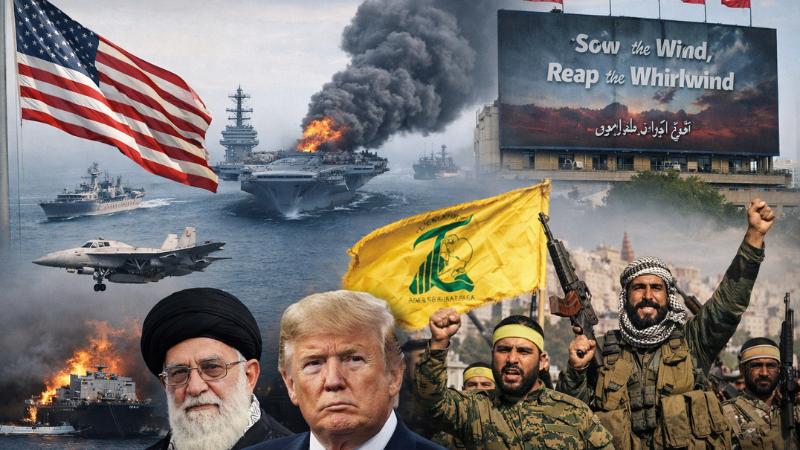
Tensions across West Asia intensified after allied militant groups aligned with Iran issued sharp warnings to the United States following the deployment of American warships to the region. Lebanon-based Hezbollah, Yemen’s Houthi movement, and Iraqi militias signaled that any military action against Iran would trigger a wider regional confrontation, underscoring the growing volatility as Washington weighs its next steps amid unrest inside Iran. Hezbollah leader Naim Qassem cautione
Hezbollah and Houthis warn US as Iran vows full response to any military strike
Tensions across West Asia intensified after allied militant groups aligned with Iran issued sharp warnings to the United States following the deployment of American warships to the region. Lebanon-based Hezbollah, Yemen’s Houthi movement, and Iraqi militias signaled that any military action against Iran would trigger a wider regional confrontation, underscoring the growing volatility as Washington weighs its next steps amid unrest inside Iran. Hezbollah leader Naim Qassem cautione
Asha Jadeja Motwani claims role in Trump’s H-1B shift as debate intensifies
Indian-origin venture capitalist Asha Jadeja Motwani has asserted that she played a role in shaping former President Donald Trump’s recent shift in tone on the H-1B visa program, a move that has triggered debate among his political supporters. The program, which enables United States companies to hire skilled foreign workers, has long been a focal point in policy discussions involving the technology sector. Motwani said she spoke directly with both Trump and Vice President JD Vance about th
Asha Jadeja Motwani claims role in Trump’s H-1B shift as debate intensifies
Indian-origin venture capitalist Asha Jadeja Motwani has asserted that she played a role in shaping former President Donald Trump’s recent shift in tone on the H-1B visa program, a move that has triggered debate among his political supporters. The program, which enables United States companies to hire skilled foreign workers, has long been a focal point in policy discussions involving the technology sector. Motwani said she spoke directly with both Trump and Vice President JD Vance about th
US campuses erupt in protest over Trump’s higher education compact
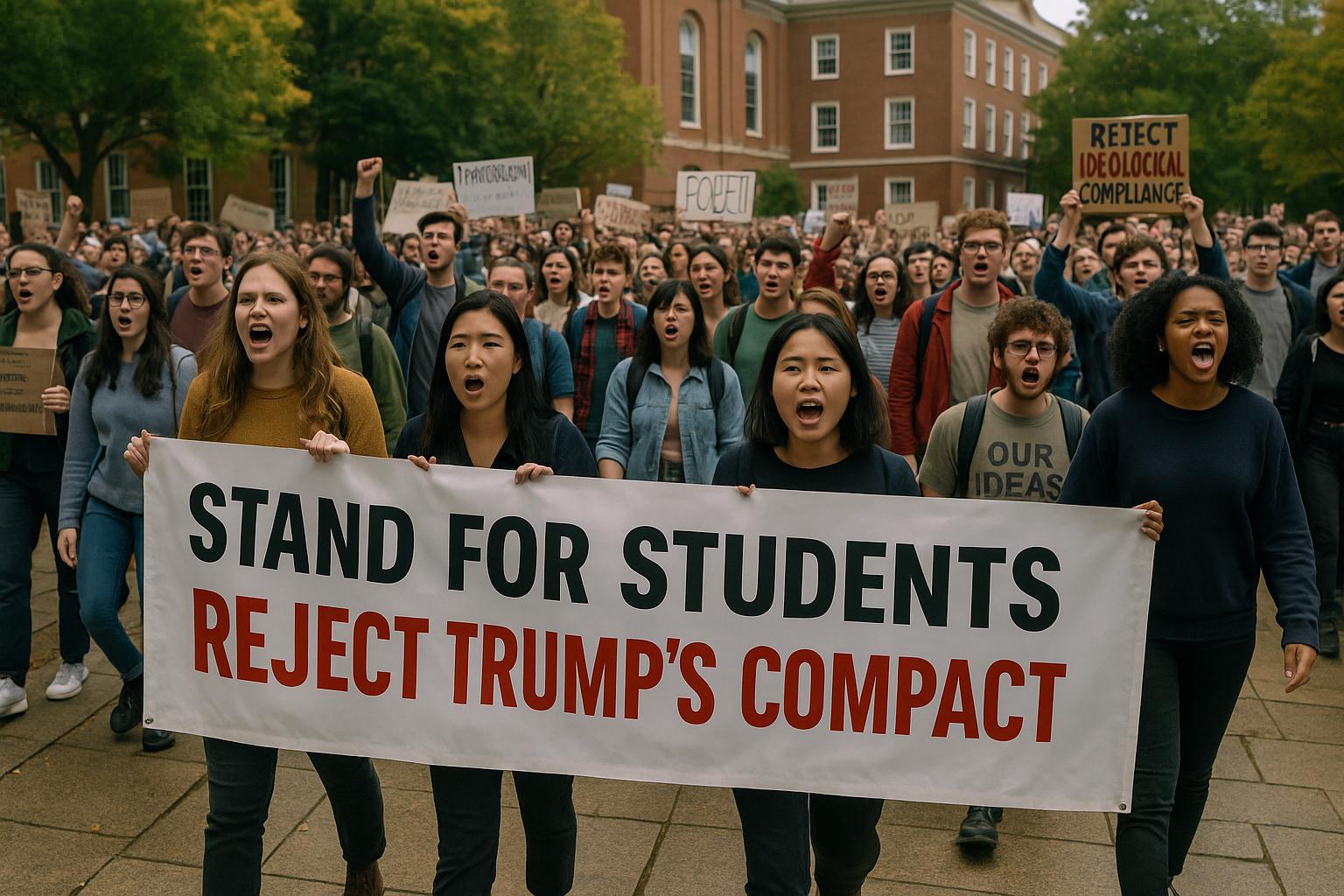
More than a hundred college campuses across the United States became centers of political activism on Friday as students, faculty, and staff joined forces to oppose what they called an unprecedented intrusion of political ideology into higher education. The coordinated demonstrations, held under the nationwide campaign “Students Rise Up,” were a direct response to the Trump administration’s proposed Compact for Academic Excellence in Higher Education, a new federal initiative that criti
US campuses erupt in protest over Trump’s higher education compact
More than a hundred college campuses across the United States became centers of political activism on Friday as students, faculty, and staff joined forces to oppose what they called an unprecedented intrusion of political ideology into higher education. The coordinated demonstrations, held under the nationwide campaign “Students Rise Up,” were a direct response to the Trump administration’s proposed Compact for Academic Excellence in Higher Education, a new federal initiative that criti
H-1B visa changes may cut remittances by $5 billion but exports stay strong
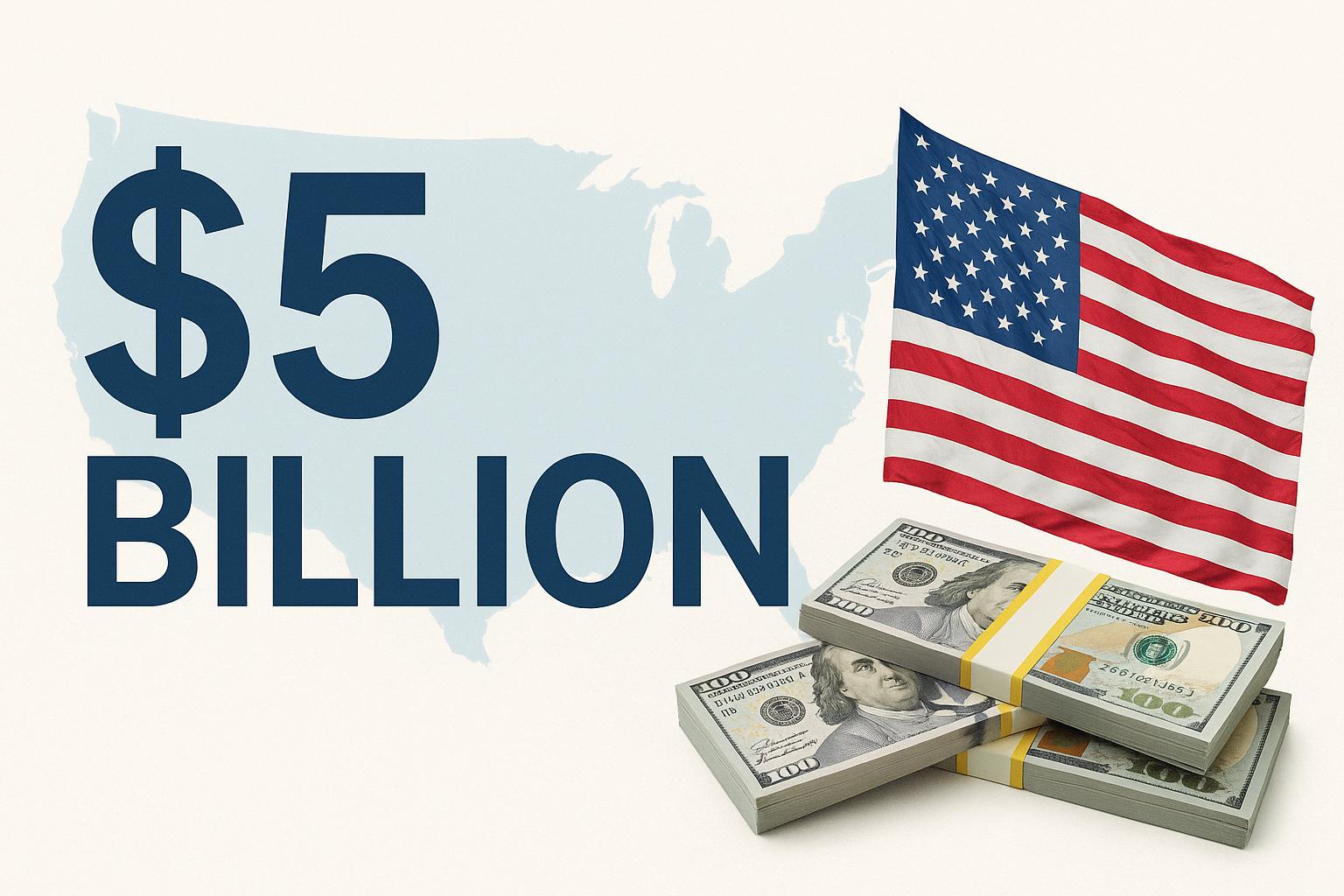
Restrictions on H-1B visas in the United States are expected to have a relatively small impact on the flow of remittances from overseas Indians back to India. According to a recent research study, the total losses are unlikely to exceed five billion dollars out of an eighty three billion dollar total inflow. This means that while there will be a direct effect on some families and professionals, the broader picture for India’s economy remains resilient.
H-1B visa changes may cut remittances by $5 billion but exports stay strong
Restrictions on H-1B visas in the United States are expected to have a relatively small impact on the flow of remittances from overseas Indians back to India. According to a recent research study, the total losses are unlikely to exceed five billion dollars out of an eighty three billion dollar total inflow. This means that while there will be a direct effect on some families and professionals, the broader picture for India’s economy remains resilient.
New US Visa Policy to Impact Indian Applicants as Wait Times Grow Longer
The United States has announced a new policy that could make it harder for foreign nationals, especially Indians, to secure quick non immigrant visas. Under the revised process, applicants for visas such as B1 for business and B2 for tourism will now be required to schedule their interview appointments only in their country of citizenship or legal residence. This effectively closes the option of seeking quicker interview slots abroad, a practice that many travelers from India had been relying
New US Visa Policy to Impact Indian Applicants as Wait Times Grow Longer
The United States has announced a new policy that could make it harder for foreign nationals, especially Indians, to secure quick non immigrant visas. Under the revised process, applicants for visas such as B1 for business and B2 for tourism will now be required to schedule their interview appointments only in their country of citizenship or legal residence. This effectively closes the option of seeking quicker interview slots abroad, a practice that many travelers from India had been relying
Lindsey Graham criticizes India, China, Brazil over Russian oil amid Ukraine conflict
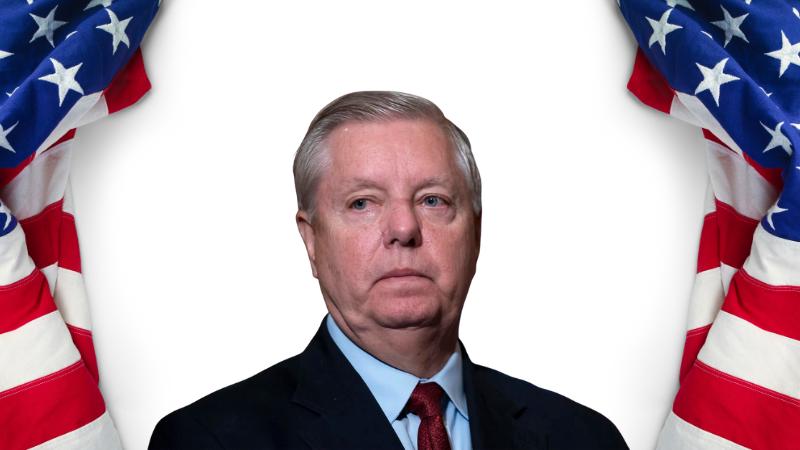
Following the narrative established during the Trump administration, South Carolina Senator Lindsey Graham has drawn a connection between US tariffs, the ongoing Russia-Ukraine conflict, and India’s role in the global energy market. On Wednesday, Graham responded sharply to reports of a deadly Russian strike in Kyiv that killed at least 23 people. His message on X directly addressed India, China, and Brazil for their continued purchase of Russian crude.
Lindsey Graham criticizes India, China, Brazil over Russian oil amid Ukraine conflict
Following the narrative established during the Trump administration, South Carolina Senator Lindsey Graham has drawn a connection between US tariffs, the ongoing Russia-Ukraine conflict, and India’s role in the global energy market. On Wednesday, Graham responded sharply to reports of a deadly Russian strike in Kyiv that killed at least 23 people. His message on X directly addressed India, China, and Brazil for their continued purchase of Russian crude.
US higher education faces policy shift as Trump team targets international student enrolment
A quiet but significant shift is underway in American higher education policy, driven by the Trump administration’s recent actions toward universities that rely heavily on international students. What initially appeared to be a response to campus antisemitism has broadened into a strategy aimed at reducing the presence of foreign students in US academic institutions. At the center of this change is a controversial federal settlement reached after the White House withheld over $400 million
US higher education faces policy shift as Trump team targets international student enrolment
A quiet but significant shift is underway in American higher education policy, driven by the Trump administration’s recent actions toward universities that rely heavily on international students. What initially appeared to be a response to campus antisemitism has broadened into a strategy aimed at reducing the presence of foreign students in US academic institutions. At the center of this change is a controversial federal settlement reached after the White House withheld over $400 million
Trump-Backed No Tax on Tips Plan Passes Senate as Part of 2025 Tax Relief Strategy
In a surprise development, the Senate has passed the No Tax on Tips Act, giving swift legislative approval to a key piece of President Donald Trump’s 2025 tax agenda. Championed as a promise to working-class Americans during Trump’s re-election campaign, the bill provides a significant tax break for service industry workers who receive tips. The legislation, introduced by Republican Senator Ted Cruz of Texas, gained bipartisan support, including from Democratic Senators Jacky Rose
Trump-Backed No Tax on Tips Plan Passes Senate as Part of 2025 Tax Relief Strategy
In a surprise development, the Senate has passed the No Tax on Tips Act, giving swift legislative approval to a key piece of President Donald Trump’s 2025 tax agenda. Championed as a promise to working-class Americans during Trump’s re-election campaign, the bill provides a significant tax break for service industry workers who receive tips. The legislation, introduced by Republican Senator Ted Cruz of Texas, gained bipartisan support, including from Democratic Senators Jacky Rose