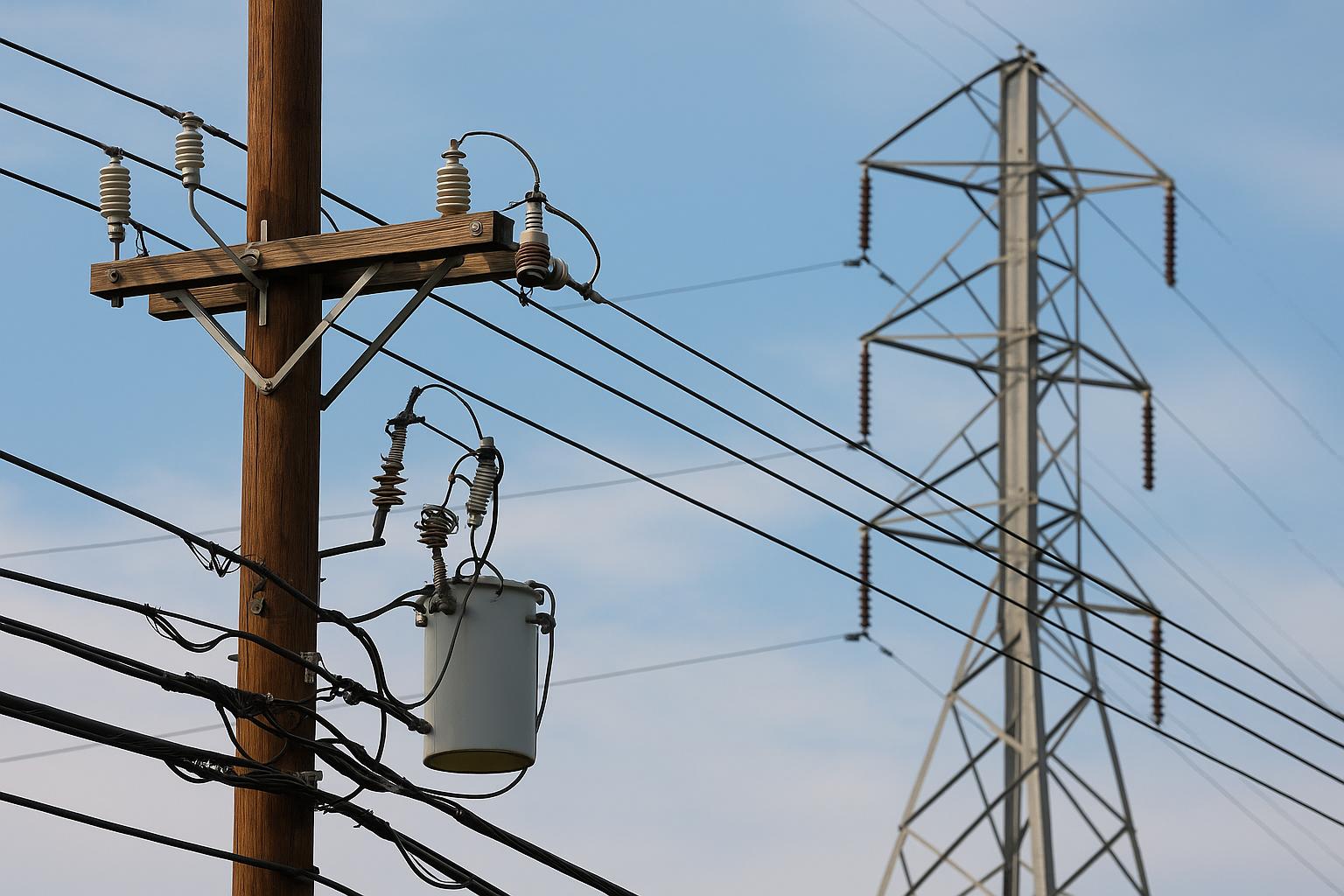
CenterPoint’s proposal outlines a wide-ranging strategy to reinforce the grid across Greater Houston. A substantial portion of the funding will be directed toward vegetation management because overgrown trees remain the leading cause of outages in the region. With the approval granted by regulators, CenterPoint will move to an accelerated three-year trimming cycle, which exceeds typical industry practices. This expanded program will allow workers to clear high-risk vegetation from thousands of additional miles of power lines every year, which the company believes will sharply cut the number of outage incidents linked to falling branches and storm-damaged trees. According to the utility, this upgraded schedule is essential for reducing both storm-related disruptions and routine service interruptions.
In addition to tree trimming, the plan includes burying more power lines in selected areas where underground construction is practical and expanding the use of new storm-resilient poles capable of withstanding stronger winds and more intense weather conditions. These enhancements form an essential part of the company’s long-term goal of building a more resilient coastal grid. With population growth and rising energy demands across the Houston area, CenterPoint argues that these infrastructure upgrades are necessary to keep pace with future needs while reducing the vulnerability of the system.
The final approved cost of $2.9 billion is significantly lower than the $5.75 billion amount the company originally requested. That higher figure led to prolonged negotiations involving local leaders, regulators, and consumer advocates. These discussions examined the balance between improving long-term reliability and maintaining affordability for residents. After months of review, the final agreement landed at roughly half of the initial request, though many core components of the project remain included. Consumer groups and officials have noted that, despite the reduction, customers will still experience the effect of the added charges as the new plan rolls out over several years.
At present, a typical household in Houston using around 1,000 kilowatt-hours of electricity pays roughly $64 in delivery charges to CenterPoint. This amount covers only the cost of delivering electricity and maintaining the poles, wires, and grid infrastructure. The electricity itself is billed separately by retail electric providers such as Reliant, Direct Energy, and Gexa, which set their own prices and contract options. Because delivery charges apply regardless of the chosen electricity provider, the upcoming increases will be felt uniformly by customers throughout the region.
CenterPoint has stated that it values the regulators’ support in advancing the shared mission of improving grid reliability and strengthening service for communities across the area. The company believes that the multi-year resiliency plan represents a crucial step toward reducing outages, enhancing storm readiness, and supporting the long-term stability of the power network. As the improvements unfold in stages over the coming years, customers can expect both gradual changes to their monthly bills and gradual enhancements to the region’s overall electric service reliability.