In a celebration of diversity, perseverance, and new beginnings, over 700 individuals from 93 different countries officially became citizens of the United States. Surrounded by family and friends, the new Americans stood proudly to take the oath of allegiance and received their certificates of naturalization, marking the final step of a long and often emotional journey.
The event was a powerful reminder of the personal sacrifices and determination it takes to achieve U.S. citizenship. For many, the path spanned years—sometimes decades—of waiting, working, and hoping. The ceremony acknowledged those efforts and welcomed the newest members of the nation with open arms.
One new citizen, originally from Nigeria, expressed deep joy after waiting 17 years to reach this moment. She shared that becoming a U.S. citizen had always been her dream and that she looked forward to reuniting with her family and son, who remain abroad. For her, the moment was as much about opportunity as it was about personal freedom and family unity.
Another new citizen, originally from the United Kingdom, waited over 30 years before finally obtaining citizenship. He shared that he now looks forward to participating in the democratic process and being called for jury duty, something he values as part of full civic engagement.
For a man from Nepal, the journey took 15 years. Though the process was often challenging, he said the reward was more than worth it. He now feels a sense of belonging, and he’s excited about the freedoms that come with citizenship—especially the ability to vote and to travel without visa restrictions.
Gaining U.S. citizenship requires more than time and patience. Applicants must meet several requirements, including being at least 18 years old, demonstrating basic proficiency in English, and showing good moral character. Most must also have held a Green Card for at least five years. In some cases, individuals may qualify after three years if they are married to a U.S. citizen, have served in the military, or are children of U.S. citizens.
The process can be long and demanding. Many applicants seek legal assistance, and costs can be substantial depending on the complexity of their case. Despite these challenges, the sense of accomplishment and the benefits of citizenship often outweigh the struggles.
One woman from St. Lucia shared how emotional and personal the naturalization journey was for her. She described it as a long, expensive, but ultimately rewarding experience. Being able to stay in the U.S. with her husband, a citizen, was one of the key reasons she pursued naturalization. She emphasized how important it was to ask questions, seek support, and remain hopeful through every stage of the process.
Another new citizen from Ecuador expressed her pride in joining her family, who are all U.S. citizens. She described the country as one full of opportunity, where hard work can lead to success and stability. Her words echoed a common theme among the new citizens—gratitude for the chance to build a better life.
A man originally from India reflected on his decade-long stay in the U.S., saying he felt privileged and deeply happy to now call himself a citizen. His experience, like many others’, highlighted how this moment represents not just a legal milestone, but a deeply personal transformation.
With citizenship, these individuals gain the right to vote, run for office in some jurisdictions, serve on juries, apply for federal jobs, sponsor relatives for immigration, and travel with a U.S. passport. It also provides security from deportation and allows for full participation in the country’s legal and political systems.
The ceremony was a profound celebration of resilience and hope. Each new citizen carried a unique story—marked by challenges, uncertainty, and perseverance—but together, they shared the same ending: a new beginning as Americans. The diverse backgrounds, cultures, and experiences they bring will continue to enrich the communities they now fully belong to.
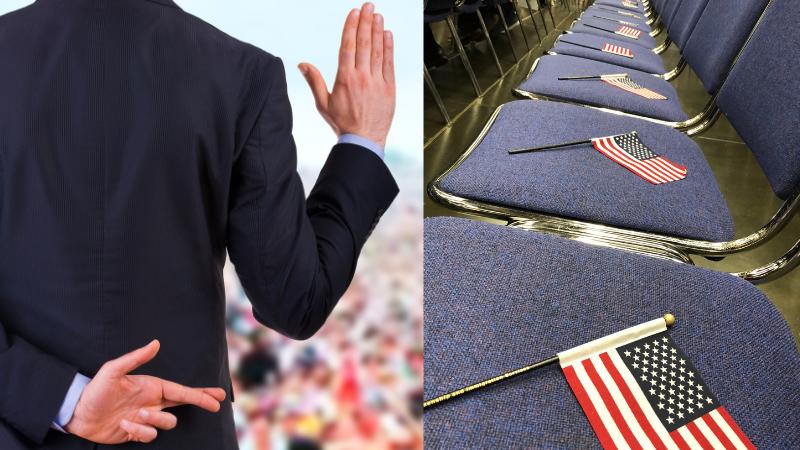
This moment of unity and pride underscores the enduring strength of a nation built on immigration and opportunity. As they raised their right hands and pledged allegiance, these 700 new citizens joined a shared future shaped by freedom, responsibility, and the pursuit of a better life.
The event was a powerful reminder of the personal sacrifices and determination it takes to achieve U.S. citizenship. For many, the path spanned years—sometimes decades—of waiting, working, and hoping. The ceremony acknowledged those efforts and welcomed the newest members of the nation with open arms.
One new citizen, originally from Nigeria, expressed deep joy after waiting 17 years to reach this moment. She shared that becoming a U.S. citizen had always been her dream and that she looked forward to reuniting with her family and son, who remain abroad. For her, the moment was as much about opportunity as it was about personal freedom and family unity.
Another new citizen, originally from the United Kingdom, waited over 30 years before finally obtaining citizenship. He shared that he now looks forward to participating in the democratic process and being called for jury duty, something he values as part of full civic engagement.
For a man from Nepal, the journey took 15 years. Though the process was often challenging, he said the reward was more than worth it. He now feels a sense of belonging, and he’s excited about the freedoms that come with citizenship—especially the ability to vote and to travel without visa restrictions.
Gaining U.S. citizenship requires more than time and patience. Applicants must meet several requirements, including being at least 18 years old, demonstrating basic proficiency in English, and showing good moral character. Most must also have held a Green Card for at least five years. In some cases, individuals may qualify after three years if they are married to a U.S. citizen, have served in the military, or are children of U.S. citizens.
The process can be long and demanding. Many applicants seek legal assistance, and costs can be substantial depending on the complexity of their case. Despite these challenges, the sense of accomplishment and the benefits of citizenship often outweigh the struggles.
One woman from St. Lucia shared how emotional and personal the naturalization journey was for her. She described it as a long, expensive, but ultimately rewarding experience. Being able to stay in the U.S. with her husband, a citizen, was one of the key reasons she pursued naturalization. She emphasized how important it was to ask questions, seek support, and remain hopeful through every stage of the process.
Another new citizen from Ecuador expressed her pride in joining her family, who are all U.S. citizens. She described the country as one full of opportunity, where hard work can lead to success and stability. Her words echoed a common theme among the new citizens—gratitude for the chance to build a better life.
A man originally from India reflected on his decade-long stay in the U.S., saying he felt privileged and deeply happy to now call himself a citizen. His experience, like many others’, highlighted how this moment represents not just a legal milestone, but a deeply personal transformation.
With citizenship, these individuals gain the right to vote, run for office in some jurisdictions, serve on juries, apply for federal jobs, sponsor relatives for immigration, and travel with a U.S. passport. It also provides security from deportation and allows for full participation in the country’s legal and political systems.
The ceremony was a profound celebration of resilience and hope. Each new citizen carried a unique story—marked by challenges, uncertainty, and perseverance—but together, they shared the same ending: a new beginning as Americans. The diverse backgrounds, cultures, and experiences they bring will continue to enrich the communities they now fully belong to.
This moment of unity and pride underscores the enduring strength of a nation built on immigration and opportunity. As they raised their right hands and pledged allegiance, these 700 new citizens joined a shared future shaped by freedom, responsibility, and the pursuit of a better life.