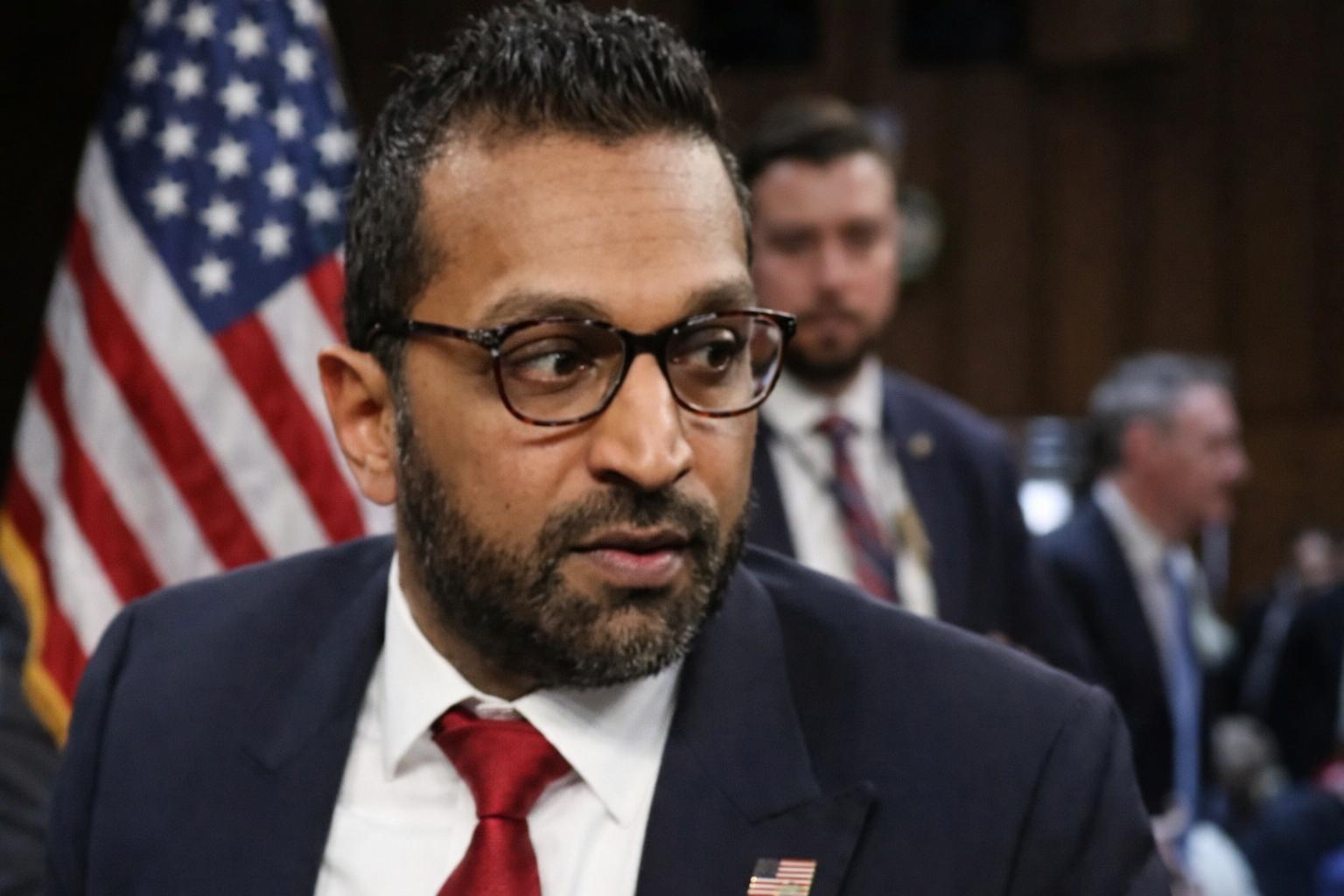
Kash Patel has filed a $250 million defamation lawsuit against The Atlantic and reporter Sarah Fitzpatrick, alleging that a recent article falsely portrayed him as an alcoholic unfit for public office.
The lawsuit was filed in the U.S. District Court for the District of Columbia on Monday morning. It challenges claims published in an article that suggested Patel engaged in excessive drinking and exhibited behavior that could compromise national security and his ability to perform official duties.
According to the complaint, the article asserted that Patel was a “habitual drunk” who posed risks to public safety, was susceptible to foreign coercion, and violated Department of Justice ethics standards. The filing also disputes claims that Patel was unreachable during emergencies and required extraordinary measures to be accessed, describing these allegations as false and damaging.
The article in question was published on Thursday and cited unnamed sources who described what they characterized as instances of excessive alcohol consumption. Fitzpatrick reported that approximately two dozen individuals were interviewed for the story, with assurances of anonymity provided to those sources.
Patel has strongly denied all allegations outlined in the report, criticizing the publication for relying on anonymous accounts. The lawsuit argues that the claims were not only inaccurate but also harmful to his reputation and professional standing.
In response, The Atlantic stated it stands by its reporting and intends to defend against the lawsuit. A spokesperson for the publication described the legal action as meritless and affirmed confidence in the accuracy of the reporting.
The case highlights ongoing tensions between public officials and media organizations, particularly around the use of anonymous sources and the standards applied in investigative journalism. Legal experts note that defamation cases involving public figures often hinge on whether the reporting meets the threshold of actual malice under U.S. law.
The lawsuit was filed in the U.S. District Court for the District of Columbia on Monday morning. It challenges claims published in an article that suggested Patel engaged in excessive drinking and exhibited behavior that could compromise national security and his ability to perform official duties.
According to the complaint, the article asserted that Patel was a “habitual drunk” who posed risks to public safety, was susceptible to foreign coercion, and violated Department of Justice ethics standards. The filing also disputes claims that Patel was unreachable during emergencies and required extraordinary measures to be accessed, describing these allegations as false and damaging.
The article in question was published on Thursday and cited unnamed sources who described what they characterized as instances of excessive alcohol consumption. Fitzpatrick reported that approximately two dozen individuals were interviewed for the story, with assurances of anonymity provided to those sources.
Patel has strongly denied all allegations outlined in the report, criticizing the publication for relying on anonymous accounts. The lawsuit argues that the claims were not only inaccurate but also harmful to his reputation and professional standing.
In response, The Atlantic stated it stands by its reporting and intends to defend against the lawsuit. A spokesperson for the publication described the legal action as meritless and affirmed confidence in the accuracy of the reporting.
The case highlights ongoing tensions between public officials and media organizations, particularly around the use of anonymous sources and the standards applied in investigative journalism. Legal experts note that defamation cases involving public figures often hinge on whether the reporting meets the threshold of actual malice under U.S. law.