In a public statement, the US leader criticized the legal proceedings against Bolsonaro, labeling them a politically motivated "witch hunt" and demanding that they be stopped immediately. The strong language mirrored his previous comments about legal challenges he has faced in his own country and extended his narrative of judicial persecution to the international arena. He directed his comments at the current Brazilian President, who defeated Bolsonaro in the 2022 elections.
Bolsonaro has recently testified before Brazil’s highest court regarding allegations that he was involved in an attempt to overturn the 2022 election outcome. This testimony is part of a broader case involving over two dozen individuals, with more hearings expected in the coming months. The final verdict could be issued as soon as September. Bolsonaro has already been banned from holding public office until 2030, a significant political setback for the former leader.
Responding to the tariff threat, Brazil's Vice President addressed the issue by defending the independence of the country’s judiciary. He noted that Brazil had previously prosecuted its own leaders without international interference and emphasized that the current proceedings are strictly a matter for the domestic judicial system. According to him, there has been no impropriety or external influence in the case against Bolsonaro.
The US President also raised concerns about the Brazilian judiciary’s recent actions against social media platforms, where fines were imposed, and temporary blocks were ordered. He criticized these measures as secretive and unlawful forms of censorship. In response, he has initiated an investigation under Section 301 of the Trade Act of 1974. This provision allows the United States to investigate and potentially retaliate against foreign practices that are deemed unfair or harmful to US trade interests.
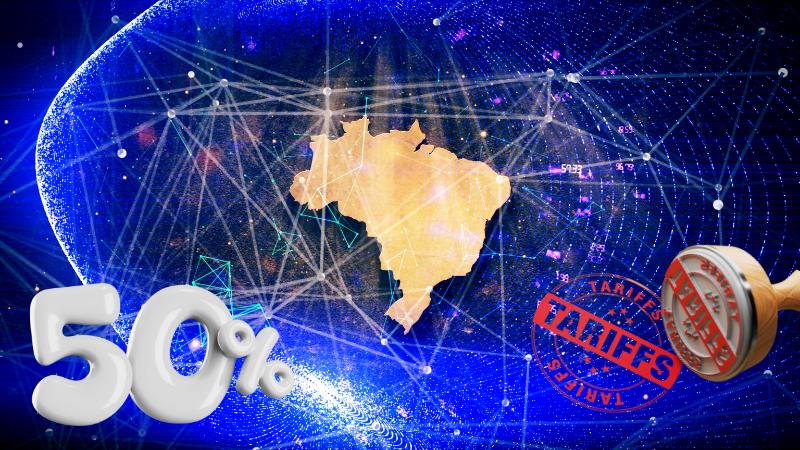
The tariffs and the Section 301 investigation are likely to cause serious implications for trade relations between the two countries. Brazil is a major supplier of beef, steel, soy, and other commodities to the United States, and the 50 percent tariff will significantly disrupt this flow. Industries that depend on Brazilian imports may face cost increases, supply chain disruptions, and pricing pressure, all of which could trickle down to consumers.
This development underscores a shifting paradigm in international relations, where personal loyalty and political considerations appear to be taking precedence over conventional diplomacy and economic analysis. Critics of the tariff decision argue that it marks a troubling turn toward using economic power to exert pressure on foreign judicial systems. On the other hand, supporters view it as a firm stand against what they believe are politically motivated prosecutions in allied nations.
The episode also fuels broader questions about the future trajectory of US foreign policy, particularly in the realm of trade. Whether such strategies are sustainable or beneficial in the long run remains to be seen, but the immediate consequence is clear: the US and Brazil are entering a period of heightened tension not just in politics but in commerce as well.
As Bolsonaro’s legal case progresses and the US investigation under Section 301 moves forward, the world will be closely watching how these developments unfold. The intertwining of legal trials, political narratives, and economic policies has created a complex situation with far-reaching global implications. This latest chapter in international affairs highlights how internal political dynamics in one country can dramatically influence foreign economic policy and reshape longstanding diplomatic partnerships.