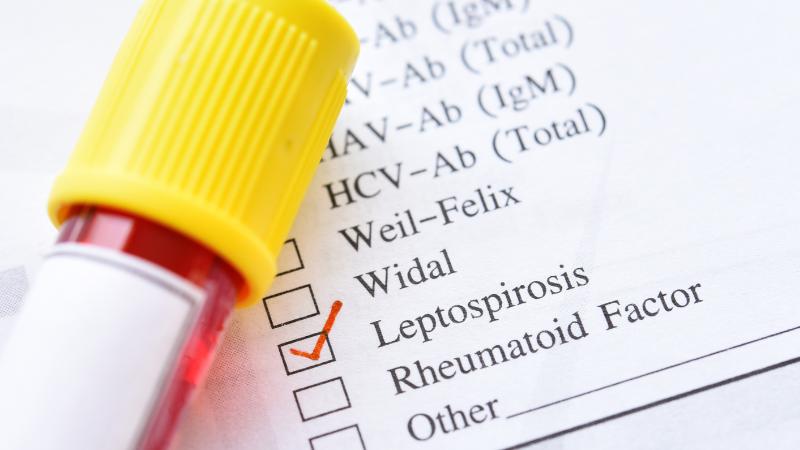
Chicago health officials have issued a public health alert following reports of multiple leptospirosis cases in the city, including one that resulted in death. The Chicago Department of Public Health confirmed that at least four recent infections have been identified, with all patients either directly or indirectly exposed to animal urine or droppings, most commonly from rats. The department stressed that residents should remain vigilant, particularly those involved in outdoor activities such as gardening or yardwork, which have been linked to the latest infections.
Leptospirosis is a bacterial disease that can infect both humans and animals. It is most commonly spread through contact with water or soil contaminated by the urine of infected animals. Health officials warned that the bacteria can survive in such environments for weeks or even months, making exposure risks higher in urban areas where rodent activity is prevalent. While the disease is relatively rare, its consequences can be severe if left untreated, potentially leading to kidney damage, meningitis, liver failure, respiratory issues, and even death.
The symptoms of leptospirosis in humans are varied, which makes it challenging to diagnose without medical testing. Common signs include fever, headaches, chills, muscle pain, vomiting, nausea, stomach cramps, diarrhea, jaundice, red eyes, and skin rashes. In some cases, the illness can progress in two phases. The first may involve flu-like symptoms such as fever and aches, followed by a temporary recovery. However, a second and more dangerous phase can develop, marked by liver or kidney failure or meningitis, which can extend illness for weeks. In humans, symptoms can appear anytime from two to thirty days after exposure.
Dogs are also vulnerable to leptospirosis, with common signs including fever, lethargy, vomiting, jaundice, darkened urine, increased thirst, appetite loss, and joint pain. However, not all infected animals display symptoms, meaning they can still spread the disease undetected. The Centers for Disease Control and Prevention recommends that pet owners discuss vaccination options with their veterinarians to help protect dogs from this potentially deadly condition.
Chicago’s recent health alert is intended to ensure that healthcare providers are actively testing for leptospirosis in patients presenting with compatible symptoms. Medical professionals have been reminded of the importance of early diagnosis and treatment to reduce the risk of complications or fatalities. For the public, preventive measures remain the best defense.
Officials advise residents to avoid contact with floodwater or contaminated soil whenever possible, and to never consume food that may have been exposed to flood conditions. Reducing rodent populations is also a critical step in limiting risks. The city encourages residents to report rodent sightings to 311, ensure trash and compost bins are securely closed, and seal yard entry points that could allow rats access. Keeping grass trimmed, clearing debris, and removing potential hiding spots are additional recommended steps.
For those who spend time outdoors or in areas where water or soil may be contaminated, extra precautions are necessary. Health officials recommend covering any open cuts, scrapes, or wounds with waterproof bandages, and wearing waterproof gloves, boots, and protective clothing when handling soil or standing water. In cases of animal waste cleanup, residents should use gloves, disinfect surfaces thoroughly, and wash hands carefully afterward to reduce exposure risk.
Chicago’s public health data indicates that progress is being made in combating other infectious disease challenges, but the recent rise in leptospirosis cases has renewed concerns about rodent-related health risks in the city. The tragic death tied to the latest infections underscores the seriousness of the situation. While not all cases are fatal, untreated leptospirosis can cause long-term organ damage and disability, making prevention and early treatment critical.
Health authorities are urging residents to remain alert to both their own health and that of their pets. Immediate medical attention should be sought if symptoms develop after potential exposure to contaminated environments. Likewise, pet owners should monitor animals closely for unusual signs of illness and pursue veterinary care as needed.
The city has also pledged to continue rodent control programs while promoting awareness campaigns to educate residents about the risks of leptospirosis and how to protect themselves. Officials believe that combined community vigilance, medical readiness, and proper pet care can reduce the spread of the disease and prevent future fatalities.
As the city deals with these infections, Chicago’s public health department is committed to working closely with local healthcare providers and community members to contain risks and protect the population. Leptospirosis may be rare, but its consequences can be deadly, and this recent outbreak serves as a reminder of the importance of disease prevention and public health awareness.