The Government of India has rolled out a historic reform in the Goods and Services Tax (GST) system by eliminating the 12% and 28% slabs and restructuring the tax categories. The changes, which took effect today, bring relief to households as 99% of daily-use products will now fall under lower tax rates. However, in order to balance revenue and discourage harmful or luxury consumption, the government has introduced a new 40% GST slab for specific goods.
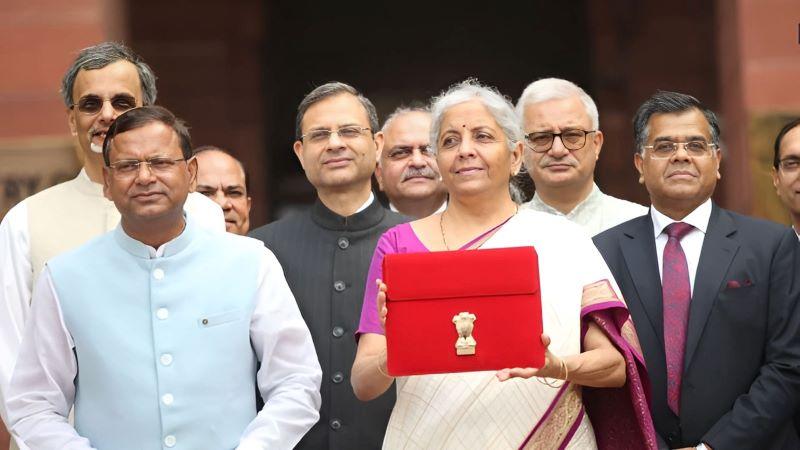
Union Minister Ashwini Vaishnaw, speaking on the occasion, praised Prime Minister Narendra Modi for leading the reform, calling it a “Bachat Mahotsav” for common people. He noted that shopkeepers and customers alike are happy with the reduced costs on everyday essentials. Prime Minister Modi also described the new tax regime as “GST Bachat Utsav”, highlighting the direct household savings it promises. This move aims to simplify the taxation system, cut down on compliance challenges, and align India’s GST with global best practices. For consumers, it means lower prices on basic necessities, while luxury and harmful goods will now cost significantly more.
Items That Will Now Attract 40% GST
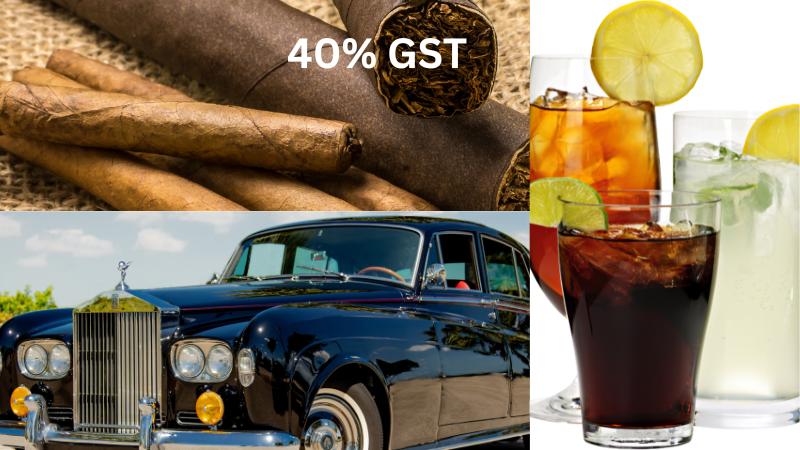
The following products and services have been placed in the highest 40% GST bracket, making them more expensive:
-
Tobacco and related products: Cigarettes, bidis, pan masala, gutka, and chewing tobacco.
-
Large vehicles: Petrol cars with engines above 1200cc, diesel cars above 1500cc, and motorcycles over 350cc.
-
Sugary and carbonated drinks: Soft drinks, energy drinks, carbonated beverages with fruit juice, and all goods with added sugar.
-
Caffeine beverages: High-caffeine carbonated products and flavored drinks.
-
Luxury leisure vehicles: Yachts, aircraft for personal use, and other ships meant for sports or pleasure.
-
Firearms for personal use: Revolvers and pistols.
-
Betting and gambling activities: Casinos, horse racing, lottery, and other betting platforms.
How The Reforms Benefit Households
While some goods will get costlier, the majority of families will benefit:
-
Daily essentials become cheaper – With the removal of the 12% and 28% slabs, most food items, clothing, and household goods are now taxed at lower rates.
-
Increased household savings – The reforms ensure direct relief in monthly expenses, especially during festivals like Navratri.
-
Simplified tax structure – Fewer slabs mean reduced confusion and easier compliance for businesses and consumers.
-
Encouragement of healthy choices – Higher tax on tobacco, soft drinks, and alcohol discourages consumption of harmful products.
-
Boost to consumer spending – With essentials becoming cheaper, experts believe the festive season will see a rise in shopping activity.
These reforms mark a new chapter in India’s taxation system. By lowering taxes on everyday products while placing luxury and harmful goods in the 40% bracket, the government has struck a balance between household relief and revenue generation.