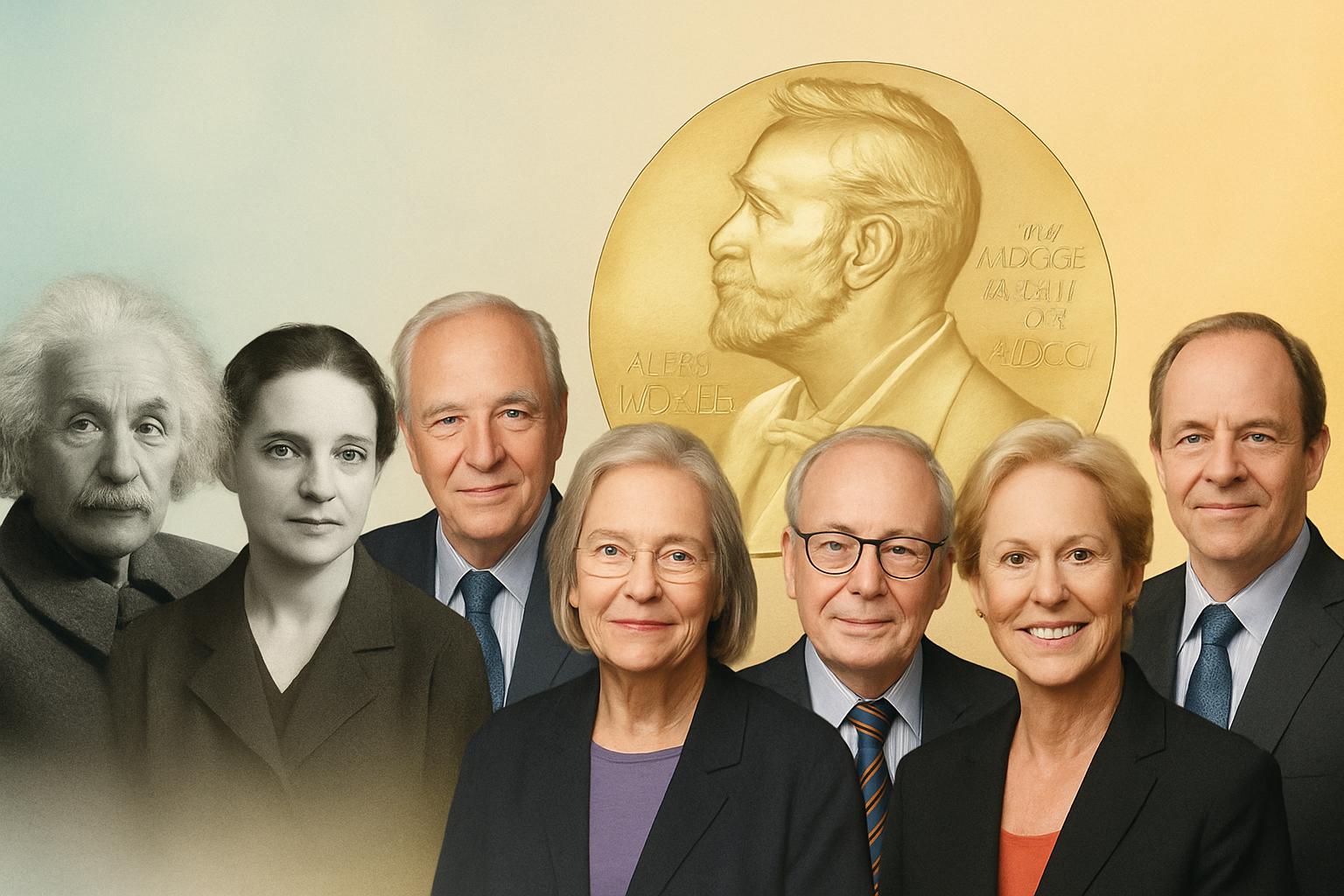
Not every Nobel laureate began as a model student. Some were expelled, others barely passed exams, and a few were told they would never amount to anything. Yet their names now stand among history’s greatest thinkers. From Einstein’s rebellious intellect to David Card’s quiet brilliance on a Canadian farm, these laureates show that unconventional paths often lead to extraordinary destinations. Their stories remind us that curiosity, not conformity, is the true hallmark of genius.
Albert Einstein (1879–1955) — Physics, 1921
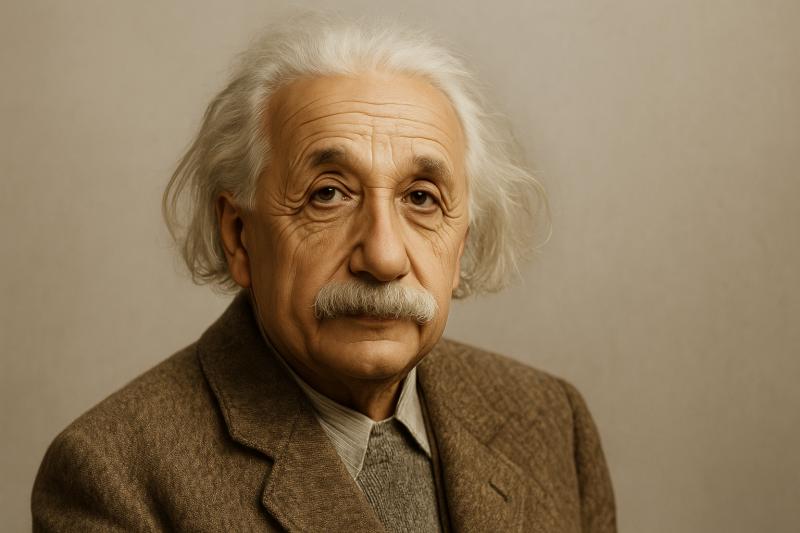
Albert Einstein, the mind who transformed modern physics, often clashed with rigid education systems. At Zurich Polytechnic, he skipped uninspiring lectures to study physics on his own. Teachers considered him stubborn and inattentive, and he graduated near the bottom of his class. Yet in 1921, he received the Nobel Prize in Physics for explaining the photoelectric effect, a discovery that would redefine scientific thought. The once-rebellious student became the architect of relativity — proving that true learning happens when curiosity outweighs compliance.
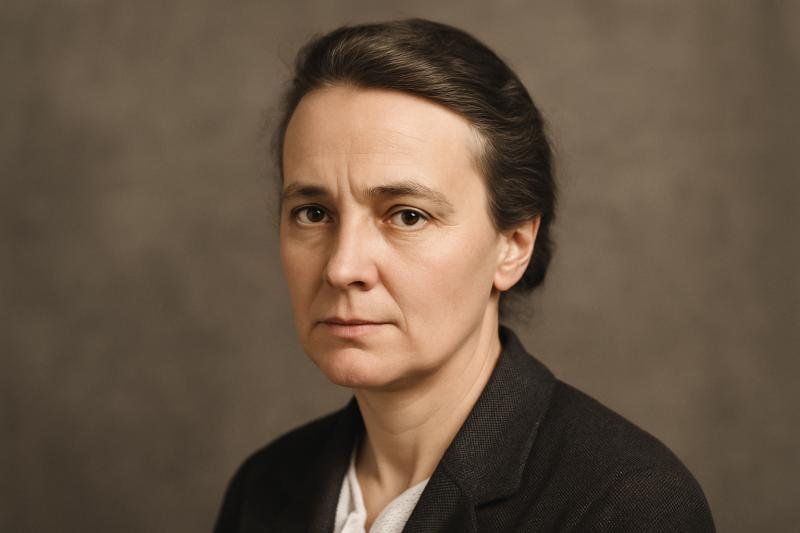
Irène Joliot-Curie (1897–1956) — Chemistry, 1935
Ivar Giaever (Born 1929) — Physics, 1973
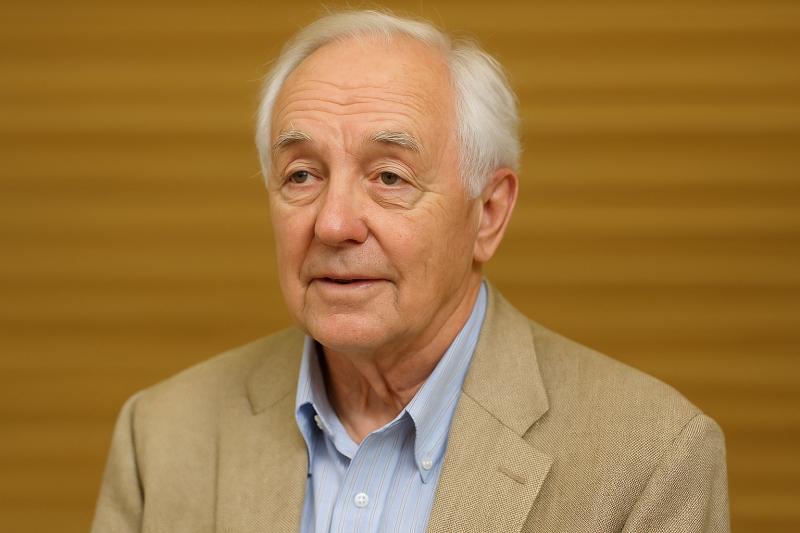
Norwegian physicist Ivar Giaever began his career in mechanical engineering but soon followed his fascination into physics. His transition was guided more by curiosity than academic prestige. His groundbreaking work on electron tunnelling in superconductors earned him the Nobel Prize in Physics in 1973. Giaever’s journey, from a restless engineer to a Nobel laureate, exemplifies how intellectual courage can redefine scientific boundaries.
Elinor Ostrom (1933–2012) — Economic Sciences, 2009
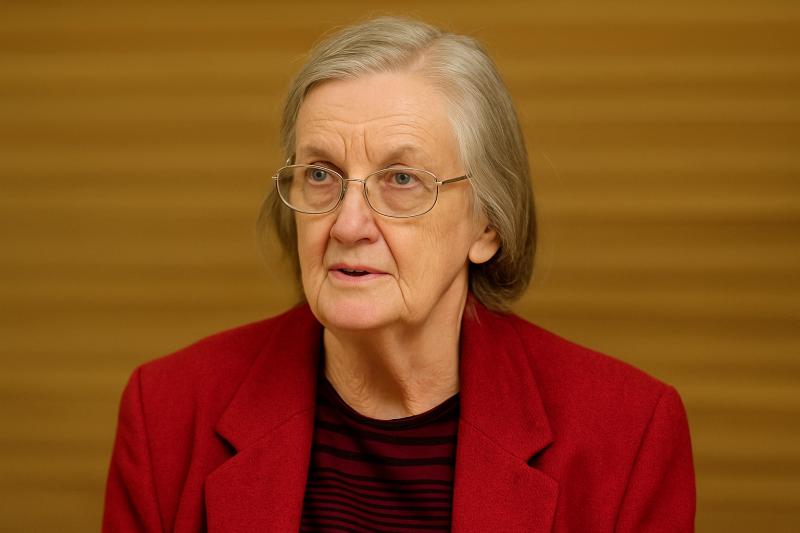
Elinor Ostrom’s career began in defiance of exclusion. Denied entry to a PhD in economics, she turned to political science and built her own interdisciplinary framework. Her research on how communities self-manage shared resources overturned decades of economic orthodoxy. In 2009, she became the first woman to win the Nobel Prize in Economic Sciences. Ostrom’s work demonstrated that cooperation, not competition, often sustains human progress — and that barriers in academia can spark revolutionary thought.
Carol Greider (Born 1961) — Physiology or Medicine, 2009
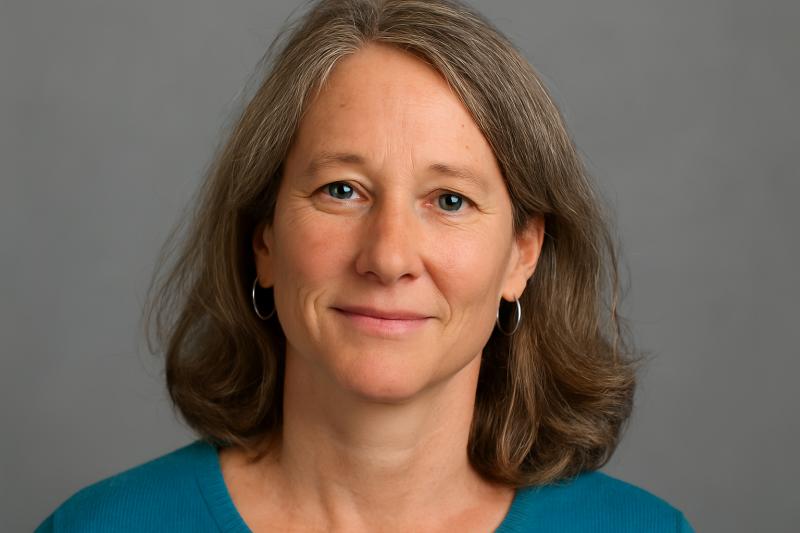
As a child, Carol Greider faced dyslexia, making traditional learning difficult. Yet her determination to understand biology drove her far beyond textbooks. Her research led to the discovery of telomerase, the enzyme that protects chromosomes and controls cellular aging. This breakthrough won her the Nobel Prize in Physiology or Medicine in 2009. Greider’s life reminds us that obstacles in learning can become the very foundation of scientific triumph.
Tomas Lindahl (Born 1938) — Chemistry, 2015
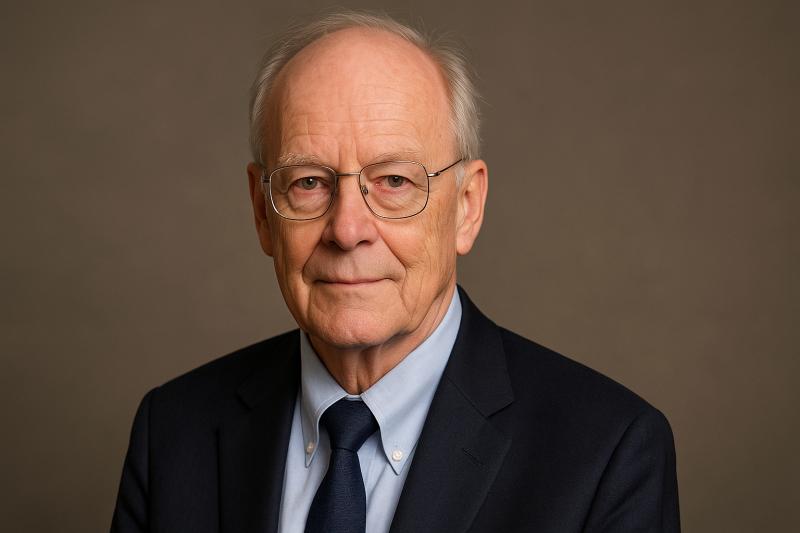
Tomas Lindahl’s academic beginnings were anything but promising — he once failed chemistry in high school. But his deep curiosity about molecular instability led him to a discovery that reshaped modern biology. He revealed that DNA constantly undergoes repair, a finding that earned him the Nobel Prize in Chemistry in 2015. Lindahl’s journey shows that early setbacks often conceal the seeds of breakthrough success.
Frances Arnold (Born 1956) — Chemistry, 2018
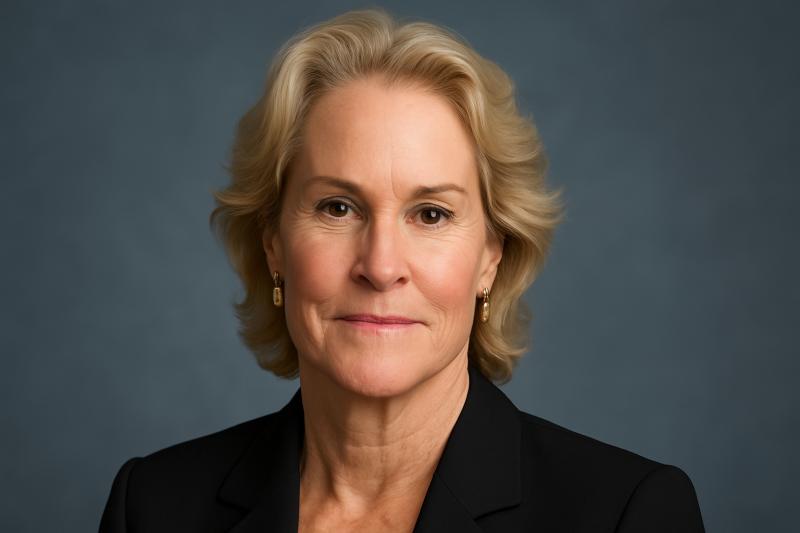
Frances Arnold’s rebellious streak defined her youth. Expelled from school for defying teachers, she later turned that independence into innovation. Her pioneering work on directed enzyme evolution — reshaping proteins through artificial selection — earned her the Nobel Prize in Chemistry in 2018. Arnold believes education should celebrate curiosity rather than suppress it, a philosophy that turned her defiance into discovery. Her journey illustrates how creativity thrives when given freedom to question the rules.
David Card (Born 1956) — Economic Sciences, 2021

David Card grew up on a dairy farm in Canada, where his education took place in a one-room schoolhouse. Balancing early-morning chores with study, he learned discipline and observation — traits that would later shape his groundbreaking economic research. His empirical analysis of labor markets and minimum wage policies challenged long-held economic assumptions, earning him the Nobel Prize in Economic Sciences in 2021. Card’s story is proof that learning grounded in real-world experience can change the course of theory itself.
From restless classrooms to quiet farms, from failed exams to revolutionary discoveries, these Nobel laureates prove that academic perfection is not the measure of genius. What unites them is not flawless schooling but fearless curiosity. Their journeys show that education’s highest purpose is not conformity but inspiration — and that some of history’s greatest minds were, at one point, misunderstood students who simply refused to stop asking questions.