Chicago’s newly approved budget is now in effect, introducing a series of tax changes that will be rolled out in stages throughout the year. While some measures began immediately on Jan. 1, others are scheduled to take effect in the coming weeks and months, gradually reshaping costs for consumers and businesses across the city.
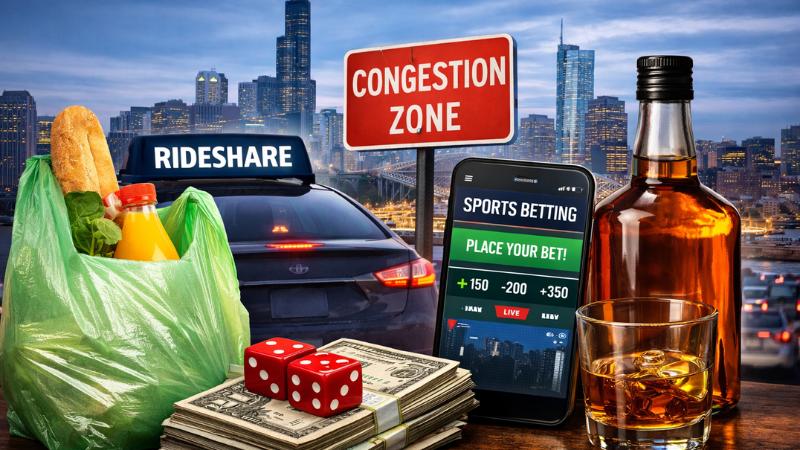
Among the changes that began with the start of the new year is an increase in the checkout bag tax. Shoppers now pay 15 cents per grocery bag, up from the previous 10-cent rate. Retailers that remit the tax are permitted to retain one cent per bag sold or used. The city has positioned the increase as both a revenue measure and an effort to reduce waste. Also effective Jan. 1 is a new 10.25 percent tax on sports betting revenue, applied to wagers placed within city limits or through approved mobile and internet platforms operating in Chicago.
Additional taxes will follow shortly. Beginning Jan. 6, ride-hailing customers will see higher congestion fees for trips that involve pickups or drop-offs in newly designated congestion zones. For single-occupancy rides, the per-ride surcharge increases to $1.50, up from $1.13, and applies seven days a week between 6 a.m. and 10 p.m. Shared rides will carry a 60-cent surcharge, an increase from 53 cents, and will apply on weekdays during the same hours. City officials say the changes are intended to manage traffic density in high-demand areas while generating revenue.
Several other taxes took effect at the start of the year, including a 15 percent personal property lease transaction tax applied to the lease or rental price of personal property. A motor vehicle lessor tax now imposes a 50-cent charge per vehicle for daily or weekly rentals within the city. Boat owners are also affected, with mooring or docking fees now taxed at 23.25 percent, although not-for-profit organizations are subject to a reduced rate of 7 percent.
The budget also introduces a new social media amusement tax aimed at large platforms that collect consumer data. Companies gathering data from more than 100,000 Chicago consumers in a calendar year will be charged 50 cents per Chicago user per month for each consumer above that threshold. The measure is framed as a way to generate revenue from digital activity tied to the local market.
Another notable change is a new liquor tax scheduled to begin March 1. Alcoholic beverages purchased at retailers for off-premises consumption will be taxed at 1.5 percent of the purchase price. The tax had originally been slated to take effect earlier but was delayed to give businesses additional time to prepare for the change.
The budget took effect under unusual circumstances after Mayor Brandon Johnson declined to sign it but also chose not to veto the alternative spending plan approved by the City Council in late December. Had no budget been enacted by the end of the year, Chicago faced the possibility of a government shutdown.
In a statement, the mayor said he would not veto the budget approved by the City Council, while also declining to formally endorse it with his signature. He cited concerns about adding uncertainty and disruption for residents already facing economic pressures. Under city rules, the budget automatically went into effect five business days after passage, making it effective by Jan. 1.
As the phased tax increases continue to roll out, residents and businesses are expected to feel the cumulative impact over the coming months, with city leaders emphasizing fiscal stability while critics warn of rising costs for everyday activities.