Iconic models and global expansion
Nokia’s success was built on a combination of durable, simple phones and groundbreaking features. Iconic models like the Nokia 5110, Nokia 3210, and the Nokia Communicator became synonymous with reliability. These phones were famous for their long battery life, ruggedness, and easy-to-use design, which made them popular worldwide. Nokia’s phones were not just tools for communication but became a part of daily life for millions.
In addition to its strong hardware, Nokia also introduced innovative features such as the Snake game, which would go on to revolutionize mobile gaming. As Nokia expanded into emerging markets, it made mobile phones accessible to people who had never owned one before, cementing the brand's reputation for reliability and earning it the loyalty of millions.
Failure to adapt to the smartphone revolution
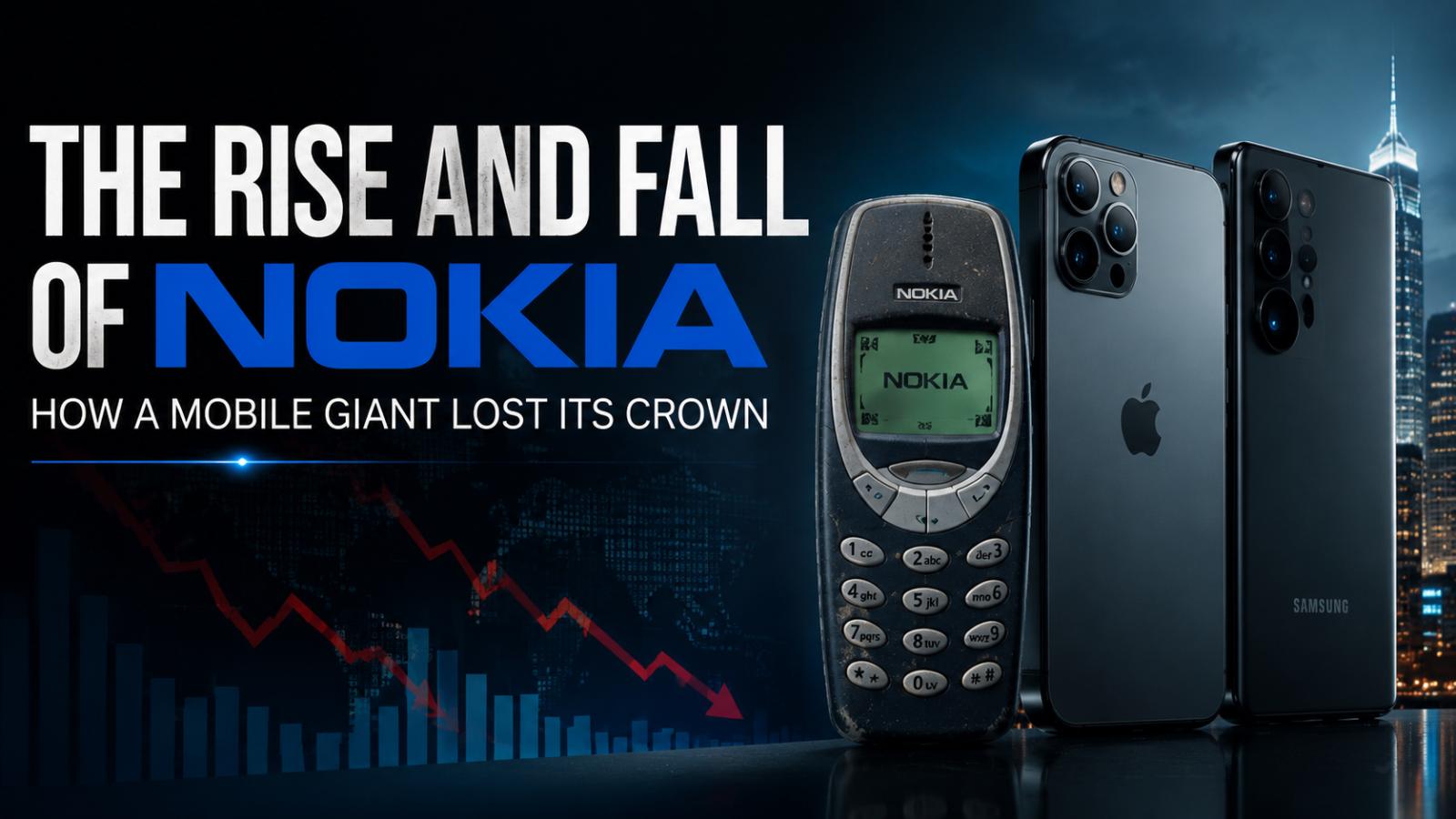
However, despite its initial dominance, Nokia’s downfall came when the smartphone revolution took hold. The rise of Apple’s iPhone in 2007 and the Android operating system soon after changed the way people interacted with mobile technology. Nokia stuck to its Symbian OS, which was outdated compared to the smooth, user-friendly touch interfaces of iOS and Android.
Why didn’t Nokia adapt to the smartphone era?
Nokia made several strategic attempts to shift towards smartphones, first with MeeGo and later with Windows Phone, but neither gained significant traction. These platforms failed to capture enough market share, leaving Nokia increasingly irrelevant in a market dominated by more agile competitors.
Internal bureaucracy and missed opportunities
One of the key reasons for Nokia’s inability to pivot successfully was internal bureaucracy and slow decision-making. The company was bogged down by conflicts within the leadership and struggled to make decisions quickly enough to keep up with the fast-moving smartphone industry. As competitors like Samsung and Apple rapidly scaled their Android and iOS devices across various price points, Nokia failed to compete with their expanding ecosystems.
Leadership missteps and regional struggles
How did leadership contribute to Nokia’s fall?
Leadership mistakes, especially under CEOs like Olli-Pekka Kallasvuo and Stephen Elop, played a significant role in Nokia’s inability to transition to the smartphone market. Strategic missteps, combined with a lack of vision for the future, left Nokia struggling to maintain its position in both the high-end and budget phone segments. Despite its strong brand recognition, Nokia lost its grip in key markets like North America, where it struggled to compete with more aggressive competitors.
The aftermath: Nokia's sale to Microsoft
In 2014, Nokia sold its handset division to Microsoft, marking the official end of its reign as a leader in mobile phones. Despite some efforts to revive the brand, it was never able to regain its previous dominance in the mobile phone industry. While Nokia still holds a place in the mobile market with its brand, the company’s failure to adapt to the smartphone revolution has left it as a shadow of its former self.
Conclusion
Nokia’s journey from the top of the mobile world to its eventual decline offers valuable lessons on the importance of innovation and agility in a rapidly changing tech landscape. As the mobile industry continues to evolve, Nokia’s story serves as a cautionary tale for other companies looking to maintain their dominance. From its iconic phones to its inability to embrace smartphones, Nokia’s fall highlights the risks of not adapting to technological shifts.