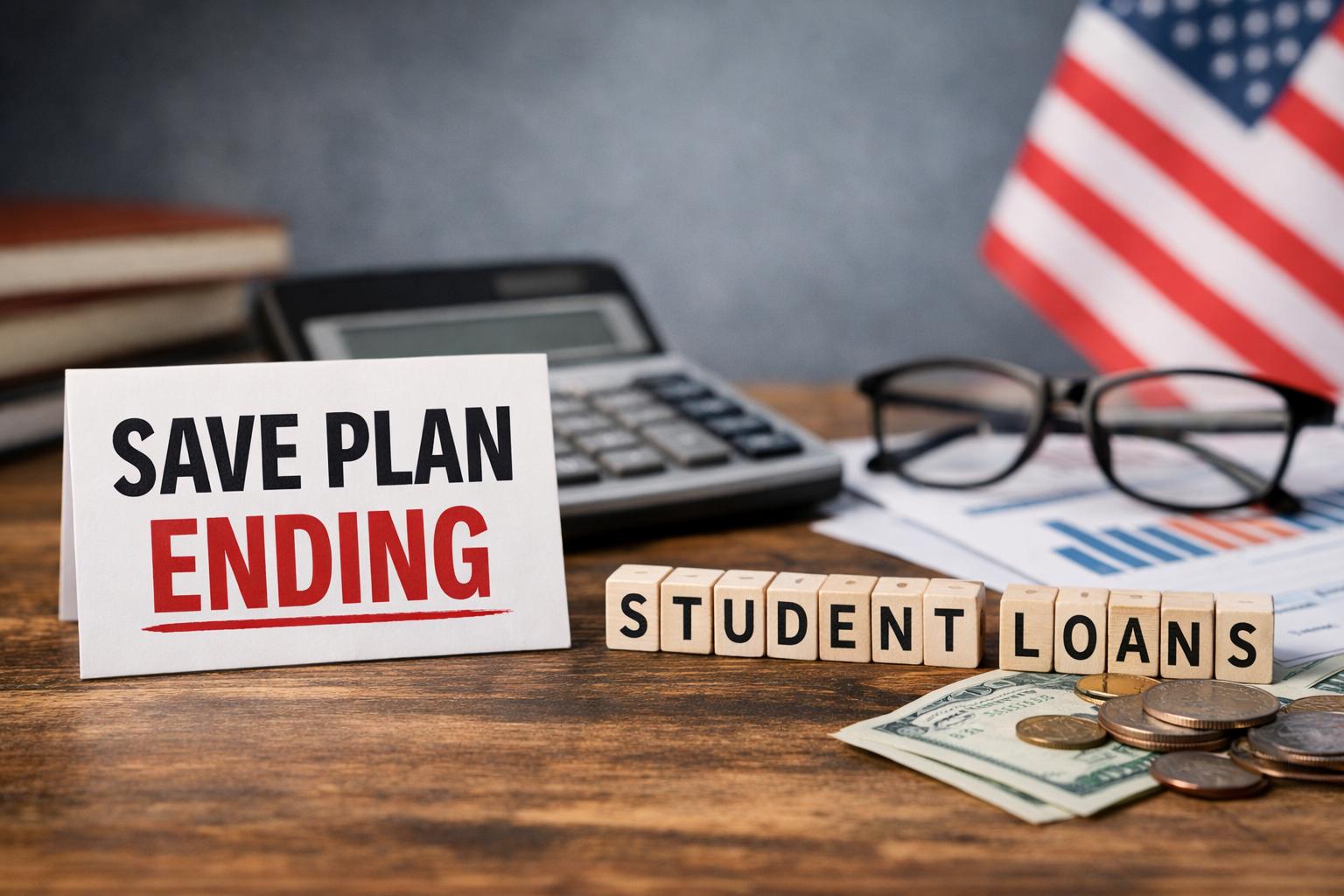
The SAVE plan, introduced in 2023 under the Biden administration, aimed to reduce monthly payments and expand loan forgiveness. However, several Republican-led states challenged its legality, arguing that the administration lacked authority to implement such broad relief. The court’s ruling effectively ended the program, leaving approximately 7.5 million enrolled borrowers needing to transition to alternative repayment options. As of December 2025, about 7.2 million borrowers remained in the plan.
Borrowers currently enrolled in SAVE and who have not switched plans have been in administrative forbearance since the program was challenged in the summer of 2024. While payments were paused, interest resumed accruing in August 2024, increasing overall loan balances.
The Education Department stated that affected borrowers will have a 90-day window beginning Wednesday, July 1, 2026, to select a new repayment plan. Loan servicers are expected to provide specific deadlines and instructions. Those who do not take action within the timeframe will be automatically placed into a standard repayment plan, which typically involves higher fixed monthly payments.
Borrowers can choose from several alternatives, including existing income-driven repayment plans such as Income-Based Repayment (IBR) or the newly introduced Repayment Assistance Plan (RAP), scheduled to launch on July 1, 2026. RAP, created through recent federal legislation, sets monthly payments between 1% and 10% of a borrower’s income, with a minimum payment requirement of $10.
Experts note that while RAP may offer lower initial payments for some borrowers, IBR could result in lower total repayment costs due to earlier loan forgiveness eligibility, typically after 20 years compared with 30 years under RAP. The standard repayment plan, which spreads fixed payments over 10 years or longer under new tiered options, may be more suitable for borrowers with higher incomes and smaller loan balances.
Applications for new repayment plans can be submitted through the federal student aid website or directly via loan servicers. However, officials have cautioned that processing delays are likely, with more than 576,000 applications pending as of late February 2026.
Borrowers who fail to transition out of SAVE risk higher payments and continued interest growth. Additionally, time spent in the current forbearance period does not count toward loan forgiveness programs, including Public Service Loan Forgiveness.
Officials recommend that borrowers review available repayment tools and consider their income, loan balance, and long-term financial goals when selecting a new plan.