Kerala’s UDF government, led by CM VD Satheesan, announces three-day menstrual leave for schoolgirls and several women and child-friendly initiatives. The policy includes daycare facilities, equal pay measures, and the orphan-free Kerala initiative.
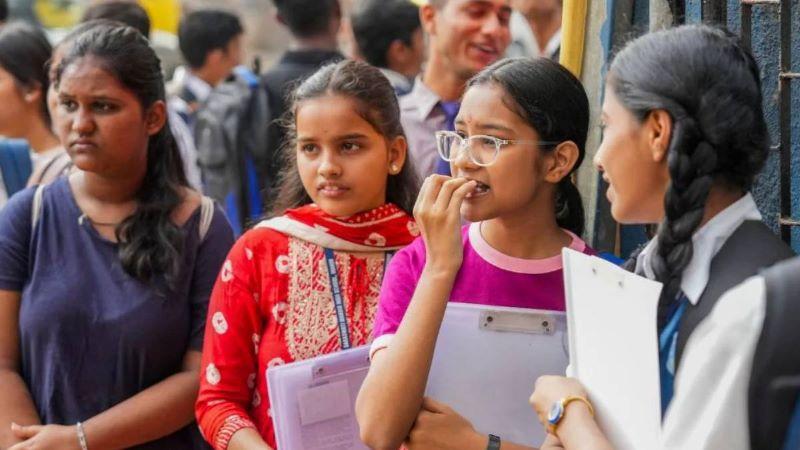
Kerala’s new UDF government, led by Chief Minister VD Satheesan, has announced a series of women and child-friendly initiatives in its first policy address to the 16th Kerala Legislative Assembly. The Governor, Rajendra Vishwanath Arlekar, read out the address in Thiruvananthapuram on Friday, highlighting measures that aim to make Kerala the most woman-friendly state in India. Among the key announcements is the plan to grant schoolgirls up to three days of menstrual leave each month. The policy aims to ensure that girls do not fall behind in their studies, with weekend catch-up classes also being proposed. The initiative is part of Project “Menstrual Dignity,” which focuses on making educational institutions and public spaces more supportive and friendly for girls and women.
Alongside menstrual leave, the government announced plans to implement Child Care Rules in line with the Maternity Benefit Act, 1961. These rules will ensure that all public offices, industrial establishments, IT parks, and workplaces with more than 50 employees provide safe and high-quality daycare centres and creches. Special provisions will be extended to women working in the unorganised sector, including six months of maternity leave. Steps will also be taken to improve accessibility to sanitary napkins, footwear, and other essential items for women.
The government also outlined ambitious plans under the Destitute and Orphan-Free Kerala Initiative. Adoption campaigns will be promoted, and a network of trained, well-paid foster families will be developed under the Juvenile Justice Act. The goal is to make Kerala India’s first orphan-free state, reflecting the administration’s broader commitment to child welfare.
To support gender equality in the workforce, the government plans to implement equal pay policies for women. Public restroom facilities will be established across major towns, creating safer and more accessible public spaces. These measures are intended to provide tangible benefits for women and girls across Kerala, improving their access to education, safety, and professional opportunities.
The Kerala government’s policy address reflects a comprehensive approach toward gender equity and child welfare. By combining menstrual leave for schoolgirls, high-quality daycare facilities, support for unorganised sector workers, and orphan-free initiatives, the administration is taking steps to create an inclusive environment that prioritizes the health, education, and welfare of women and children. These initiatives are expected to enhance Kerala’s reputation as a progressive state committed to the empowerment of women and girls.
The three-day menstrual leave is a significant milestone, marking one of the first instances of formalised menstrual leave policies for students in India. By aligning educational support with health and welfare measures, the government hopes to address longstanding challenges faced by schoolgirls. The emphasis on providing catch-up classes ensures that educational outcomes are not compromised, reinforcing the state’s commitment to gender-sensitive education policies.
In addition to student-focused initiatives, workplace reforms will create a more supportive environment for working women. Safe daycare centres and creches, maternity leave for unorganised sector workers, and equal pay regulations will provide much-needed infrastructure and policy support. These measures aim to improve retention and participation of women in the workforce, while also offering family-friendly benefits.
Kerala’s policy address has been widely praised for its holistic approach, combining education, workplace equality, and child welfare. By integrating these initiatives into a comprehensive framework, the government seeks to establish Kerala as a model for progressive policies in India. The combination of menstrual leave, childcare reforms, and orphan-free campaigns demonstrates a multi-dimensional strategy to uplift women and children across the state.