Cockroach Janta Party Founder Reaches Delhi as Youth Anger Over Exams and Jobs Grows
After years of exam controversies, paper leak allegations, high unemployment, and shrinking opportunities, frustration among India’s youth is turning into open anger both online and on the streets. A growing number of young Indians are now demanding accountability from the system.
Abhijeet Dipke, a 30-year-old Boston University graduate and founder of the satirical Cockroach Janta Party, arrived in New Delhi on Saturday morning. The online movement, which has quickly gained massive attention across India, is now trying to turn digital anger into ground-level action.
Dipke said he plans to lead a peaceful protest at Jantar Mantar, demanding accountability from the education system and calling for the resignation of Union Education Minister Dharmendra Pradhan.
Earlier this week, Dipke had shared that his friends and family were worried he could be arrested at the airport. However, he said fear could no longer stop him from speaking up.
“This country belongs not just to one party, but to all of us. This is a question of our future,” he said.
A strong security presence was seen at the airport when he arrived. Police met him there, and permission was reportedly granted for the protest.
Exam Controversies Fuel Youth Anger
The immediate trigger for the anger is India’s highly competitive entrance exam system. Every year, millions of students appear for entrance tests hoping to secure limited seats in top institutions. For many families, these exams represent years of sacrifice, coaching fees, emotional pressure, and financial investment.
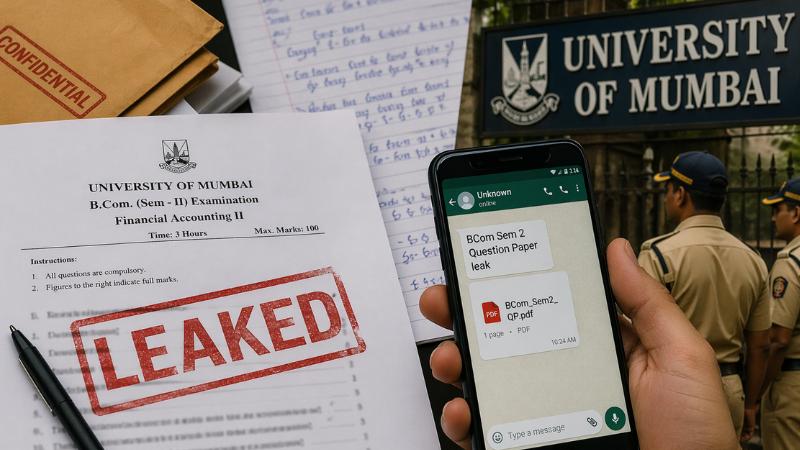
However, repeated allegations of paper leaks, technical failures, and irregularities have damaged trust in the system. Students say they are not asking for easier exams, but for fair and transparent competition.
Many young aspirants spend years preparing for medical, engineering, and government exams. When results are cancelled, delayed, or questioned due to leaks, students say their time, money, and mental health suffer deeply.
A 24-year-old medical aspirant said the pressure begins long before exam day. According to her, the fear of failure is not only personal but also connected to family expectations. After two years of preparation, she was unable to secure a seat in a top medical college and later chose another academic path.
For many students, such stories reflect a larger crisis: hard work no longer feels enough when the system itself appears unreliable.
Unemployment Adds to the Frustration
India has one of the youngest populations in the world, with hundreds of millions of citizens between the ages of 15 and 29. This generation is better educated, digitally active, and more connected than ever before.
But the job market has not kept pace with their aspirations.
Reports have highlighted that unemployment among young graduates remains a serious concern. Many students complete degrees but struggle to find stable jobs. This gap between education and employment has become one of the biggest sources of frustration among Indian youth.
Rising living costs, intense competition, and limited opportunities have added to the sense that young people are being ignored by those in power.
How the Cockroach Janta Party Went Viral
The Cockroach Janta Party began as a satirical online movement but quickly grew into a symbol of youth anger. Its meme-driven posts, sharp political satire, and AI-generated cockroach mascot spread rapidly across social media.
The name gained attention after remarks by Chief Justice Surya Kant were widely interpreted by many as referring to unemployed youth as “cockroaches.” The judge later clarified that his comments were aimed at people entering certain professions using fake degrees, not unemployed youth in general.
Still, the remark struck a nerve. Many young Indians felt insulted and began using the cockroach symbol as a form of protest.
The movement’s supporters say the youth are not against the country. Instead, they argue that young people are the backbone of India’s growth and deserve respect, fairness, and accountability.
From Online Protest to Street Movement
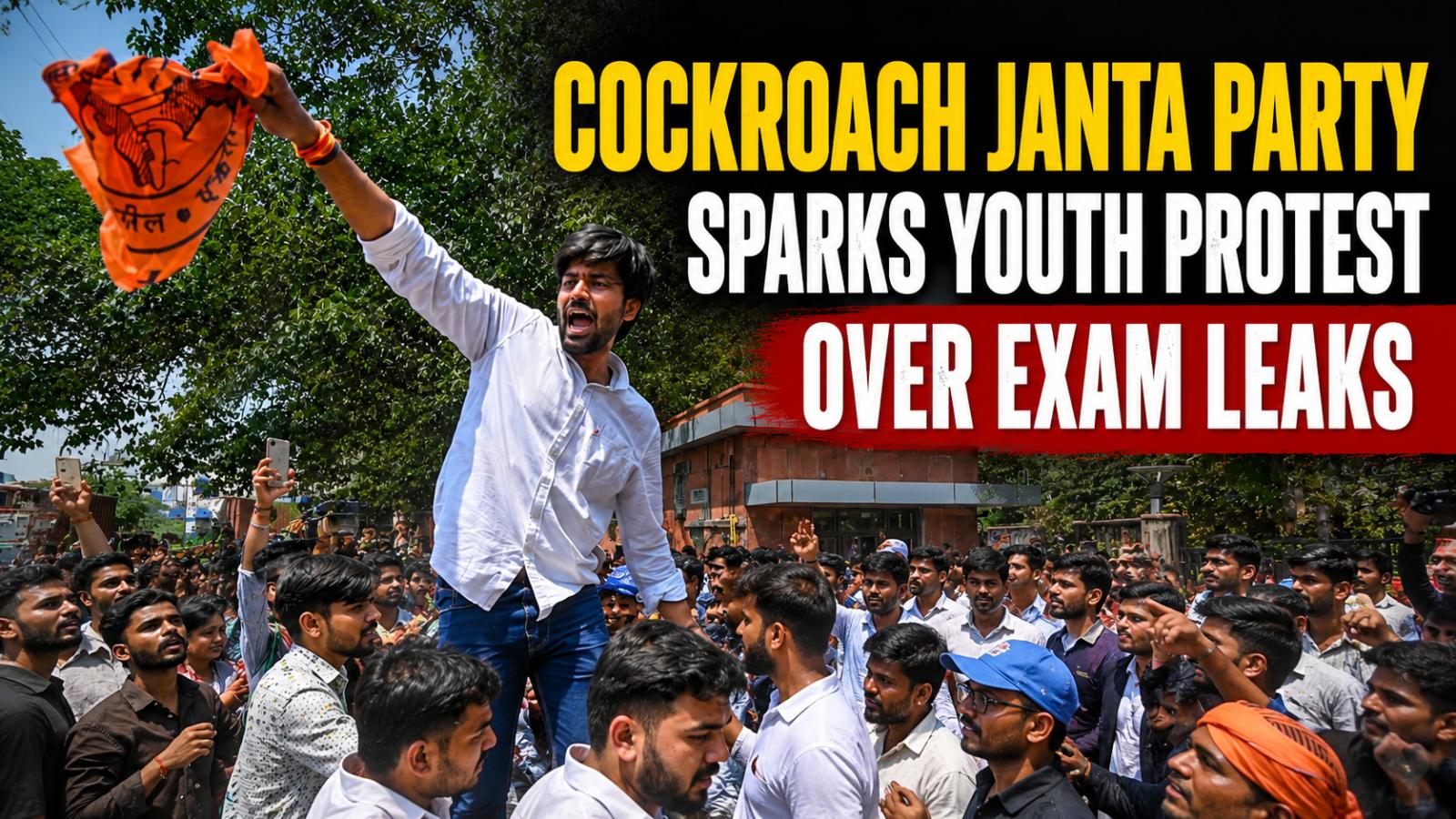
The Cockroach Janta Party has now moved beyond memes and online posts. Dipke and his supporters want to bring their message to the streets through a peaceful democratic protest.
The movement has also appointed official spokespeople, including professionals from journalism, filmmaking, and the corporate sector, to represent its views publicly.
Their central demand is clear: accountability in education, examinations, employment, and governance.
Supporters argue that repeated exam failures and unemployment cannot be treated as minor administrative problems. They say these issues directly affect the future of millions of families.
A Larger Political Message
Youth-led movements have gained strength in several parts of South Asia in recent years, with students and young citizens challenging corruption, unemployment, and lack of accountability.
In India, Prime Minister Narendra Modi’s government has faced major public challenges in the past, including protests over farm laws, unemployment concerns, economic policies, and public health crises. Despite criticism, the ruling party continues to maintain strong political support in many regions.
However, movements like the Cockroach Janta Party suggest that a section of India’s youth is becoming more vocal and less willing to remain silent.
Dipke has said that times are changing and that young people are now more prepared to question those in power.
Demand for Accountability
As Dipke and his supporters prepare for their protest at Jantar Mantar, the message from the movement is focused on peaceful democratic action.
“Our protest will remain peaceful. It will be conducted in a democratic manner,” Dipke said. “It’s time we restore accountability.”
For many young Indians, the protest is not just about one exam, one minister, or one comment. It reflects a deeper frustration over broken promises, uncertain careers, and a system they believe must answer to the people it serves