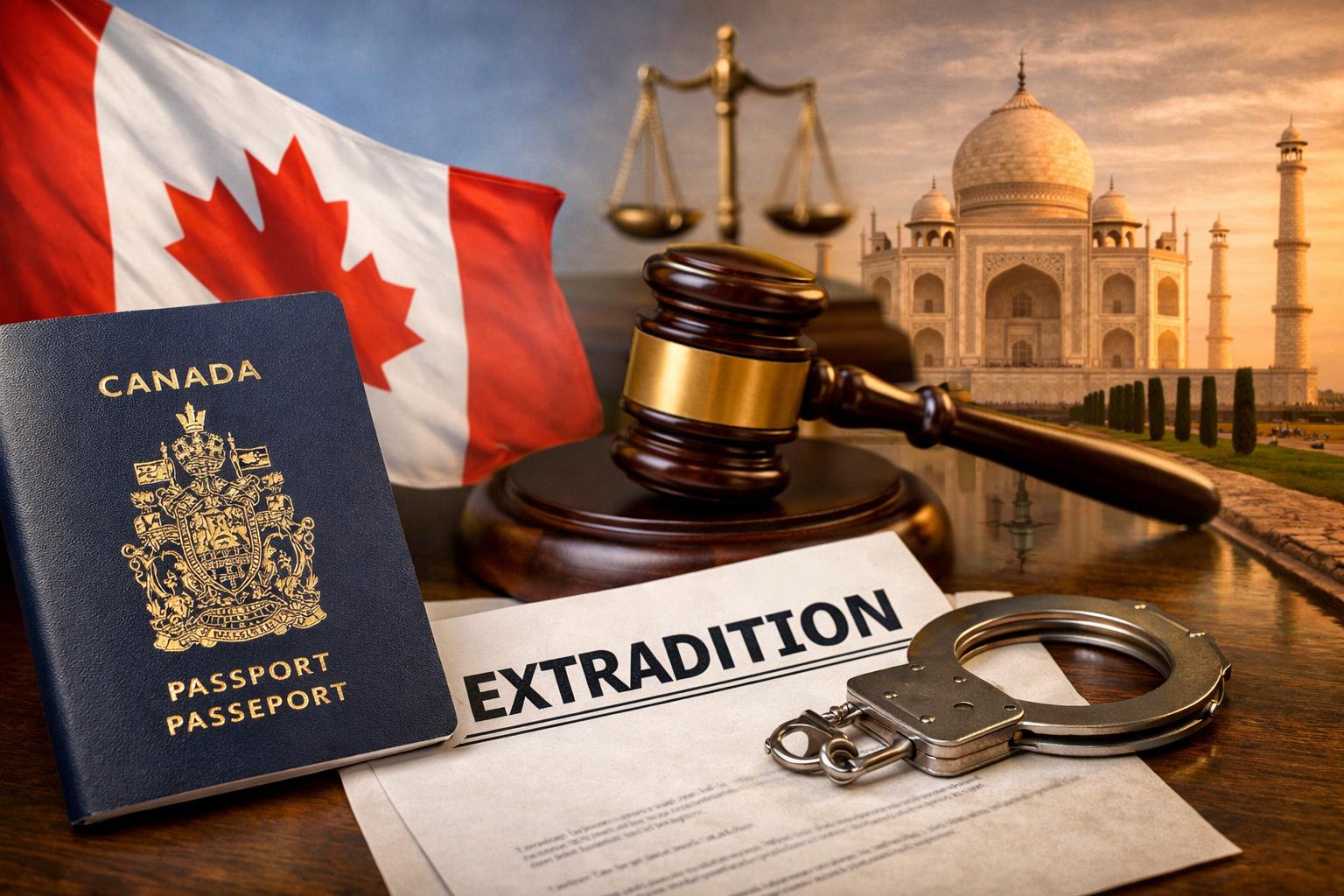
Canada’s immigration authorities have declined to comment on the specific citizenship case of Tahawwur Hussain Rana, a Pakistani-born Canadian citizen accused of involvement in the 2008 Mumbai terror attacks, citing privacy laws and respect for ongoing legal proceedings. However, officials have reiterated that fraud and misrepresentation remain valid grounds for citizenship revocation under Canadian law.
In a statement, Immigration, Refugees and Citizenship Canada (IRCC) said it could not discuss individual cases or ongoing litigation due to privacy legislation and the integrity of the judicial process. The response came amid reports that the Canadian government has initiated proceedings to review and potentially revoke Rana’s Canadian citizenship, which he obtained in 2001 after immigrating to Canada in 1997.
According to documents cited in recent reports, IRCC has formally notified Rana of its intent to revoke his Canadian citizenship. The reported basis for the action relates to alleged misrepresentation during his immigration or citizenship application process, rather than the terrorism-related accusations connected to the Mumbai terror attacks. Under IRCC guidelines, citizenship revocation can occur if an individual committed fraud, knowingly concealed information, or provided false details on an immigration application.
The citizenship revocation process typically begins with a Request for Information letter, granting the individual 30 days to respond. If concerns persist, authorities may issue a Notification Letter, allowing an additional 60 days to submit evidence or clarification. Most cases are decided by the Federal Court, though individuals may request that the Minister make the final determination. If citizenship is revoked, the individual is barred from reapplying for a period of 10 years from the date of revocation.
Rana, a former military doctor who later became a businessman, has been accused of supporting Lashkar-e-Taiba in connection with the 2008 Mumbai attacks, which resulted in the deaths of 166 people and strained Canada-India relations for years. He was extradited from the United States to India in April 2025 to face trial in connection with the attacks.
While IRCC has not confirmed details of Rana’s case, its reference to immigration fraud and misrepresentation underscores the legal framework guiding citizenship revocation proceedings. The developments come at a time when diplomatic engagement between Ottawa and New Delhi has drawn renewed attention, particularly ahead of Prime Minister Mark Carney’s scheduled visit to New Delhi.
Canadian authorities have maintained that all such cases are handled in accordance with established legal standards, emphasizing due process and judicial oversight. As the legal proceedings continue, further clarity on Rana’s citizenship status is expected to emerge through the courts rather than through public statements from immigration officials.