A logistics company in the Bay Area is experiencing unexpected business growth due to rising tariffs introduced under the Trump administration. These policy changes have reshaped international trade routes and transformed how companies handle imported goods, particularly increasing demand for bonded warehouses — specialized storage spaces where tariffs don’t apply until items are officially brought into the domestic market.
Francisco Garcia, founder of Lynx Logistics in Fremont, California, is leading one such company. His facility operates as a customs-bonded warehouse, a secure site where imported goods can be stored without the immediate payment of duties. This model, once mostly used for goods being shipped between foreign countries via the U.S., has become essential for American companies seeking to manage the cost pressures of heightened tariffs.
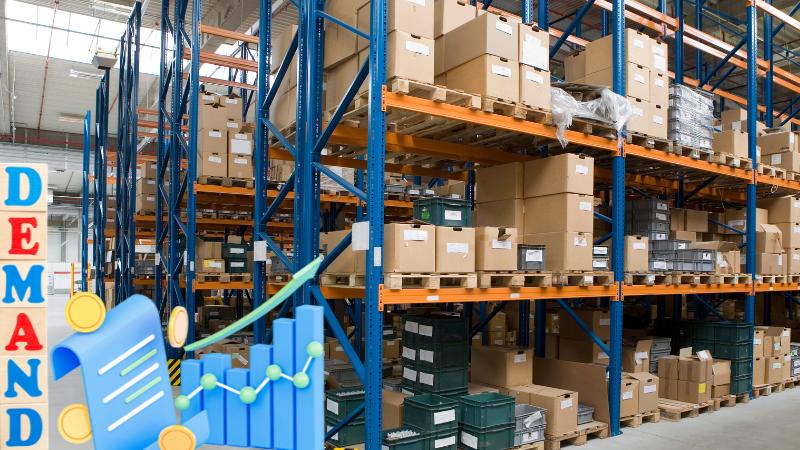
Garcia has been forced to expand rapidly in response to the new demand. His team is working nonstop to reorganize existing storage, and forklift operators are moving inventory around the clock to make space for new shipments. The facility recently received approval from U.S. Customs to increase its bonded storage capacity to 15,000 square feet — a move that will allow for quadruple-stacking pallets under customs control. The expansion underscores the urgency companies feel as they race to protect their bottom lines from tariff surcharges.
Bonded warehouses like Garcia’s are being used differently now than in previous years. Instead of serving only as intermediate stops for goods in transit, these facilities are now functioning as flexible storage centers. Importers can delay tariff payments until specific products are needed, improving cash flow and giving them more control over inventory costs in a volatile trade environment.
Shane Salazar, CEO of Lynx Logistics, pointed out that the bonded model is helping businesses weather uncertain times by spreading out the financial burden. Rather than paying duties upfront for entire shipments, companies now pay as they withdraw smaller amounts of goods — even down to single pallets or cartons. This makes it easier to manage finances and navigate unpredictable supply and demand cycles.
The market shift has been dramatic. Before the latest tariff hikes, brokers and warehouse managers received only occasional inquiries about bonded storage. But after the tariff announcement, calls increased exponentially as businesses rushed to secure bonded space along the West Coast. Many companies are trying to move inventory into the United States ahead of anticipated additional costs, hoping for a short-term solution while awaiting resolution of the ongoing trade tensions.
This boom, however, is not being seen across the entire logistics sector. While bonded warehouse operators are overwhelmed with demand, many non-bonded warehouses are seeing sharp declines in activity. Shipments to ports have decreased, and non-specialized facilities are receiving fewer new contracts as importers shift toward bonded environments for strategic and financial reasons.
Operating a bonded warehouse comes with additional costs and responsibilities. Facilities must meet strict security requirements laid out by U.S. Customs and Border Protection, and operators are responsible for customs bond premiums and maintaining meticulous records. Yet the high demand is making those challenges worthwhile for businesses able to meet the standards.
Despite the increased workload and stress, Garcia views this as a unique growth opportunity. His company, which once served a niche part of the logistics sector, is now a key player in a fast-evolving global trade system. Every day brings new requests, new containers, and new complexities. With each shipment that arrives, the company is adapting further to a business model shaped by policy shifts rather than market trends alone.
The growing role of bonded warehouses illustrates a larger transformation in how global commerce functions in the face of policy disruptions. What was once a background operation is now front and center in helping U.S. businesses mitigate the financial impact of international trade barriers. As long as tariffs remain high and uncertainty persists, facilities like Lynx Logistics are expected to remain in high demand, serving as critical hubs for navigating modern trade challenges.
Francisco Garcia, founder of Lynx Logistics in Fremont, California, is leading one such company. His facility operates as a customs-bonded warehouse, a secure site where imported goods can be stored without the immediate payment of duties. This model, once mostly used for goods being shipped between foreign countries via the U.S., has become essential for American companies seeking to manage the cost pressures of heightened tariffs.
Garcia has been forced to expand rapidly in response to the new demand. His team is working nonstop to reorganize existing storage, and forklift operators are moving inventory around the clock to make space for new shipments. The facility recently received approval from U.S. Customs to increase its bonded storage capacity to 15,000 square feet — a move that will allow for quadruple-stacking pallets under customs control. The expansion underscores the urgency companies feel as they race to protect their bottom lines from tariff surcharges.
Bonded warehouses like Garcia’s are being used differently now than in previous years. Instead of serving only as intermediate stops for goods in transit, these facilities are now functioning as flexible storage centers. Importers can delay tariff payments until specific products are needed, improving cash flow and giving them more control over inventory costs in a volatile trade environment.
Shane Salazar, CEO of Lynx Logistics, pointed out that the bonded model is helping businesses weather uncertain times by spreading out the financial burden. Rather than paying duties upfront for entire shipments, companies now pay as they withdraw smaller amounts of goods — even down to single pallets or cartons. This makes it easier to manage finances and navigate unpredictable supply and demand cycles.
The market shift has been dramatic. Before the latest tariff hikes, brokers and warehouse managers received only occasional inquiries about bonded storage. But after the tariff announcement, calls increased exponentially as businesses rushed to secure bonded space along the West Coast. Many companies are trying to move inventory into the United States ahead of anticipated additional costs, hoping for a short-term solution while awaiting resolution of the ongoing trade tensions.
This boom, however, is not being seen across the entire logistics sector. While bonded warehouse operators are overwhelmed with demand, many non-bonded warehouses are seeing sharp declines in activity. Shipments to ports have decreased, and non-specialized facilities are receiving fewer new contracts as importers shift toward bonded environments for strategic and financial reasons.
Operating a bonded warehouse comes with additional costs and responsibilities. Facilities must meet strict security requirements laid out by U.S. Customs and Border Protection, and operators are responsible for customs bond premiums and maintaining meticulous records. Yet the high demand is making those challenges worthwhile for businesses able to meet the standards.
Despite the increased workload and stress, Garcia views this as a unique growth opportunity. His company, which once served a niche part of the logistics sector, is now a key player in a fast-evolving global trade system. Every day brings new requests, new containers, and new complexities. With each shipment that arrives, the company is adapting further to a business model shaped by policy shifts rather than market trends alone.
The growing role of bonded warehouses illustrates a larger transformation in how global commerce functions in the face of policy disruptions. What was once a background operation is now front and center in helping U.S. businesses mitigate the financial impact of international trade barriers. As long as tariffs remain high and uncertainty persists, facilities like Lynx Logistics are expected to remain in high demand, serving as critical hubs for navigating modern trade challenges.