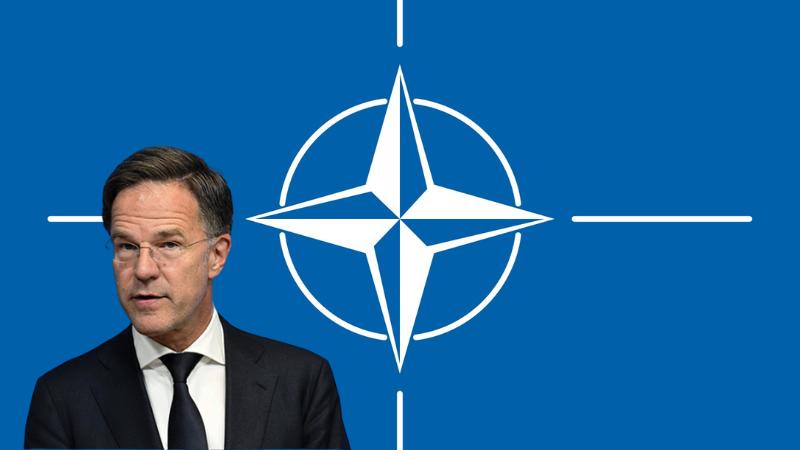
NATO Secretary General Mark Rutte has issued a clear and stern warning to countries maintaining economic relations with Russia amid the ongoing conflict in Ukraine. During recent meetings with U.S. senators, Rutte emphasized that countries like India, China, and Brazil risk facing severe secondary sanctions, including 100 percent tariffs, if they continue their commercial engagements with Russia. His message, delivered just a day after President Donald Trump revealed a new arms package for Ukraine, highlights growing Western impatience over neutral stances adopted by major global economies.
In an interaction with reporters, Rutte said that governments in Delhi, Beijing, and Brasília must seriously reconsider their current economic positions concerning Moscow. He encouraged the leadership in these countries to make an urgent appeal to Russian President Vladimir Putin to engage in meaningful peace talks. “If you live now in Beijing, or in Delhi, or you are the president of Brazil, you might want to take a look into this, because this might hit you very hard,” Rutte remarked. He further added, “So please make the phone call to Vladimir Putin and tell him that he has to get serious about peace talks, because otherwise this will slam back on Brazil, on India, and on China in a massive way.”
The call for diplomatic intervention from these non-Western powers comes as the United States and its allies ramp up efforts to pressurize Russia into a settlement, now with a defined 50-day deadline for a peace agreement. If no progress is seen within that period, the United States, with European support, plans to implement secondary sanctions at full capacity, targeting buyers of Russian goods with punitive tariffs.
Republican Senator Thom Tillis backed the overarching sanctions initiative but raised concerns about the 50-day grace period, warning it could be exploited by Russia. According to Tillis, Putin might attempt to strengthen his battlefield position within that window and use it as leverage in future negotiations. He stated that the international community must make it clear that any new territorial gains made by Russia during the grace period would not be recognized as valid grounds in peace talks. “We should look at the current state of Ukraine today and say, no matter what you do over the next 50 days, any of your gains are off the table,” he declared.
Rutte confirmed that the European nations are committed to funding Ukraine's resistance and empowering its strategic advantage before any negotiation takes place. He clarified that the new agreement with the United States includes massive military aid to Ukraine, encompassing not just air defense systems, but also missiles and ammunition that are being financed by European allies. While specifics on long-range missile systems were not fully disclosed, Rutte said the assistance is both defensive and offensive in nature. Discussions on the exact delivery schedule and types of weaponry are currently being handled by the Pentagon in coordination with the Supreme Allied Commander in Europe and Ukrainian defense authorities.
The warning to India and China underscores a significant shift in NATO’s diplomatic language. Until now, much of the messaging from Western leaders had focused on urging global neutrality or passive discouragement of ties with Moscow. This latest statement, however, marks a pivot towards direct consequences. NATO and the United States are now willing to take assertive steps against nations that do not align with their push to isolate Russia economically and diplomatically.
India has so far maintained a neutral stance in the war, avoiding open condemnation of Moscow and continuing trade, especially in oil and defense. China has similarly remained on the sidelines while quietly increasing bilateral economic engagements with Russia. Brazil, under its current administration, has taken a somewhat ambiguous position, expressing concern over the conflict while continuing agricultural and industrial trade with Russia.
This ultimatum puts all three powers in a tight spot. Aligning with NATO could mean walking away from long-standing strategic ties and economic advantages, while continuing their present course might trigger harsh sanctions that would directly impact their trade sectors. With the 50-day deadline ticking, diplomatic channels are expected to intensify in the coming weeks as these nations evaluate their positions.
Rutte's statement has effectively placed the responsibility of de-escalation not only on Russia but also on its key global partners. As the war drags on with mounting casualties and economic consequences, the international community appears ready to hold not just the aggressor but also the enablers accountable.
India, China, and Brazil now face the crucial question—should they stay the course and risk economic backlash, or should they use their diplomatic influence to push for an urgent end to a war that is increasingly global in its consequences?