The surge is largely tied to disruptions in global oil markets following military actions involving the United States, Israel, and Iran. Since the conflict began, crude oil prices have risen significantly, with both Brent crude and U.S. benchmark crude exceeding $100 per barrel, up from approximately $70 prior to the escalation. These increases have directly impacted gasoline prices, as crude oil remains the primary component in fuel production.
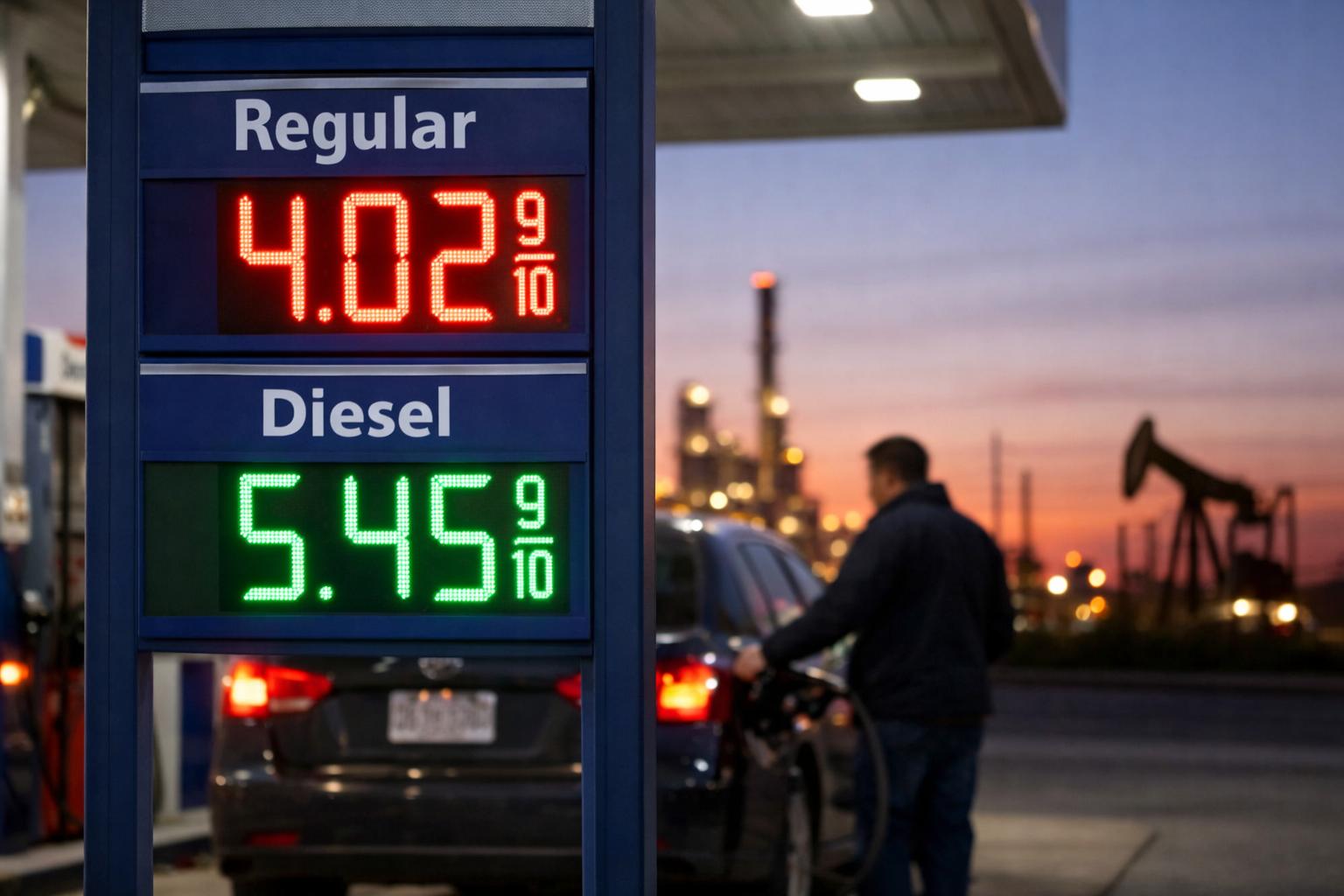
Prices vary widely across the country due to regional supply conditions and state tax policies. As of Tuesday, March 31, 2026, California reported the highest average price at nearly $5.89 per gallon, while Oklahoma recorded one of the lowest averages at about $3.27 per gallon. Diesel prices have also surged, averaging $5.45 per gallon nationwide, compared to approximately $3.76 before the conflict.
Higher fuel costs are placing additional financial strain on households already managing broader cost-of-living pressures. Increased spending on gasoline is reducing disposable income and may lead consumers to cut back in other areas. Analysts warn that elevated fuel prices could ripple through the economy, raising transportation and logistics costs and contributing to higher prices for goods such as groceries and consumer products.
Global markets are experiencing similar pressures. In Paris, gasoline prices have reached approximately $10.27 per gallon when converted from euros, highlighting the worldwide impact of supply disruptions. The Strait of Hormuz, a critical shipping route for global oil supplies, has seen significant disruptions, further tightening availability and driving up costs.
In response, the International Energy Agency has pledged to release 400 million barrels of oil from emergency reserves, including contributions from the United States. Additional measures include easing certain sanctions to increase supply and temporarily relaxing shipping regulations to improve fuel distribution. However, analysts note that such interventions may take time to stabilize prices, as refineries process crude purchased in advance and demand remains elevated due to seasonal travel and the transition to more expensive summer fuel blends.
Despite being a net oil exporter, the United States remains influenced by global pricing dynamics due to the interconnected nature of energy markets and refinery requirements. If disruptions persist, analysts caution that gasoline prices could continue to rise, potentially approaching the record levels seen in 2022.