- datacompass
- 28 May 2026
- #Global News #ebola #congo #who #tedros #drc #ituri #outbreak #vaccine #africacdc #unicef
WHO Chief Visits Congo
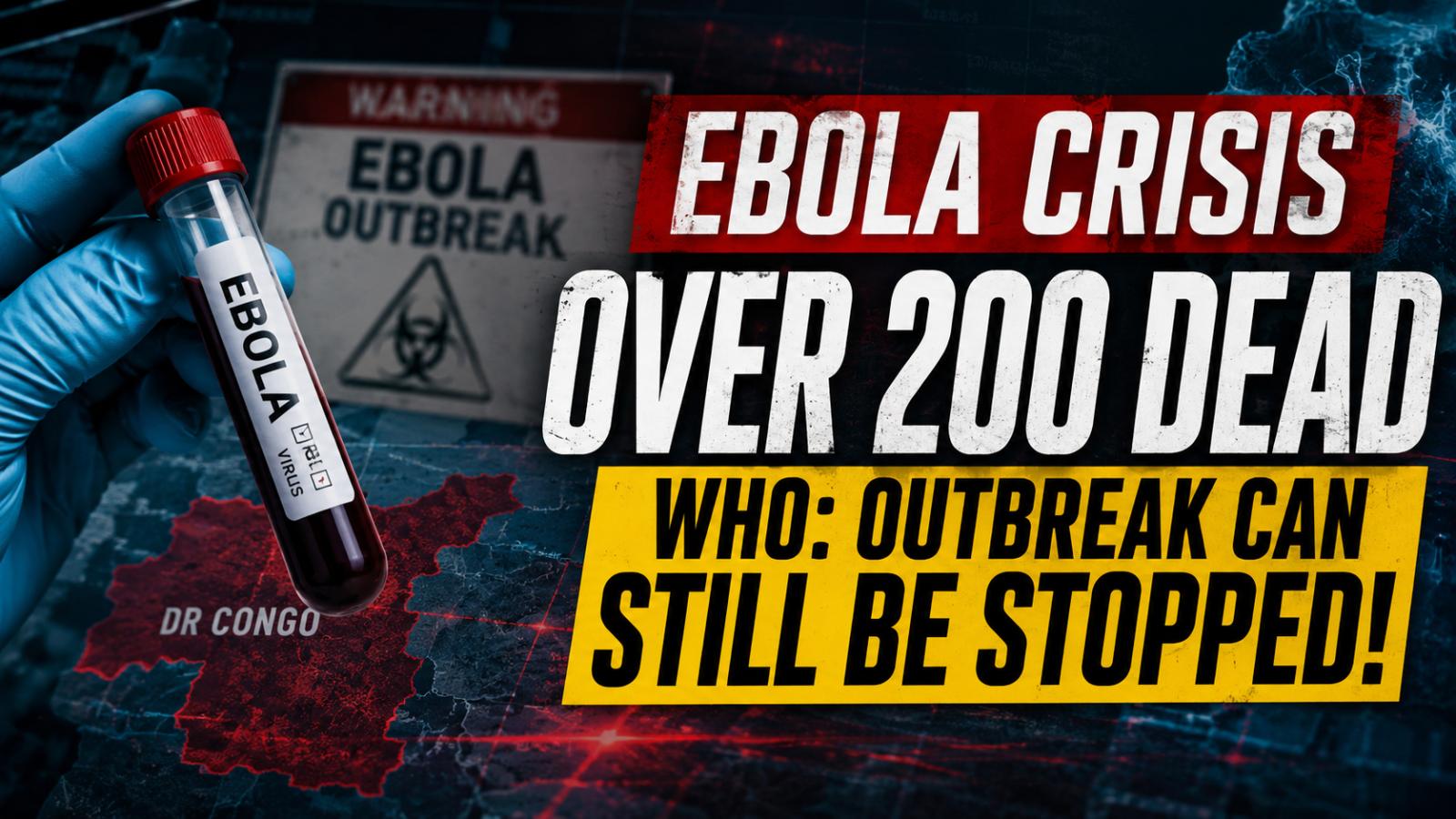
World Health Organisation chief Tedros Adhanom Ghebreyesus said the Ebola outbreak in the Democratic Republic of Congo can still be contained, even as the death toll has crossed 200. Tedros arrived in Kinshasa on Thursday, May 28, and is expected to travel to Ituri province, the centre of the outbreak in northeastern Congo. He said the virus can be stopped and added that the WHO does not support travel bans as a major control measure, saying they do little to help contain Ebola.
Death Toll Passes 200
According to the latest figures available up to May 24, Congo has recorded 10 confirmed and 223 suspected Ebola deaths since the outbreak was declared on May 15. More than 1,000 confirmed and suspected cases have also been reported. Health officials have warned that the real spread of the virus could be wider, as the outbreak may have been circulating undetected before it was officially identified. This is the 17th recorded Ebola outbreak in Congo, a country of more than 100 million people.
Conflict Complicates Response
Efforts to contain the outbreak have been made harder by violence in eastern Congo, where armed conflict and displacement have affected communities for years. Tedros urged warring parties in the region to stop fighting, saying conflict makes disease response more difficult and puts civilians at greater risk. He said no grievance or conflict should condemn innocent people to death from a preventable disease. The situation in Ituri and nearby areas remains a major concern for health workers trying to trace cases, treat patients and deliver supplies.
There is currently no approved vaccine or treatment for the Bundibugyo strain of Ebola linked to the latest outbreak. Africa CDC chief Jean Kaseya said a vaccine and medicine for the strain could be available before the end of 2026, with leaders and technical teams working toward that goal. The WHO said 4.6 tonnes of aid had reached Bunia, the capital of Ituri province, while UNICEF is sending another 100 tonnes of humanitarian supplies. The response now depends on rapid case detection, community cooperation, medical support and safer access for health teams in conflict-affected areas.