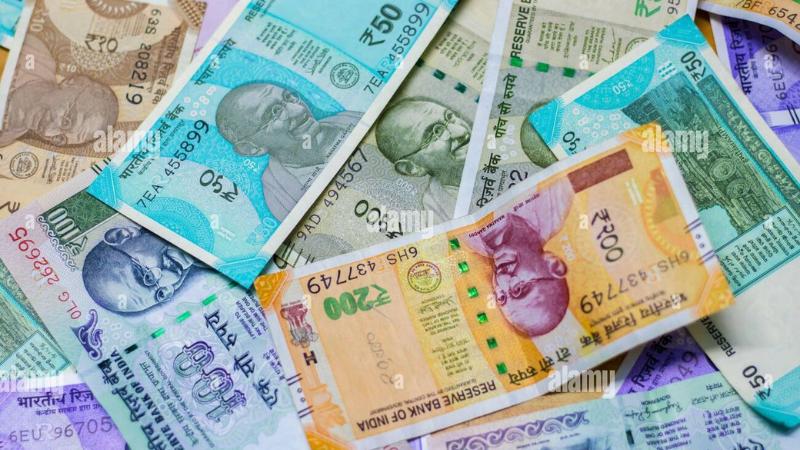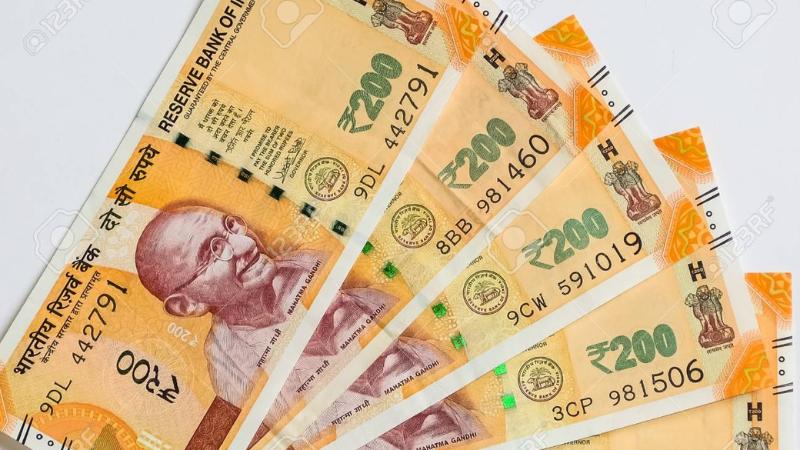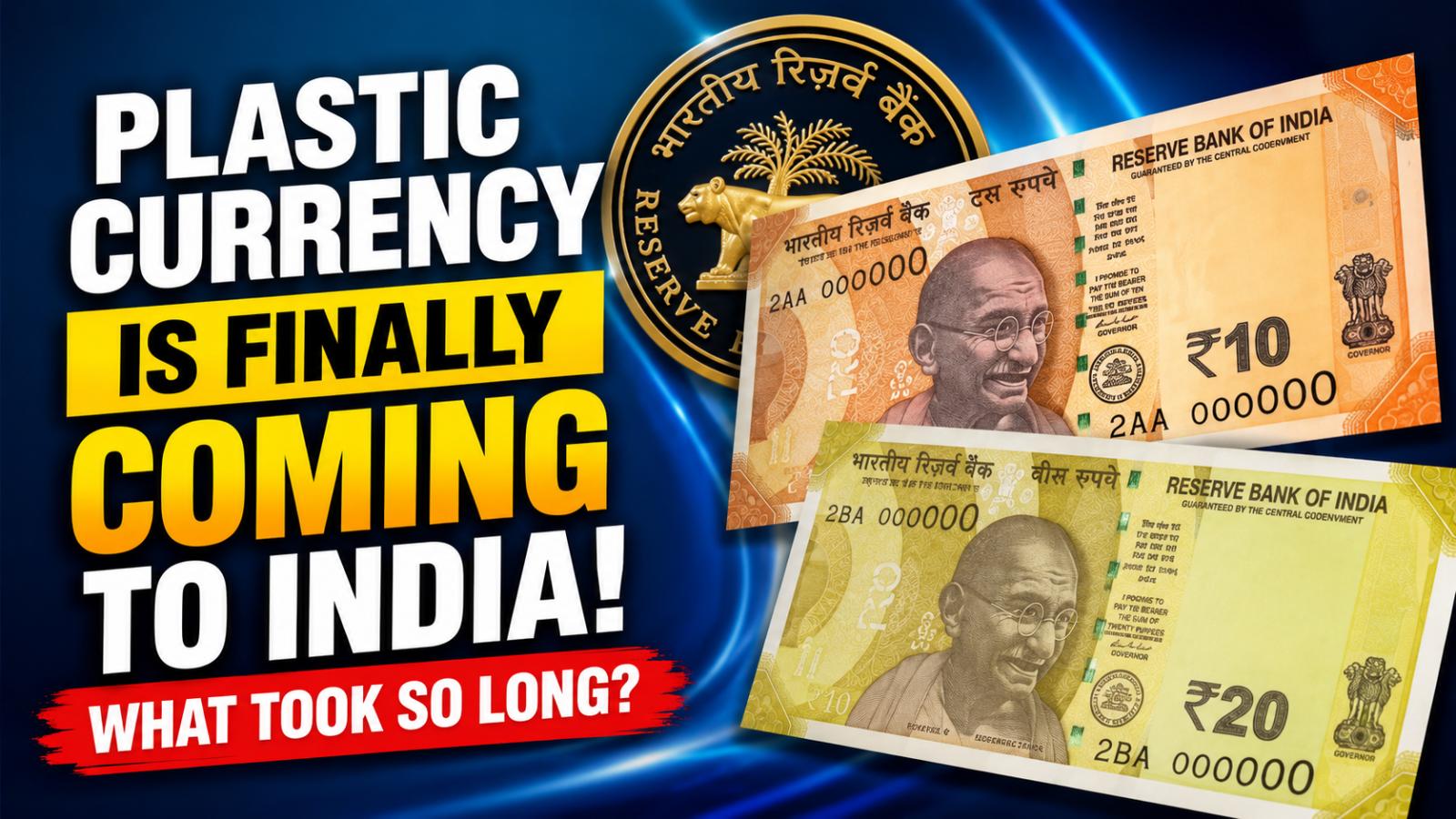
India is preparing to test polymer currency after the Centre approved the Reserve Bank of India’s proposal for field trials of ₹10 and ₹20 notes. The pilot will include one billion notes of each denomination, but paper currency is not being withdrawn. Both types could circulate together if the trial succeeds.
India Revives Polymer Note Plan After 15 Years
The approval revives an idea pursued more than a decade ago. In 2009, the RBI began planning to procure one billion ₹10 polymer notes. A field trial was later proposed in Kochi, Mysuru, Jaipur, Bhubaneswar and Shimla to examine performance across different climates.
The project did not move beyond planning and technical evaluation. The RBI later recorded that technical infirmities had emerged, preventing the process from progressing. The earlier initiative therefore remained incomplete despite announcements made in 2012 and 2013.
India Faced Technical And Infrastructure Barriers
A major concern was whether polymer notes would work smoothly with existing cash-processing systems. Currency-counting, sorting and handling machines were designed mainly for conventional notes, making compatibility essential before a large rollout.
Banks, cash-management firms and printing facilities would also have to evaluate equipment and operating costs. India had already invested in traditional banknote paper, ink and printing infrastructure, while polymer substrates could create additional procurement and security requirements. These factors slowed the transition.
India Sees Longer Life And Environmental Benefits
Polymer notes are made from a durable, non-fibrous and non-porous substrate. They resist moisture, dirt and routine wear better than cotton-based notes. Since smaller denominations change hands frequently, a longer lifespan could reduce the number of damaged notes requiring replacement.
A TERI assessment commissioned by the RBI found that polymer notes could provide environmental benefits over their lifecycle. Although production may cost more initially, longer use and recyclability could lower printing, distribution and disposal needs over time.
India Will Test Notes Before Wider Rollout
The approved plan covers one billion ₹10 polymer notes and one billion ₹20 polymer notes. Regular issuance will be considered only after successful field trials. The government has also clarified that it has no plan to replace all paper currency with polymer notes.
The trial is expected to examine durability, public handling, machine compatibility, security and cost. No formal circulation date or new testing locations have been announced. The move is therefore a controlled experiment, not an immediate nationwide switch to plastic money.